
when will you wear wigs - practical guide to occasions, styling tips and boosting confidence
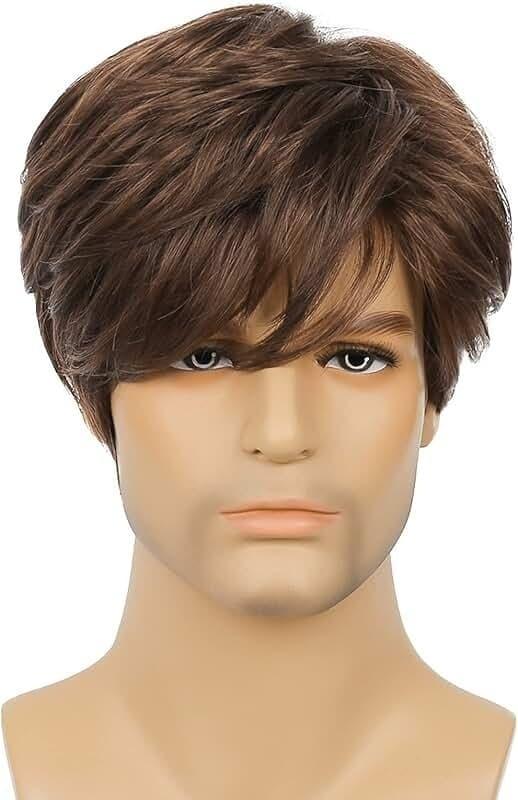
when will you wear wigs — thoughtful considerations before choosing to change your look
Deciding when will you wear wigs can be empowering, practical and liberating: this guide walks you through a range of situations, styling options, maintenance routines and confidence-boosting strategies so you feel prepared and intentional whenever you choose to wear a wig. Whether you're exploring temporary transformation for an event, adapting to hair thinning, addressing medical hair loss, or simply experimenting with a fresh persona, understanding context, comfort and styling fundamentals helps you arrive at the right answer for your lifestyle.
The common occasions that prompt the question: when will you wear wigs?
Many people ask themselves when will you wear wigs because the reasons differ widely. Typical scenarios include special events like weddings, parties, performances, or photoshoots; seasonal changes where a lighter or warmer cap is needed; convenience for busy lifestyles; or medical reasons such as chemotherapy or alopecia. Career-driven needs—actors, models, drag performers—also frequently answer the question affirmatively. Each occasion suggests a different choice in structure, material and styling approach, so it's useful to map purpose to product before purchasing.
Life events and emotional readiness
For sensitive moments—medical treatment or sudden loss of hair—the timing of deciding when will you wear wigs is often governed by emotional readiness, support networks and information access. Preparing in advance, choosing a comfortable base (monofilament caps, lace fronts) and discussing options with a stylist or medical professional can reduce stress. When wearing a wig for health reasons, prioritize scalp health, breathable fabrics and easy removal to protect sensitive skin.
Practical driving factors: weather, convenience and maintenance
Sometimes the answer to when will you wear wigs is transactional: a protective style in winter, a sweat-resistant option for hot months, or a pre-styled wig for travel and busy mornings. Synthetic fibers can hold style through humidity, while human-hair wigs offer heat-styling versatility. Consider daily routines: if you prefer low-maintenance mornings, a pre-styled synthetic cap may be ideal. For nuanced control and longevity, human hair tends to be a better investment but requires more care.
Understanding types and how they influence the 'when'
- Lace front wigs: natural hairline appearance makes them great for social events and photos where close inspection is possible.
- Full lace wigs: provide styling flexibility for updos and show-ready looks—ideal when you want a dramatic change.
- Monofilament caps: feel natural at the part and are perfect if you plan to wear the wig for long stretches or require scalp-sensitive construction.
- Synthetic wigs: best when you need low-maintenance, predefined styles for predictable occasions.
- Human hair wigs: chosen when heat styling or longevity are essential—often used for regular wear or professional reasons.
Styling tips tied to timing
When you decide when will you wear wigs, think about the look you want to achieve and the time you'll spend preparing. For a quick, polished look in the morning choose a wig with a pre-cut shape and natural movement; for a weekend event, invest time in shaping lace and customizing the hairline. Use lightweight adhesives for all-day events and stronger, medical-grade adhesives for multi-day wear. Blend your own baby hairs to mimic a lived-in look and use color-correcting powders at the part to simulate depth.
Layering, heat and finishing
Match heat tolerance to your planning: synthetic fibers can be heat-resistant to certain temperatures, but human hair allows full heat styling. If you plan to curl, straighten or retexturize frequently, human hair or heat-friendly blends will answer the question of when will you wear wigs with more confidence because they tolerate salon tools. Always use protectant products and low-medium heat settings to extend lifespan.
Practical application: a timeline for deciding
- Immediate needs (same-day events): choose pre-styled synthetic options or wigs previously customized to your measurements.
- Short-term change (days to weeks): pick a versatile lace front or monofilament wig you can secure comfortably and blend into your routine.
- Longer-term commitment (months+): invest in human hair or custom-made solutions that match your scalp, hairline and coloring preferences.
How to choose a wig based on the situation
Answering when will you wear wigs requires analyzing the occasion, duration and desired maintenance level. For daily wear, focus on breathable constructions and cap comfort; for occasional use, emphasize style retention and ease of storage. If you need a wig for performance, ensure the cap is secure, reusable and can handle stage lighting and sweat; if it’s for a photo shoot, prioritize realism and styling flexibility.
Confidence and psychological benefits
Wigs can be more than style: they can restore a sense of agency, allow self-expression and help people transition through life phases.
Recognizing when will you wear wigs often has an emotional component. Users report boosts in confidence when the wig fits well, reflects their identity and is maintained in a way that feels manageable. A well-fitted wig not only looks natural but also supports social engagement by reducing anxiety about appearance. Practice sessions at home and small outings before major events can help acclimate you to the feel and social dynamics of wearing a wig.
Fitting and measurement: timing the custom experience
Getting professionally measured and fitted answers practical questions about when will you wear wigs—a custom fit means less adjustment and fewer surprises when you need to wear the wig for extended periods. Schedule fittings a few weeks before important events to allow for customization such as trimming, hairline work and color blending. If you need a wig quickly, chose ready-to-wear options but prioritize adjustable straps and simple adhesive solutions.
Maintenance routines by frequency of wear
How often you plan to wear your wig dictates maintenance actions. For everyday wear: weekly gentle washes, conditioning and careful brushing with a wide-tooth comb. For occasional wear: store on a stand, avoid damp storage spaces and refresh curls or style with steam. If the question is when will you wear wigs for months at a time, create a seasonal care calendar: deep conditioning at predetermined intervals, occasional salon visits for restyling and replacement of adhesives or elastics as needed.
Storage and hygiene
Proper storage extends lifespan—use breathable covers, avoid direct sunlight and keep wigs away from heat sources. For hygiene, maintain both the wig and your scalp: clean the cap liners, rotate between wigs if possible and use scalp-friendly cleansers when wearing a wig daily. These small steps make the decision of when will you wear wigs easier because they reduce the cumulative effort of upkeep.
Blending accessories and wardrobe
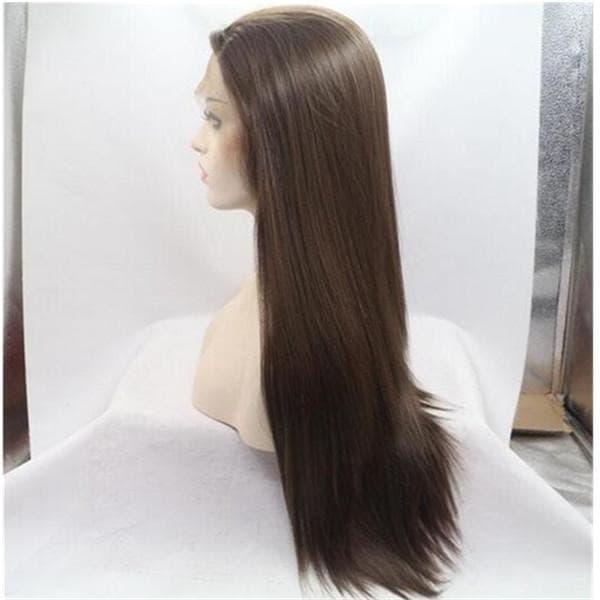
Answering when will you wear wigs also intersects with accessory choices: hats, headscarves, and hair jewelry can disguise transitions and add style. For professional settings, neutral, understated pieces create a seamless look; for social events, bold accessories complement dramatic styles. Consider color continuity between your wig and wardrobe to create a cohesive silhouette in photos and in person.
Budgeting: when to choose value vs. investment
Cost considerations influence when you'll choose to wear a particular wig. For a single special event, a quality synthetic wig is often sufficient. For long-term wear or multiple events, invest in human hair or premium lace constructions. Remember to budget for upkeep—products, stylings, adhesives and professional adjustments—and factor these into the timeline when deciding when will you wear wigs regularly.
Common mistakes that answer the question for you
- Buying the most dramatic option for everyday use—leading to discomfort and underuse.
- Ignoring cap fit—ill-fitting caps shorten useful wear time and affect confidence.
- Skipping color matching—unrealistic colors can make the wig look less natural in varied lighting.
Step-by-step checklist to decide 'when will you wear wigs'
- List your reasons (medical, stylistic, convenience, performance).
- Match the reason to wig type (lace front, full lace, monofilament, synthetic, human hair).
- Schedule fittings and try-ons before the event date.
- Test adhesives and comfort on a low-stakes day.
- Practice confidence-building routines: makeup, wardrobe alignment, and short trial outings.
Wig-friendly grooming and beauty tips
Adopt a scalp care routine using non-irritating cleansers, moisturizers and sun protection. Trim any real hair used to secure the wig to reduce bulk. For makeup, match foundation at the hairline and use translucent powders to reduce shine that could expose the wig edge. Teach yourself a few quick style refreshers—pinning a stray lace discreetly or reapplying a small dab of adhesive—so you feel prepared in public situations.
When will you wear wigs for sports or active days?
If your schedule includes active days, pick wigs engineered for motion: athletic-friendly caps, breathable mesh, and secure attachment systems. Plan when you'll wear a wig for sports by testing sweat resistance, using moisture-wicking inner caps and ensuring the fit holds under movement. In many cases, a lightweight, lower-profile cap offers the best balance between security and comfort.
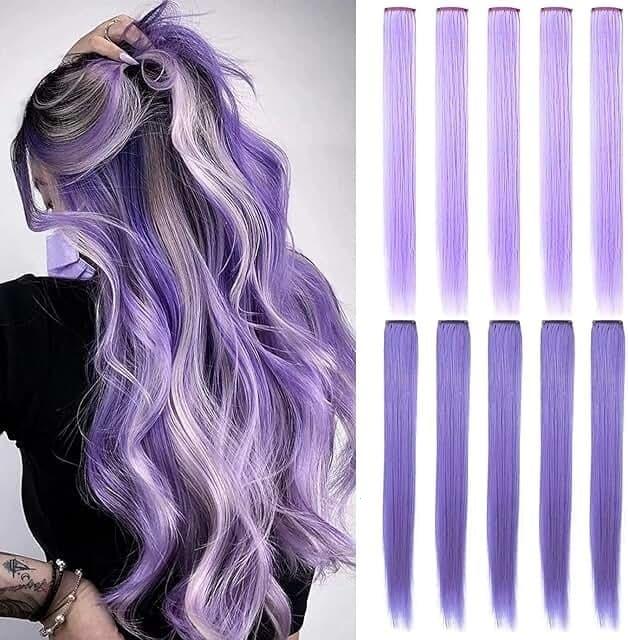
Customization: when to prioritize tailoring
Customized wigs answer specific questions of identity and practicality. Book a custom appointment if you need a precise hairline, color matching, or cut that reflects your day-to-day activities. Customization takes time—factor in appointment availability and production lead time when deciding when will you wear wigs for important future events.
Visual cues that indicate it's time to replace or switch wigs
Signs that a wig needs replacement and thus affects your planning include visible wear at the part, thinning cap material, persistent odor despite cleaning and loss of color vibrancy. If you notice these indicators, answer when will you wear wigs with a plan to replace or rotate pieces to maintain consistent confidence and appearance.
Community and support
Forums, salons, stylists and medical teams can help you refine decisions about when will you wear wigs. Connect with peers who share your reasons for wearing wigs to learn practical tips about adhesives, discreet storage and styling shortcuts. Trial groups and wig meetups are excellent resources for hands-on exploration.
Ethical and sustainability considerations
As you decide when will you wear wigs, think about sustainability: synthetic wigs involve plastics and manufacturing footprints, while ethically sourced human hair varies in supply chain ethics. Consider second-hand wig markets, recycled options, or vendors with transparent sourcing to reduce environmental impact.
Final checklist before your chosen day
- Confirm fit and comfort.
- Practice putting on and taking off the wig at least once under non-pressured conditions.
- Pack a small care kit: comb, pins, adhesive, and a travel-size conditioner.
- Coordinate with your outfit and accessories for a cohesive look.
- Have a backup plan (headscarf or simple hat) in case of unexpected issues.
Summary: making a confident decision
When contemplating when will you wear wigs, balance your emotional needs, practical drivers and the technical aspects of the wig itself. Mapping purpose to product, investing in fit and practicing ahead of time reduces uncertainty and boosts confidence. Wigs are tools of transformation and protection—used intentionally they can enhance your sense of self, solve immediate style or medical needs and offer creative freedom.
Remember to revisit your timeline as life changes: what felt right for a weekend may not suit daily routines, and vice versa. Make choices that respect your comfort, appearance goals and maintenance willingness.
Quick resources and product categories to explore
- Lace fronts and human hair for realism and styling versatility.
- Monofilament caps for scalp sensitivity and natural appearance at the part.
- Synthetic pre-styled wigs for convenience and budget-conscious event wear.
- Custom-made pieces for long-term wear and exact fit.
By confronting the question when will you wear wigs with practical steps, you gain control over timing, appearance and emotional comfort. Allow yourself experimentation: try temporary styles, seek professional fitting and remember that confidence grows with preparation and familiarization.
FAQ
Q: How soon before an event should I get a wig fitted?
A: Ideally schedule fittings several weeks in advance to allow time for customization, styling and practice; for immediate events, choose a pre-styled, adjustable option and do a trial fit the day before.
Q: Are synthetic wigs appropriate for daily use?
A: Synthetic wigs can be used daily if you select high-quality, heat-friendly fibers and adhere to a gentle care routine, but human hair typically offers better longevity and styling flexibility for everyday wear.
Q: How can I make a wig feel more natural on my scalp?
A: Use breathable cap constructions, custom sizing, thin lace fronts blended with baby hairs and scalp-colored powders at the part; also ensure adhesives or grip systems are comfortable for your skin type.
Related products
Blog
- How to curl a wig - easy heat and heatless methods for natural looking long lasting curls
- how to wear wig with long hair made easy - 9 pro tips for a seamless, natural look
- do british lawyers still wear wigs - 2025 guide to tradition, modern practice and when courtroom wigs are required
- does candace owens wear a wig answered with photos expert commentary and hairstyling clues
- Human hair wigs guide — human hair and wigs tips for achieving natural hair and flawless style
- Complete wig install tutorial with step-by-step tips for beginners and pro natural results
- how to make a cheap wig look good with 12 easy budget-friendly styling hacks
- can you wear a wig through tsa — practical tips and what to expect at airport security