Understanding the composition of modern wig fibers and what drives their performance
If you've ever asked what are synthetic wigs made of and why some feel more natural than others, this comprehensive guide will walk you through the essential materials, manufacturing techniques, and practical maintenance strategies that determine longevity and appearance. We will explore the raw materials, the physical and chemical treatments applied, the different grades of synthetic hair, and give actionable care tips to keep a wig looking fresh.
The core fibers used in most synthetic hairpieces
Synthetic wigs are constructed from a variety of man-made polymers engineered to mimic the look and movement of human hair. The most common classes of fibers include:
- Modacrylic: A flame-retardant acrylic copolymer that is soft, has a realistic sheen, and holds color well; widely used in mid to high-end synthetics.
- Kanekalon: A trade name often used interchangeably with high-quality modacrylic blends; durable and heat-resistant in certain formulations.
- Toyokalon: Another branded synthetic fiber known for a soft hand and excellent color retention, often used in premium promenade and display wigs.
- Polyester: Economical and resilient, polyester fibers can be engineered to imitate a wide range of textures, but may be glossier than more advanced fibers.
- Acrylic and polyvinyl-based fibers: These are used mainly in lower-cost wigs; they provide structure and shine but can lack movement and may be prone to tangling.
Key characteristics of synthetic fibers
- Uniformity: Synthetic filaments are manufactured to precise diameters and strengths, giving an even density and consistent color across the wig.
- Shape memory: Many synthetics are designed with a "set" — pre-styled curls or waves that return after washing.
- Heat sensitivity: Unless explicitly labeled as heat-friendly, most synthetic fibers soften or melt at high temperatures. Heat-resistant blends use specially modified polymers to resist styling temperatures within a specified safe range.

- Color stability: Because they are dyed during manufacturing, synthetic fibers generally retain color far longer than human hair wigs when exposed to sunlight and repeated washing.
Manufacturing methods: from polymer to finished wig
Understanding how synthetic wigs are made helps clarify differences in price and quality. The production pipeline typically includes the following stages:
1) Polymer compounding and extrusion
Manufacturers begin with polymer granules (such as acrylonitrile-based resins). Additives like UV stabilizers, flame retardants, and plasticizers are blended in to create a masterbatch with targeted properties. The molten polymer is extruded through spinnerets to form continuous filaments. By changing spinneret hole sizes and extrusion speed, producers control filament thickness and texture.
2) Drawing and orientation
After extrusion, filaments are stretched (drawn) to orient polymer chains, improving tensile strength and creating a consistent diameter. Orientation also influences sheen: a highly oriented fiber often has a smoother surface and greater gloss, while lower orientation can yield a more matte, natural appearance.
3) Crimping, texturizing, and heat setting
To imitate the cuticle irregularities of natural hair or to create curls and waves, fibers undergo mechanical or chemical crimping. Heat-setting fixes those shapes. High-quality producers use precision heat setting to make textures long-lasting without damaging the polymer matrix.
4) Dyeing and finishing
Synthetic fibers are typically mass-dyed using disperse dyes or during the spinning step by adding colorants to the polymer. Surface finishes like anti-static coatings, softeners, and UV protectants are added to enhance wearability and appearance.
5) Wefting and cap construction
The processed fibers are formed into wefts, hand-tied strands, or machine-sewn lace fronts. Cap construction ranges from basic machine-made caps to complex lace front and monofilament tops that offer more natural movement and parting options.
Comparing fiber types by performance
Not all synthetic fibers are created equal. Here are practical differences to help you decide:
- Low-cost synthetics: Bright shine, firm set, low breathability, limited lifespan (often 3–6 months with regular wear).
- Mid-range fibers: Reduced shine, improved texture, more natural motion, better heat resistance (some can tolerate low-temperature styling).
- Premium fibers (high-grade modacrylic/Toyokalon blends)
 : Closest visual match to human hair, soft hand, superior curl retention, enhanced dye stability, and options for lace or monofilament caps.
Practical tips on caring for synthetic hairpieces
Whether your goal is to extend service life, maintain style, or minimize tangling, a proper routine matters. Below are evidence-based care steps suitable for most synthetic wigs:
Daily and short-term maintenance
- Detangle gently from tips to roots using a wide-tooth comb or a special synthetic wig brush.
- Avoid sleeping in a synthetic wig to prevent friction-related matting unless the wig is specifically designed for extended wear.
- Keep exposure to oils, sunscreen, and hair care products low; synthetics don't absorb oils like natural hair, so residue can build up on the surface.
Washing and conditioning
Washing frequency depends on use — occasional wear might only need seasonal cleaning; daily wear benefits from cleansing every 10–14 days. Use cool water and a shampoo formulated for synthetic fibers. Avoid hot water, which can deform many synthetic filaments.
- Fill a basin with cool water and a small amount of synthetic wig shampoo.
- Soak the wig gently for 5–10 minutes; never rub or wring aggressively.
- Rinse in cool water until all suds are gone.
- Apply a synthetic conditioner or detangler briefly then rinse; do not over-condition, as build-up reduces bounce.
- Pat dry with a towel and place on a wig stand to air dry; avoid direct sunlight and heaters.
Styling and heat-use considerations
Always check the label: if a wig is marked heat-friendly or heat-resistant, it will list a safe maximum temperature. Use the lowest effective heat setting, and work with small sections. For non-heat-friendly fibers, rely on cold styling methods like rollers or cold shaping to reshape curls without risking fiber damage.
Storage and handling
Store on a breathable wig stand or in a loose pouch to maintain shape and prevent tangles. For long-term storage, place in a satin bag or original box in a climate-controlled area to avoid moisture-related issues like mildew.
Products to avoid
Avoid high-alcohol sprays, straightening irons on non-heat fibers, and heavy serums that cause unattractive residue. Use products formulated specifically for synthetic wigs, such as low-residue leave-in conditioners and thermal protectants for heat-tolerant blends.
Environmental, health and ethical considerations
Synthetic wigs require petrochemical feedstocks, so their production and disposal have environmental impacts. Some manufacturers now use recycled polymers or biodegradable blends to improve sustainability. From a health perspective, synthetic wigs are hypoallergenic for most wearers since they lack the protein-based components that can trigger some sensitivities, but residual solvents or finishes can cause irritation in sensitive individuals. Washing new wigs before wearing can reduce this risk.
Choosing between synthetic and human hair alternatives
When weighing options, consider these trade-offs:
- Cost: Synthetic wigs are typically more affordable up-front.
- Maintenance: Synthetics often require less day-to-day styling but can be more delicate in terms of heat.
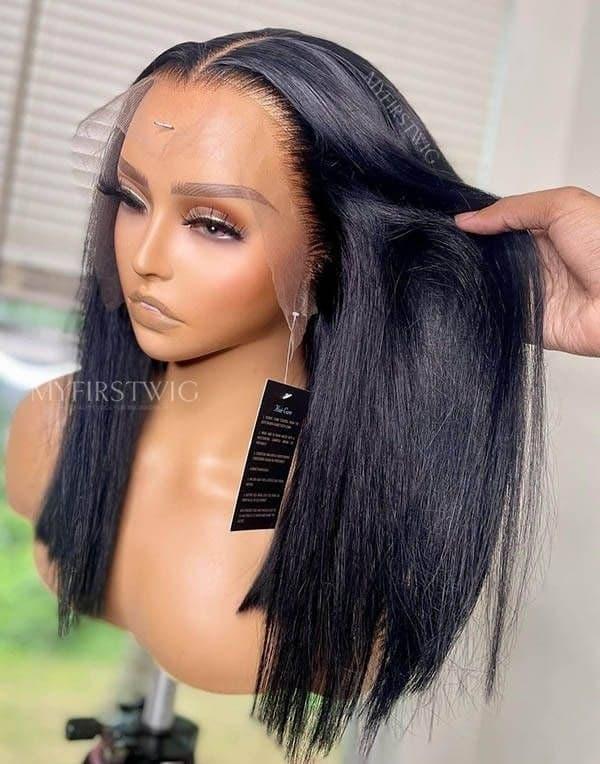
- Realism: High-end synthetics can look very natural; human hair still leads in texture variance and long-term styling flexibility.
- Lifespan: Human hair usually lasts longer with proper care, but premium synthetics with good cap construction can be excellent value.
Tips for selecting a high-quality synthetic wig
When shopping, look for:
- Clear labeling of fiber content and heat tolerance.
- Monofilament or lace front construction for natural parting and hairline.
- Color depth and subtle highlights achieved by multi-tone manufacturing rather than surface painting.
- Brand reputation and return policies that allow you to test fit and feel.
Professional services and customization
Many wig shops offer lace trimming, root-shading, and hand-tied customization to improve realism. If planning to wear a synthetic wig daily, consider investing in professional styling to adapt the wig to your face shape and lifestyle — this often extends useful life and comfort.
Common misconceptions clarified
Myth: All synthetics look fake. Fact: Quality varies enormously; modern premium fibers are engineered to closely mimic natural hair movement and color depth.
Myth: You can use any hot tool on any wig. Fact: Only use heat on wigs explicitly labeled heat-resistant and always follow the manufacturer’s maximum temperature guidance.
Myth: Synthetic wigs are impossible to repair. Fact: Some repairs and restyling are possible, especially if the cap is well-constructed and the owner uses appropriate products.
How often should you replace a synthetic wig?
Replacement intervals depend on frequency of wear, care quality, and original fiber grade. Typical ranges are:
- Occasional wear: 1–2 years
- Frequent/daily wear: 3–6 months for lower grades, up to 1–2 years for premium synthetics
Signs it's time for a replacement include persistent matting that cannot be detangled, loss of original shape, or fiber degradation that makes the wig look dull even after cleaning.
Quick reference checklist: buying and maintaining synthetic hairpieces
- Confirm fiber content and heat tolerance.
- Choose appropriate cap type for desired realism and budget.
- Plan for regular gentle cleaning and storage on a stand.
- Use only recommended products formulated for synthetics.
- Keep a low-heat hair tool only if the wig specifies heat-resistance.
SEO note: keyword usage and context
To ensure the core query what are synthetic wigs made of is clearly addressed, we have used the phrase several times and explained the composition, manufacturing, and care aspects in detail. This helps search visibility by matching user intent for both informational and practical guidance while maintaining natural language flow.
Extra insights: niche fiber technologies
Emerging innovations include bi-component fibers that combine a softer outer sheath with a tougher core for improved resilience, and engineered hollow fibers for lighter weight and better insulation. Some advanced synthetics incorporate microtexturing to mimic the human hair cuticle and reduce shine. These developments narrow the gap between synthetic and human hair in both look and feel.
Practical at-home troubleshooting
If you encounter frizz or tangles on a synthetic wig, try the following steps: dampen the fiber lightly with a water + synthetic detangler solution, comb carefully from ends up, then allow to air dry on a stand; for stubborn matting, a professional wig specialist may be able to recondition or restyle the piece.
Conclusion
In short, what are synthetic wigs made of can be answered simply: they are crafted from engineered polymer fibers such as modacrylic, kanekalon, toyokalon, and various polyester-based materials, processed through extrusion, drawing, heat-setting, dyeing, and cap-construction stages to achieve desired aesthetics and performance. The result is a broad spectrum of products that can meet needs from budget-friendly fashion pieces to premium, realistic alternatives to human hair.
FAQ
Q: Can synthetic wigs be heat-styled?
A: Only if labeled heat-resistant or heat-friendly. Always follow the manufacturer's max temperature and use low settings with a protective spray.
Q: How do I minimize shine for a more natural look?
A: Use a dry shampoo formulated for synthetics or a light anti-shine powder sparingly, and choose lower-gloss fiber options when purchasing.
Q: Are synthetic wigs suitable for people with allergies?
A: Most synthetics are hypoallergenic but always wash a new wig before wear to remove manufacturing residues; consult a dermatologist if you have severe sensitivities.
