
how to use a wig clip made easy Step-by-step tips for secure natural-looking wear
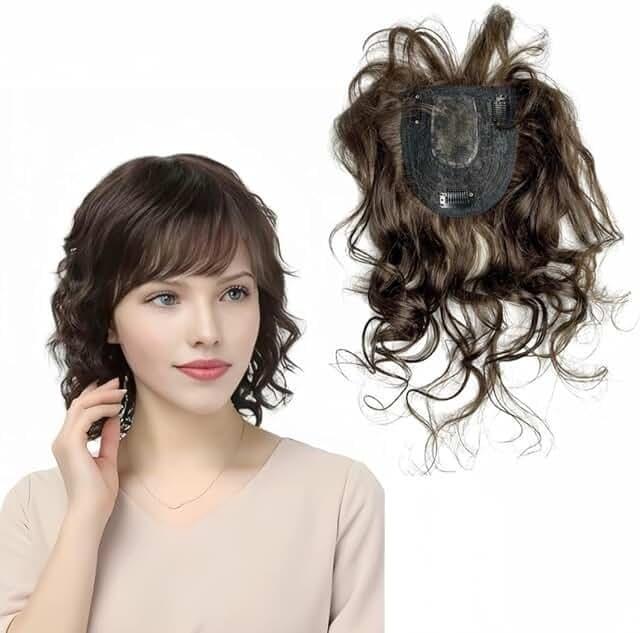
Practical guide to attaching a wig clip confidently
If you've ever wondered "how to use a wig clip" in a way that looks natural and stays secure all day, this in-depth resource will walk you through every step, decision, and pro tip you need. Whether you are new to clip-in wigs, working with lace front units, or refining your routine for daily wear, the techniques below focus on comfort, hold, and a realistic finish. We will explore tools, preparation, attachment methods, blending strategies, maintenance and troubleshooting so you can achieve the most natural-looking results every time.
Keyword focus: the phrase how to use a wig clip appears throughout this article in contextually relevant places to support search engine visibility and user intent without degrading readability.
Why understanding wig clips matters
Wig clips are small, sewn-in fasteners that anchor a wig or topper to your natural hair or a wig cap. Knowing how to use a wig clip effectively prevents slippage, reduces tension on hair, and helps you avoid visible line-of-demarcation issues. Proper clipping strategy also extends the lifespan of your wig and improves comfort during long wear.
What you’ll need before you start
- Wig or topper with sewn-in clips (or individual clip-ins)
- Mirror (a handheld mirror plus a wall mirror is ideal)
- Hair ties, bobby pins, and small elastics
- Comb or brush suitable for your hair type
- Optional: wig cap, hair net, non-slip wig strip, and styling products
Types of wig clips and when to use them
Not all clips are identical. Some common varieties include:
- Snap clips: common, lightweight, easy to sew in.
- Metal alligator clips: more secure, great for fine hair when paired with a wig cap.
- Silicone-lined clips: increase grip without pulling, ideal for sensitive scalps.
Choosing the right style affects how you learn how to use a wig clip in different scenarios: heavy wigs may demand multiple clips across the perimeter, while lightweight toppers need only two or three well-placed clips.
Preparing your natural hair
Preparation is the foundation of secure application. Follow these steps for reliable results:
Step A: Detangle and smooth your natural hair to create an even base. Use a boar-bristle brush for dense hair or a wide-tooth comb for textured hair.
Step B: Decide whether to wear a wig cap. Caps flatten hair, provide friction for clips, and protect hygiene. For short hair or braids, a cap gives a clean surface to clip into.
Step C: Section hair into manageable bands — for example, a front hairline section, two side sections, and a nape section. Secure with low-profile elastics so clips can anchor on small, sturdy hair bundles rather than loose strands.
Step-by-step: How to use a wig clip the right way
Step 1 — Trial placement: Before opening any clips, place the wig or topper on your head and visually map where clips align with your natural anchoring points. Mark these locations mentally or with a removable marker on a wig cap.
Step 2 — Open all clips: Open clips outward so they are ready to snap closed. For snap-style clips, bend them so the teeth face up for easier engagement.
Step 3 — Anchor the front: Lean slightly forward and position the front edge of the wig. Attach the front clips first by sliding the teeth into the small, secured bundles of natural hair or directly beneath the edge of the wig cap. Snap closed to lock. This secures the hairline alignment and prevents front lifting.
Step 4 — Secure sides and back: Move to the side clips, then the back. For each clip, push the base of the clip to meet the hair and snap it closed. Use the same technique consistently to avoid twisting or misalignment. If using silicone-lined clips, ensure the silicon strip contacts hair for extra hold.
Step 5 — Fine-tune tension: After all clips are engaged, gently tug the wig in different directions to test stability. If you feel uneven pull or movement, open the problem clip and reposition to a stronger hair bundle or add a bobby pin for extra reinforcement.
Visual alignment and hairline blending
Proper placement is not only about hold; it’s about appearance. To achieve a realistic look:
- Align the wig edge with your natural hairline, then use small, strategic tucks or a thin lace trim to mimic natural baby hairs.
- Use a lightweight foundation powder or color-correcting product (applied very sparingly) to minimize any contrast at the part or root area.
- For lace front pieces, stretch the lace gently so the clips anchor behind, not on top of, the lace to avoid visible bumps.
Alternative anchoring methods combined with clips
You can combine clips with other retaining solutions for demanding situations like sports or long shifts:
- Wig grips or non-slip bands under the wig help when hair is very fine.
- Adjustable straps sewn into the wig's interior can be tightened after clipping for balanced tension.
- Adhesives or tape (when used correctly and safely) add another layer of security for prolonged wear, but always test for skin sensitivity first.
How to remove a clip-in wig safely
Removal is as important as application. To avoid hair breakage or damage to the clip base, follow these steps:
Step 1: Work from the back to the front so that tension is gradually released.
Step 2: Open each clip gently by lifting the outer edge and sliding it away from the hair bundles before releasing. Do not yank.
Step 3: After removal, unfasten any elastic bands or pins, and shake the wig gently to let strands settle. Store on a stand to retain shape.
Maintenance tips to prolong clip lifespan
With frequent usage, clips can loosen or lose their grip. Maintain them with these actions:
- Check clip stitching monthly; reinforce loose stitches with strong nylon thread.
- Clean clips with a soft brush and mild soap to remove oils that reduce grip.
- Avoid exposing metal clips to moisture for long periods to prevent rust; dry thoroughly if they get wet.
Pro tip: If a clip continually slides, remove it and resew it slightly closer to the wig’s base so teeth bite into a bulkier section of wig material for more purchase.
Styling around clipped wigs
Once clips are secure, style the wig to create a seamless look with your own hair. Use heat tools per the wig fiber's guidelines, and always protect synthetic fibers from excessive heat. Blend your edges by leaving a small amount of natural hair out at the front or sides if needed, and use lightweight gels to lay down baby hairs where necessary.
Troubleshooting common issues
Clip keeps slipping

Possible causes include very fine hair, improperly placed clips, or slick oils on hair or clips. Solutions: reposition to a thicker section of hair, add a wig grip, dry-cleanse the clip area, or resew the clip with an additional backing strip for more surface contact.
Visible clips
If a clip peeks through the wig, try trimming excess weft behind the clip or reposition the hair fibers so they fall naturally over the fastener. When using lace units, ensure clips are set behind the lace edge.
Discomfort or pulling
Spread clips evenly to distribute tension and avoid placing all clips along a single tight point. Replace narrow clips with wider ones that disperse hold across a larger area.
Checklist for daily wear
- Brush and smooth natural hair, then apply a cap if preferred.
- Open all clips and align the wig at the hairline.
- Anchor front, sides, then back—testing as you go.
- Style and blend edges for a natural finish.
- Perform gentle tug test to confirm security.
Safety and scalp health
Using clips correctly preserves scalp health. Avoid overly tight clips or aggressive anchoring that causes scalp soreness. If you notice persistent irritation, consult a trichologist or dermatologist. Rotate clip placements across wears to minimize repeated stress on the same follicles.
For those interested in longevity, metal clips are durable but may require rust prevention; plastic or silicone options are lighter but need periodic replacement.
Advanced techniques and professional tips
For stylists and experienced wearers, consider these refinements:
- Sew micro-wefts near clip bases for additional support in sparse areas.
- Create custom contouring along the nape with layered wefts so clips sit flush.
- Use invisible thread and cross-stitch patterns when resewing clips to distribute stress.
How to integrate clips with different wig units
Clip strategy varies by unit type. For full wigs, place three to five clips depending on circumference and weight. For half wigs or toppers, focus clips on perimeter points that align with denser natural hair to maximize lift and blending. When wearing mono-top or lace-front pieces, position clips to avoid flattening the intended part or scalp illusion.
Choosing the right number of clips
The number you need depends on hair thickness, wig weight, and activity level. General guidelines:
- Lightweight synthetic wig: 3 clips (front, side, back)
- Medium-density wig: 4 clips (two front/side, two back)
- Heavy human-hair wig: 5+ clips plus interior straps
Seasonal considerations
Humidity, sweat, and temperature changes influence grip. In hot climates, add a sweatband or moisture-wicking cap under your wig and recheck clip grip during the day. In cold weather, static charge may cause hair to shift; anti-static sprays applied lightly to the wig's underside can help.
How to teach someone else the technique
When showing a friend how to use a wig clip, demonstrate slowly, let them practice opening and closing clips on their own hair, and observe their placement. Encourage them to practice mirror checks and movement tests—walking, bending, and turning—to build confidence.
SEO and content tips for related pages
If you're creating web content about clip-in wigs, integrate the phrase how to use a wig clip naturally in headings and the first 100 words, include a step-by-step numbered list, add visuals or diagrams (with alt text describing the clip location), and offer troubleshooting tips and FAQs to cover user intent comprehensively.
Frequently asked questions
Q1: Will clips damage my hair?
A1: When applied properly and not overly tight, clips are designed to minimize damage. Rotate placement, avoid clamping to tiny strands, and take breaks between consecutive wears.
Q2: How many clips are enough for active use?
A2: For high-movement activities, 4-6 clips combined with an internal strap or wig grip offers a secure solution, while also distributing tension to reduce single-point strain.
Q3: Can I replace clip types on a wig?
A3: Yes. Clips can be removed and resewn; choose a clip type that matches your hair's texture and the wig's weight. Always use reinforced stitching and test before extended wear.
Final reminder: mastering how to use a wig clip is a practical skill that improves with practice. Start slowly, pay attention to your scalp and hair health, and incrementally adopt advanced techniques as you gain confidence. By combining careful preparation, appropriate clip choice, and proper sewing/positioning methods, you can achieve a secure, natural-looking result that feels comfortable and looks effortless.
Related products
Blog
- Does Steve Stevens Wear a Wig - Fact Check with Photos, Interviews and Expert Hairstyle Analysis
- How to Put Long Hair Up for a Wig - 9 Simple Step by Step Tricks to Secure, Braid and Smooth Natural Hair
- Myth or Fact - does ritchie blackmore wear a wig? Photo evidence, interviews and expert analysis
- Exploring why does dolly parton wear wigs and the surprising history behind her signature look
- ranking the best wig glue picks for long-lasting glue performance and reliable wig hold
- why did men wear white wigs and what it reveals about fashion, power and hygiene across history
- how to put a wig on - step by step guide for beginners with pro tips for a natural, secure fit
- Expert tips and step-by-step advice on how to care for wigs synthetic for longer wear, shine, and style