
have you worn wigs interview guide - expert answers, body language tips and follow up strategies
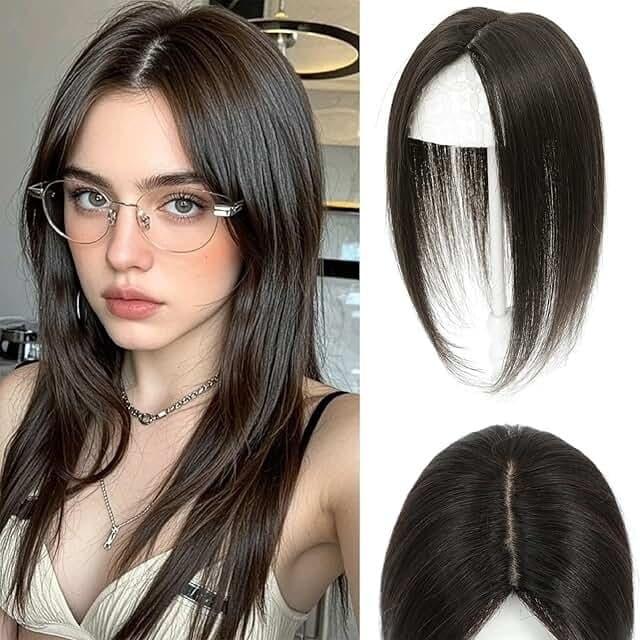
Practical guidance for interview answers about hair choices
Facing questions about appearance in interviews can be unexpected, especially if the interviewer asks about personal styling choices. One common line of questioning that candidates sometimes encounter is phrased around hair—and a specific phrasing you might hear is "have you worn wigs interview" or variations of it. This article is a thorough, SEO-focused resource that helps you prepare clear, tactful responses, confident body language, and follow-up strategies so you control the narrative and keep the conversation professional and equitable.
Why employers might ask appearance-related questions
Before scripting answers it's helpful to understand motivation. Questions like have you worn wigs interview often stem from: legitimate job-related concerns (e.g., uniform or safety rules for roles that require head coverings), curiosity about fit with company culture, or unconscious bias. Knowing the context helps you decide whether to answer directly, reframe, or redirect to qualifications.
Legal and ethical boundaries
Not all appearance questions are appropriate. In many jurisdictions, asking about medical or religious reasons behind wearing a wig may cross legal boundaries. If a direct tie to the role exists—such as safety gear compatibility—it's okay to discuss practicalities. Otherwise, politely steer the conversation back to your skills and experience. When confronted with a prompt like have you worn wigs interview, a concise response that protects your privacy while demonstrating professionalism is often best.
How to structure your reply: concise, confident, and professional
Use a short three-part structure to craft responses that handle the topic and then shift focus to your qualifications: 1) acknowledge or lightly confirm, 2) normalize or frame it positively, and 3) tie back to suitability for the job. Example: "Yes, I have worn wigs when needed; I take professional presentation seriously and it never interfered with my ability to perform X, Y, Z." This structure is useful whether the interviewer asks have you worn wigs interview or about any other personal choice.
Sample answers you can adapt
- Direct & brief: "Yes — on occasion. I’m attentive to appearance standards and always ensure my presentation is workplace-appropriate."
- Reframing: "I sometimes wear wigs for convenience and consistency; my focus is on reliability and delivering results."
- Privacy-protecting: "I prefer to keep some personal matters private, but I can assure you they do not affect my performance."
- Role-specific: "When safety or uniform policy applies, I follow all guidelines and have experience adapting my headwear accordingly."
Body language and vocal tips when answering personal questions
Words are only part of the message. When responding to queries like have you worn wigs interview, your nonverbal cues set the tone. Maintain relaxed but upright posture to signal confidence. Use steady eye contact and a calm, measured voice. Keep gestures open (palms visible) and avoid defensive movements such as crossing arms. If you redirect, do so smoothly: pause, smile lightly, and guide the discussion back to skills.
Tone examples
- Neutral, factual: slow, steady pace, lower volume to sound composed.
- Positive and upbeat: slightly faster pace, warm inflection to emphasize adaptability.
- Boundary-setting: calm, moderate pace, firm but polite closing phrase to change subject.
Micro-practices before the interview
Practice with friends or record short mock answers. Role-play the question “have you worn wigs interview” and rehearse the three-part structure above until it feels natural. Also practice nonverbal elements: a relaxed jaw, a slight nod, and a small smile convey ease and confidence.
How to prepare logistics and presentation
Whether you wear a wig or not, practical preparation matters. For physical comfort and authenticity: choose a style that fits the role and company culture, verify color and cut under different lighting, and test how it feels during movement. If safety gear is required, rehearse putting on and removing protective headwear with any wig you might use. Employers asking about appearance often appreciate candidates who consider both aesthetic and practical factors.
Technical care tips
- Secure fit: use discreet clips or adhesive that is workplace-safe.
- Natural look: select colors and textures that match your natural hairline and skin tone.
- Maintenance: keep the wig clean and styled; a polished appearance reduces distracting adjustments during interviews.
Turning sensitive questions into strengths
If asked have you worn wigs interview in a way that feels probing, use it as an opportunity to highlight adaptability, attention to detail, and professionalism. Example: "I have, and I find that maintaining consistent presentation helps me focus on client-facing responsibilities. That same care extends to my work processes and deadlines."
When to ask clarifying questions
Sometimes the underlying concern is legitimate—fit with a role's visual identity or protective equipment. If unclear, ask a brief clarifying question like, "Are you asking about appearance for company culture or for a role-specific requirement?" This shows critical thinking and keeps you in control.
Follow-up strategies after the interview
Your post-interview communications are an opportunity to restate your professionalism. In your thank-you note or follow-up email, briefly reiterate how you’ll meet any uniform or safety expectations and express enthusiasm about contributing to the team. If the interview featured topics such as have you worn wigs interview, keep follow-up language decisive but concise: confirm logistical details rather than reopening sensitive personal topics.
Example follow-up lines
"Thank you for the conversation. I appreciated discussing role requirements—if there are specific appearance or safety protocols, I'm happy to comply and have experience adapting my presentation to meet such needs." This reinforces accommodation and readiness without oversharing.
Dos and Don'ts — quick checklist
- Do: stay calm, be concise, pivot to qualifications.
- Do: practice nonverbal cues and ensure your presentation is polished.
- Don't: volunteer medical or religious details unless you choose to and it's relevant.
- Don't
 : let an appearance question derail discussion about competence.
Situational scripts for specific interview types
Remote interviews: camera framing matters—test lighting and angle so your look appears consistent. In-person interviews: check fit and ease of movement, especially if you'll wear protective equipment later. Client-facing interviews: match company tone—some industries favor conservative presentation styles while others value expressive individuality. Tailor your brief reply to how formal or creative the setting is, and remember to highlight transferable skills when you answer any variant of have you worn wigs interview.
Hiring manager signals to watch for
If an interviewer seems fixated or biased, calmly return the conversation to role capabilities. If discrimination is suspected, document comments and reach out to HR later if necessary. Being prepared with composed responses and professional follow-up protects you and indicates maturity.
How to handle repeated or invasive questions

If the question recurs or becomes invasive, use a boundary-setting sentence followed by a redirection. Example: "I prefer to keep some personal choices private; may I tell you how my experience with X equips me for this role?" This maintains respect and affirms focus on job fit rather than personal matters.
When to involve HR
If interviews cross into harassment, discriminatory language, or persistent invasive questioning, you can politely end the interview and later file a complaint with the company's HR department. Protect your wellbeing and legal rights while staying measured and factual in any reports.
SEO-focused closing thoughts
For anyone searching advice about interview scenarios that reference head coverings or styling—particularly the phrase have you worn wigs interview—the best practice is a short, polished reply that redirects to your abilities and fit for the role. Maintain confident body language, prepare logistical details ahead of time, and use follow-up messages to reinforce professionalism. These strategies help shape a narrative centered on competence and readiness.
FAQ
- Should I mention why I wear a wig if asked?
- Only if you’re comfortable and if it’s relevant to the role; otherwise give a brief confirmation or a privacy-protecting answer and move the focus to skills.
- How often should I practice nonverbal cues for interviews?
- Regularly—do a few mock interviews per week leading up to important interviews to make gestures and tone feel natural.
- Can an interviewer ask about wigs for safety reasons?
- Yes—if headgear affects safety or uniform compliance, it’s reasonable to discuss practical adaptations; bound the discussion to job-related specifics.
End of guide: prepare thoughtfully, respond with candor when appropriate, and always steer conversations back to what matters most—your ability to deliver results and your fit for the position. By anticipating variations of have you worn wigs interview and practicing the suggested phrasing and body language techniques, you'll enter interviews ready to maintain your privacy, demonstrate professionalism, and leave a memorable impression.
Related products
Blog
- Answering when will you wear wigs with 12 occasions and practical styling tips
- will you wear wigs - 10 surprising reasons to try them, how to choose the best style and expert care tips
- does reba wear a wig and what photos reveal about her changing hairstyles
- what is a wig wag explained - practical guide to signals, history and safety
- does cher wear a wig Find Out the Truth Behind Chers Iconic Hair and Stylist Secrets
- what are lace front wigs and how to choose the best one for natural looking hair, cap types and care
- how do wigs work explained for beginners with cap construction fiber types and easy styling tips
- how to make a wig cosplay step by step guide with pro tips for beginners