
how to get free wigs - 11 legit ways to score samples, charity support and trial offers in 2025
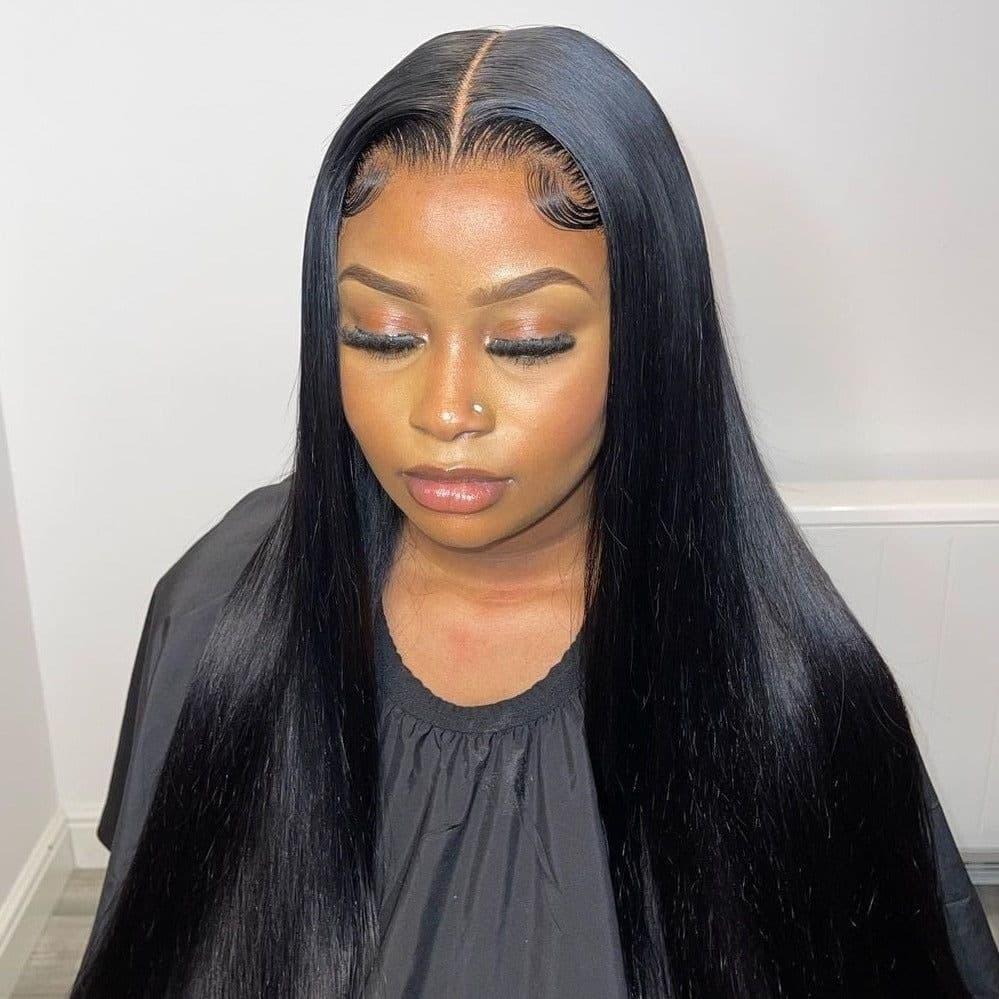
Smart Guides for Getting Free Hairpieces Ethically and Effectively
A practical roadmap on how to get free wigs without wasting time or falling for scams
If you've been searching for ways to obtain hairpieces at no cost, this long-form guide breaks down realistic, ethical and search-optimized approaches to score samples, charity support, manufacturer trial offers and community donations. Throughout this article the phrase how to get free wigs appears in strategic spots to help both search visibility and user clarity. You will find eleven proven channels, tips for crafting persuasive requests, what to expect when applying, and how to avoid common scams.
Why people look for free hairpieces
People pursue free wigs for many reasons: medical hair loss, financial constraints, theatrical needs, or simply to test a new style before a purchase. Understanding the motivation behind the request helps you tailor approaches that are more likely to succeed — charities appreciate medical needs, brands respond to honest feedback opportunities, and sample programs reward alignment with their marketing goals.
Quick overview — 11 legitimate ways
- Brand sample programs and product testing panels
- Manufacturer sample requests and trade shows
- Charity and medical assistance programs
- Local hair salons and wig banks
- Clinical trials or oncology support initiatives
- Social media giveaways and influencer collaborations
- Return/exchange or demo inventory from retailers
- Volunteer programs and community swaps
- Student projects and costume departments
- Wholesale closeouts or overstock promotions
- Referral rewards, loyalty credits and coupon stacking
Detailed methods and actionable scripts
1. Brand sample programs and product testers
Many wig manufacturers recruit testers to gather feedback on new lines, colors and cap constructions. Brands look for honest reviews, photos and fit reports. To apply, look for “product tester”, “sample program” or “become a tester” pages on brand sites, or subscribe to newsletters. When contacting a brand, include a short pitch: who you are, your hair loss background if relevant, your social followings (if applicable), and a promise to deliver photos and detailed feedback. Example pitch: “I would love to test this unit and provide a thorough review with fit notes, styling photos, and feedback on cap comfort.”
2. Manufacturer samples and trade-show networking
Manufacturers often give away or heavily discount display units after trade shows. Attend local beauty expos or contact manufacturers directly after trade seasons. Networking with sales reps and asking for clearance demos can yield well-maintained units for free or minimal shipping fees.
3. Charities, medical grants and wig banks
For those with medical hair loss, many nonprofits operate wig donation programs or grants. Groups supporting cancer patients, alopecia, and veterans sometimes supply complimentary wigs. To access these services, gather documentation (a simple doctor’s note often suffices) and search national and local databases for wig banks and charity partners. Examples: local hospital social services, national cancer support organizations, and community-based wig shelves.
4. Salon relationships and local wig banks
Local salons occasionally have demo pieces or donated wigs to give away. Establishing a relationship with a stylist or asking community boards about “wig closets” can open opportunities for free or low-cost pieces. Salons appreciate clients who offer to take demo units off their hands so they can refresh displays.
5. Oncology and clinical trial assistance programs
Hospitals and clinics sometimes have programs that assist patients undergoing chemotherapy with wigs, hats or head coverings. Check hospital social work or oncology departments. Some clinical trials also include supportive services that may cover wig costs as part of patient care initiatives.
6. Social media giveaways and influencer partnerships
Follow brands, stylists and wig educators on social platforms. Many run periodic giveaways for product launches. For creators, offering to model or review a wig in exchange for the product is a normal barter. When proposing collaborations, highlight your audience, posting frequency, and the type of content you’ll create (tutorials, before-and-after photos, fit guides).
7. Retail demo returns and display inventory
Retail shops replacing display units often offer them to staff or local customers. Ask boutique stores or large chain wig counters if they ever need to clear out demo units — you may pick one up after signing a small liability release, or receive it free with a small donation encouraged to the shop’s charity.
8. Community swaps, online classifieds and “pay what you can” groups
Online community platforms and local “buy nothing” groups frequently list wigs and extensions for free or trade. Monitor relevant subreddits, Facebook groups, Nextdoor posts, and community marketplaces. Being polite, prompt and offering a small token of appreciation increases your chances of a positive exchange.
9. Student productions and theater departments
Drama departments and costume shops often retire pieces after a season. Student theater programs may be glad to donate or loan wigs. Reach out to university theater techs and local community theater costume coordinators with a polite pitch and explanation of your need.
10. Wholesale clearance, liquidation and sample sales

Occasionally vendors liquidate overstock or sample pieces. While not strictly “free,” sometimes shipping is cheaper than the wig’s value or boutiques offer free units to cover storage costs. Monitor liquidation marketplaces and subscribe to industry newsletters to catch these events early.

11. Referral programs, loyalty credits and stacking offers
Use loyalty points, coupons and referral bonuses to offset costs. Some sites allow points redemption for accessories or even full units. Combine stacking discounts during a promotional window to maximize savings and occasionally obtain a zero-cost purchase when credits cover the order.
How to write an effective request or application
When you reach out to brands, charities or salons, clarity and kindness go a long way. Keep messages brief, include a reason for your request, and offer deliverables (photos, honest reviews, promotional posts) if you can. Attach relevant documentation for charitable requests. Tailor each message rather than copying a generic template — personalization signals sincerity and improves response rates.
Sample message template
Hi [Name],
I’m reaching out because I’m exploring options to replace my current hair system. I recently learned about your company and would love to try a sample unit to evaluate fit, comfort and color accuracy. I can provide detailed photos and a written fit review. Please let me know if any sample programs or demo units are available. Thank you for your time.
Tips to increase success rate
- Be polite and concise; long essays are often ignored.
- Provide proof of need for charity requests, but keep private details minimal.
- Offer value: testers who promise clear feedback are preferred.
- Follow up respectfully — one reminder after two weeks is acceptable.
- Maintain a separate professional email for product requests to keep communications organized.
Safety, scams and red flags
While pursuing free options, beware of requests that seem too good to be true. Red flags include sellers asking for large up-front “processing fees”, requests for sensitive information (bank details, social security numbers), or links to unsecure payment pages. Legitimate charities and brands will never ask for private financial credentials in exchange for a free wig. Verify organizations by checking registered charity directories or recognized brand contact pages.
What to expect when you receive a free unit
Free units may be samples, slightly imperfect, or demo pieces. Expect potential minor defects, limited size options, or discontinued colors. If you need a perfect match, a free sample is a great way to test color and cap type before investing in a custom piece. Remember to ask about return or exchange policies even for free items — many providers will request photos upon receipt and may ask you to confirm safe delivery.
Styling and care tips for donated wigs
Even donated or sample pieces perform better with proper care: use salon-grade wig shampoos, detangle gently with wide-tooth combs, store on a wig stand or satin bag, and avoid high heat on synthetic fibers unless labeled as heat-friendly. Human hair samples behave like regular hair but still benefit from hydrating masks and occasional trims.
SEO-smart practices to find opportunities
Use varied queries and monitor search results: search for “wig sample program”, “free wig charity”, “product tester wigs”, and “wig donation near me”. Subscribe to brand newsletters, set alerts for promotional announcements, and follow industry influencers who often share exclusive promo codes and giveaways — these channels are fertile for discovering new free or near-free opportunities related to how to get free wigs.
Recordkeeping and follow-through
Track your applications, contacts, and outcomes using a simple spreadsheet. Note the date of outreach, contact name, promised deliverables, and follow-up deadlines. Good recordkeeping increases your professionalism, which in turn makes you a desirable tester or recipient for future opportunities.
Common myths debunked
- Myth: All free wigs are low quality. Reality: Many demo pieces are high-quality samples retired after shows or photoshoots.
- Myth: Only medical patients can get help. Reality: While many charities prioritize medical needs, there are community and promotional programs available to a wider audience.
- Myth: You must be an influencer to receive samples. Reality: Brands seek diverse testers; consistent, detailed feedback matters more than follower count.
Practical checklist before applying
- Identify the type of program: charity, sample tester, or demo request.
- Prepare a short pitch and relevant documentation.
- Offer value: what you’ll provide in return.
- Keep contact info and records for follow-up.
- Flag suspicious requests and verify organizations.
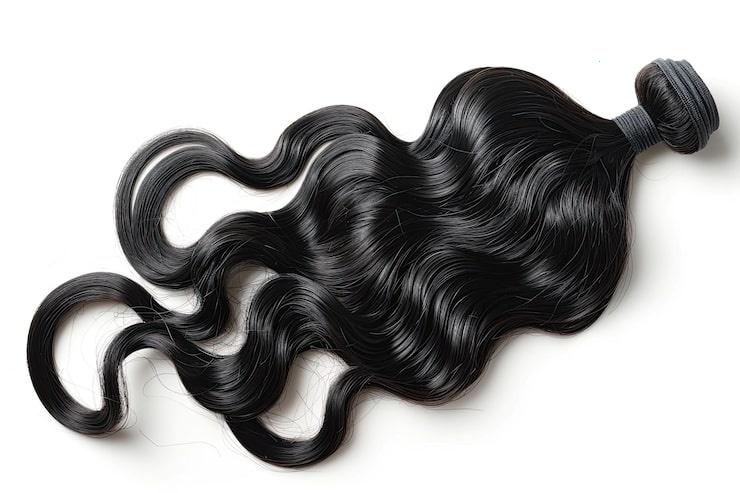
Local resources and search terms to try
Search local terms like “wig donation [city name]”, “free wig program near me”, “wig bank [state]”, and “oncology wig assistance”. Contact hospital social work, local rotary clubs, and community centers — these organizations often have updated lists or can direct you to resources.
Final recommendations
Approach each channel thoughtfully: match your tone to the recipient (professional for brands, compassionate for charities), offer clear feedback when asked, and always validate the legitimacy of any program offering a free unit. Keep trying multiple methods in parallel — a combined approach (brand tester + community swap + charity inquiry) increases your odds of success.
FAQ
Q: Can I get a free wig if I don’t have a medical condition?
A: Yes. While many charities prioritize medical cases, sample programs, giveaways, and community swaps often serve a broader audience. Tailor your outreach to the program’s focus and be honest about your needs.
Q: Are sample wigs sanitary?
A: Most reputable providers clean and sanitize demo units before distribution. Ask about the sanitization process if hygiene is a concern and, if needed, plan to deep-clean or reline caps upon receipt.
Q: How long does it typically take to hear back from brands or charities?
A: Response times vary: product tester programs may reply within 1–4 weeks; charities and wig banks often take longer depending on funding cycles and documentation needs. Follow up politely after two weeks if you haven’t heard back.
If you want more targeted scripts or regional charity listings, mention your location and situation and this guide can be adapted into a personalized outreach plan that increases your odds of success in obtaining a free wig.
Related products
Blog
- How do you put on a wig step by step with pro tips for a natural, secure fit
- How to Put Long Hair Up for a Wig - 9 Simple Step by Step Tricks to Secure, Braid and Smooth Natural Hair
- what are the most natural looking wigs stylists swear by for seamless undetectable wear
- Find the Best human hair wig near me — Local Shops, Prices, Styling and Care Tips
- does joe kernan wear a wig A closer look at photos interviews and expert analysis
- Curious about what is monofilament wigs and how they create a natural hairline A practical guide to benefits types care and styling
- Orange Wig Styling Guide 2025 - How to Choose and Care for the Perfect orange wig on Any Budget
- how to brush a wig with curls safely and easily pro tips for detangling and maintaining bounce