
Orange Wig Styling Guide 2025 - How to Choose and Care for the Perfect orange wig on Any Budget
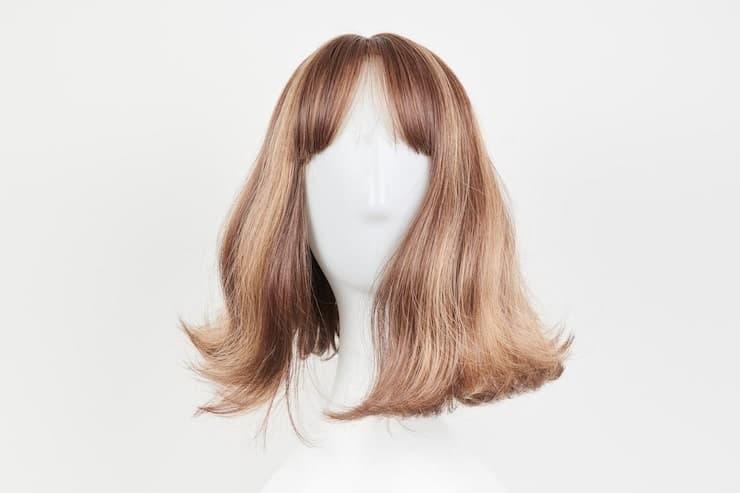
Vibrant Orange Hair: A Practical 2025 Styling and Care Resource
If you've been drawn to the bold appeal of an orange wig, you're not alone. A vivid orange style can refresh your look, serve as a statement piece, or complete a creative wardrobe. This comprehensive guide explores how to choose the right shade and cap, style and maintain colorfastness, and find options across any budget without repeating a prepackaged headline. Whether you're a first-time buyer or a seasoned wig enthusiast, the following expert-backed insights and actionable tips will help you enjoy a comfortable, long-lasting orange transformation.
Why Choose Orange? Understanding the Appeal
Orange tones range from subtle copper to electric tangerine. People choose an orange wig for many reasons: to express individuality, to complement warm skin undertones, or to follow fashion trends. The right orange can brighten the face and add instant personality. Before you commit, think about maintenance, pairing with makeup and outfit choices, and how often you'll wear the piece.
Shades and Undertones
Orange isn't a single color: it includes warm copper, pumpkin, coral-infused orange, amber, and neon citrus. Select a shade that harmonizes with your complexion: warm undertones pair beautifully with golden or copper shades, while cooler complexions can wear muted or coral-tinged oranges. Use digital try-on tools or swatch guides when shopping online to reduce the risk of color disappointment.
Personality and Context
An orange wig can be playful, edgy, or elegant depending on cut and finish. For everyday wear, consider soft waves in a muted orange. For costumes or editorial shoots, go for neon or ombre variations. Think about where you'll wear the wig—workplaces with conservative dress codes may prefer subtler hues or partial highlights rather than full-on neon.
Cap Construction and Fit: Comfort Meets Style
Cap type affects comfort, styling versatility, and price. Common constructions include basic wefted caps, monofilament tops, lace front, and full lace. Lace front and monofilament tops create the most realistic parting and hairline. If you plan to style away from the face or create deep side parts, prioritize lace front or full lace for seamless results. Basic wefted caps are budget-friendly and breathable but limit styling options to some degree.
Choosing Size and Secure Fit
Measure your head circumference and consult size charts. Adjustable straps and silicone-lined ear tabs enhance stability. For active lifestyles, choose wig grips or clips stitched into the cap for extra security.
Materials: Synthetic vs. Human Hair
Orange wig fibers fall into two main camps: synthetic and human hair. Each has pros and cons tied to styling, longevity, and cost.
- Synthetic: Advanced heat-friendly synthetics mimic natural fiber behavior without the price tag. They hold styles well and come pre-styled, reducing daily effort. However, heat tolerance varies—always check the manufacturer's temperature guidelines before using hot tools.
- Human hair: Offers the most natural movement, can be heat-styled like natural hair, and can be re-dyed or toned by professionals. Human hair wigs require more maintenance and often come at a higher price point.
Blends
Blended wigs combine synthetic fibers with human strands for a compromise: improved styling control, reduced cost, and better durability than pure synthetic options. Blends are a good middle-ground for those who want realistic texture without the highest maintenance.
Styling Techniques and Ideas
Styling an orange wig effectively requires knowing the right tools and methods. Use low-residue products to avoid buildup and choose accessories that complement the color palette.
Heat Styling
If your wig is heat-capable, use a thermal protector, and work at recommended temperatures. Start low—150-180°C for many heat-friendly synthetics and 160-200°C for human hair. Use flat irons to create sleek looks or curling wands for waves; always test on a small section first.
Texturizing and Finishing
For lived-in texture, apply a lightweight salt spray or texturizing foam sparingly. Avoid heavy serums that can weigh down synthetic fibers. For shine on human hair wigs, use a small amount of lightweight oil on mid-lengths and ends.
Cutting and Customization
Professional cutting helps an orange wig read as natural. Ask a stylist experienced with wigs to thin bulk, create layers, or add face-framing pieces. For DIY adjustments, use hair-cutting scissors and careful point-cutting techniques to avoid blunt lines.
Maintenance: Washing, Conditioning, and Storage
Proper care extends the life of any wig. Follow manufacturer instructions for washing frequency—synthetics require less frequent washing than human hair but both benefit from gentle, scheduled care.
Washing Routine
- Detangle gently before washing using a wide-tooth comb or brush designed for wigs.
- Use lukewarm water and a sulfate-free, wig-safe shampoo for human hair or a product specifically for synthetics.
- Rinse thoroughly and follow with a conditioner formulated for wigs; leave-in conditioners are helpful on human hair units.
Drying
Pat dry with a towel—never wring. Place the wig on a wig stand to air dry. Avoid direct sunlight to prevent premature color fade, especially with orange wig shades that can be more light-sensitive.
Storage
Store on a foam head, wig stand, or in a breathable bag. For long-term storage, keep in a cool, dark place to preserve color and fiber integrity.
Protecting Color: Tips to Keep Orange Bright
Orange tones can fade faster than darker shades. Use UV-protectant sprays specifically designed for wigs, avoid excessive sun exposure, and minimize frequent washing to maintain vibrancy. For human hair wigs, semi-permanent color refreshers, color-depositing conditioners, or professional toner sessions can revitalize shade without full re-dyeing.
Dealing with Fading
If your synthetic orange wig loses intensity, consider dip-dyeing techniques or layering with colored extensions rather than aggressive chemical processes that can damage fibers. For human hair, consult a colorist for toning or color-deposit treatments.
Budget-Friendly Options and Shopping Tips
There's an orange solution for every budget. Here's how to shop smart.
Under $50
Entry-level synthetics are immediately wearable and great for costumes or brief use. Expect less realistic hairlines and limited heat resistance. Look for reputable sellers with clear fiber specs and return policies.
$50–$200
This mid-range often includes better heat-friendly synthetics and some blended wigs with more realistic texture and cap features. You can find lace front options and improved density in this bracket.
$200 and Above
High-end synthetics and human hair wigs dominate this tier. Expect superior lace construction, custom fittings, and longer lifespan. For investment pieces, check for returnable custom coloring services and reputable craftsmanship reviews.
Online Shopping Checklist
- Check product photos under natural light and multiple angles.
- Read reviews for cap comfort, density, and color accuracy.
- Confirm heat tolerance, return policies, and shipping timelines.
Common Styling Mistakes and How to Avoid Them
Avoid these pitfalls to maintain a flattering orange look: overusing heavy products that flatten fiber movement, applying excessive heat to non-heat-friendly synthetics, or skipping professional customization that makes a wig appear unnatural. A little tailoring goes a long way toward a believable finish.
Makeup and Wardrobe Coordination
With an orange wig, balance is key. Warm-toned makeup with neutral eyes and a soft blush often pairs well. For outfits, neutrals, denim, and earth tones create flattering contrasts; jewel tones require careful pairing to avoid color clash.
Styling Inspiration and Seasonal Ideas

Orange is versatile across seasons: autumn-ready copper waves, summer tangerine bob with beach waves, or festival-ready neon styles with glitter roots. Accessorize with headbands, barrettes, and scarves to change the mood quickly without altering the wig permanently.
Event-Based Suggestions
- Everyday: Soft, shoulder-length orange bob with subtle layering.
- Formal: Sleek human hair orange style with low chignon and face-framing tendrils.
- Costume/Festival: Ombre orange to pink synthetic wig with glitter roots and braids.
Professional Services vs. DIY
For high-value orange wigs, professional cutting, tinting, and styling preserve longevity and realism. DIY is suitable for lower-cost pieces or simple trims. Always seek technicians experienced with wigs—especially for lace and human hair—because improper techniques can be irreversible.
When to Visit a Pro
If you want a bespoke fit, custom hairline work, or color correction on human hair wigs, consult a pro. For delicate lace re-laying, advanced cutting, or complex styling for events, professional care pays dividends.
Accessories That Elevate
Wig-safe adhesives, foam-lined clips, premium wig stands, and silk scarves protect fibers and reduce friction. Choose breathable, lightweight caps for daily use to minimize scalp irritation.
- Desired shade and undertone
- Cap size and construction
- Material: synthetic, human, or blend
- Heat tolerance and styling needs
- Budget and warranty/return policy
Expert tip: Photograph your head under natural light with similar clothing you plan to wear to visualize how orange tones will interact with your skin and wardrobe.
Environmental and Ethical Considerations
Human hair sourcing has ethical implications: look for suppliers who provide transparency about sourcing and fair labor practices. Synthetic options have a lower ethical footprint in sourcing but may be less biodegradable; recycling or donating gently used wigs helps extend life cycles.
Summary: Achieving a Confident Orange Look
An orange wig offers a transformative aesthetic when chosen and maintained thoughtfully. Consider shade, cap construction, material, and realistic styling needs. Invest in proper care and tailored adjustments to ensure longevity. With the right planning, orange becomes more than a color—it becomes an enduring, expressive element of your style.
If you enjoyed this resource, bookmark for future reference and pair it with product lists and local stylist recommendations tailored to your region.
FAQ
Q: Can I heat-style a synthetic orange wig? A: Only if the product specifies heat resistance. Use the lowest practical temperature and perform a strand test.
Q: How often should I wash my orange wig? A: Wash synthetic pieces every 10-15 wears and human hair wigs every 8-12 wears, adjusting for product buildup and perspiration.
Q: Will bright orange fade quickly? A: Brighter tones are more prone to fading; limit sun exposure, use UV protectants, and reduce frequent washing to preserve color.
Related products
Blog
- Explained what happened to paula young wigs and where shoppers can buy quality alternatives
- what does glueless wig mean and why wearers prefer them for a natural look easy styling and secure fit
- can i straighten a wig safely without damage - step by step heat styling guide
- How to Choose the Best Wig Human Hair for a Natural Look and Long Lasting Wear
- Do You Wear Wigs Meme Unpacked - Origins, Funny Variations and How It Spread Across Platforms
- How Much Lace to Cut Off Wig - Exact Measurements, Safe Cutting Tips and Styling Tricks
- Rumor Busting — does shakira wear a wig and what her stylists reveal
- does cher wear a wig Find Out the Truth Behind Chers Iconic Hair and Stylist Secrets