
Curious about what is monofilament wigs and how they create a natural hairline A practical guide to benefits types care and styling
Understanding what is monofilament wigs: a practical, user-friendly guide
If you have ever wondered what is monofilament wigs and why so many people praise their natural look, you're in the right place. This comprehensive guide explores what monofilament wigs are, how they are made, what makes them feel and look natural, the different styles and constructions available, how to choose the right one for your lifestyle, and practical care and styling tips to keep your investment looking great for years. Throughout this article you'll find clear explanations, professional tips and SEO-friendly emphasis on the core phrase what is monofilament wigs so you can quickly learn the essentials and make confident decisions when shopping or caring for a wig.
A concise definition: what is a monofilament wig?
At its heart, the question what is monofilament wigs refers to a wig construction method where a fine, breathable mesh base — the monofilament — is used at certain sections of the wig cap to simulate natural scalp and individual hair growth. On a monofilament panel, each hair strand is meticulously hand-tied to the mesh so that it can move freely and lie in any direction. This creates the appearance that hair is growing directly from the scalp, giving a realistic part, natural movement and soft, lifelike volume.
Key components explained
- Monofilament material: a thin, mesh-like fabric (often nylon or similar synthetic threads) which is soft and breathable and allows light to pass through slightly, mimicking scalp tones.
- Hand-tied strands: each strand of hair is knotted individually into the mesh, allowing flexibility in styling and a realistic density at part lines.
- Cap foundation: the rest of the wig cap can be made from lace, wefted materials, or stretchable fabrics, depending on the style and price point.
Why the monofilament method matters: benefits and real-world advantages
When you search for what is monofilament wigs you're likely looking for reasons to choose one over other bases. The advantages include:
- A realistic part and scalp: Monofilament tops create a believable scalp appearance because light can pass through the mesh and the knots are small and inconspicuous.
- Comfort and breathability: The fine mesh is softer against the scalp and allows airflow, which is especially helpful for people with sensitive scalps or those wearing wigs for extended periods.
- Versatile styling: Because hairs are hand-tied and can move independently, you can part your hair in different directions and enjoy more natural movement.
- Durability in the right conditions: High-quality monofilament wigs, if cared for properly, can maintain their shape and realistic look for a long time.
- Low maintenance of hairline visibility: Unlike some machine-sewn caps, monofilament panels reduce the visibility of stitching or wefting at the top of the head.
Comparisons: monofilament vs lace front vs full lace vs traditional wefted caps
To answer the broader context of what is monofilament wigs, it's helpful to compare it to other common construction types:
- Lace front: lace front wigs use lace only at the front hairline to provide a seamless, natural-looking hairline. A lace front can be combined with a monofilament top for both a realistic hairline and a natural-looking part.
- Full lace: full lace wigs have a lace cap across the entire trunk, enabling more versatile up-dos and parting anywhere. Monofilament tops are generally less delicate than full lace because the mesh is sturdier in targeted panels.
- Wefted caps: machine-sewn wefts are durable and breathable, offering an economical option but usually less realistic parting and scalp appearance than monofilament sections.
Hybrid constructions: the best of multiple worlds
Many modern wigs combine monofilament panels with lace front hairlines or stretchable cap bases. This hybrid approach ensures natural parting where it matters and comfort and durability elsewhere. Understanding these combinations helps when you're weighing what is monofilament wigs in the context of cap construction and personal needs.
Types of monofilament wigs: full top, partial, and multi-directional
The industry uses several terms to describe how monofilament panels are placed:
- Full monofilament top: the entire crown area is monofilament, allowing multi-directional parting and highly realistic scalp simulation.
- Partial monofilament: just the part line or a small crown area uses monofilament; this keeps costs lower while improving naturalness where it shows most.
- Multi-directional monofilament: hair is tied so it lays naturally in multiple directions — excellent for layered styles and textured looks.
Materials used in monofilament wigs
When questioning what is monofilament wigs, material choice matters. Monofilament mesh itself usually uses synthetic microfibers like nylon or polyester blends engineered for strength and thinness. The hair strands attached may be either:
- Human hair: offers the most natural movement, can be heat-styled and colored, and is highest in cost and maintenance.
- Synthetic fiber: modern heat-friendly synthetics offer great value, low maintenance and hold style well but have limitations with heat and long-term restyling.
- Blended hair: combines real and synthetic fibers to balance cost and styling flexibility.
How appearance and feel change by material
Human hair on a monofilament base often provides unparalleled realism, particularly when hand-tied to match hair growth patterns. Synthetic hair on monofilament can still look excellent, especially when the fibers are high-end and color-matched correctly.
How to choose the right monofilament wig for you
Choosing among options begins with these questions and practical filters:
- Intent and frequency: Will you wear the wig daily or occasionally? Daily wear justifies a higher-quality monofilament cap for comfort and durability.
- Budget: Full monofilament tops and human hair are premium features. Partial monofilament with synthetic hair is a cost-effective compromise.
- Styling needs: If you like to change parts, opt for a full or multi-directional monofilament top.
- Scalp sensitivity: If you have medical hair loss or a sensitive scalp, monofilament's softness and breathability often provide greater comfort.
Cap size, fit and custom options
Fit is as important as material. A properly sized cap reduces friction, prevents slippage and increases comfort. Many manufacturers offer petite, average and large sizes; custom-fitting or adjustable straps improve support. When evaluating what is monofilament wigs, remember that a well-fitted monofilament cap enhances the realistic look because the mesh lays flat against the scalp and the partline sits correctly.
Styling monofilament wigs: techniques for a natural hairline and part
One of the central reasons people ask what is monofilament wigs is to learn how these wigs create a natural-looking hairline and part. Here are practical styling tips:
- Customize the part:
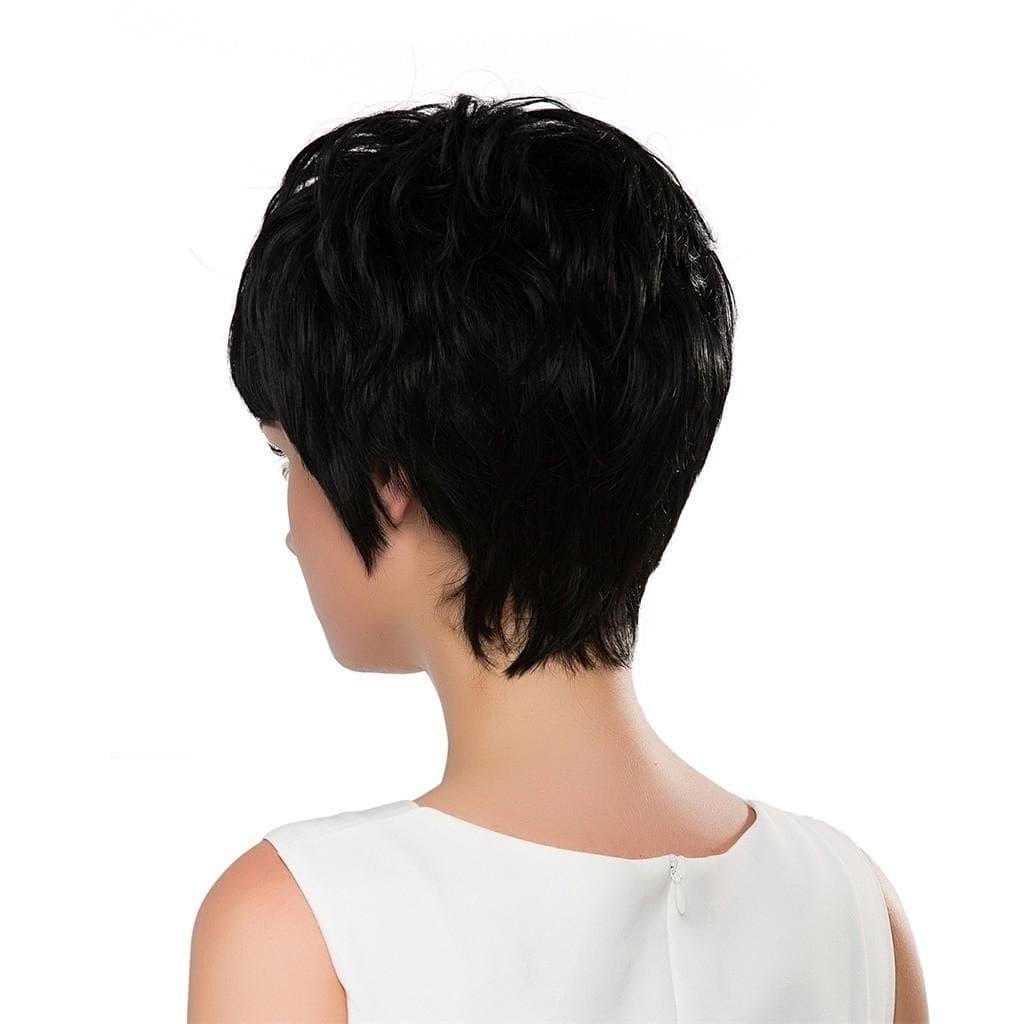 use a tail comb and gentle sprays to define the part. Because the hairs are hand-tied, you can adjust the direction without exposing wefts.
 - Thinning and layering: with human hair monofilament wigs, a stylist can thin dense areas and add layers to create natural movement.
- Blending at the hairline: slightly feather or trim the front hairs to mimic baby hairs; this softens the hairline and prevents a straight, abrupt edge.
- Heat and styling products: for human hair wigs, use heat tools as you would on natural hair, but apply heat protectant and avoid excessive temperature. For heat-friendly synthetics, follow manufacturer temperature limits.
Maintenance and care for longevity
Understanding proper care answers another key part of what is monofilament wigs. Regular maintenance preserves the mesh and keeps the knots tight. Here are recommended practices:
- Washing schedule: wash wigs less frequently than natural hair — typically every 8–12 wears, or when product build-up is evident.
- Gentle products: use sulfate-free, wig-specific shampoos and conditioners. For human hair wigs, treat them like salon-quality hair; for synthetic, use products formulated for synthetic fibers.
- Drying: blot gently with a soft towel and place the wig on a wig stand to air-dry. Avoid wringing or aggressive rubs which can weaken the monofilament knots.
- Storage: store on a stand or mannequin head to maintain shape and avoid crushing the monofilament panel.
- Regular inspections: check the monofilament for loose knots or fraying. If you notice damage, consult a professional wig repair service; small repairs can often extend the life of the wig.
Common misconceptions about monofilament wigs
There are a few myths that often surface with the question what is monofilament wigs:
- Myth: Monofilament is delicate and tears easily. While some monofilament meshes are very fine, quality manufacturers use reinforced stitching and durable thread to make them long-lasting if cared for properly.
- Myth: Only celebrities can tell the difference. In reality, casual observers often notice an unnatural part or visible wefts before recognizing a full unit — monofilament significantly reduces these giveaways.
- Myth: You can't wear monofilament with an active lifestyle. Many monofilament caps are breathable and secure; using an appropriate cap fitting and optional wig grip or tape can make them suitable for moderately active use.
Cost considerations
Because of the hand-tied process and materials involved, monofilament wigs often cost more than machine wefted caps. Prices vary based on hair type (synthetic vs human), the area of monofilament coverage, brand reputation and customization. When evaluating cost, consider longevity, comfort and naturalness — often a higher upfront cost yields better long-term value.
Buying tips: what to look for in person and online
When shopping, take these steps to ensure you get the right monofilament wig for your needs:
- Ask about construction: confirm where the monofilament panels are located and whether they are single or double-layered.
- Check return policies: ensure there is a reasonable return window if you purchase online — fit and color can look different in person.
- Request photos and videos: ask sellers for close-ups of the part area and a video showing the cap moving; this reveals the realism of the monofilament top.
- Seek professional fitting: if possible, visit a wig salon for a fitting and expert advice about styling and maintenance.
Repair, alteration and customization
A significant advantage of monofilament wigs is that they can often be repaired or altered by experienced wig technicians. Common services include restyling, replacing a monofilament panel, re-knotting sections and adding lace front edges. If you plan to customize color or cut, choose a reputable stylist familiar with monofilament construction.
Who benefits most from monofilament wigs?
Monofilament wigs are particularly beneficial for the following groups:
- People experiencing medical hair loss who need a realistic scalp appearance and comfort.
- Anyone seeking a natural partline and the ability to change part direction.
- Frequent wig wearers who value comfort and a softer cap against the scalp.
Professional use cases: theater, film and fashion
Monofilament wigs are widely used in professional settings because they photograph exceptionally well and offer a consistent, realistic look under stage lighting and cameras. Stylists and costume designers often rely on monofilament panels to ensure a believable character appearance while allowing repeated styling without exposing cap construction.
Environmental and allergy considerations
Monofilament materials are usually synthetic and durable; however, if you have allergies to specific materials, consult the manufacturer or retailer about the mesh composition. The breathable nature of monofilament can reduce sweat buildup, making it more comfortable for sensitive scalps.
Travel and daily wear tips
If you plan to wear a monofilament wig while traveling or for long daily use, consider these practical tips:
- Pack in a structured box or case to maintain shape.
- Bring a small styling kit for quick touch-ups: lightweight hairspray, a wide-tooth comb and a silk scarf to protect the hair at night.
- Use a wig cap to reduce friction and protect the monofilament panel from oils and product build-up.
Real-user perspectives and expectations
Users often describe the first experience with a quality monofilament top as a revelation: the ability to part hair naturally and wear the cap without noticing discomfort. Managing expectations is important — monofilament significantly improves realism, but correct fit, color matching and styling all influence the overall effect.
Common questions people ask when learning what is monofilament wigs
Some frequent concerns include whether monofilament will show under certain lighting, whether it is suitable for active lifestyles, and how to tell quality in a product image. Professional retailers typically provide detailed close-ups and transparently describe materials and construction to answer these questions.
Final checklist: shopping and caring for your monofilament wig
Use this quick checklist to guide purchases and maintenance related to what is monofilament wigs:
- Decide on human hair vs synthetic based on styling needs and budget.
- Choose full, partial or multi-directional monofilament depending on how much parting flexibility you need.
- Confirm cap size and available adjustments or customizations for fit.
- Inspect return policies and warranty for repairs.
- Follow a gentle washing and storage routine to extend life.
Quick glossary
- Monofilament
- A mesh fabric used as a base for hand-tying individual hairs.
- Weft
- Machine-sewn strips of hair used for bulk and volume.
- Lace front
- Sheer lace at the front hairline for a seamless edge.
Recommendations for first-time buyers
Start by trying a partial monofilament top if you are budget-conscious and want to test the difference. If you value maximum styling freedom and top-tier realism, invest in a full monofilament top with human hair, and work with a stylist for color matching and shaping.
Resources and further reading
Look for trusted wig brands, professional salons, and community reviews focused on longevity and real-world wear. Close-up photos of partlines, videos showing cap movement, and explicit construction descriptions help you quickly judge quality.
If you'd like, consult professional wig fitters or medical wig specialists who can provide tailored advice about materials, adhesives, and scalp-friendly options.
Conclusion
Answering the question what is monofilament wigs reveals a construction approach that prioritizes realism, comfort and styling flexibility. With proper selection, care and occasional professional maintenance, a monofilament wig can be one of the most natural and satisfying options on the market.
FAQ
Q1: Does a monofilament wig look natural in bright sunlight?
A1: Yes, high-quality monofilament tops are designed to let light through in a way that mimics natural scalp tones, but correct color matching and camera lighting always help; consider wearing a thin wig cap if you are concerned about contrast under very bright light.
Q2: Can I style a synthetic monofilament wig with heat?
A2: Only if the synthetic fiber is labeled heat-friendly. Always check manufacturer temperature limits and test on a small section first.
Q3: How do I know if the monofilament is wearing out?
A3: Look for fraying, loose knots, or visible holes in the mesh. Early detection allows for repairs before larger damage occurs.
Related products
Blog
- do wigs damage your hair Discover 7 expert answers, prevention tips and best care routines
- why does nicole kidman's hair look like a wig Debunked by Stylists and Insider Red Carpet Secrets
- why did british wear wigs Exploring surprising origins reasons and social status from court fashion to hygiene
- how to cut a wig like a pro step by step guide with easy trimming tips for beginners
- where can i donate used wigs for cancer patients updated guide to 12 trusted charities nearby programs and easy donation steps
- how to clean synthetic wig - Easy Step by Step Guide to Remove Dirt Tangles and Restore Shine
- how to put a ponytail in a wig easy step by step tutorial for beginners achieving a secure natural look
- Expert review and buying tips on what lace wigs by sensationnel offer for style and durability