
What Are the Different Types of Wig Caps and How to Choose the Best One for Comfort Style and Durability
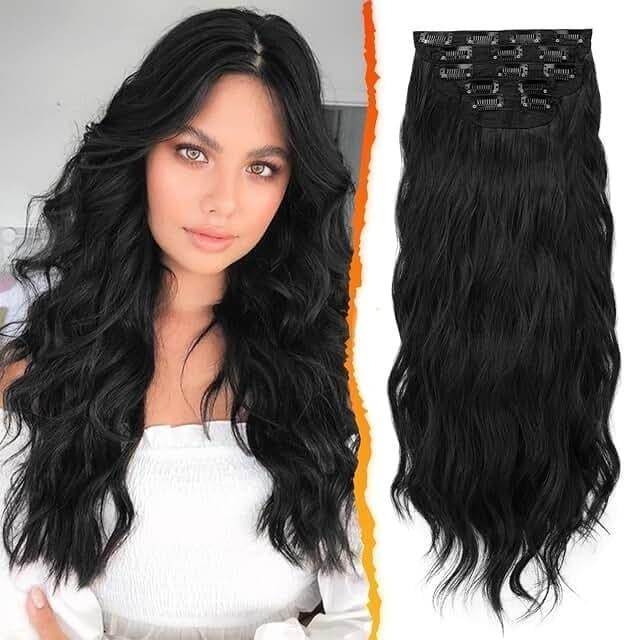
Wig Cap Guide: Choosing Comfort, Style and Durability
When people search to learn what are the different types of wig caps they often want a practical roadmap rather than a dry list. This comprehensive guide breaks down cap styles, compares pros and cons, and offers actionable advice so you can decide which construction suits your lifestyle, budget and hair goals. Throughout the article you'll find clear comparisons, styling tips, and maintenance notes designed for wig beginners and experienced wearers alike.
Quick overview: why cap type matters
Cap construction controls ventilation, realism, fit and durability. Different caps provide different balances between natural look (especially at the hairline and part), breathability for comfort, and cost. If your priority is realism for daily wear you might value lace or monofilament constructions. If longevity and low price are key, machine-made caps can be ideal. Keep the search query what are the different types of wig caps in mind as a framework: we will answer it by listing major types, explaining who they're best for, and how to choose.
Main categories at a glance
- Lace front — realistic hairline with a machine-made or hand-tied cap body.
- Full lace — entire cap is lace for maximum styling versatility.
- Monofilament — realistic scalp appearance at the part.
- Hand-tied — each hair tied by hand into the cap for natural movement.
- Machine-made / Wefted — durable, affordable, more volume but less natural parting.
- Capless — airy, lightweight with open wefts for breathability.
- Silk top / Skin top — creates an illusion of natural scalp and parting.
- Polyurethane (PU) or skin base — simulated scalp for adhesive wear and a seamless look.
- Monofilament with lace front hybrid — combines benefits of both for realism and durability.
- Custom and couture caps — tailored constructions for medical hair loss or high-fashion needs.
Detailed breakdown of each construction
Lace front caps
Lace front caps use a strip of lace at the front hairline that mimics natural hair growth. When the lace is trimmed and blended, the hairline looks very realistic. Lace front options can be paired with decorated or machine-made backs. Lace front wigs are ideal for wearers who want a believable hairline and the ability to wear hair away from the face. They are mid-range cost if combined with machine-made bodies and higher cost if paired with hand-tied construction. Lace requires careful trimming, tinting (if necessary) and gentle handling to avoid tearing or fraying.
Full lace caps
Full lace wigs have lace across the entire cap which allows you to part and style the hair anywhere. They are the most versatile when it comes to updos and ponytails. However, full lace tends to be more fragile and expensive because the labor involved is greater. For daily wearers wanting the most styling freedom, full lace made with hand-tied knots is the gold standard.
Monofilament caps
Monofilament panels create the illusion of a natural scalp by knotting hair into a fine mesh at the part (or across the crown). This gives the appearance of hair emerging from skin and allows parting in the treated area to look more realistic. Monofilament sections are commonly combined with machine wefts on the back to control cost. These caps often suit people with thinning hair or medical hair loss who need a believable part and a soft cap against a sensitive scalp.
Hand-tied caps
Hand-tied construction means each hair is knotted individually by hand into the cap foundation. The result is soft movement, lightweight feel, and excellent comfort because the cap is generally more flexible. Hand-tied wigs are labor-intensive and therefore higher priced. They are ideal for people prioritizing natural motion and those who wear a wig for long periods each day because they reduce scalp friction and pressure.
Machine-made (wefted) caps
Machine-made caps are produced with sewn wefts of hair. This manufacturing approach is efficient, which keeps costs low and produces very durable wigs. The disadvantages are less natural parting and bulkier construction. Machine-made wigs are perfect for budget-conscious shoppers or for high-volume styles such as layered or heavy-volume looks where scalp realism is not the main concern.
Capless and open weft caps
Capless or open-weft constructions create extra ventilation by leaving spaces between wefts. These caps are breathable and comfortable for warm climates or active lifestyles. They are usually machine-made and quite lightweight. The trade-off is that these open areas may be visible under very short styles or very thin hair densities, so they pair best with styles that conceal the cap structure.
Silk top and skin top caps
Silk top and other simulated-skin tops use multiple layers to mimic the look of a scalp under the hair. A silk top achieves a realistic part without the fragility of lace by hiding knots beneath a silk-like layer. Skin tops (often thin polyurethane or silicone) create a flat, realistic scalp appearance and allow adhesive wear. These tops are chosen by people who need a flawless part and secure attachment options.
Polyurethane (PU) bases
PU or skin bases are small panels of synthetic skin that create the appearance of a natural scalp and allow tape or adhesive to be used for a virtually invisible hairline and secure fit. PU is easy to clean and can be trimmed to fit. However, it is less breathable than lace or monofilament, so it may be hot for extended wear. Often used in theatrical or specialized medical units where adhesion and a perfect hairline are essential.
Hybrids and custom constructions
Manufacturers commonly blend techniques — for example, a lace front with a monofilament crown — to balance appearance and cost. Custom or made-to-measure caps can address specific sensory needs (soft cotton linings), hair loss patterns, or required adhesives for active individuals. Tailored solutions are highly recommended for those with total scalp sensitivity or unique head shapes.
How to choose: a decision flow
Choosing the right cap begins with assessing priorities: realism vs cost, breathability vs seamless adhesion, styling versatility vs durability. Below is a practical decision flow to simplify the choice:
- Do you need a natural hairline and parting? If yes, prioritize lace front, full lace, monofilament or silk top.
- Are you budget-conscious or need a durable, low-maintenance wig? Consider machine-made / wefted or capless styles.
- Are you physically active or do you live in a warm climate? Look for capless/open weft or lightweight hand-tied options with good ventilation.
- Do you require strong adhesives or tape for a seamless look? Skin top/PU bases are best suited.
- Do you want maximum styling versatility (updos, multiple parting options)? Choose full lace or full monofilament construction.
- Is comfort and reduced scalp friction a top priority? Hand-tied caps are often the most comfortable.
Consider your lifestyle
Everyday commuters may opt for a durable lace-front with a machine-made back for a balance of realism and resilience. People with scalp sensitivity or those undergoing medical treatment may value monofilament panels or hand-tied caps with soft linings that minimize irritation. Performers and models often select full lace or silk top for maximum styling and photo-ready realism.
Consider maintenance and longevity
Wig lifespan depends largely on construction and care. Hand-tied and full lace wigs made from human hair can last years with proper maintenance, while synthetic machine-made wigs may last months to a year depending on wear frequency. Be realistic about how much time you will invest in cleaning, styling and storing your wig. Lace needs gentle handling; silicone or PU bases need careful adhesive removal to avoid damage.
Fit and sizing: why it matters
Correct sizing is essential for comfort and natural look. Most wigs come in average, petite and large sizes. Measure your head circumference and front-to-nape length. Adjustable straps, silicone grips and combs all enhance security and can reduce the need for adhesives. Custom-fitted caps remove guesswork and provide superior comfort for prolonged wear.
Sizing tips
- Measure above the ears and around the nape to get accurate circumference.
- Check manufacturer size charts—there is no universal standard.
- Use adjustable straps and wig grips to fine-tune the fit.
Materials: human hair vs synthetic and their cap pairings
Human hair wigs often pair with higher-end cap constructions (hand-tied, full lace, monofilament) because the hair quality justifies the investment and styling possibilities. Synthetic wigs are more commonly found on machine-made or capless constructions because manufacturing efficiency keeps prices low. However, premium synthetic fibers can be paired with lace fronts or monofilament panels to create convincing, low-maintenance options.
Pros and cons summary
| Cap Type | Best for | Main tradeoff |
|---|---|---|
| Lace front | Realistic front hairline | Requires careful maintenance |
| Full lace | Ultimate styling freedom | Higher cost, more fragile |
| Monofilament | Natural part appearance | Can be more expensive than plain wefts |
| Hand-tied | Comfort & movement | Price and care |
| Machine-made | Affordability & durability | Less realistic parting |
| Capless | Breathability | May be less natural under very thin styles |
| Silk/Skin top | Seamless part & hairline | Less breathable, requires careful cleaning |
Practical tips for daily wear, styling and maintenance
Daily wear
- Use a wig cap liner for sensitive scalps to reduce friction and absorb sweat.
- Adjust straps and use discreet combs to secure the wig before adding adhesives.
- Rotate wigs if you wear them daily to extend longevity.
Styling
- Lace front and full lace allow for heat styling on human hair; use heat-safe synthetics for faux-hair styles.
- Monofilament parts can be tinted with makeup powders for perfect color match.
- Trim lace carefully and blend with foundation or concealer if needed to match skin tone.
Cleaning and storage
- Follow recommended washing intervals: frequent for daily wear, less often for occasional wear.
- Use wig-specific shampoos and conditioners, and avoid heavy oils on lace bases.
- Store on a wig head or in breathable bag to preserve shape and prevent tangling.
How to evaluate a product listing
When shopping online, pay attention to high-resolution photos of the hairline and part, customer photos, return policies, and construction descriptions. Look for words like "hand-tied", "monofilament", "lace front", "silk top" and "PU base" and make sure the seller clarifies the cap's features. Search terms reflecting the question what are the different types of wig caps will often surface product comparisons — use those to shortlist items, then read reviews for real-world wearability insights.
Cost considerations
Expect to pay more for hand-made and human-hair constructions. Machine-made synthetic alternatives are budget-friendly but can require replacement sooner. Factor in long-term costs: a higher-end wig that lasts years can be more economical than repeatedly buying lower-cost wigs that degrade quickly.
Customization and professional services
Professional wig stylists can customize lace color, trim lace fronts, ventilate monofilament areas and re-tie sections for better density distribution. For medical hair loss, clinics provide specialized caps with ultra-soft liners and secure adhesion systems. Customization can make a moderate-cost wig feel and function like a premium piece, so consider budgeting for one professional fit or finish if you're aiming for long-term daily wear.
Checklist before purchase
- Identify primary priorities: realism, comfort, budget, versatility.
- Note whether you prefer human hair or a specific synthetic fiber.
- Measure head size accurately.
- Read construction details: lace front, full lace, monofilament, hand-tied, machine-made, capless, silk top, PU base.
- Verify return policy, shipping times and care instructions.
- Consider accessories: wig caps, adhesives, wig stand, detangling products.

Summary — a compact answer
In short, what are the different types of wig caps can be categorized by materials and construction: lace front, full lace, monofilament, hand-tied, machine-made, capless/open-weft, silk top, and skin/PU bases. Each style balances realism, comfort, breathability and cost differently. Match the cap construction to your lifestyle, desired look and maintenance willingness: choose lace or monofilament for realism, hand-tied for comfort and movement, machine-made for affordability, and PU or silk tops when adhesion and flawless parting are required.
Final selection tips
If you can, try on multiple cap types in person to feel differences. If purchasing online, rely on detailed photos, clear construction descriptions and customer reviews. Keep the search query what are the different types of wig caps as your mental checklist when comparing listings, and prioritize a cap that aligns with both comfort needs and styling ambitions.
FAQ
Q: Which wig cap is best for hot climates?
A: Capless or open-weft constructions and lightweight hand-tied caps offer superior ventilation and are best for warm weather or active wearers.
Q: Are lace fronts difficult to maintain?
A: Lace fronts require gentle handling and careful trimming, but with basic care routines they remain manageable. Use specialized products and avoid harsh adhesives directly on delicate lace.
Q: Can synthetic wigs use lace/front or monofilament caps?
A: Yes, many high-quality synthetic wigs pair with lace front or monofilament panels to improve realism while keeping synthetic fiber benefits like low maintenance and fixed color.
By understanding the strengths and compromises of each cap type, you can confidently choose a wig that supports your aesthetic and practical needs — and answer the question what are the different types of wig caps with clarity and purpose.
Related products
Blog
- where to donate wigs - top charities, local programs, free pickup options and tax deduction tips
- why are wigs so expensive A 2025 practical guide to human hair costs, craftsmanship and budget friendly alternatives
- why lyle menendez had a wig revealed by new accounts and trial records
- wig shop guide 2025 top-rated places for natural hair wigs affordable styles and care tips
- How to Style a line wig bob for Everyday Elegance and Easy Maintenance
- why does kim zolciak wear wigs - The Real Reasons Styling Secrets and Fan Reactions
- what does wigged out mean A Clear Slang Definition with Real Examples and Usage Tips
- Myth or Fact - does ritchie blackmore wear a wig? Photo evidence, interviews and expert analysis