
How to Put Long Hair Up for a Wig - 9 Simple Step by Step Tricks to Secure, Braid and Smooth Natural Hair

how to put long hair up for a wig: Practical Guide to Preparing and Securing Long Natural Hair
If you have long hair and you're planning to wear a wig, knowing how to put long hair up for a wig correctly will make the difference between a comfortable, natural-looking install and a bulky, obvious mess. This comprehensive guide walks through techniques, step-by-step methods, common mistakes, and styling variations to help you secure, braid, and smooth long hair before applying a wig cap and wig. The goal is to achieve a low-profile foundation so the wig lays flat and stays put all day.
Why proper preparation matters
Before diving into techniques, understand why preparation matters: bulky or uneven natural hair causes lumps under the wig, affects the wig's silhouette, and can create tension that leads to discomfort. Learning how to put long hair up for a wig includes choosing the right products, selecting a method that suits your hair texture and length, and securing hair in a way that’s both protective and sleek.
Tools and supplies you'll need
- Wide-tooth comb and fine-tooth comb for smoothing
- Elastic hair ties (preferably snag-free)
- Bobby pins and hairpins
- Gel or edge control for smoothing flyaways
- Silk or satin scarf for tying down
- Breathable wig cap(s) — nylon, mesh, or cotton depending on preference
- Optional: braiding gel, small braiding bands, needle and thread for sewing a wig down
General principles for long hair prep
Keep these principles in mind when deciding how to put long hair up for a wig: minimize bulk at the crown and back of the head; distribute hair evenly across the scalp; secure ends so they don’t stick out beneath the wig; and use smoothing techniques to keep a flat base. The method you pick — braids, flat twists, buns, or pinning — depends on hair length, density, and whether you plan to wear a lace front or full cap wig.
9 simple step-by-step tricks to secure, braid and smooth natural long hair
- Wash, condition, and detangle: Start with freshly washed or damp hair. Conditioning and detangling help the hair lie flatter. While not always necessary to wash immediately before wearing a wig, clean hair is easier to manage and style into a smooth base.
- Apply smoothing product: Use a light gel, mousse, or leave-in conditioner to help tame frizz and hold braids or twists in place. Avoid heavy oils that can transfer to the wig cap and reduce grip.
- Section the hair: Divide hair into 3–6 sections depending on thickness. Smaller sections allow you to control volume and distribute hair more evenly. For many, three sections (left, right, back) work well; for very thick hair, use four to six.
- Create flat braids or cornrows: For a long-lasting, low-profile option, braid each section flat to the scalp heading toward the nape. For long
 hair, you can continue braiding the lengths and wrap the ends around the base or tuck them under to conceal. Cornrows provide one of the flattest foundations and are ideal when you want to avoid bulk.
 - Use flat twists if braids aren't your style: Flat twists are gentler on the edges and can offer the same flat finish. Two-strand twists pinned flat to the head are especially useful for textured or fragile hair.
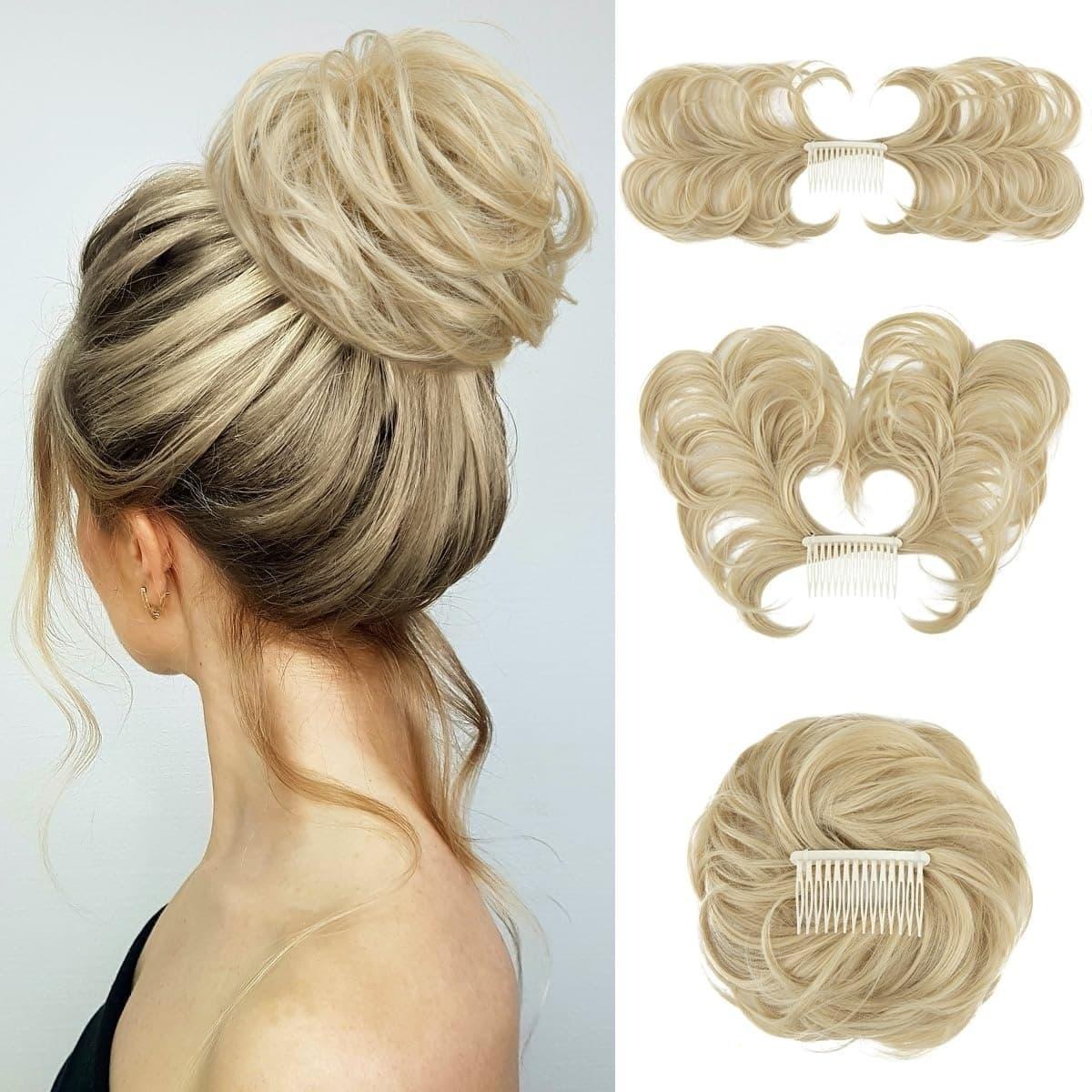
- Make a low, tight bun for extra security: After braiding or twisting, gather the braids into a low bun near the nape and wrap the braid lengths around it. Secure with hairpins. A braided bun reduces movement of the hair inside the wig and is great for active days.
- Pin and flatten long ends: If your hair is excessively long, tuck ends into the bun and pin carefully. For super long hair, split lengths into several smaller wraps and pin each layer to distribute weight and avoid an uneven lump.
- Apply a wig cap properly: Choose a cap that's breathable and close-fitting. Place the cap at your hairline and pull it back to the nape, ensuring all hair is tucked inside. Smooth with your hands and use a satin scarf to tie it down for 5–10 minutes; this helps gel set and creates a sleeker base.
- Final smoothing and adjustment: After the cap is secure, run your fingers gently across to detect any bumps. Use extra bobby pins underneath the cap if needed (inserted through the cap into the hair) to keep the cap from shifting. Add another thin cap or wig grip if you need more hold.
Detailed variations: braids vs. twists vs. buns
Choosing between braids, twists, or buns depends on factors like your wig type and haircare goals. Cornrows are ideal for lace front wigs because they create a very flat profile at the front and sides. Flat twists can be used for wigs with more volume or for those protecting their edges. Low braided buns are great for heavier wigs since they stabilize hair weight at the base.
Method A — Multi-braid low bun (for heavy wigs)
Part your hair into 4–6 sections, braid each section down to ends, wrap the braid lengths into a compact low bun, and pin securely. This distributes bulk evenly and anchors the wig better.
Method B — Small cornrows (for a sleek lace front)
Create small cornrows parallel to your natural hairline, moving back across the head. Continue cornrows to about 3–4 inches from the nape, then gather ends into a flat low bun and secure. This method ensures a particularly invisible hairline under lace front wigs.
Method C — Flat twists with tucked ends (for gentle protection)
Flat twists are made by twisting two small sections around each other and flattening them to the scalp. When you reach the crown, continue twisting the remaining lengths and tuck them neatly into a flat bun. Use gel to smooth edges and a scarf to set.
Pro tips to avoid common issues
- Use snag-free elastics to avoid breakage and to keep hair secure under the wig.
- Don’t overstuff the bun — if hair is too bulky, split the ends into multiple wraps and pin in layers.
- For very long hair, consider braiding down the lengths and then pinning across the crown beneath the cap to distribute weight.
- Keep edges protected; avoid tight cornrows right at the perimeter if you're worried about traction alopecia.
- Choose a cap type: a fine nylon cap offers a smooth base for shine-free wigs, while a mesh cap can offer more breathability.
How to deal with thick, long hair specifically
Thick hair can create extra bulk, so concentrate on redistribution rather than compression. Create more braids or smaller sections so the hair can lie flatter. You might braid the lengths and then pancake (flatten) the braids before wrapping them into the bun. Consider slightly loosening the crown cornrows to allow for a smoother curvature under the wig.
How to put long hair up for a wig when you want to show off edges
If you want to preserve or style your edges for a wig with a natural hairline, carefully braid or twist hair away from the hairline and leave a thin strip along the perimeter if you want to blend your natural edges with the wig. Use edge control to create baby-hair styling that complements lace fronts.
Adhesives, wig grips, and pins — when to use each
Wig grips are great for added traction without adhesives; they also keep the wig from sliding on days with lots of movement. Use wig tape or liquid adhesive if you need a very secure install (like for swimming or long performances), but remember strong adhesives can stress edges during removal — prepare hair accordingly and perform careful removal. Bobby pins inserted through the cap into the secured bun or braids also provide discreet hold.
Styling tips after your wig is on
Once the wig is in place, adjust the fit and style using the wig’s straps and clips. If you used a lace front wig, tint and trim the lace as needed and style the hairline to look natural. For added realism, lightly brush out the hair over the part and use heat tools only when the wig material allows.

Night care and long-term hair protection
When removing your wig, take time to gently unpin your braids or untwist to avoid unnecessary breakage. Keep hair moisturized and give your natural hair a break by alternating wig styles and installing protective styles that aren’t too tight. Use satin or silk scarves and pillows to minimize friction.
Troubleshooting: common problems and quick fixes
- Bumps under wig: Reassess your braids/bun; use smaller sections and repin the bun flatter. Pancaking flat braids can help.
- Slippage: Try a wig grip, add a few discreet bobby pins through the cap, or use a light adhesive for heavier or active-duty days.
- Edges soreness: Loosen the braids or use softer flat twists near the perimeter and always avoid excessive tension.
Checklist before putting your wig on
Quick checklist: detangled hair, smoothing product applied, sections braided/twisted, ends tucked and pinned, wig cap on and secured, scarf tie-down for 5–10 minutes, wig fitted and adjusted. This sequence helps ensure a low-profile, comfortable wear every time.
SEO-friendly summary
Mastering how to put long hair up for a wig is about technique and planning: choose the right base method (braids, twists, bun), secure ends discreetly, use a proper cap, and employ grips or adhesives when necessary. Repeating the keyword how to put long hair up for a wig throughout instructions: remember that a flat foundation, even distribution, and smooth finish are the pillars of a natural-looking wig installation.
For variation, experiment with micro braids or gently pinned waves under the cap for softer lumps that still read flat under most wig styles. Keep a small emergency kit with pins, mini gel, and a spare cap to fix any issues quickly.
Final thoughts
Whether you're new to wigs or experienced, refining how to put long hair up for a wig will save time and improve comfort. Practice different methods to see which one works for your hair density and wig type. Over time, you'll develop a routine that provides a snug, natural-looking base and enables you to wear wigs confidently.
FAQ
How tight should braids be under a wig?
Braids should be snug but not painfully tight — you want a flat base without causing tension at the scalp or edges. Loosen slightly if you feel numbness or soreness.
Can I wear a wig every day with long braids underneath?
Yes, but give your hair and scalp breaks. Rotate with looser protective styles and ensure your scalp is clean and moisturized. Don’t keep very tight styles in for extended periods.
What’s the best cap for long thick hair?
A mesh or stretch cap designed for large-volume hair provides breathability and a better fit. Layering a thin nylon cap over the braids and then a stretch cap can also help flatten bulk.
Related products
Blog
- can i wear a wig without a wig cap - practical answers, safety tips and styling hacks
- is sabrina wearing a wig? Photo inspection, stylist tips and quick ways to tell
- how to sew a wig cap - DIY step by step tutorial with pro tips for a perfect fit
- Women Wigs Buying Guide - Top Styles, Care Tips and Best Picks for Every Face Shape
- do you put your wig on before makeup? Quick 10-minute routine, pro timing tricks and product picks
- 7 Expert Tips on how to take care of a wig and keep it looking fresh and natural
- how to make your own wigs - step-by-step DIY guide for beginners with budget supplies and styling tips
- did bob ross wear a wig Discover the Truth Behind His Iconic Perm Hairstyle and Persona