Curly wigs buying guide 2025 - best styles, maintenance tips and secrets for natural-looking curls
:Time:2025-11-25T06:36:26+00:00Click:Person
Your comprehensive roadmap to choosing and caring for curly wigs
Finding the perfect textured hairpiece can feel overwhelming: between curl patterns, cap constructions, fiber quality and daily maintenance, shoppers often wonder where to begin. This in-depth guide walks you through practical buying decisions, styling strategies, and longevity hacks so your curly wigs look natural, bouncy and flattering from the first wear to months later. Expect clear checklists, realistic expectations, and step-by-step routines that prioritize healthy-looking curls and ease of use.
Why choose textured hairpieces over straight alternatives?
Curly wigs offer several advantages: they add immediate volume without backcombing, create dimension that flat styles cannot, and can mask cap edges more naturally because curls hide lace and attach points. For many people seeking a low-maintenance yet high-impact look, curly textures deliver both style and versatility. Whether you want tight coils, loose waves, or spiral curls, selecting the right texture will define how natural the wig appears and how it photographs in different lighting.
Understanding curl patterns and terminology
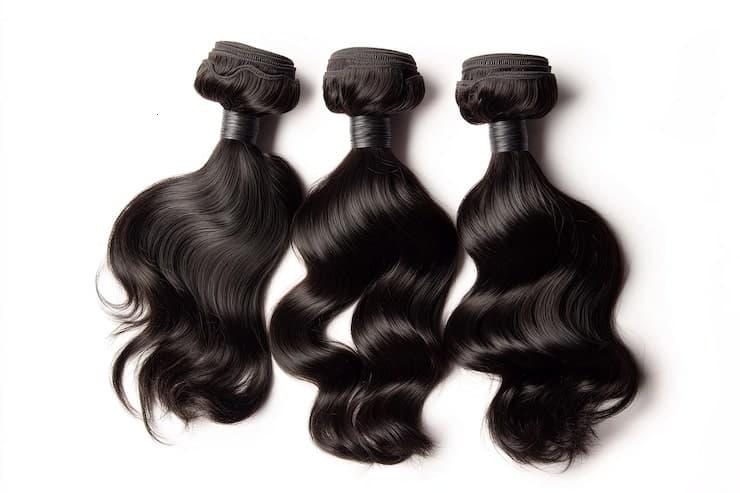
The industry uses numbers and words that can be confusing. Simplified categories help: loose waves (soft S-shaped), body waves, deep waves, loose corkscrew curls, spirals, and tight coils. When you shop for curly wigs, look for high-resolution images and videos showing the wig worn from multiple angles. Key features to compare include hang length when dry, curl bounce after light styling, and what happens if you refresh the wig with water or a curl refresher spray.
Visual cues that a curl pattern will suit you
Loose waves or body wave styles are forgiving and blend with relaxed or lightly textured natural hair.
Deep waves add a glamorous, glossy look that photographs well for events.
Spiral curls and tight coils offer maximum volume and texture, ideal for bold looks and natural afro-textured blends.
Cap constructions: why they matter for fit and realism
Cap type determines comfort, scalp visibility, and parting options. Standard caps are budget-friendly and ventilated, while lace fronts provide realistic hairlines. Full lace caps allow versatile parting and updos but cost more. Monofilament sections mimic a natural scalp at the part. When evaluating curly wigs, prioritize the cap that matches your lifestyle: active wearers often prefer breathable caps with secure adjustable bands, while styling enthusiasts may invest in lace front or full lace constructions for maximum realism.
Human hair vs. synthetic vs. heat-friendly fibers
Each fiber type has trade-offs. Human hair offers the most realistic texture, can be heat-styled and colored, and ages similarly to natural hair—requiring conditioning. Modern heat-resistant synthetics are budget-friendly, hold complex curl patterns longer, and often come pre-styled. However, synthetic fibers are more sensitive to oil-based products and high heat. Remy human hair, when specified, ensures cuticles face the same direction for reduced tangling—an important factor for curly textures. Whichever option you choose, look for quality assurance and clear return policies so you can assess curl memory and shine in person.
Density, length and how they change curl behavior
Density determines fullness. Curly hair visually appears fuller at lower densities because curls create volume. If you prefer a thickness that looks natural and not overly bulky, select a density range: 120%–150% for natural fullness, 180%+ for dramatic volume. Length affects weight—longer curly wigs may stretch and loosen the curl pattern under gravity; shorter lengths preserve spring. When in doubt, choose a slightly shorter length if you want consistent curl definition over time.
Color decisions: tips for depth and dimension
Multi-tonal colors and subtle highlights increase realism. Single flat colors can look synthetic on textured wigs. For natural-looking curls, opt for colorways that include lowlights near the roots and brighter strands at mid-lengths or ends—this mimics natural sun exposure. If you plan to dye a human-hair wig, consult a professional; pre-colored wigs made with gentle processes typically last longer.
Fit, measuring and adjustments
Get accurate head measurements: circumference, front-to-nape, ear-to-ear across the forehead and temple-to-temple around the crown. Adjustable straps help fine-tune fit, but a properly measured cap prevents slippage and discomfort. For lace fronts, consider trimming the lace carefully and securing edges with wig tape or glue if needed; practice on a mannequin head first to avoid overcutting the hairline.
Daily styling and maintenance routine
Curly fibers require different care than straight ones. Establish a gentle routine: detangle with fingers or a wide-tooth comb from ends to roots, use sulfate-free moisturizing shampoo occasionally, and apply a leave-in conditioner to retain curl definition. For synthetic curly wigs, use products labeled safe for synthetic fibers. Refresh curls between washes with a dedicated curl refresher spray or lightly misted water combined with a silicone-free styling milk to reduce frizz and restore bounce.
Step-by-step quick refresher
Place the wig on a wig stand or mannequin.
Lightly mist with water or a curl refresher.
Work in a small amount of curl cream or mousse suited to the fiber type.
Scrunch upward to reactivate curl clumps.
Air-dry or diffuse on low heat if the wig is heat-safe.
Washing process for longevity
Wash frequency depends on wear: every 8–12 wears for human-hair wigs, and 12–20 wears for synthetic depending on product buildup. Use lukewarm water and detangle gently before wetting. Apply a moisturizing cleanser and follow with a deep conditioner. For human hair, consider a short cold-water rinse to seal the cuticle. Avoid harsh rubbing—squeeze or fold in the product. Always blot excess water with a towel and let the wig dry on a stand; avoid hanging by the straps which distorts shape.
Detangling best practices
Curly textures can matt if neglected. Prevent tangles by storing properly and limiting friction. When detangling, start at the ends and work upward. For tight coils and spirals, consider finger detangling with a light oil or detangler to preserve curl clumps. For human-hair wigs, regular deep-conditioning treatments every 6–8 washes help maintain elasticity and reduce shedding.
Styling tools and products that help
Use wide-tooth combs, microfiber towels, diffusion attachments, and heat tools with adjustable temperature for human-hair wigs. Key products include leave-in conditioners, curl creams, lightweight gels that define without crunch, and anti-frizz serums applied sparingly. Avoid heavy oils near the cap—on lace fronts oils can reduce adhesive effectiveness and cause slipping.
How to make a wig look like it’s growing from your scalp
Blending techniques add realism: customize baby hairs along the hairline with small trimmed sections and a light gel to lay them naturally. Tinting lace to match your skin tone makes the part look like a scalp; alternatively, use a silk or nude wig liner under the lace for instant color matching. For parting depth, pluck strategically and add a touch of concealer to the part for shadow and depth when needed.
Seasonal care: humidity and dry winter air
Humidity can cause frizz, so anti-humidity sprays and curl-refresh products are essential in summer months. In winter, use humidifiers indoors and deep-condition regularly to prevent dryness. Store wigs in breathable containers to avoid mildew in humid climates.
Common mistakes to avoid
Overbrushing—causes frizz and breaks curl clumps.
Using the wrong products—heavy silicones can weigh down curls and attract dirt.
Forgetting to protect hairlines—neglecting adhesives and edges can reveal cap edges.
Not testing heat—always test a small hidden section when using heat tools on heat-resistant synthetics.
Pro tip: If you want a lived-in look, lightly finger-twist some curl clusters and set them with a small amount of gel. When dry, gently shake the roots for volume—this creates movement without disrupting curl integrity.
Realistic budget expectations
Entry-level synthetic curly wigs can be affordable and suitable for occasional wear, while high-quality human-hair curly wigs and custom lace constructions command premium prices. Consider cost-per-wear and maintenance needs; investing in higher quality can save money over time if you plan frequent use. Factor in professional services (custom cutting, coloring, lace tinting) when budgeting.
Shopping checklist before purchase
Confirm fiber type and heat tolerance.
Look for multiple modeled images and video.
Check return/exchange policy and warranty.
Verify cap measurements and available adjustments.
Read reviews focusing on curl retention and tangling behavior.
Storage and travel tips
On travel days, lightly braid tight curls or wrap them in a silk scarf for reduced friction. Use a ventilated bag or a wig box with tissue to preserve shape. If you plan to store long-term, keep the wig on a stand, gently covered to prevent dust but allow airflow.
When to seek professional help
If you need a custom hairline, color matching to complex skin tones, or specialized cutting to blend the wig into short or shaved natural hair, seek a stylist experienced with curly wigs. A small precision cut can transform a purchased wig into a bespoke piece.
Checklist for an ideal first purchase
For your first curly wig, choose a mid-range heat-friendly or human-hair option at a length you can manage, a lace front for natural hairline, and a moderate density (120–150%). Select a curl pattern that complements your face shape and lifestyle—looser waves for ease, tighter spirals for dramatic texture.
Quick troubleshooting guide
Frizz on humid days: use anti-humidity spray and avoid brushing.
Loss of curl definition: refresh with curl mousse or dilute conditioner and scrunch.
Tangling at the nape: consider a shorter back or light layering to reduce friction.
Final styling secrets for natural-looking curls
Smaller, deliberate edits create authenticity: trim bulk by carving through curls with thinning scissors rather than blunt cuts, create face-framing layers to avoid triangle shapes, and blend the wig hairline with tiny baby hairs or a subtle concealer match at the part. When photographing, tilt your head slightly to let light hit the hair to reveal dimension—this highlights depth in multi-tonal curls.
Recommended tools and product list
Wide-tooth comb and detangling brush
Sulfate-free moisturizing shampoo and silicone-free conditioner
Leave-in conditioner and curl refresher spray
Lightweight gel or mousse for definition
Diffuser with adjustable heat (for heat-tolerant fibers)
Wide satin or silk scarf for storage and sleep protection
Summary: making informed choices for long-lasting curls
Choosing curly wigs is a blend of aesthetics, comfort and care. Prioritize cap fit, realistic curl patterns, and suitable fiber type for your routine. Establish a maintenance plan that balances gentle cleansing, targeted conditioning, and careful storage. With mindful purchases and consistent care, your textured hairpieces will remain vibrant, soft and natural-looking for many wears.
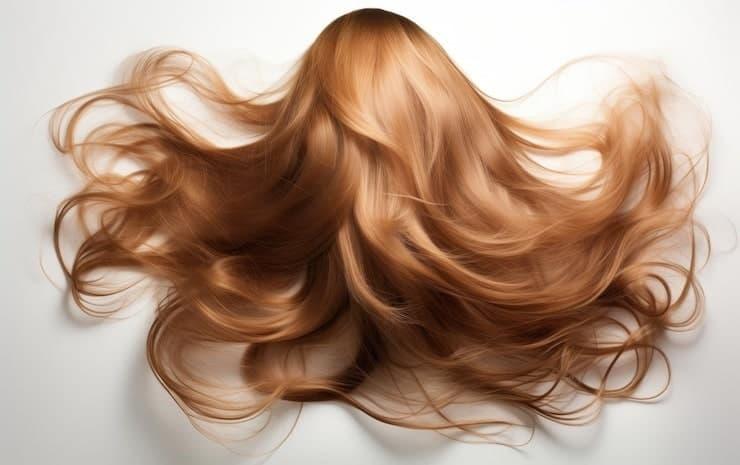
Visualize your ideal curl: volume, movement, and natural sheen are the hallmarks of a well-maintained curly wig.
Where to buy and what to ask
Buy from specialized retailers or reputable marketplaces that clearly state fiber quality, cap construction and return terms. Ask sellers about curl retention tests, whether the wig was heat-treated, and whether the fibers have been exposed to prolonged chemical processing. Reviews and customer photos are invaluable—look for consistent reports on tangling, shedding and how the curls behave after repeated washes.
Environmental and ethical considerations
If ethical sourcing matters to you, research whether human hair vendors disclose procurement practices. Some brands now highlight fair sourcing or offer synthetic alternatives to reduce reliance on human hair. Packaging that uses recyclable materials and minimal plastic helps reduce environmental impact.
Maintenance schedule at a glance
Daily: light misting and finger reshaping after wear.
Weekly: evaluate for product buildup; if worn daily, refresh every 3–7 days.
Monthly: deep condition human-hair wigs and inspect lace for wear.
Seasonal: re-tint lace if necessary and check elastic bands.
Final encouragement
When you follow informed selection criteria and a practical care regimen, curly wigs can be one of the most transformative styling tools in your beauty wardrobe. Experiment thoughtfully, maintain gently, and don’t hesitate to consult a pro for final customizations that elevate realism.
Frequently Asked Questions
How often should I wash my curly wig? Answer: For human-hair curly wigs, wash after 8–12 wears depending on product buildup. Synthetic wigs can often go longer (12–20 wears) if they are not exposed to heavy oil or styling products.
Can I heat-style a synthetic curly wig? Answer: Only if the wig is labeled heat-resistant. Always test a hidden strand at the lowest temperature and use a heat protectant designed for synthetic fibers.
How do I make the hairline look natural? Answer: Trim lace carefully, create subtle baby hairs, and tint the lace or use a concealer at the part to mimic scalp depth. A professional lace tint or customization often yields the best results.