
How to Wash a Wig Synthetic the Right Way with Step-by-Step Gentle Care
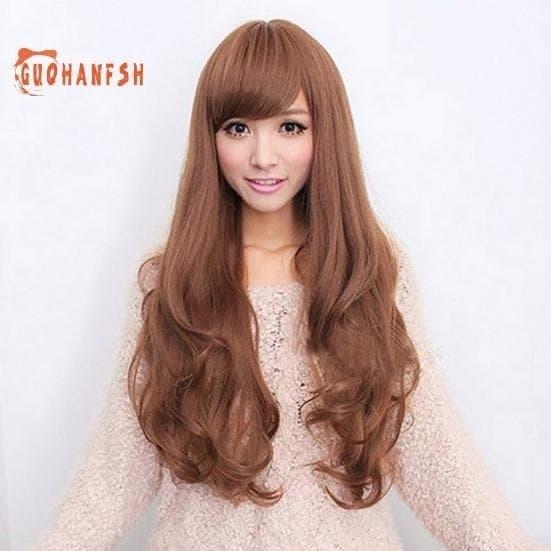
how to wash a wig synthetic — practical guide for gentle cleaning
If you own a synthetic wig, you want it to look natural, soft, and long-lasting. Learning how to wash a wig synthetic correctly is one of the most important skills for wig care. This comprehensive, SEO-focused guide explains safe techniques, product choices, and step-by-step routines that protect fibre integrity, prevent tangling, and preserve style. Read on to find clear instructions, troubleshooting tips, maintenance schedules, and styling advice so your wig keeps looking its best for months or years.
Why the right method matters

Washing a synthetic wig is different from washing human-hair wigs. Synthetic fibers are heat-sensitive, can tangle easily, and may react poorly to harsh shampoos or aggressive brushing. A wrong technique will cause matting, loss of shape, and premature wear. Understanding why each step matters helps you make intelligent choices: why detangle first, why avoid hot water, and why low-suds sulfate-free products are preferred.
When to wash
The frequency of cleaning depends on how often you wear the wig, environmental exposure, and product build-up. General suggestions: if you wear the wig daily, consider washing every 1–2 weeks; for occasional wear, every 4–6 wears is reasonable. Sweat, oils, perfumes, and styling products accumulate on fibers, so rinse when the wig starts to feel and smell unclean. Properly washing when needed keeps the fiber flexible and prevents sticky residue.
Essential supplies
- Sulfate-free synthetic wig shampoo or a gentle baby shampoo
- Silicone-free synthetic wig conditioner or fabric softener diluted
- A wide-tooth comb or wig brush designed for synthetics
- A deep basin or sink with clean, cool water
- Two towels (one for blotting, one for support)
- A wig stand or foam head for air-drying
- Plastic clips to shape the wig while drying (optional)
Step-by-step: How to wash a wig synthetic
- Pre-clean inspection: Examine the wig to identify any tangles, damaged areas, or styling structures (like heat-set curls). Remove any pins or clips.
- Detangle carefully: Use a wide-tooth comb or a wig-specific brush. Start at the ends and gradually work up to the roots. Hold the base with your free hand to avoid pulling on the cap. Detangling dry hair reduces fiber breakage during washing.
- Fill basin with cool water: Use cool or lukewarm water only. Avoid hot water as it can distort synthetic fibers. Submerge the wig and let it soak briefly to loosen dirt.
- Use the right shampoo: Add a small amount of synthetic wig shampoo to the water or apply gently to the wig. Swirl the wig in the water — do not rub or wring. Use minimal agitation to avoid tangling.
- Rinse thoroughly: Drain the soapy water and refill with clean cool water. Gently lift and lower the wig to rinse until water runs clear. Repeat if needed.
- Condition selectively: Apply a silicone-free wig conditioner or diluted fabric softener to the mid-lengths and ends only. Avoid the base and roots which can become heavy or slippy. Leave for the recommended time, then rinse with cool water.
- Blot, don’t wring: Place the wig on a towel and gently press out excess water. Roll the towel with the wig inside to absorb more moisture. Do not twist or wring as this damages the cap and fibers.
- Comb while damp: If your wig is not extremely delicate, gently comb from ends to roots while it’s still damp to remove any final tangles.
- Air-dry on a wig stand: Place the wig on a wig stand or foam head to dry in its natural shape. Position it in a well-ventilated area away from direct sunlight and heat sources. Leave until fully dry before storing or styling.
- Shape and style: Once dry, style with fingers or a wig brush. For synthetic fibers that are heat-friendly, use manufacturer-recommended low-heat tools only. Many budget synthetics are not heat resistant, so consult the wig label.

Common mistakes to avoid
- Aggressive scrubbing or wringing — this leads to matting.
- Hot water or high heat — fibers can melt, frizz, or lose curls.
- Using heavy oils or non-synthetic-safe products — these leave residues that attract dirt.
- Combing from roots to ends — always detangle from the tips first.
- Drying on a flat surface — the interior cap may not dry completely, causing odors or mildew.
Product recommendations and DIY alternatives
Choose products labeled for synthetic wigs. If you cannot find a wig shampoo, a mild baby shampoo can work as a temporary substitute. For conditioning, silicone-free formulas or a small drop of fabric softener diluted in water can restore softness. Avoid alcohol-based sprays that dry fibers. For daily maintenance, use a leave-in synthetic wig detangler spray that protects fibers between washes.
Special care for styled or heat-set synthetics
Some synthetic wigs come pre-styled or heat-set. For these, follow manufacturer guidelines. If marked heat-resistant, keep temperatures low and always test a hidden section before applying any thermal tools. If curls are heat-set, you can reshape by hand or with low heat tools following instructions. For non-heat-resistant fibres, never use hot brushes, curlers, or blow-dryers.
Tips for keeping the shape and volume
- Use a foam wig stand to maintain cap shape while drying.
- Stuff caps with tissue for long-term storage to preserve crown volume.
- Lightly tease the roots with a comb for extra lift if needed, but avoid over-teasing to prevent fiber damage.
- Rotate wigs in a collection to reduce friction and reduce the need for frequent washing.
Dealing with tangles and frizz
For stubborn tangles, soak the wig in a conditioner solution for longer (10–20 minutes) and then gently comb. Avoid chemical detanglers that are not designed for synthetic fibers. For frizz, a light mist of a silicone-free smoothing spray can help, or recondition and air-dry properly to restore the fiber alignment.
Storage best practices
Store wigs on a stand or in breathable bags away from heat and direct sunlight. Long-term storage in a cool, dark place preserves color and texture. Keep synthetic wigs separate from pet hair or dust-prone environments. Avoid plastic bags for long periods as they can trap moisture and odors.
Quick refresh without a full wash
If the wig is only slightly soiled or has lost volume, try a gentle refresh: use a spray bottle with cool water mixed with a tiny amount of conditioner, mist lightly, reshape on a wig stand, and allow to air-dry. For odor removal, a light sprinkle of baking soda on the cap interior (not the fibers) followed by gentle shaking can help; use sparingly.
Travel care
When traveling, keep a small detangling brush, a travel-size wig-safe spray, and a breathable case. Fold or roll the wig carefully using tissue paper to support the shape. Avoid stuffing heavy items on top of a packed wig.
Environmental and lifestyle considerations
Humidity, extreme cold, and sun exposure all influence synthetic fibers. Consider a UV-protective spray if you frequently spend time outdoors. If you sweat heavily or wear the wig during exercise, wash more frequently and use an absorbent cap liner to protect the interior.
Repair and restoration
Minor wear like loose fibers or small tangles can sometimes be improved by a professional wig stylist. Severely matted wigs may be beyond restoration and should be replaced. When replacing, keep your maintenance routine consistent to prolong the life of the next piece.
Checklist: a gentle wash routine at a glance
- Brush gently from ends to base
- Soak in cool water, add wig shampoo
- Swirl, don’t rub
- Rinse fully in cool water
- Condition mid-lengths and ends
- Blot with towel, do not wring
- Air-dry on stand, reshape while damp if needed

How to choose the right products
Look for keywords on labels like “synthetic wig”, “heat-friendly” (only if you intend to use heat), “sulfate-free”, and “silicone-free” if you want to avoid buildup. Read reviews for product performance and test on a less visible wig if possible. Avoid products with heavy oils or non-volatile silicones that can weigh fibers down and attract grime.
Environmentally conscious cleaning
If you prefer eco-friendly options, select biodegradable gentle shampoos and avoid frequent detergent-heavy washes. By increasing protective care — using liners, limited product application, and storing properly — you can reduce wash frequency and conserve water and products.
Key takeaways
Mastering how to wash a wig synthetic involves treating the fibers gently: detangle carefully, use cool water, select suitable shampoos and conditioners, blot not wring, and air-dry on a stand. Proper technique prevents damage, preserves style, and extends lifespan. Consistency in maintenance will keep your wig soft, natural-looking, and fresh.
Additional expert advice
For everyday wear, perform light maintenance between washes. For high-use wigs, schedule a more thorough cleaning weekly or biweekly. When in doubt, consult the manufacturer or a professional wig stylist to avoid accidental damage.
Professional restoration
If the wig is very valuable or if DIY care fails, seek professional restoration: a stylist can restyle the fiber, re-curl heat-set synthetic wigs, and replace caps or combs. Professional cleaning may be more expensive but can save an expensive wig from premature replacement.
SEO note for readers
Readers searching for practical help on how to wash a wig synthetic will find that simple, consistent care routines protect fiber integrity and style. This guide highlights the critical steps you should repeat each time and the pitfalls to avoid so that your synthetic wig remains a reliable styling tool.
FAQ
Q: Can I machine wash my synthetic wig?
A: Most synthetic wigs should not be machine washed. The agitation and spinning can cause tangling, cap damage, and deformation. Hand-wash following the gentle steps above unless the manufacturer explicitly states machine washing is safe.
Q: Is it safe to use heat tools on synthetic wigs?
A: Only if the wig is labeled heat-resistant. Even then, use the lowest recommended temperature and test an inconspicuous strand first. Standard synthetics can melt or frizz under heat.
Q: How do I remove odors without washing?
A: Light odors can be reduced by airing the wig outdoors (out of direct sun), using a light spray of water with a small amount of conditioner, or gently dusting the cap interior with baking soda and shaking it out. For persistent smells, a full wash is best.
By following these professional, step-by-step routines and using the right products, your synthetic pieces will remain attractive and wearable for much longer. Remember: the keyword to success is gentle, regular care — repeat these proven steps and you will master how to wash a wig synthetic efficiently and safely.
Related products
Blog
- have you worn wigs interview guide - expert answers, body language tips and follow up strategies
- Salon-tested easy methods for how to get tangles out of a wig and restore silky shine
- Ultimate Guide to Choosing a Wig Cap for Comfort, Breathability and a Secure Fit
- why did men wear white wigs in the 1700s and what powdered hair reveals about health class and fashion
- does jane fonda wear a wig A fact check with photos stylist quotes and a hairstyle timeline
- does barry manilow wear a wig Truth Revealed Latest Photos Timeline and Expert Insight
- Orange Wig Styling Guide 2025 - How to Choose and Care for the Perfect orange wig on Any Budget
- how to say wig in spanish - pronunciation tips, translations and real life examples