
Who makes the best wigs Discover top brands quality comparisons and expert buying tips
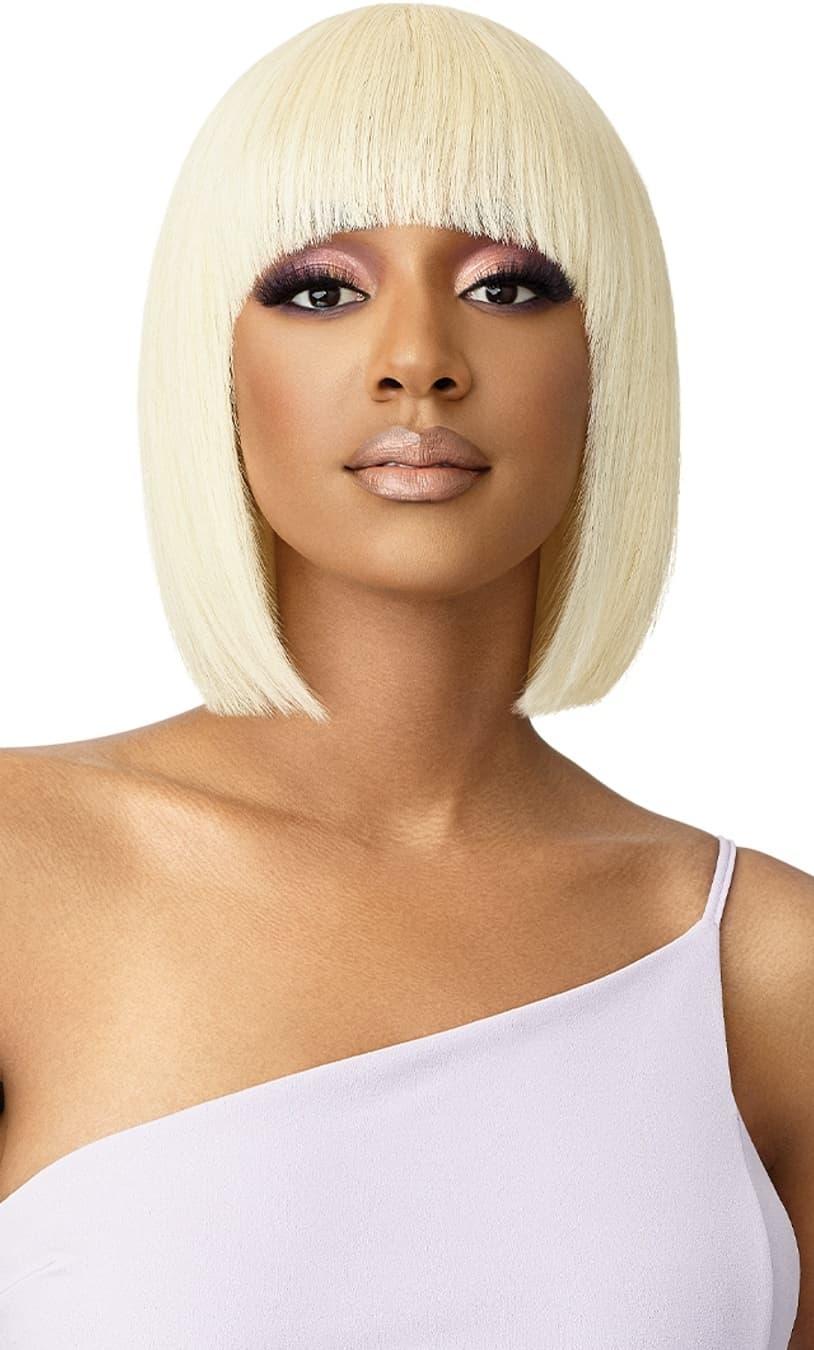
who makes the best wigs — an introduction to choosing superior hairpieces
If you have ever asked who makes the best wigs while scrolling through photos, shops, or salon catalogs, you are not alone. Determining the top manufacturers and ateliers requires a careful look at construction, materials, style ranges, color matching, aftercare support, and value for money. This long-form guide breaks down the question from every angle and gives practical steps, brand comparisons, and expert buying tips to help a shopper, stylist, or first-time wig wearer answer who makes the best wigs for their needs.
Why the question who makes the best wigs matters
Asking who makes the best wigs is different than asking what a single wig looks like. The best wig maker may vary depending on whether you prioritize realism, budget-friendly fashion, longevity, cap comfort, or medical-grade solutions. A consumer interested in high-fashion human hair lace-front pieces will pick a different brand than someone who wants low-maintenance synthetic styles for seasonal wear. This guide emphasizes how to match maker strengths to personal priorities.
Key criteria to evaluate wig makers
- Material quality: human hair vs premium fiber vs standard synthetic fibers
- Cap construction: lace front, full lace, monofilament top, hand-tied, machine-tied
- Fit and comfort: adjustable straps, ear tabs, silicone grippers, breathable caps
- Color technology: hand-tied color blends, multi-tonal rooted shades, high-definition dyeing
- Styling versatility: heat-friendly fibers, suitability for updos, ability to cut/color
- Durability and warranty: repair policies, replacement windows, return terms
- Aftercare and support: specialized retailers, stylist networks, cleaning & restoration services
Types of wig makers and what they excel at
Not all makers chase the same goal. For clarity, categorize wig makers into four groups: boutique couture houses, mainstream commercial brands, custom studio artisans, and direct-to-consumer specialist companies. Each answers the question who makes the best wigs in a different way:
- Boutique couture houses — These ateliers focus on bespoke construction, luxurious human hair, and meticulous handcrafted techniques. They often cater to stage professionals and high-fashion clients seeking the most realistic results and full personalization.
- Mainstream commercial brands — Established names produce large collections with many colors and cap shapes. They balance quality and price and are often the easiest to find in salons and large retailers.
- Custom studio artisans — Independent wigmakers make one-of-a-kind pieces for medical clients, film, and personalized style. When you need a unique fit or a hairpiece built around hair loss patterns, studio artisans often answer who makes the best wigs for that niche.
- Direct-to-consumer specialists — These brands sell online with strong color photography, extensive size guides, and competitive pricing. They aim to remove middlemen, deliver modern colorways, and often offer generous trial periods.
Trusted brand names to know (comparative overview)
Below is a reasoned overview of reputable companies and what they commonly excel at. This is not an exhaustive list, but it highlights widely respected makers that are frequently named in conversation about who makes the best wigs:
- Jon Renau — Renowned for a huge selection of ready-to-wear synthetic and human-hair blend pieces, advanced cap designs like lace front and mono tops, and well-developed color mixes. Strong on variety and reliable construction.
- Raquel Welch — Known for fashion-forward shapes and wearable luxury. The brand often invests in modern silhouettes and easy-to-maintain fibers that look luxe without heavy upkeep.
- Rene of Paris — Popular for quality machine-made pieces that deliver consistent sizing and approachable price points. Often praised for comfort and classic everyday styles.
- Ellen Wille — An international name celebrated for refined European hand-tied caps, realistic textures, and superior color artistry. Frequently recommended for those seeking natural movement and a flattering cut straight out of the box.
- Human-hair specialists & bespoke ateliers — A category rather than a single name, including custom studio work where artisans create wigs made from premium human hair sourced and matched for longevity and styling freedom.
How to compare these brands practically
When comparing makers, use side-by-side criteria: cap type, density options, recommended maintenance routine, average lifespan, and user reviews from verified buyers. Record the models that appeal, then compare the same model in different brands for cap feel and color match. Many retailers allow virtual consultations or sample swatches; request swatches and keep a shortlist. If the question is who makes the best wigs for dramatic stage performance, prioritize durability and secure caps. If it’s who makes the best wigs for chemotherapy patients, prioritize soft caps, breathable lining, and sensitive-skin trust.
Material matters: synthetic vs human hair
Understanding materials will guide you closer to the answer to who makes the best wigs for different use cases. Below are the practical trade-offs:
- Synthetic fibers: lower cost, excellent for pre-styled looks, hold curls and waves longer without heat, but may have a shorter usable life and limited heat-styling options unless labeled heat-friendly.
- Human hair: greater styling flexibility, longer lifespan with proper care, more realistic movement and sheen, but it requires more maintenance and typically costs more; it can be dyed and heat-styled like natural hair.
Cap technology explained
Cap construction strongly influences realism and comfort. Knowing the terms helps you ask smarter questions in salons and online chats about who makes the best wigs in each cap category:
- Lace front: creates an undetectable hairline and allows the wig to be worn away from the face.
- Full lace: offers the most versatile styling and allows parting anywhere, ideal for custom human hair pieces.
- Monofilament top: mimics natural scalp appearance and allows realistic parting; often combined with hand-tied construction.
- Hand-tied caps: each hair is tied individually, offering the most natural movement and comfort.
Where to buy and how to evaluate sellers
Excellent sellers make it easy to compare and try styles: look for clear return policies, free swatches, and responsive customer service. Wig boutiques and certified medical wig centers often provide private fittings and color consultations; online specialists should offer robust size guides, video try-ons, and generous trial periods. Always read verified reviews and ask about repair and restyling services — this will help determine who makes the best wigs with realistic aftercare support.
Styling and maintenance tips that affect perceived 'best'
The longevity and appearance of a wig depend heavily on maintenance. A well-cared-for synthetic wig can look better longer than a neglected human-hair piece. Key maintenance tasks include gentle washing on recommended schedules, using fiber-specific conditioners, resting the wig between wears, storing on a proper stand, protecting from heat and strong UV, and regular brush-throughs with suitable tools. Learning the care routine for a chosen maker will help answer who makes the best wigs when longevity and ongoing appearance matter most.
Practical buying checklist
Use this checklist while shopping so you can objectively rate makers and models: color swatch availability; return and exchange policy; trial period; local stylist network or refit availability; warranty and repair policy; customer service responsiveness; price vs expected lifespan; sizing and adjustment options; cap material and breathability; weight of the wig; and clear photos/videos from multiple angles.
Budgeting and expected lifespans
Expect wide variation: synthetic pieces may be ideal for seasonal fashion and often last several months to a year with regular wear, depending on fiber quality. Human hair wigs, especially those from reputable makers, can last 1-3 years or longer with careful maintenance and occasional restorations. Custom pieces and high-end human hair might be multi-year investments. When deciding who makes the best wigs for budget-conscious buyers, consider the total cost of ownership: initial price plus maintenance, styling, and potential repair or replacement costs.
Color matching and custom color services
One of the biggest differentiators among wig makers is how well they match complexions and natural hair. Brands that invest in multi-tonal hand-tied shades, natural root shading, and bespoke color services often receive higher marks in 'best wig maker' discussions. If you're matching to thinning hair, ask about translucent bases for scalp mimicry or custom color application to blend with remaining hair.
Medical wigs and specialty needs
Medical wig makers and certified centers focus on sensitive-skin linings, soft cap options, non-irritating adhesives, and discreet fittings. If your priority is comfort during chemotherapy or alopecia, the answer to who makes the best wigs will shift toward certified medical suppliers and studios experienced with client care, free consultations, and insurance documentation assistance.

Custom vs ready-to-wear: which answers who makes the best wigs?
Custom pieces typically win for fit and individualized realism, but ready-to-wear has advanced significantly. Many reputable brands now offer semi-custom options (cap-size adjustments, density choices, or color matching) that bridge the gap. If you value a perfect fit and are willing to invest time and resources, bespoke makers are the best answer. If you prefer convenience and immediate gratification, established ready-to-wear brands may be the practical 'best' for your lifestyle.
Real-world shopping strategies
To narrow down who makes the best wigs for you, follow this process: identify top priorities (comfort, realism, price, styling freedom), shortlist 4–6 makers that match those priorities, request swatches or book virtual/in-person consultations, try on multiple cap constructions and sizes, compare warranties and aftercare, and read multiple verified reviews focusing on long-term wear. Keep a small journal of fit, itch levels, and perceived realism to spot patterns across brands.
Common myths and misconceptions
Debunking myths helps shoppers avoid mistakes when searching for who makes the best wigs. Myth: "Human hair is always superior" — not always; high-end synthetics can outperform lower-quality human hair in style memory and colorfastness. Myth: "More expensive equals best" — price is a proxy, not a guarantee; craftsmanship and service matter. Myth: "One brand fits everyone" — fit varies, so multiple trials or bespoke adjustments may be necessary.
Travel and lifestyle considerations
Your daily routine influences which makers are best. Frequent travel favors low-maintenance fibers and secure cap designs; active lifestyles favor lightweight, breathable caps; stage work favors high-density, easy-to-secure caps. Think about your climate too — humidity and sun exposure affect synthetic and human hair differently. Matching maker strengths to your lifestyle helps answer who makes the best wigs for your everyday needs.
How to test a wig in-store or at home
When testing, wear the wig for at least 30–60 minutes. Walk, turn your head, look in natural light, and ask if the maker offers adhesive options or fit modifications. Test part lines and attempt gentle styling to gauge movement. For online purchases, insist on generous trial periods and inspect return shipping rules. These steps directly inform your answer to who makes the best wigs for comfort and appearance.
Summary: a practical decision framework
To summarize the decision-making flow: rank your priorities, choose the cap and material that match those priorities, select makers known for that specialization, verify support and warranty, and test thoroughly. Being systematic ensures you identify who makes the best wigs for your unique situation rather than relying on general brand popularity alone.
Signs of a high-quality wig maker
Look for detailed product specifications, multiple cap constructions, transparent fiber sourcing, professional styling guides, clear return and repair policies, and certified retailers or fitting salons. Makers who invest in color swatches, virtual consultations, and customer education are often those that consistently answer who makes the best wigs across different buyer groups.
Cost versus value: find the balance
When evaluating costs, consider the lifespan and whether the maker offers local repair or trade-in services. Accessories like stands, brushes, shampoos, and adhesives add to overall value. Reputable makers often include starter kits or professional care instructions that increase long-term value and help you keep the piece looking its best.
Tips for caring for synthetic and human hair wigs
Essential tips include: use manufacturer-approved products, wash gently in cool water, air-dry on a stand to maintain shape, detangle from ends to roots with wig-specific tools, limit heat on synthetics unless labeled heat-friendly, and schedule periodic professional restyles for human hair to maintain cut and volume. Proper care directly affects whether a maker’s product can be considered 'the best' over time.
How stylists evaluate who makes the best wigs
Experienced stylists judge wig makers by how well pieces respond to cutting, how realistic the hairline appears, the balance between density and movement, and how easy it is to integrate the wig with natural hair when needed. Ask for stylist opinions or look for pieces styled by professional chairs to get a realistic sense of maker quality.
Online research checklist
When researching online, prioritize verified buyer photos, detailed product pages, video demonstrations, and clear descriptions of cap and material. Watch for active community forums and third-party review sites. These sources often include practical notes about who makes the best wigs for different hair textures and face shapes.
Final recommendations
There is no single universal answer to who makes the best wigs. Instead, the best maker is the one that matches your needs: the right cap, the right material, and the right level of customization and support. For many shoppers, leading ready-to-wear brands offer an excellent balance of realism and price. For others, bespoke studios or human-hair specialists provide the level of personalization required. The smart approach blends research, in-person or virtual trials, and a clear care plan so that your chosen maker's strengths align with your priorities.
Closing considerations
Invest time in trialing and learning care routines; the question of who makes the best wigs becomes easier to answer as you gather personal experience. Remember that makers evolve — new fiber technologies and cap innovations appear regularly — so revisit your options periodically, especially if your needs change.
Actionable next steps
- List your top three priorities (realism, price, comfort) and pin them to the top of your shopping page.
- Request color swatches from three makers and compare them in natural light.
- Book at least one in-person or virtual consultation and try on a minimum of three cap types.
- Choose a trial-friendly seller with a clear return policy and verified customer photos.
Note: The question who makes the best wigs is personal — your best maker is the one that fits your face, lifestyle, and budget while offering the support you need.
FAQ
Q: Are custom wigs always better than ready-to-wear?
A: Custom wigs often offer superior fit and personalization, but modern ready-to-wear pieces can also be excellent, especially when made by reputable brands. The choice depends on budget, timing, and how critical a perfect fit is for you.
Q: How many times can a human hair wig be restyled?
A: With proper care, a high-quality human hair wig can be restyled many times, though repeated heat and chemical treatments shorten its lifespan. Use professional restyling services for major changes.
Q: What is the best cap for a natural hairline?
A: Lace front or full lace caps provide the most natural hairline. Monofilament tops add realistic parting, and hand-tied constructions increase movement and natural appearance.

Related products
Blog
- can u dye wigs at home Learn safe methods and pro tips for synthetic and human hair
- does connie britton wear a wig Revealed The Truth About Her Onscreen Hairstyles and Red Carpet Looks
- where are most wigs made - Top producing countries, quality differences and smart buyer tips 2025
- does heather on young and the restless wear a wig? Expert look at hairstyles, wig rumors and on set styling
- does mrs macron wear a wig? What photos and stylists actually reveal
- how to wear a front lace wig made simple with 8 pro step-by-step tips for a natural secure fit
- Top 10 Ash Blonde Wig Styles for Natural Looks and Easy Care
- How to Comb a Synthetic Wig Gently with 7 Pro Techniques for Tangle-Free Results