
can i wear a wig in my passport photo explained with official rules, common pitfalls and practical tips

can i wear a wig in my passport photo: concise guidance and what to know
If you're wondering can i wear a wig in my passport photo, the short answer is: usually yes, but with important conditions. This extended guide explains official standards, common pitfalls, and practical tips so your headshot will be accepted on first submission. The practical aim here is to give clear, SEO-friendly, user-focused advice that helps you prepare a compliant image while avoiding delays at passport agencies.
Overview: general principle and the purpose of identity photos
Passport and ID photos are intended to show a clear, unobstructed representation of your face so that identity verification is immediate and reliable. Different issuing authorities publish specific technical and compositional rules, but most share the same underlying principle: no accessories that obscure the face or create ambiguity. Wigs, when they do not hide key facial features or change your appearance in a way that interferes with recognition, are usually permitted. Below we unpack the detailed rules from several major authorities, explain typical mistakes, and provide step-by-step preparation tips.
Official rules from common issuing authorities
United States (U.S. Department of State)
The U.S. guidance emphasizes neutral expression, full face visibility, and natural skin tones. The State Department explicitly allows hairpieces and wigs if the entire face remains visible and the wig does not obscure the hairline in a way that prevents identification. If a wig is worn for religious or medical reasons there is no additional special procedure, but the resulting image must still meet size, pose, and background requirements.
United Kingdom (HM Passport Office)
HM Passport Office permits wigs and hair coverings for medical or religious reasons, provided the face from the bottom of the chin to the top of the forehead and both edges of the face are clearly visible. They request that the head covering is worn normally and does not cast shadows across the face or create an unrealistic outline.
Canada (Immigration, Refugees and Citizenship Canada)
Canada's guidance mirrors the general international approach: wigs are acceptable if they do not obscure the face. They stress that the photograph must be a true likeness — excessive styling, dramatic color changes, or heavy concealment are discouraged.
European Union / Schengen countries
Schengen rules and many EU countries follow ICAO (International Civil Aviation Organization) recommendations. Under ICAO Doc 9303 standards, head coverings should not hide the facial features; wigs are allowed as long as they do not distort the recognized pattern of your face.
Australia and New Zealand
These authorities permit wigs as long as the photograph shows the full face, including the hairline and ears if required by local guidance. They caution against strong shadows or unusual colors that reduce contrast with the background.
Key conditions that determine acceptability
- Facial visibility: Eyes, nose, mouth, and chin must be unobstructed.
- Neutral appearance: Expressions, extreme makeup, or dramatic styling that alters identity are discouraged.
- No shadowing: Wigs that create uneven tones or cast shadows across the face can cause rejection.
- Natural fit: The wig should sit naturally on your head; an obviously misplaced wig can raise questions.
- Background contrast: Color and texture of the wig should not blend into the background in a way that makes the outline indistinct.
Common pitfalls that lead to photo rejection
Understanding typical mistakes will help you avoid delays. The most frequent reasons for rejection when wearing a wig include:
- Hairline obscured or altered: A wig that hides your natural hairline or forehead can make age or identity verification difficult.
- Excessive styling: Voluminous or highly stylized wigs that change perceived facial proportion.
- Shadows and lighting problems: Strong overhead lights or uneven illumination that create dark areas around the face.
- Color blending with background: If the wig color matches the background, the image may lack proper edge contrast.
- Use of props or attachments: Decorative items or pins that sit near the eyes or temple may be interpreted as obstructions.

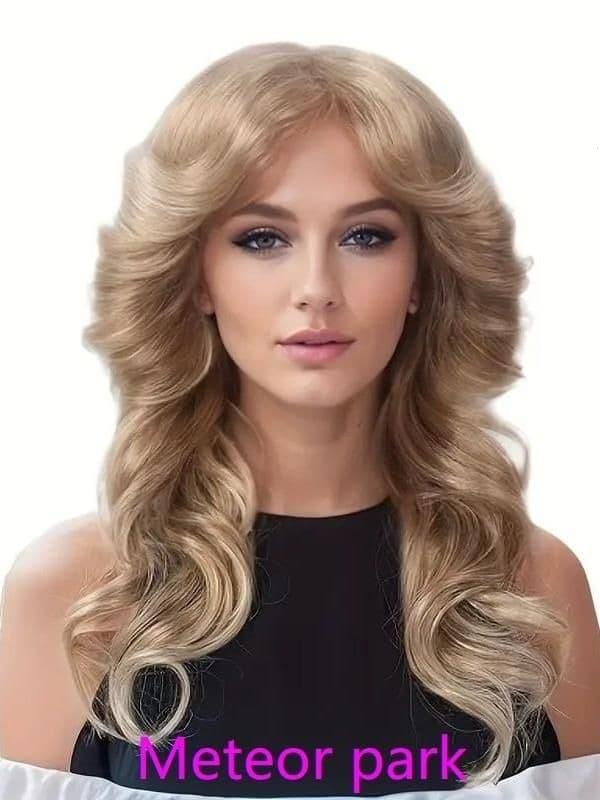
Practical tips before you have the photo taken
Follow these actionable steps whether you go to a professional studio or take a photo at home:
- Choose a natural, well-fitting wig that sits at your natural hairline.
- Avoid extreme colors or exaggerated volume; choose a style that resembles your everyday appearance.
- Make sure the wig does not cover your eyebrows, eyes, or the contours of your cheeks.
- Use simple, even lighting; avoid strong side or top lighting that casts shadows under the chin or around the nose.
- Use a plain, light-colored background as required by your issuing authority — white or off-white is often best.
- Keep expression neutral, mouth closed, and eyes open and visible.
- Remove eyeglasses or ensure no glare is present; most agencies prefer photos without glasses.

Tips for specific situations
Wigs worn for medical reasons (e.g., alopecia, chemotherapy)
When a wig is worn for health reasons, it's commonly allowed. The advice is to wear it in the way you normally would so the photo reflects your everyday appearance. If necessary, bring a short medical note to a passport interview, but photos are usually judged on compliance with technical standards, not medical proof.
Religious head coverings vs. wigs
Religious head coverings (scarf, turban) follow similar rules: face must be fully visible from chin to forehead and both edges. Wigs may be used alongside head coverings if that matches the individual's normal appearance, but any covering that hides the hairline or face risks rejection.
Children and infants
Children often wear hats or hair accessories; these are generally disallowed. Wigs on infants are uncommon, but if used for routine appearance, follow the same facial-visibility rules. Ensure the child's eyes are open and the face unobstructed.
How to test your own photo before submission
Do a quick compliance checklist: head size within the required frame; face centered; neutral expression; no shadows; correct background; no glare; and the wig not obscuring features. Many passport offices provide an online tool or example images — compare your file to the examples. If your country accepts electronic submissions, check the pixel dimensions and maximum file size.
Tips when using a professional photographer
Tell the photographer in advance that you will be wearing a wig and that the image is for a passport or visa. Experienced passport photographers know the precise composition rules and will adjust lighting, camera height, and background to ensure acceptance. They can also recommend subtle styling adjustments that keep the wig natural without compromising recognition.
DIY photo setups that work
For do-it-yourself photos, follow these technical pointers:
- Use a tripod and a timer or remote shutter to avoid movement.
- Stand 1.2–2 meters from the background to reduce shadows.
- Place two soft light sources at 45-degree angles to your face for even illumination.
- Use a plain background; if the wig is dark choose a slightly lighter background to preserve edge contrast.
- Crop according to your country's specifications so the head occupies the correct portion of the frame.
Digital edits and retouching: what’s allowed
Minimal adjustments for color or brightness are generally acceptable, but altering facial features, removing blemishes, or changing hairline shape is not. Heavily edited images may be rejected because they no longer represent a true likeness.
When to expect extra scrutiny
Passport agencies can request additional photos or an in-person interview if the submitted image raises concerns about identity or looks intentionally altered. If your wig significantly changes how you appear compared to existing identity documents, be prepared to supply supplementary identity evidence or a new unaltered photo.
Checklist before you submit
- Does the image clearly show your full face with no obstructions?
- Is the wig positioned naturally and not covering facial edges?
- Are there no shadows or uneven lighting?
- Is the background plain and the correct color?
- Have you avoided excessive makeup or extreme styling?
- Are all technical specs (size, resolution, file type) met?
Key takeaway
To answer the question can i wear a wig in my passport photo: yes, in most jurisdictions wigs are acceptable provided they do not obscure your facial features, change your apparent identity or violate technical photo standards. The safest approach is to wear a wig that reflects your everyday look, ensure even lighting and clear facial visibility, and consult official guidance for your country. When in doubt, use a professional passport photographer and request confirmation that the photo meets local standards.
Additional resources and references
Consult your national passport office website or the ICAO Doc 9303 standards for the most authoritative and up-to-date technical specifications. Many agencies publish sample photos and a list of common mistakes — reviewing those samples before taking your portrait is highly recommended.
Examples of acceptable vs. unacceptable wig scenarios
- Acceptable: A natural wig worn at the normal hairline, neutral color, face fully visible, even lighting.
- Unacceptable: A large, theatrical wig that obscures the cheeks or forehead, or creates heavy shadows.
- Acceptable: Wig worn for medical reasons with natural styling and full facial visibility.
- Unacceptable: Wig dyed a neon color that blends into a similar background and reduces contrast.
Practical styling tips
Use bobby pins or small clips hidden within the wig to secure it so the hairline remains consistent during the session. If your wig has a visible lace front, position it so the lace does not create an irregular forehead outline; if necessary, slightly conceal the lace while keeping the natural explanation of the hairline visible. Avoid large hair accessories or ornaments during the photo session.
When to contact the issuing authority
If your appearance is significantly different from other identity documents (for example, the wig changes perceived gendered features), contact the passport office for advice before submission. Some agencies can provide case-specific guidance to prevent rejection and processing delays.
Legal and identity considerations
Remember: the image must be a true likeness. Falsely attempting to disguise features or misrepresent identity using prosthetics, extreme styling, or heavy retouching can lead to refusal or, in rare cases, legal consequences. Wigs are normal and acceptable in everyday life and most passport rules reflect that, but intentional masking is not tolerated.
FAQ (common questions and short answers)
Q: Will a wig cause my passport application to be rejected?
A: Not automatically. Rejection usually occurs when the wig obscures facial features, causes shadows, or makes the image look significantly different from the applicant's usual appearance. Follow the guidelines above to minimize risk.
Q: Do I need to disclose that I'm wearing a wig when submitting my photo?
A: No formal disclosure is typically required. However, if your appearance differs markedly from other ID documents, or if you have a medical reason for wearing a wig, you may wish to mention it during in-person appointments.
Q: Can I wear a colorful or stylized wig?
A: Bright, unusual colors or highly stylized wigs are discouraged because they can distract from facial identification. Stick with natural tones and conservative styling for passport photos.
Q: Are there different rules for visas vs passports?
A: Visa-issuing embassies and consulates often follow similar international standards but may have additional requirements. Always check the specific photo guidelines of the visa authority you are applying to.
Final tip: If you keep your image simple, natural-looking, and true to how you present yourself on a daily basis, the probability of a smooth, first-time acceptance of your passport photo while wearing a wig is high. Good preparation reduces resubmissions and speeds up official processing.
Related products
Blog
- Can You Use Hairspray on Synthetic Wigs Safely Discover Styling Tips, Best Products and How to Avoid Damage
- can you use hair dye on a synthetic wig A practical guide to coloring, risks and safer alternatives
- Essential Guide — what are wigs made of synthetic fibers, how to care for them and choose the perfect look
- how to put a wig on for beginners - step by step cap prep, adhesive tips and natural styling tricks
- how to make a bride of frankenstein wig step-by-step DIY tutorial with simple materials for a classic Halloween look
- How to Bleach Lace Front Wig at Home with Easy Step by Step Instructions, Safety Tips and Pro Tricks
- Uncovering the Truth - did lyle wear a wig in real life and what the photos reveal
- is bella wearing a wig in eclipse A Detailed Look at Movie Stills, Hairstylist Clues and What Fans Notice