
why do jewish women wear wigs explained — history tradition halacha and personal choices

Understanding the practice: why do jewish women wear wigs
Overview and concise framing
The question of why do jewish women wear wigs opens a window into religious observance, cultural norms, historical change and individual identity. Across different communities, the choice to cover hair — often by wearing a wig, commonly called a sheitel in many English-speaking contexts — has multiple layers: ancient texts and legal interpretations, local customs, modern aesthetics, gender roles, and personal spirituality. For readers searching for thoughtful, well-structured information, this article aims to explain the historical evolution, the halachic foundations, the variations in practice, and the personal reasons that lead women to wear wigs, with practical notes about materials, styles, social perceptions and contemporary debates. The phrase why do jewish women wear wigs will appear at key moments to anchor the discussion for both human readers and search engines, while the content will expand in relevant directions to remain useful and authoritative.
Ancient roots and historical context
To grasp why do jewish women wear wigs, begin with historical context. The practice of hair covering predates wigs in Jewish history and can be traced to biblical and post-biblical sources that emphasize modesty and differentiate married status. In many pre-modern societies, married women covering their hair was a common sign of modesty and social propriety, not unique to Jews. Over centuries, different Jewish communities developed norms. In medieval Europe and the Ottoman world, women used scarves, veils, and other coverings. The wig as a specific garment emerged in modern times, becoming especially notable with the rise of the sheitel in 18th–20th century Eastern Europe and later in other diasporas. Economic changes, access to trade in human or synthetic hair, and evolving fashion all contributed to wigs becoming a practical and popular choice for many observant women. When exploring why do jewish women wear wigs, it's useful to remember that the wig is a relatively recent technology layered upon much older mandating frameworks and social conventions.
Key historical milestones
- Ancient and rabbinic guidelines: early rabbinic literature discusses hair covering as part of modesty laws, with notation on married women's appearance.
- Medieval customs: veils and scarves were common in many regions where Jewish communities lived.
- Modern adaptation: the rise of wigs coincided with increased availability of hair trade and new aesthetic sensibilities.
- 20th century shifts: mass-produced synthetic wigs and changing fashion resulted in wider adoption and stylistic experiments, from discreet to highly fashionable sheitels.
Halacha (Jewish law): the core legal considerations
A central reason people ask why do jewish women wear wigs is to understand the halachic basis. In halacha, the primary obligation often cited is that a married Jewish woman should cover her hair, a requirement tied to notions of modesty (tzniut) and to marker of marital status. The relevant discussions appear in sources such as the Talmud and later rabbinic codices, with subsequent responsa by rabbinic authorities clarifying applications. Practical halachic views differ: some authorities require complete coverage with a wig treated like a covering; others prefer scarves or hats. A key halachic debate centers on whether a wig — especially one that is natural-looking — accomplishes the goal of modesty or undermines it by drawing attention. Leading poskim (decisors) in different communities have issued diverse rulings: some accept wigs as a valid form of hair covering, while more stringent authorities discourage or even prohibit wigs that are too attractive or that leave some hair exposed. Therefore, the answer to why do jewish women wear wigs often depends on local rabbinic guidance and communal norms.
Halachic nuances and common positions
- Permissive stance: Many mainstream Orthodox authorities accept wigs as fulfilling the halachic requirement, focusing on coverage rather than transformation of appearance.
- Critical stance: Some halachic authorities argue that wigs can be problematic if they make a woman appear uncovered or if they are used to attract attention.
- Stringent communities: Certain groups prefer complete coverings such as scarves, snoods, or hats, rejecting wigs particularly if they look natural.
- Personal rabbinic consultation: Because specifics matter (e.g., how the wig is worn, hairline visibility, style), women are often encouraged to consult their rabbi for guidance that matches communal standards.
Types of coverings and the wig's role
Families and communities use many hair-covering methods: scarves (tichel), hats, snoods, kerchiefs, and wigs (sheitels). Each option carries cultural and practical implications. Scarves may be quick and versatile; hats can be stylish; snoods are simple and comfortable; wigs provide a neat, often socially neutral look that can blend with mainstream fashion. The popularity of wigs in some communities is tied to their convenience and the ability to maintain a youthful, fashionable appearance while technically adhering to the rule of covering hair. When searching for why do jewish women wear wigs, readers should understand that wigs can be both a religious accommodation and a cultural preference.
Personal and social motivations
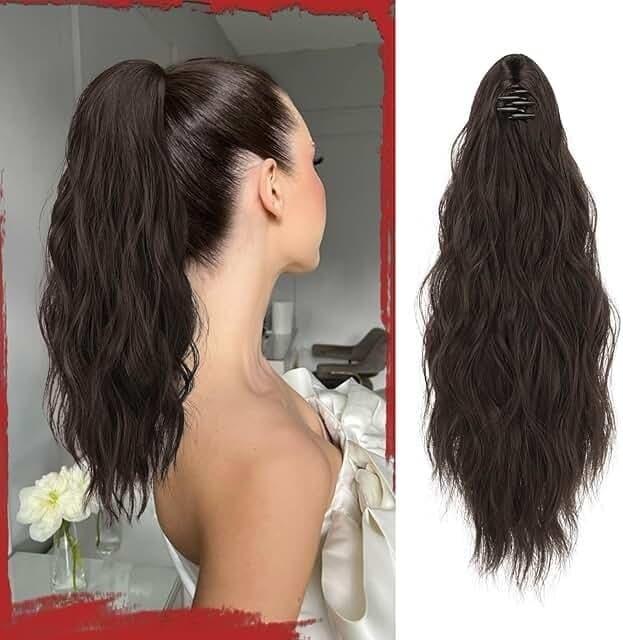
Beyond law and history, individual reasons for choosing wigs vary widely. Many women report practical advantages: wigs can be easy to maintain, allow public appearances without the daily task of styling covered hair, and can help a woman feel confident. For some, wigs provide a measure of privacy and a clear boundary between private marital life and public interaction. In communities where a covered style signals community identity, wearing a wig can strengthen a felt connection to shared tradition. Conversely, some women resist wigs due to concerns about authenticity, comfort, or religious interpretation, choosing scarves or hats instead. Understanding why do jewish women wear wigs requires sensitivity to these varied motives: legal obligation, aesthetic taste, convenience, identity, and personal conviction all interplay.
Psychological and identity aspects
Wearing a wig can be an act of devotion, a cultural symbol, or a practical choice — often all three at once.
For many women, the wig is not merely a garment but part of personal identity. Some speak of a wig as empowering: it frees them to engage socially without exposing their private hair, and it allows an expression of personal style within communal boundaries. Others find wigs constraining, heat-retaining, or emotionally distant from their idea of modesty. These internal dynamics are essential to any nuanced answer to why do jewish women wear wigs.
Types of wigs and materials: from traditional to contemporary
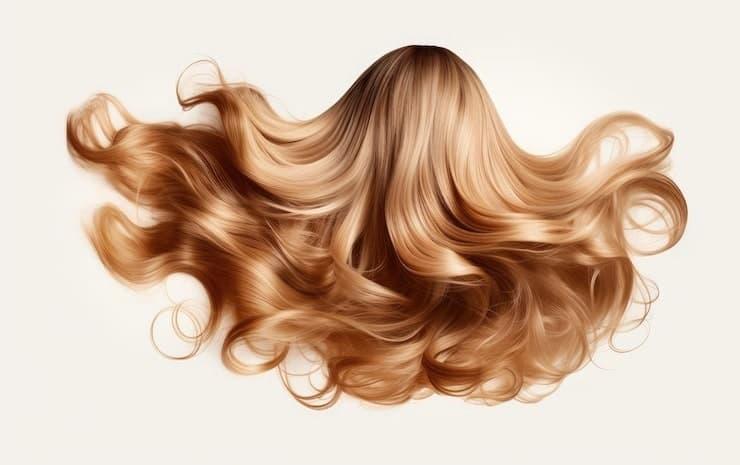
Wigs come in a spectrum of quality and style. Human-hair sheitels mimic natural hair closely, offer styling flexibility, and often carry a higher price; synthetic wigs are lighter on the wallet, require less maintenance, and come in many ready-to-wear designs; blended options combine pros and cons. Modern wig manufacturing includes machine-made caps, hand-tied constructions, lace fronts for natural hairlines, and even heat-friendly synthetic fibers. For a woman seeking to answer her own question of why do jewish women wear wigs, the choice of material affects comfort, longevity, appearance, and cost.
Styling and maintenance
- Daily care: brushing, washing with appropriate shampoos, and correct storage are important for wig longevity.
- Heat styling: human-hair wigs tolerate heat; certain synthetics do not.
- Professional services: many women use wig salons for cutting, shaping, and periodic maintenance.
- Cost considerations: investments vary widely, with some high-end sheitels costing as much as designer clothing, while economical synthetics are accessible to many.
Fashion, modernity and community norms
Community attitudes toward wigs have shifted over decades. In some ultra-Orthodox circles, plain wigs or complete rejection of wigs has gained prominence; in Modern Orthodox communities, fashionable wigs that comply with local interpretations of modesty are common. Media, beauty standards and global fashion trends influence wig aesthetics just as they do other garments. Consequently, part of the answer to why do jewish women wear wigs must account for cross-cultural influences and the tension between tradition and contemporary style.
Public perception and misunderstandings
Non-Jewish observers may misinterpret wigs as mere fashion or view hair covering as oppressive. Within Jewish discourse, debates animate public conversation: does wearing a wig signal empowerment or compliance? Is the practice primarily patriarchal, or can it be a feminist choice rooted in agency? Thoughtful analysis recognizes that the meaning of wigs depends on context and the voices of the women who wear them. The real explanatory thread behind why do jewish women wear wigs is complex interplay between law, culture, and personal will.
Controversies, criticisms and supportive perspectives
Critics raise concerns about wigs that simulate uncovered hair too well, arguing this contradicts the purpose of hair covering. Some feminist critiques view compulsory hair covering as limiting women's autonomy. Supporters counter that many women choose wigs freely, and for them, wigs are a way to integrate religious commitment with modern life. Religious authorities who favor wigs often emphasize intent: if covering hair is done sincerely as an act of piety and identity, wigs can be an appropriate medium. As you research why do jewish women wear wigs, it is vital to consider these debates and the diverse lived experiences behind them.
Legal, social and workplace implications
In secular societies, issues sometimes arise about workplace dress codes and religious expression. Employment cases have occasionally touched on whether wearing head coverings is allowable or if wig policies discriminate. Most modern legal frameworks protect a person's right to manifest religious practices, which often includes wearing hair coverings or wigs. However, individual cases vary by jurisdiction and institutional policy, illustrating another practical angle on why do jewish women wear wigs in contemporary life.
Practical guidance for someone considering a wig
If a woman is exploring wigs as a way to fulfill modesty obligations or to try a new look, consider these steps: consult a trusted religious advisor about communal expectations and halachic details; test different materials and styles to find comfort and confidence; evaluate budget and maintenance needs; and reflect on personal meaning — whether the wig feels authentic and spiritually coherent. Resources include local boutiques, online communities, and experienced stylists who specialize in sheitels. Answering the question why do jewish women wear wigs on a personal level means balancing religious guidance with practical realities and personal aesthetics.
Community resources and etiquette
- Local synagogues often provide guidance about community norms regarding wigs and head coverings.
- Sheitel salons and wigmakers can advise on styling compatible with halachic preferences.
- Online forums and support groups allow women to compare experiences and recommendations.
Global variations and cultural diversity
Across the Jewish world, practices vary dramatically. In many Sephardic and Mizrahi communities, head coverings come in different forms and may not emphasize wigs. Among Ashkenazi communities, wigs have greater visibility historically. The factors that answer why do jewish women wear wigs in Jerusalem might differ from those in New York, London, or Buenos Aires, reflecting communal norms, rabbinic leadership, and social expectations. Appreciating global variation helps prevent simplistic conclusions and highlights how diverse expressions of modesty can coexist within Judaism.
Concluding reflections
To summarize without repeating the original headline verbatim: the practice of married Jewish women wearing wigs is rooted in longstanding modesty norms, shaped by halachic debate, transformed by historical and technological developments, and expressed today through a range of personal, cultural and aesthetic motivations. The simple query of why do jewish women wear wigs has a multifaceted answer that spans law, history, identity and fashion. Importantly, the decision to wear a wig is often deeply personal; for many it is a sincere expression of faith and belonging, for others a pragmatic choice, and for some a point of contention. Understanding this practice requires listening to individual stories, seeing communal frameworks, and appreciating the complex interplay of tradition and modern life.
Further reading and next steps
Readers who want to delve deeper can consult classical sources, modern responsa literature, sociological studies on Jewish gender and ritual, and contemporary accounts by women who share their experiences wearing head coverings. Workshops at community centers and conversations with local rabbinic figures can provide practical guidance tailored to local norms.
FAQ
Q1: Is wearing a wig mandatory for all Jewish women?
Answer: No. Requirements vary by community and interpretation of halacha. Many married Orthodox women cover their hair, but methods differ; some choose wigs, others scarves or hats.
Q2: Are wigs considered modest if they look very natural?
Answer: Opinions differ. Some authorities accept natural-looking wigs as fulfilling the obligation; others worry they defeat the modesty purpose. Personal rabbinic guidance is recommended.
Q3: Can unmarried women wear wigs?
Answer: Generally, hair-covering obligations focus on married women, but some unmarried women may choose to cover their hair for personal or spiritual reasons; practices vary.
Related products
Blog
- is sabrina carpenter's hair a wig — uncovering the truth with photos, stylist insight, and a hairstyle timeline
- how to become a wig specialist step by step guide to mastering wig design fittings and launching your own wig business
- Man wigs Trends 2025 How to Choose Style and Care for a Natural Look
- How to style wig hair like a pro - step-by-step tips for natural, long-lasting results
- does nicole.kidman wear a wig Exploring the Hairstyle Truth, Stylist Insights and Visual Evidence
- does dijonai carrington wear a wig Uncovering Evidence, Hairstyle Analysis and the Photos Fans Miss
- Easy 7-Step Guide on how to install lace front wig without glue for a Natural, Secure Finish
- Easy step by step tips on how to make a wig look wet and glossy for a natural finish