
Easy 7-Step Guide on how to install lace front wig without glue for a Natural, Secure Finish

Seamless Lace-Front Application: A Glue-Free Method for a Natural Hairline
Installing a lace-front wig without adhesive can be easy, durable, and look incredibly realistic when you follow a reliable process. This comprehensive guide explains practical, step-by-step techniques and professional tips on how to install lace front wig without glue so you can achieve a secure, natural finish without relying on sticky products. Whether you're new to wigs or want a safer daily routine, the methods below emphasize scalp health, longevity, and an invisible hairline.
Why choose a glue-free installation?
Choosing glue-free options for lace-front wigs reduces skin irritation, makes removal faster and safer, and preserves both the lace and your natural hairline. Learning how to install lace front wig without glue also gives you flexibility to swap styles more often and reduces the risk of lace damage or residue buildup. In addition, glue-free installations are ideal for sensitive skin, frequent wig wearers, and anyone who wants a quick, reliable solution.
What you need before you start
- Tools and supplies: wig cap (nylon or mesh), rattail comb, wig clips or snap combs, sewing needle and thread (optional), elastic band or wig grip, bobby pins, small scissors (for lace trimming), edge brush, and makeup that matches your scalp (concealer, foundation, or powder).
- Wig prep: customize your lace-front wig by trimming excess lace, plucking knots where appropriate, and creating baby hairs for a realistic hairline. Pre-stretch the wig cap for a snug fit if needed.
- Scalp prep: cleanse and dry your hairline and scalp to remove oils. Use light moisturizer only if skin is dry; avoid heavy lotions that decrease grip.
Overview of glue-free attachment methods
There are several reliable glue-free systems for lace-front wigs: the elastic band (or "wig band") method, sewing the wig onto braided natural hair, using wig clips or snap combs, double-sided wig tape (non-permanent), and silicone wig grips. Each approach has advantages depending on activity level, head shape, and how long you plan to wear the wig. Throughout this article we emphasize practical steps and variations so you can master how to install lace front wig without glue using the technique that suits you best.
7-Step Glue-Free Installation Process
Step 1 — Prepare your natural hair and scalp
Start with clean, dry hair. Create flat cornrows or a low bun to achieve a smooth foundation. Put on a wig cap that matches your scalp tone—this helps create an even base and prevents friction. If you prefer, use two caps for extra hold: one to compress the hair, another to smooth and match skin tone. Make sure edges are laid flat using a light gel or an edge control product that won’t flake or transfer to the lace.
Step 2 — Customize the lace for a realistic hairline
Trim the lace carefully with small scissors, leaving 1-2 mm from the hairline. Avoid cutting too close to prevent weakening the knots. To better match your scalp, use a small amount of concealer or foundation on the underside of the lace or on the cap. Pluck sparse hairs along the hairline to soften the look and thin out densely packed knots. These small adjustments are essential for anyone learning how to install lace front wig without glue and wanting indistinguishable results.
Step 3 — Choose and attach your glue-free hold system
Pick the method that best fits your lifestyle:
- Elastic band/wig band method: Sew a soft elastic band from ear-to-ear inside the wig (or buy a wig with an elastic already attached). The band should be snug but comfortable. Place the wig on and wrap the band under your chin or at the nape. Tie or clip the band securely and hide any excess hair by adjusting the wig.
- Wig grips and silicone bands: Place a silicone grip around your head, just above the hairline. The grip creates friction that holds the lace without adhesives and works well during workouts.
- Sewing onto braids: For longer wear, braid your natural hair into cornrows and use a curved needle and thread to tack the wig down along the perimeter. This method provides a secure hold without glue but requires basic sewing skills.
- Wig clips or snap combs: Sew wig clips into the perimeter of the wig cap and clip them into your natural hair for added security. Use 3-5 clips depending on wig size and thickness.
Step 4 — Position the wig and secure the front
Align the wig so the front lace sits comfortably at your natural hairline. If using an elastic band, ensure it's centered and the wig is snug. Use small bobby pins or invisible wig clips near the temples and behind the ears to prevent shifting. For a seamless look, lay down baby hairs by carefully brushing and trimming select strands from the wig’s front and using lightweight gel to smooth them into place.
Step 5 — Blend the lace with your skin
To make the lace appear undetectable, lightly apply foundation or powder to the lace that matches your skin tone. Use a small brush to set the makeup and prevent transfer. Another subtle trick is to tint the lace underside with a fabric dye or tea rinse for a long-term color match on full lace wigs—but test on a small area first. Always avoid heavy layers of product; thin, natural-looking coverage works best.
Step 6 — Style without compromising hold
Once the wig is installed, style carefully. Use low-heat tools when necessary and avoid tugging on the hairline when curling or straightening. If you’ve sewn the wig down, be cautious while using hot tools near sewn areas. For the elastic band method, keep the band hidden beneath hair and ensure it does not kink when styling into ponytails or updos.
Step 7 — Remove and store properly to extend lifespan
Removal is one of the biggest benefits of learning how to install lace front wig without glue. Release any clips, untie and remove elastic bands, or gently unsew tacks if you used sewing. Avoid forceful pulling to protect the lace and your natural hair. Clean the wig with sulfate-free shampoo and condition, then air-dry on a wig stand to maintain shape. Store in a satin bag or on a mannequin head to prevent tangles and deformation.
Advanced tips for a pro look
- Bleach and tone knots selectively: Bleaching knots can create a more natural scalp appearance, but it can weaken hair if done excessively—consult a professional if unsure.
- Micro-adjustments: Slightly trimming lace, creating asymmetrical baby hairs, or adding a little concealer to the part line gives a custom look.
- Layered security: Combine methods—use an elastic band plus two hidden clips for active days or travel.
- Protect your edges: Alternate wear styles and give your natural hair rest days to avoid traction.
Common mistakes and how to avoid them
Many people new to glue-free methods over-tighten bands, fail to flatten their natural hair, or neglect to customize the lace. Over-tightening elastic or sewing too tightly can cause discomfort and tension on the hairline. To avoid this, make small adjustments and test wear for a day before long outings. Additionally, skipping lace tinting and failing to blend the cap with your skin tone often makes the wig obvious—use natural pigments and thin layers to solve this.
Maintenance and longevity
Wash your lace-front wig every 7–14 days depending on product buildup and wear. Use a mild, sulfate-free shampoo and nourishing conditioner. Detangle gently from ends upward with a wide-tooth comb. When not using the wig, store on a stand or mannequin to maintain shape and prevent flat spots. Regular maintenance increases lifespan and keeps lace delicate and believable.
Variations for different lifestyles
If you exercise frequently, choose a silicone wig grip or sew in additional interior combs to support active movement. For short-term daily wear, elastic bands or snap combs provide convenience. Travel-friendly solutions include lightweight wig grips that pack flat and tape alternatives that can be applied and removed easily—just remember tape is technically an adhesive, so if you want strictly no glue or sticky products, focus on elastic or sew-in methods.
Quick troubleshooting
Problem: Lace lifts at the temples. Solution: Add a small hidden clip or a dab of fashion tape (if you accept temporary adhesive) or re-place the elastic band slightly forward to anchor the front.
Problem: Scalp irritation from wig cap friction. Solution: Use a softer, breathable cap material or add a thin cotton barrier and ensure the cap isn't too tight.
Problem: Wig shifts during workouts. Solution: Use a silicone grip or stitch discreet inner combs for extra hold during high-impact activity.
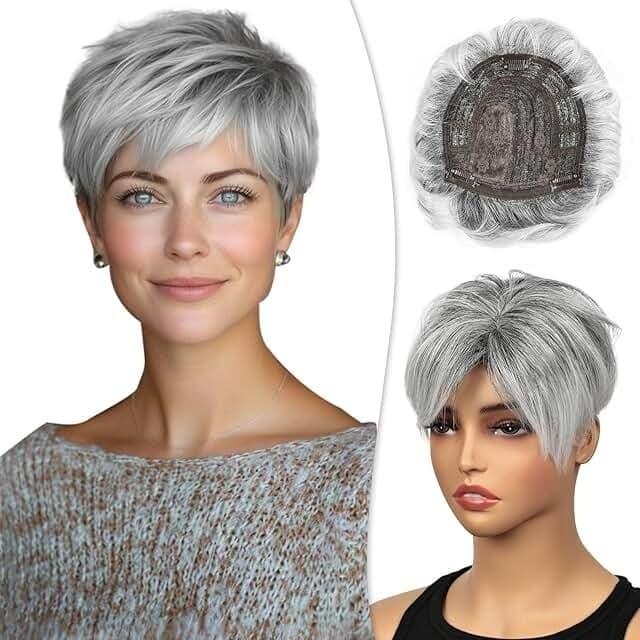
Natural finishing touches
To perfect the illusion of natural hair growth, create a defined center or side part and use a concealer pencil along the part line for depth. Lightly invest time into baby hair placement and feathering. For color matching at the part, a few drops of diluted eyeshadow or powder can simulate a scalp shadow without heavy product buildup.
Why practicing matters
Perfecting how to install lace front wig without glue takes a few practice runs. The first installation may feel unfamiliar—minor adjustments and patience yield dramatic improvements. Try different bands, clip placements, and makeup blending until you discover a routine that feels both secure and natural.
Checklist before you step out
- Scalp and cap are clean and dry.
- Lace has been trimmed and tinted to match the skin.
- Elastic band or grip is snug but comfortable.
- Hidden clips or combs are in place at temples and nape.
- Baby hairs are laid and set with non-flaky gel.
- Style is inspected from multiple angles for lift or gaps.
Final thoughts
Adopting glue-free methods is a smart choice for comfort, scalp health, and flexibility. This guide outlines multiple proven strategies for how to install lace front wig without glue, from elastic bands to sewing techniques and wig grips. With practice and mindful maintenance, you can enjoy a highly realistic look that’s secure, comfortable, and versatile.
Further reading and resources
Consider watching professional tutorials for sewing techniques and knot bleaching if you plan to customize wigs extensively. Local wig stylists and wig shops can also help tailor elastic bands, pre-bleach knots, or sew-in installations for optimal results. If you have sensitive skin or medical concerns, consult a dermatologist before applying new products or wearing tight headgear for extended periods.
FAQ
- Q: Can I wear a lace-front wig all day without glue?
- A: Yes—many glue-free systems such as elastic bands, silicone grips, and sew-in methods are designed for full-day wear. Ensure the fit is snug but not overly tight to avoid discomfort.
- Q: Is the elastic band method safe for my edges?
- A: When fitted correctly and not overly tight, elastic bands are generally safe. Alternate styles and give your natural hair regular rest days to prevent traction stress.
- Q: How do I make the lace look like my scalp without glue?
- A: Trim lace carefully, tint the lace or the cap with makeup to match skin tone, create a natural part, and use light concealer at the part line. Plucking knots and creating baby hairs enhance realism.
- Q: Which glue-free option is best for active lifestyles?
- A: Silicone wig grips and sew-in methods with secure internal combs or multiple hidden clips tend to hold best during exercise or travel.
By following these detailed steps, experimenting with small adjustments, and choosing the glue-free approach that suits your needs, you’ll quickly build confidence in your ability to install lace-front wigs without adhesives and achieve a natural, secure finish that looks professionally done.
Related products
Blog
- how to create a lace front wig - a beginner friendly step by step guide for flawless natural results
- does jane fonda wear a wig A fact check with photos stylist quotes and a hairstyle timeline
- what is density in wigs explained a practical guide to wig volume types and how to choose the right density for your style
- Exclusive styling tips inspired by a million little things pink wig and how to recreate the iconic look
- why are human-hair wigs more expensive Discover 7 real reasons and buying tips
- why did judges wear white wigs A concise guide to their history, symbolism and surprising reasons
- New look explained - why is lyle menendez wearing a wig and how it reshaped public opinion
- Why Did Lawyers Wear Wigs and How That Tradition Shaped Courtroom Authority Over Centuries