
who wore wigs first Uncovering the Ancient History Origins and Surprising Cultural Uses of Wigs
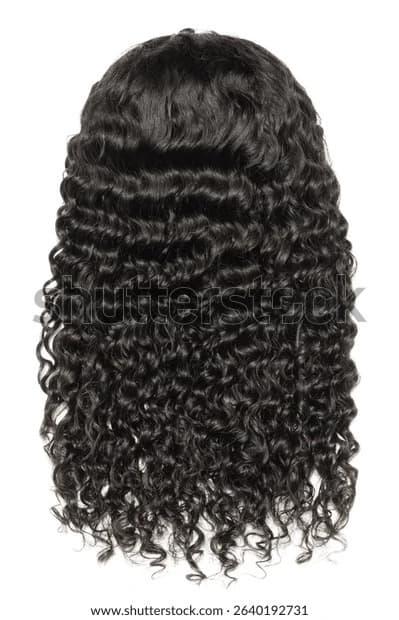
Who Wore Wigs First? Tracing Early Wearers and the Cultural Journey of Hairpieces
If your question centers on who wore wigs first, this exploration will unpack ancient evidence, social drivers, ceremonial uses and the surprising variety of societies that adopted hairpieces across millennia. The query who wore wigs first invites both a historical and anthropological detective story: it is not about a single inventor, but about convergent innovations in many regions where hair styles, climate, status signaling and ritual all intersected. This article is organized to help searchers and curious readers understand the archaeological record, the written sources, and the living traditions that together answer the broader question: which people or institutions first used artificial hair?
Overview: a multi-origin phenomenon
At a high level, the answer to who wore wigs first is multifaceted. Evidence suggests that the earliest reliably documented wig usage appears in ancient Egypt, where wigs and elaborate hairpieces are visible in artwork and preserved examples, but parallel practices emerged in Mesopotamia, China, the Mediterranean, and later in Europe. Instead of a single point of origin, wig-making and wearing developed independently in response to practical needs (hygiene, protection from the sun), social signaling (status, age, profession), and ceremonial or religious functions. For an SEO-friendly summary: the ancient Egyptians are often credited with early wig use, but other early cultures also adopted artificial hair for diverse reasons—so when someone asks who wore wigs first, historians typically say 'it depends on the context and the evidence.'
Ancient Egypt: the earliest clear evidence
One of the most frequently cited early answers to who wore wigs first is ancient Egypt. Archaeological finds, paintings in tombs, funerary masks and preserved hairpieces show that wigs were common among elites and workers alike. Wigs protected shaved scalps from harsh sun and lice, created uniform elegance for ceremonial occasions, and served as indicators of social rank. Pharaohs, priests and high-status women are often depicted wearing intricately braided wigs or shaven heads topped with decorated hairpieces. The practice dates back several millennia BCE and is well documented by durable materials and iconography. Egyptian wigmakers used human hair, plant fibers, and leather bases, demonstrating an early sophistication in wig technology. This strong early presence in Egypt makes it a core part of the answer to who wore wigs first.
Mesopotamia, Anatolia and the Near East: parallel traditions
Contemporary to Egypt, Mesopotamian and Anatolian cultures also used wigs and false hair. Reliefs and cylinder seals show stylized hair and beard treatments that could involve extensions and artificial elements. In many of these societies, the line between natural hair styling, extensions and wigs was fluid, yet the visible evidence and written records point to purposeful hair alteration. Luxury hairpieces signaled rank and were used in ritual contexts, reinforcing that the question of who wore wigs first must be treated as regionally multiple rather than universally single.
Class, status and gender: who wore wigs and why?
Understanding who wore wigs first also means exploring why wigs were adopted by particular groups. Across societies, common drivers included:
- Status display: Elaborate wigs often indicated wealth and position, used by rulers, nobility and religious elites.
- Practicality and hygiene: Shaving the head to cope with lice and heat made wigs a hygienic and fashionable solution.
- Ceremonial uses: Priests, actors, and officials used hairpieces as part of ritual attire to denote office or sacred roles.
- Theatrical performance: Acting traditions in places like ancient Greece used wigs to transform actors into different characters.
- Fashion and aesthetics: When aesthetics matter, populations innovate: wigs became fashion statements across different eras.
Ancient Greece and Rome: diffusion and adaptation
While Egyptian wig culture is ancient and well-preserved, classical Greece and Rome adapted hairpieces in their own ways. Greek theater frequently used masks and wigs to signal roles and ages; Roman elites used hairpieces and wigs made from imported hair when fashion demanded extreme styles. By the late Republic and Imperial centuries, wigs signaled status and could be extravagantly styled. Romans imported hair from northern Europe—an early example of a trade in human hair—so if one asks who wore wigs first in a Mediterranean classical sense, Roman and Greek theatrical and elite uses take a prominent place.
Asia: early East Asian practices
In East Asia, China and Japan also developed hair-ornamentation systems that included wigs, hairpieces, and elaborate headdresses. Ancient Chinese texts and grave goods indicate the use of hair extensions and ornaments. Japanese traditions such as the eboshi and later theatrical wigs for Noh and kabuki actors illustrate how hairpieces became important tools for aesthetics and performance. Thus, in an Asian context, asking who wore wigs first leads to different but equally rich local answers.
Medieval and early modern Europe: revival and reinvention
After the classical period and through the Middle Ages, wig usage in Western Europe waned and re-emerged at specific intervals. By the 16th and 17th centuries, European aristocracy revived wig usage in new forms. The fashion exploded in the 17th and 18th centuries, catalyzed by royal courts and hygiene concerns; for example, King Louis XIV of France set trends that made wigs synonymous with courtly status. This European renaissance of the wig is often mistakenly cited as the origin by casual observers who ask who wore wigs first, but the weight of archaeological evidence clearly predates this period by several thousand years.
Legal wigs and professional identity
Another context where one might ask who wore wigs first relates to legal and professional costumes. In Britain, the practice of wearing wigs in courts and by certain officials became standardized by the 17th century and persists in some jurisdictions today. These judicial wigs evolved from fashion but took on institutional meaning, signaling impartiality, continuity and solemnity. Professionals and officials in various cultures used hairpieces to communicate authority, so the question expands from early origins to how wigs became embedded in professional codes.
Materials and craftsmanship through the ages
Wig-making is an ancient craft. Early materials included human hair, wool, plant fibers and leather. Construction techniques ranged from simple braiding and wrapping to complex nets and wefts on frames. Over time, waxes, powders, dyes and starches were applied to shape and color wigs, especially in early modern Europe. The evolution of materials—toward synthetic fibers in the 20th century—changed accessibility and style, making wigs more democratic. When exploring who wore wigs first, look also at the parallel evolution of manufacturing methods and trade networks that supplied raw materials such as human hair.
Health, identity and social meaning
Wigs have been practical medical aids for centuries, used when illness or treatments caused hair loss. However, the social uses often outweighed medical ones; wigs conveyed identity, restored dignity and allowed cultural participation. Debates about authenticity—what is natural vs. artificial—often accompanied wig use. Understanding who wore wigs first requires attending to both practical and symbolic reasons why communities adopted hairpieces.
Key point: The simple query who wore wigs first opens a web of answers—ancient Egyptians show the earliest strong evidence, but wig-wearing developed independently in many regions for practical, social and ceremonial reasons.
Timeline highlights: a concise chronology
- Prehistoric era: hair decoration and extension practices likely existed before written records; organic materials rarely survive.
- Ancient Egypt (c. 3500–30 BCE): durable and visible evidence—wigs, funerary depictions, ritual use.
- Mesopotamia and Anatolia (3rd–2nd millennium BCE): hair treatments and artificial additions appear in reliefs and seals.
- Classical era (Greece & Rome): theatrical wigs, elite hairpieces and increasing trade in hair.
- East Asia (ancient–medieval periods): hair ornaments and theatrical wigs develop locally.
- Early modern Europe (17th–18th centuries): widespread fashionable wig use in courts and high society.
- Modern era (19th–21st centuries): medical, theatrical, fashion and identity-driven uses; synthetic materials democratize wig access.
Practical guidance: how to interpret the question in research
When tackling the SEO-driven query who wore wigs first, content creators should:
- Use authoritative sources: cite archaeological reports, museum collections and scholarly syntheses.
- Highlight regional nuance: clarify whether the question targets a specific culture, era or function of wigs.
- Provide timeline summaries and visual examples (in image-rich pages) to satisfy search intent.
- Distinguish between early functional uses (hygiene, protection) and later symbolic roles (status, law).
Common misconceptions
Several myths often circulate around the question who wore wigs first:
- That wigs originated in Europe: archaeological evidence shows much earlier use in Egypt and elsewhere.
- That wigs were always elite fashion: many cultures used wigs for daily hygiene, ritual or work-related reasons.
- That wigs are modern inventions: while materials evolved, the concept is ancient.
How wig-wearing reflected social change
From status markers in ancient courts to legal uniform in modern courts, wigs have tracked shifts in values—modesty, authority, theatricality—across societies. Analyzing who wore wigs first thus also illuminates how communities negotiate identity and difference. Wig usage can indicate cross-cultural exchange, trade in materials, and the movement of artisans. Understanding this broader picture helps an SEO-minded article provide rich context for queries about origins and impact.
Case studies: a few illustrative examples
1) Egyptian funerary wigs offer direct archaeological proof for early elite usage and funerary ritual.
2) Greek theater's use of wigs documents a specific performative function for hairpieces.
3) European court wigs show how fashion, politics and hygiene can combine to create a durable cultural practice. These case studies demonstrate that responding to who wore wigs first requires case-by-case attention.
Modern reverberations: wigs, wigs in popular culture and identity politics
Today wigs play roles in medical care, drag and performance cultures, fashion subcultures, and religious observance (for example, certain groups use head coverings or wigs in observance of modesty laws). The continuous reinvention and re-signification of wigs remind us that answering who wore wigs first is not merely a historical puzzle—it is a prompt to explore how objects of dress persist and change meaning.
Research directions and unanswered questions
Despite extensive evidence, gaps remain. Organic wig materials often degrade, so early adoption before durable records is hard to prove. Future discoveries in archaeology and improved biomolecular techniques could reveal earlier instances of hairpiece manufacture and use. Scholars continue to debate whether wig-wearing spread through trade and contact, or whether independent inventions were more common. When readers ask who wore wigs first, the best scholarly response combines material evidence, iconography and written records to draw cautious conclusions.

Practical resources for further reading
Visit museum collections with Egyptian or classical artifacts, search academic journals on costume history, and read syntheses of material culture to deepen your understanding of how wig use emerged and evolved. Photographic catalogues of preserved wigs and detailed museum descriptions are especially useful for visual and technical appreciation.
Takeaway
In short, the most defensible short answer to who wore wigs first recognizes ancient Egypt as among the earliest well-documented users, but emphasizes that wig use arose independently in multiple places for varied reasons. Wigs are an excellent example of how practical needs and cultural meanings coalesce to produce long-lasting dress practices.
FAQ
Q1: Who wore wigs first in recorded history?
A1: The best-documented earliest users are ancient Egyptians, visible in preserved hairpieces and iconography, but parallel traditions existed in Mesopotamia and elsewhere.
Q2: Were wigs originally practical or fashionable?
A2: Both. Early uses often combined practical concerns (hygiene, protection) with social signaling; over time wigs acquired strong fashion and ceremonial roles.
Q3: Did only elites wear wigs?
A3: Not exclusively—while elites often had the most elaborate wigs, workers, priests and performers used hairpieces for various reasons depending on culture and period.
Related products
Blog
- Why Wigs Matter Today — Expert Tips on Choosing, Wearing and Caring for Your Wig
- what is a half wig? Practical beginner's guide to styling, fitting and care
- was bella wearing a wig in eclipse - What the Evidence Shows, On Set Photos and Expert Insight
- Practical guide, how often to wash human hair wig and simple care steps for silky, long-lasting results
- how to make a closure for a wig DIY step by step guide for a natural looking finish
- ebony wigs Buying Guide 2025 Best Styles, Care Tips and Installation Secrets for Natural Looking Hair
- what is wig slang and how it exploded online with examples meanings and trending uses
- 7 Pro Tricks on how to make a wig look wet and naturally glossy for photos and everyday wear