
Understanding what is wig slang and why it matters online
If you've been scrolling through social feeds, watching short-form videos, or reading viral comments, you might have seen reactions like "wig," "wig snatched," or "my wig just flew." But what exactly does the expression mean, where did it come from, and how did what is wig slang become a staple of internet culture? This in-depth guide explores the origins, the evolving meanings, contextual examples, and the trending uses of the phrase across platforms, plus practical pointers for creators and brands who want to use the term with cultural sensitivity and SEO smarts.
Short answer: what is wig slang in a nutshell?
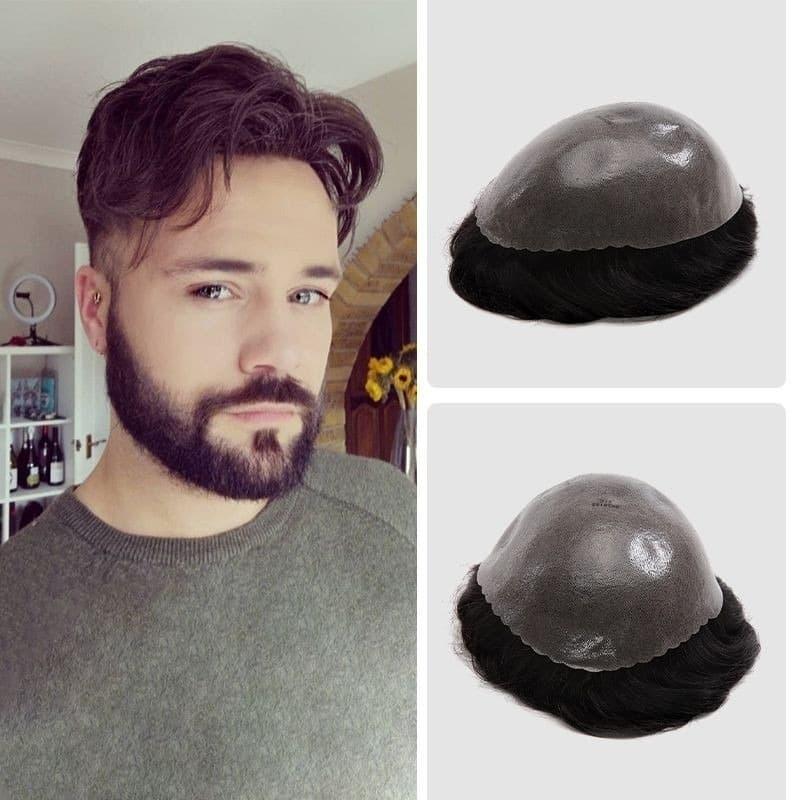
what is wig slang refers to a figurative, playful expression used to indicate intense surprise, shock, delight, or admiration. It's often shorthand for "my wig is snatched," an exaggerated way of saying "I'm so shocked or impressed that my hairpiece flew off." On social media the term functions as a reaction word, meme fuel, and a way to amplify emotional responses.
Where did the term originate and how did it spread?
To fully appreciate what is wig slang you need to look at cultural roots and digital amplification. The phrase grew from drag, ballroom culture, and Black queer communities where wigs and hair styling have social and performative importance. The expression "wig snatched" or "wig flew" was used colloquially to indicate a dramatic or jaw-dropping moment. From there the internet — especially Twitter, Tumblr, Instagram, and later TikTok — imported and transformed the term into memeable quick-reaction language.
Timeline snapshot
- Pre-internet and early internet: slang around hair, wigs, and performance existed in niche communities.
- Early 2010s: "wig snatched" appears in fan communities and meme culture.
- Mid-to-late 2010s: platforms like Twitter and Instagram accelerate use; GIFs and memes pair the phrase with dramatic visuals.
- 2020s TikTok boom: short video formats and audio trends make "wig" a reactive caption or part of a reaction sound that spreads rapidly.
Common senses and examples of usage
Understanding what is wig slang depends on context. Here are common meanings and examples:
- Shock/Surprise: "When she landed that note, my wig." (Meaning: the performance was so surprising it metaphorically knocked the wig off.)
- Admiration/Awe: "That outfit? Wig. Entirely snatched." (Meaning: the outfit was extremely impressive.)
- Humor/Irony: Paired with silly or intentionally over-the-top content to elicit laughs.
- Defeat or Overwhelm: "I tried to keep calm but the plot twist wigged me." (Used to indicate being overwhelmed emotionally.)
- Memetic reaction: Used as a caption or thrown into comments to indicate a viral reaction to content.
Real examples from platforms (paraphrased for clarity)
Examples help solidify the nuances of what is wig slang. Here are paraphrased examples that show how people use the term without quoting specific posts:
- Video of a dancer pulls an unexpected flip — caption: "This literally got my wig."
- Makeup tutorial lands an insane transformation — comment: "Wig snatched, take all my tips."
- Plot twist in a web series — viewer tweet: "That finale? Wig went."
- Celebrity reveals a look at an award show — fan thread: "That dress had me screaming, wig completely gone."
Variations, abbreviations, and related phrases
Language evolves quickly online and what is wig slang has spawned numerous variations:
- "Wig snatched": the wig has been metaphorically taken off — strongest praise or surprise.
- "Wig flew": a slightly softer, humorous version implying shock.
- "Wig?": rhetorical question used to indicate disbelief or amazement.
- "Wigged": past participle form used as an adjective for something astonishing.
- Emoji pairings: