
7 Pro Tricks on how to make a wig look wet and naturally glossy for photos and everyday wear
Pro-level Guide: Achieving a Wet-Look Wig That Reads Natural in Photos and Daily Life
If you've ever wondered how to make a wig look wet without it appearing sticky, fake, or weighed down, you're in the right place. This comprehensive walkthrough covers why certain techniques work, product choices, DIY mixtures, styling methods, care routines, and photography tips to preserve that glossy, fresh-from-the-shower shine while keeping fibers healthy. Whether you wear lace front human hair, synthetic fiber, or heat-friendly blends, these professional strategies will help you create a believable wet effect that lasts through a shoot or an entire day.
Why a wet look works and when to use it
The wet aesthetic enhances dimension, reflects light, and can appear intentionally sleek or sensual depending on application. Photographers and content creators love the wet look because it accentuates strands, creates pronounced highlights, and gives structure to styles like slicked-back buns, deep side parts, and sculpted waves. But the goal isn't to drench the wig — it's to simulate moisture with products that bind, seal, and enhance shine without residue or stiffness.
Core principle: mimic hydration, avoid saturation
The trick is to create a thin, even layer of ingredients that replicate the appearance of water on hair. Think sheen + separation rather than dampness. Use lightweight gels, glycerin-based serums, or diluted leave-in conditioners applied sparingly and sealed with a small amount of shine enhancer. This approach works for human hair and many synthetic wigs, but formulas and heat rules differ.
Seven professional techniques (expanded and practical)
1. Prep: wash, detangle, and prime
Start with a clean base. Oils, dust, and product buildup prevent even gloss. For human hair wigs, use a gentle sulfate-free clarifying shampoo followed by a lightweight conditioner focused on the mid-lengths and ends. For synthetic wigs, use a specially formulated synthetic shampoo and conditioner and rinse thoroughly. After washing, gently towel blot with microfiber to remove excess water, then detangle with a wide-tooth comb or paddle brush designed for wigs. A well-prepped cap and fiber set the stage for an even wet-look application.
2. Use a diluted gel-water mix for a realistic sheen
Professional stylists often rely on a simple mixture: 1 part lightweight styling gel to 3-5 parts distilled water in a mist bottle. Spritz lightly and rake fingers through sections. The gel gives hold and separation while the water thins the product so it lands like moisture, not glue. For a glossier finish, add a pump of silicone-based serum but keep the ratio minimal to avoid a greasy look. This diluted method answers how to make a wig look wet by balancing hydration appearance and structure.
3. Glycerin + water for long-lasting wet appeal
Glycerin is hygroscopic, which means it draws moisture and creates a natural-looking gloss. Combine 1 teaspoon of vegetable glycerin with 1 cup of distilled water and a tiny squirt of leave-in conditioner. Transfer to a spray bottle and apply in light layers, concentrating on mid-lengths to ends. Beware: glycerin can attract humidity, so adjust concentration based on climate. This is an excellent option for cooler, dry environments and studio shoots where humidity is controlled.
4. Mousse or foam for texture + shine
A weightless mousse can define strands and maintain separation while offering a wet-like finish when paired with a shine spray. Apply mousse to damp wig fibers (synthetic-safe if needed), distribute evenly, then use a small amount of gel or serum on the outer surface to boost reflective quality. Mousse is especially helpful when creating movement in wet-look waves or defined tendrils without flattening the entire style.
5. Gloss serums and anti-frizz poli-shine
Choose a silicone-based serum with a low viscosity. Apply dime-sized amounts to palms, warm it, and lightly smooth over the surface. For high-shine photos, experiment with mixing a drop of serum into a mist bottle with water and a tiny pinch of gel to create a balanced spray. Keep excess away from the roots to avoid slick scalp appearances unless you're intentionally going for a gelled-down hairline. Proper application answers the practical question of how to make a wig look wet while keeping hair touchable.
6. Sculpt with a toothbrush or detailing brush for edges
For lace fronts or natural-looking hairlines, use a small toothbrush or spoolie to lay down baby hairs and edges using a light gel or edge control. Brush short pieces forward and use the brush to shape subtle flyaways into tiny, separated tendrils. This micro-detailing mimics the way water clings to shorter hairs and makes the overall wet appearance far more convincing.
7. Heat-styling and sealing for human hair wigs
For human hair wigs, gentle heat can help set the wet look. After applying your gel/water or serum mixture, use a low-heat flat iron or diffuser to set waves or sleek strands — always use a heat protectant. Seal with a feather-light shine spray to lock in gloss. Avoid high heat on synthetic fibers; if your synthetic wig is heat-friendly, follow the manufacturer's maximum temperature guidance and still rely more on product than on hot tools.
Step-by-step application routine (a repeatable protocol)
- Clean the wig thoroughly and towel-blot or air-dry until slightly damp (not dripping).
- Detangle and section the wig into manageable parts with clips or ties.
- Mix your chosen wet-look solution in a spray bottle: basic recipe = 1:4 gel:water or glycerin blend for more sustained shine.
- Spray lightly from 8-12 inches away, working in vertical panels and raking through with your fingers or a wide-tooth comb for even distribution.
- Detail the hairline and tendrils with a toothbrush and a small amount of denser gel.
- For human hair: use low heat to set; for synthetic: allow to air-dry or use a cool setting diffuser where safe.
- Finish with a spritz of shine spray and a light mist of hairspray if extra hold is needed for wind or movement during shoots.
Product selection cheat-sheet
Not all gels and serums produce the same effect. Look for: alcohol-free gels that dry glossy rather than matte; silicone-based serums labeled for frizz-control and shine; lightweight leave-in conditioners with dimethicone or cyclomethicone for reflectivity; glycerin and vegetable-based serums for a more natural, tacky texture. Avoid heavy oils (like pure coconut oil) as they can saturate fibers and create greasy patches that read poorly in photos.
DIY recipes for budget-friendly wet looks
Recipe A — Basic gel-mist: 1 tablespoon clear aloe vera gel, 1 cup distilled water, 1 teaspoon light leave-in conditioner. Shake and mist.
Recipe B — Glycerin glow: 1 teaspoon vegetable glycerin, 1 cup distilled water, ½ teaspoon silicone serum. Light mist and avoid scalp application.
Recipe C — Mousse + mist hybrid: 1 pump mousse + 3 pumps water + 1 drop serum in a small spray bottle. Emulsify before each use.

Applying to different wig bases
Lace-front wigs: focus detail on baby hairs and hairline; use a lower concentration of product at the lace to prevent breakdown of adhesives.
Monofilament or hand-tied caps: avoid heavy oils on the cap; work product on fibers only and let the cap remain dry as much as possible.
Wefted caps: you have more margin for product near parting areas but still distribute evenly to preserve balance.
Photography and lighting tips to enhance the wet effect
Light placement is crucial. Use a soft key light to create diffuse highlights and a rim light to enhance the sheen along edges. Backlighting or side-lighting will emphasize separation and create sparkling highlights on the glossy surfaces. Camera settings: slightly underexpose to preserve highlight detail and avoid blown-out specular reflections. For close-ups, use a macro lens or a mid-range prime to capture texture without distortion.
Common problems and fixes
Problem: product looks sticky or clumpy — fix by diluting with more distilled water and reworking with a comb.
Problem: buildup and dullness after repeated use — clarify the wig with a sulfate-free clarifying wash, then apply a lighter maintenance routine.
Problem: synthetic fibers appear melted after heat — stop immediately and consider replacing the wig or using non-heat styling methods only.
Maintenance and longevity
To extend the life of a wet-look finish, clean the wig after 3-5 wearings depending on product load. Use a deep clean when necessary and reapply minimal product for subsequent wears. Store the wig on a stand or mannequin head to keep shape and prevent flattening that can compromise future wet-look styling.
Safety and scalp considerations
If you're applying products near a natural hairline or skin, test small amounts for irritation. Some gels and serums contain fragrances or alcohols that can dry the skin. When gluing lace fronts, use products away from adhesive lines, and ensure adhesives are fully cured before applying wet-look products to reduce interference.
How to create variations on the wet look
- Slicked-back polish: heavy gel at hairline, light mist mid-lengths, set with low heat for human hair.
- Tousled wet waves: apply mousse to damp fibers, scrunch, mist with diluted gel, finger-comb and air-dry.
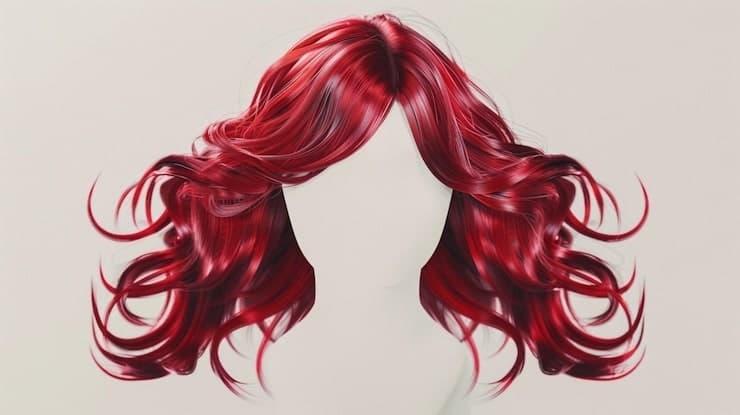
- Slick part with glossy tendrils: emphasize part with denser gel, create defined tendrils with toothbrush and seal with shine spray.
Styling for different occasions
Daytime wear: keep application subtle — less than you think. Use a lightweight clear serum and avoid head-high holds. Photoshoots: you can increase concentration and sculpt more defined shapes as camera angles and lighting will reward more dramatic texture.
Key takeaways and quick-reference checklist
Checklist: clean base, dilute product, apply sparingly, detail edges, set appropriately, finish with shine spray, clarify regularly. Remember the keyword focus — if you asked “how to make a wig look wet” — these are the repeated, reliable steps professionals use.
Advanced pro tips from stylists
Some stylists layer products: start with a leave-in to hydrate, add a glycerin mix for shine and finish with a micro-drop of silicone serum for light reflection. Always build in thin layers rather than one heavy coat. When shooting on location, carry a small travel mist and toothbrush for quick touch-ups between takes.
When to consult a pro
If you work with high-value human hair lace wigs or couture pieces, a professional stylist can custom-blend a product to your fiber type and desired sheen level. For editorial work, a pro can match the wet look to wardrobe and makeup for cohesive visuals.
Small-section technique for ultra-realistic texture
Work in 1-2 inch vertical segments. Mist, rake, and smooth, then immediately detail with a toothbrush. This micro-approach creates believable water-clinging patterns that photo lighting will catch. This answers many creators’ curiosity about how to make a wig look wet that reads authentic under close scrutiny.
Environmental considerations
High humidity can exaggerate glycerin-based mixtures; reduce glycerin in coastal climates. Conversely, in dry studio environments, glycerin can enhance longevity. Adjust mixes to match climate and storage conditions to maintain a consistent look.
Shopping tips for ready-made wet-look sprays
When selecting commercial wet-look sprays, read labels for silicone content and alcohols. Prefer formulas that promise shine and light hold without flakes. Test on a small, inconspicuous section if possible — especially on colored or delicate fibers.
Final notes on technique and experimentation
Mastering the wet look is iterative: practice on an inexpensive wig first, experiment with product ratios, and refine application techniques until you achieve the exact balance of shine, separation, and flexibility that suits your style. Keep a small notebook or digital notes on mixes that worked so you can recreate them reliably.
FAQ
Yes — use diluted gel or glycerin mixes and air-dry. Detail with a toothbrush for separation. Avoid heat unless the wig is labeled heat-friendly.
Q2: Will frequent wet-look styling damage my wig?Frequent use of heavy oils or alcohol-based products can degrade fibers. Use lightweight products, clarify regularly, and rotate styles to prolong lifespan.
Q3: What’s the best product for long photography sessions?Layer a glycerin mist with a low-viscosity silicone serum, seal with a light shine spray, and bring a travel mist for touch-ups. Keep product away from adhesive lines and fragile cap materials.
This guide prioritizes realistic techniques and safe product use so that whether you're prepping for a photoshoot or aiming for a chic everyday finish, you know precisely how to make a wig look wet in a way that appears natural, glossy, and camera-ready.
Related products
Blog
- did bella wear a wig in twilight — uncovering the truth about Bella Swan's hair wigs and on-screen styling
- Where to Find a Good Wig - Best Online Shops, Local Boutiques and Care Tips
- How to Put a Halloween Wig On with Easy Steps, Secure Fit Tips and Quick Styling
- the wig shop boston insider buying guide and honest reviews for finding the best natural and synthetic wigs
- Why Wigs Matter Today — Expert Tips on Choosing, Wearing and Caring for Your Wig
- what celebs wear wigs — surprising stars revealed, how they style them and where to find similar looks
- what are wigs made of - Ultimate guide to human hair, synthetic fibers, lace fronts and cap construction
- What Color Is a DR2-Choswi Wig - Quick Guide to Shades, Matching and Styling Tips