
what is a half wig? Practical beginner's guide to styling, fitting and care

Understanding the Question: what is a half wig
If you've ever stood in front of a mirror wondering about easy, natural-looking options to refresh your hair without a full wig commitment, you've likely asked yourself some version of what is a half wig. This comprehensive beginner's guide explains the concept, dissects the types and construction, walks through fitting and blending strategies, and offers practical maintenance advice so you can start wearing one with confidence. The goal here is to demystify half wigs, giving clear, actionable steps for styling, fitting and ongoing care.
Quick definition: what is a half wig in plain terms?
A half wig is a hairpiece that covers only part of the head, usually from the crown to the nape, leaving the natural hairline and front hair exposed. Unlike full wigs that envelop the entire scalp, a half wig is designed to be clipped or sewn over the back or middle portion of your natural hair. For many, a half wig offers a balance between convenience and a natural look because it blends with real hair at the front, allowing for visible baby hairs and natural hairlines.
Why people choose a half wig
- Natural appearance: The exposed front allows you to show your actual hairline, making the style look less like a wig.
- Lower maintenance: Compared to full wigs, half wigs are lighter and often easier to care for.
- Comfort: Better ventilation for the scalp as parts remain uncovered.
- Quick style changes: Clip-ins or sew-ins let you change length, volume and texture fast.
- Protective styling: Half wigs can shield much of your natural hair from heat and styling damage while still showing healthy edges.
Core components and construction
Understanding the build of a half wig helps you choose the right one and fit it properly. Most half wigs include:
- Base/Cap: A partial cap that anchors to your hair using clips, combs or elastic bands.
- Hair Wefts or Lace: Sewn onto the base; may be synthetic or human hair, and may include lace along the front edge for a seamless blend.
- Attachment hardware: Clips, combs, or adjustable straps for securing the piece to your natural hair.
- Concealment features: Some half wigs include a small strip of lace or a thin cap at the front to ease blending with your natural part.
Types of half wigs
Not all partial wigs are created equal. The main variations include:
- Clip-in half wigs: Quick to apply, best for temporary style changes and beginners.
- Sewn-in or halo half wigs: Can be more secure and last longer between adjustments.
- Lace-front half wigs: Offer the most natural-looking hairline along the exposed front portion.
- Machine-made vs Hand-tied: Hand-tied wefts typically move more naturally and offer better comfort.
Materials: human hair vs synthetic
Material choice has a big impact on look, styling versatility and care needs. Human hair half wigs can be heat-styled, colored and blended more convincingly with your own hair. Synthetic half wigs are generally more affordable and can hold pre-styled shapes longer, but they cannot tolerate high heat and may appear less natural unless high-grade fiber is used.
Choosing the right half wig for your lifestyle
When you evaluate options, consider:
- Lifestyle: Do you need something for daily wear, special occasions, or workouts? Breathable caps and secure attachments are essential for active lifestyles.
- Hair color and texture: Match the wig's texture and color to your natural hair for the least blending work. If your natural hair has waves or curls, choose a half wig with similar movement.
- Budget: Higher-quality human hair will be costlier but offers longevity and styling flexibility.
- Maintenance: If you’re low on time, a synthetic piece with a stable pre-set shape could be better.
How to fit a half wig: step-by-step guide
Proper fit is crucial for comfort and a natural finish. Follow these steps:
- Prepare your hair: For short hair, brush and flatten the top area; for long hair, braid or flat-twist the back where the half wig will sit to create a smooth base.
- Measure and adjust: Many half wigs have adjustable straps; use them to center the piece from ear to ear and ensure the clips align with the bulk of your natural hair.
- Secure the front edge properly: If your half wig has a lace or frontal strip, place it slightly behind your natural hairline and blend edges with a small amount of concealer or powder that matches your scalp tone.
- Clip or sew in place: Clip-in styles are fast—snap the clips onto your braids or hair. Sew-in half wigs require more time and are best done by a professional unless you are experienced.
- Final blending: Gently comb your natural hair over the seam to hide the edges; style bangs or baby hairs as needed.
Remember: practice makes perfect. The first few applications may take longer; with repetition you will learn tricks that save time and make the wig look seamless.
Styling tips for a natural finish
To enhance realism and comfort, try these styling techniques:
- Color-correct the part: Use a brow powder or root-touch pen along the part line to mimic scalp depth and reduce any shine from lace.
- Create a soft transition: Leave a bit of your own hair out along the front or sides to camouflage the seam.
- Use heat wisely: Only apply heat to human-hair half wigs or heat-resistant synthetic fibers, and always use a heat protectant spray.
- Trim strategically: A stylist can trim the half wig to better match your face shape and natural hair density.
- Secure for activity: For exercise, add additional combs or a thin elastic band under your hair to prevent slipping.
Blending the seam: small details that matter
Seam blending is where many half wig looks succeed or fail. Try these details to disguise the joint between the wig and your hair:
- Feather the edges: Use thinning shears to soften any abrupt edge where the wig meets natural hair.
- Baby hair styling: Lightly gel and swoop small sections of your own hair over the seam.
- Mini braids or twists: Integrate the base with tiny braids around the attachment area for textured blends.
- Accessories: Scarves, headbands, or clips can both hide a tough seam and add style.
Care and maintenance: keeping your half wig fresh
Proper care extends the life of both synthetic and human-hair half wigs. Core practices include:
- Gentle washing: Wash human-hair half wigs with a mild sulfate-free shampoo and conditioner; for synthetic units use a specially formulated wig shampoo. Avoid vigorous rubbing and always rinse with cool water.
- Detangling:
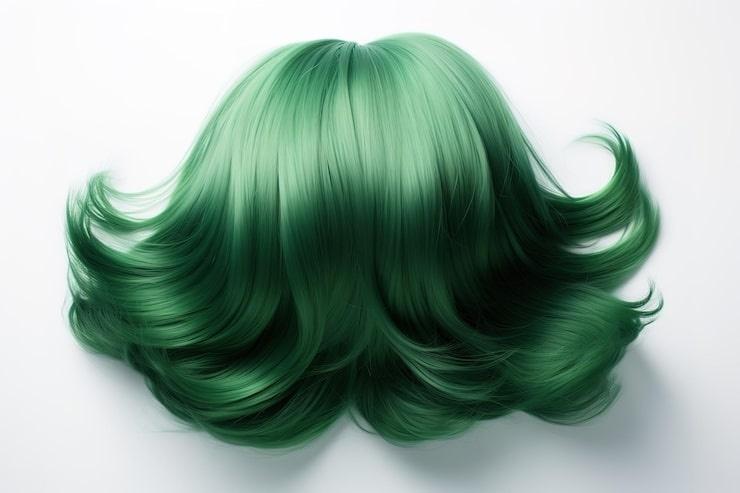 Work from ends toward the cap using a wide-tooth comb or wig brush designed for the hair type.
 - Drying: Pat dry with a microfiber towel; do not wring. For human hair, air-dry on a wig stand to maintain shape and avoid heat damage. Synthetic wigs often require reshape while damp to keep the style.
- Storage: Store on a form or breathable bag to preserve shape and prevent tangling or dust accumulation.
- Sleeping: Remove most half wigs before sleeping if possible; use a silk scarf if you prefer sleeping with it on to limit friction.
Washing frequency and tips

How often you wash depends on wear frequency and lifestyle: every 7–14 days for daily wearers who live in humid or polluted areas, and less often for occasional wearers. Always use lukewarm water for human hair and follow with a light conditioner applied from mid-shaft to ends. For lace-front half wigs, avoid saturating the lace with heavy conditioners; focus on the hair fibers instead.
Repair and longevity
With time, clips may loosen and wefts may require reinforcement. Small tears in lace can be mended by a professional wig technician or with a lace repair kit. If the fibers begin to frizz, try a specialized wig conditioning treatment or consider rewefting a section rather than replacing the entire piece to extend lifespan.
Common mistakes and how to avoid them
New users often make these mistakes; avoid them to maintain a natural look:
- Choosing the wrong cap size: Measure your head and pick a cap that fits snugly but not painfully tight.
- Ignoring color match:
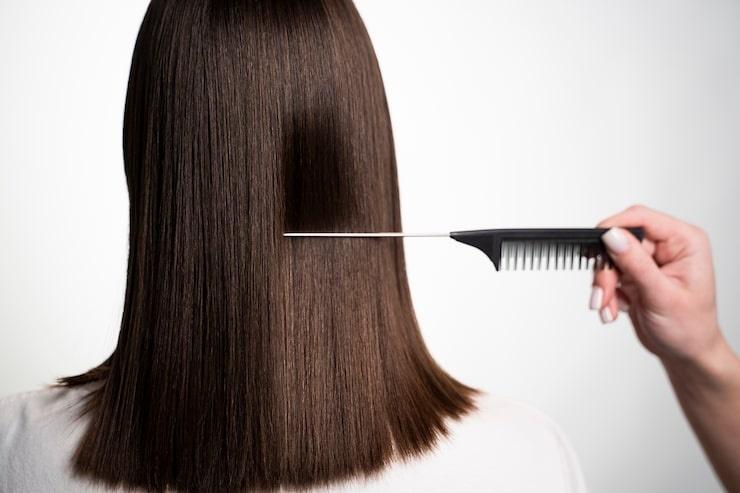 Too stark a contrast between the wig and your roots makes the piece obvious. Blend with highlights or lowlights if needed.
 - Over-styling synthetic fiber: Using high heat on non-heat-friendly fibers will melt or damage them.
- Skipping regular maintenance: Neglected pieces tangle, fade and deteriorate faster.
Special use-cases: half wigs for hair loss and medical needs
For those experiencing thinning or medical hair loss, a half wig can offer coverage while still allowing for a more personal hairline. Medical-grade half wigs often feature softer, hypoallergenic bases and enhanced adjustment systems to keep the piece secure and comfortable for long wear.
Budgeting and investment: cost expectations
Prices vary widely: synthetic half wigs can start modestly, while human-hair, hand-tied lace pieces command premium prices. Factor in additional costs like professional fitting, periodic maintenance, and styling tools. Investing in higher-quality pieces often pays off with greater durability and more natural results.
Where to buy and how to test a purchase
Buy from reputable retailers that offer clear return policies and good photography. If possible, try on in-store or order from online stores with robust customer reviews and clear color swatches. Request samples when available, and keep receipts and packaging until you’re satisfied with the fit and look.
Practical daily routine checklist
- Morning: check clips and straps, smooth the seam, add a small amount of styling serum to tame frizz.
- Midday: assess for slippage after activity and re-secure if needed.
- Night: remove if possible, lightly brush and store on a stand or in a breathable bag.
Final styling hacks for pros and beginners
Use dry shampoo at the roots of human-hair half wigs to add volume without washing; practice creating a balanced silhouette by distributing volume evenly; and consider occasional salon visits for reshaping and maintenance so the half wig remains a flattering extension of your natural hair.
FAQ
Q: How long does a half wig last?
A: Longevity depends on material and care. With consistent, gentle maintenance a human-hair half wig can last 6–12 months or longer; synthetic units may last 3–6 months with frequent wear.
Q: Can I style a half wig the same as my natural hair?
A: Human-hair half wigs can be styled with heat tools and colored, but synthetic wigs usually have limitations—always check fiber specifications.
Q: Is a half wig easy to put on by myself?
A: Yes. Clip-in half wigs are beginner-friendly. Sew-in and some lace-front types might require professional help for optimal fit.
Q: Will wearing a half wig cause hair loss?
A: Not if fitted correctly. Avoid overly tight straps and heavy daily tension; give your scalp breaks to maintain hair health.
If you still find yourself wondering what is a half wig in a deeper technical sense, remember that it is essentially a compromise between a full wig and a mere extension or topper — offering natural front exposure, easy changeability and generally lighter wear. Whether you choose clip-in convenience or a more permanent sew-in solution, the half wig is designed to boost confidence, offer styling freedom, and protect natural hair when cared for properly.
Now that you understand the fundamentals—construction, fitting, styling and care—you can make a confident selection and integrate a half wig into your regular beauty routine.
Related products
Blog
- why lyle menendez had a wig revealed by new accounts and trial records
- how do you make wigs look real with simple pro techniques for natural hairlines, texture and seamless blending
- why does nicole kidman's hair look like a wig A stylist's insider breakdown of wigs extensions and red carpet styling
- How to Make Wigs Look Natural with Pro Styling Tips for a Realistic Hairline
- can i straighten a synthetic wig — expert guide to safe heat, flat iron options and no-damage styling
- When did powdered wigs go out of fashion and why they fell from favor in the 18th and 19th centuries
- why does nicole kidman wear wigs explained with insider facts about her hairstyles and film roles
- Ultimate Guide to Choosing Styling and Caring for a powdered wig for Reenactments Theatre and Film