
Ultimate Buying Guide to Wig Caps That Fit, Breathe and Stay Secure
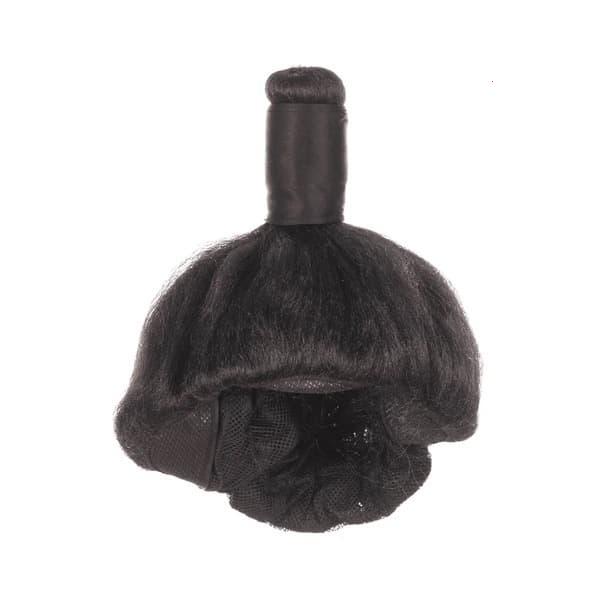
Choosing the Right Wig Caps: A Practical Guide to Fit, Breathability and Security
Finding the ideal wig caps combines practical measurement, knowledge of materials, and attention to construction details that determine how a cap will sit, breathe and stay secure during daily wear. This guide breaks down the essential factors to consider so you can select wig caps that match your lifestyle, comfort needs and styling goals without guessing or repeated returns.
Why the Cap Matters More Than You Think
Many shoppers focus on the hair or lace style while overlooking the foundation: the cap. A well-made wig caps foundation affects appearance, scalp comfort and longevity. The cap determines airflow, stretch, and anchoring points for clips or straps. If a cap is too tight it causes headaches and traction, and if too loose the wig moves and looks unnatural. Prioritize cap choice first and hair later for best results.
Key Design Types of Wig Caps
- Stretch/Standard Caps — Elasticized caps that conform to many head shapes; great for quick wearers and budget-friendly options.
- Lace Front Caps — Offer a natural hairline at the front; pair with a breathable cap base for comfort.
- Monofilament Tops — Provide realistic parting and scalp appearance; ideal for viewers who want a natural top.
- Full Lace Caps — Maximum versatility for styling in updos but can be pricier and require careful maintenance.
- Silk/Silk-Like Tops — Mimic the scalp well and reduce visible knots, often slightly warmer but very natural-looking.
Construction Details That Impact Fit
Small design choices like the presence of adjustable straps, combs, sewn-in elastic bands, and the quality of ear tabs can drastically change how a cap feels and performs. Premium wig caps will have reinforced stitching and soft edges at the nape and ears to reduce irritation while keeping the piece stable.
Sizing and Measuring for Accurate Fit
Use a soft measuring tape to get the most reliable measurements: forehead-to-back, around the crown, and full circumference. Most brands provide a sizing chart, but because sizes vary, measuring your head and comparing to the brand’s chart is essential. Below is a quick reference table to help translate measurements to common size labels.
| Head circumference (in) | Common Size |
|---|---|
| 20 – 21 | Petite |
| 21 – 22.5 | Average/Medium |
| 22.5 – 24 | Large |
Remember that stretch caps provide more wig caps flexibility, so if your measurement is borderline, a stretch-cap style may be preferable. For non-stretch lace or full-lace designs, precise sizing matters more.
Material Choices: Breathability and Comfort
Material dictates how well a cap breathes and how comfortable it is in prolonged wear. Mesh, cotton blends and monofilament are breathable choices that encourage airflow and reduce sweat build-up. Silicone-lined or latex edges can offer grip but may trap heat — so balance security needs with comfort demands. When shopping, look for terms like "breathable mesh", "open wefting", and "ventilated nape" in product descriptions for better airflow.
Quick Comparison
- Mesh/Open Wefting: Superior breathability, lightweight.
- Monofilament: Realistic scalp look, moderate breathability.
- Silk/Silk-Like: Natural appearance, slightly warmer.
- Polyester/Thicker Fabrics: Durable but may reduce airflow.
Adjustability and Security Options
Security features influence how a wig stays on during movement, workouts or windy days. Look for:
- Adjustable straps for custom tightness.
- Combs and snap clips positioned near the temples and nape.
- Elastic bands that distribute tension evenly across the back of the head.
- Adhesive-ready edges for lace fronts if you prefer tape or glue.
Combination systems — straps plus combs — often deliver the best balance of comfort and hold. If you pursue an adhesive bond, ensure the cap material is compatible (some silicones and dense fabrics do not adhere well).

Breathability Tests to Do at Home
Before committing to a new cap style, you can perform quick checks: feel the inside for ventilation holes or open wefts, test stretch and recovery, and breathe through the cap to perceive airflow. If you plan to wear wigs for extended periods or in warm climates, prioritize caps with mesh and open-weft construction. A cap that passes these informal tests will likely perform well during daily use.
Styling and Parting: Where Cap Type Matters
If you prefer a realistic scalp and multiple parting options, monofilament or full-lace wig caps offer the best appearance. Lace fronts allow natural hairlines but may limit how far back you can style; full lace allows styling versatility but often requires more care to maintain the lace edges.

Maintenance: Caring for Your Wig Cap
Proper care prolongs cap life and keeps it hygienic. Follow these steps:
- Remove oils and build-up by washing gently with mild shampoo and lukewarm water.
- Allow caps to air dry on a wig stand to preserve shape.
- Avoid harsh bleaches or high heat on elastic components.
- Rotate between multiple caps if you wear wigs daily to allow each cap to recover its elasticity and to reduce sweat accumulation.

Common Problems and Simple Fixes
Problem: Slipping during wear. Fixes: add a non-slip elastic band, use wig tape in strategic spots, install small discreet combs.
Problem: Itchy scalp. Fixes: switch to softer liner fabrics like cotton or bamboo, ensure cap seams are trimmed or taped flat, use hypoallergenic adhesives if needed.
Problem: Visible hairline or part. Fixes: choose lace-front or monofilament tops, match cap color to scalp tone, and blend edges with concealer or powder.
Shopping Strategies — Online vs In-Store
Online shopping gives access to a wider selection, materials and price points. When buying online, examine high-resolution images, read detailed product specs focused on cap construction, and check return policies. In-store shopping allows hands-on testing of wig caps, immediate size trials and staff assistance for measuring and securing systems. Combining online research with an in-store test can result in the most informed purchase.
Making Cost-Effective Choices
Higher price doesn't always equal superior comfort. Evaluate the cap's features: adjustable elements, mesh or monofilament areas, reinforced edges and reputable stitching. Often mid-priced wig caps with proper ventilation and adjustable straps offer the best value for everyday wear.
Eco and Sensitive-Skin Options
For eco-minded shoppers and those with sensitivities, look for natural fibers like bamboo or organic cotton liners and avoid latex or certain silicones. Many brands now offer hypoallergenic options that reduce irritation and use sustainable manufacturing practices.
Installation Tips for a Secure, Natural Fit
- Prepare your natural hair: braid, pin or wrap it smooth under the cap to avoid lumps.
- Use a wig grip or silicone band under the cap for extra hold on slippery hair.
- Position lace fronts so the hairline sits naturally and trim excess lace carefully.
- When using adhesives, follow manufacturer directions and perform a patch test.
Special Situations: Active Lifestyles and Medical Use
If you are active or wear wigs for medical reasons, prioritize breathable, lightweight and soft-cap choices that reduce pressure points and skin irritation. Seek caps labeled as "medical grade" or "for sensitive skin" and consider caps designed for athletes with enhanced ventilation.
Visual and Tactile Quality Checks
When inspecting a cap, look for even stitching, no stray threads, and comfortable seam finishes. Press into the cap to confirm cushioning at the nape and check elastic recovery by stretching and releasing to make sure the cap regains shape.
Checklist Before You Buy
- Have you measured your head rather than guessing size?
- Is the cap material appropriate for your climate and sensitivity needs?
- Does the cap offer adjustable security that suits your activity level?
- Are parting and hairline features aligned with your styling preferences?
- Does the return policy cover fit issues?
Where to Learn More and How to Compare Options
Read verified customer reviews that mention long-term comfort, breathability and any tendency to slip. Look for photographic reviews showing the wig at different angles. When comparing two similar wig caps, prioritize cap construction and user feedback about daytime wearability over flashy fiber descriptions.
Final Considerations
Choosing the right wig caps is a combination of correct sizing, appropriate material selection, and the presence of the right security features. Whether you prefer a lace front that looks seamless at the hairline, a monofilament top for realistic parting, or an open-wefted cap for maximum airflow — prioritize the cap's ability to fit comfortably and stay in place. With accurate measurements and a focus on breathable materials, you can find a cap that supports beautiful, confident wear every day.
Helpful Accessories to Pair with Your Cap
- Wig grips and silicone bands for non-adhesive security.
- Wig liners to extend cap life and absorb sweat.
- Adhesives and tapes rated for scalp use when extra hold is needed.
- Bust-worthy stands and breathable storage bags to maintain shape and hygiene.
Glossary: Quick Definitions
- Monofilament: A hand-tied section that mimics the scalp.
- Lace Front: Thin, sheer lace at the front hairline allowing natural look.
- Open Wefting: Rows of hair sewn onto strips with ventilation gaps for airflow.
- Adjustable Straps: Straps at the nape to customize fit.
Buying Online — Smart Questions to Ask the Seller
Before adding to cart, ask about cap construction (monofilament, full lace, open weft), exact measurements of the cap, return/exchange windows, and whether sample swatches are available for color and material testing. Verified photos from customers provide insight into real-world breathability, fit and how the cap behaves over time.
Summary
Investing time to research cap types, measure accurately, and focus on breathable materials will ensure your next wig purchase feels like second nature. Comfortable wig caps let you focus on style rather than adjustment and deliver the confidence of a secure, natural fit.
FAQ
Q: How often should I wash a wig cap?
A: Wash your cap every 7–14 wears depending on activity level and perspiration. Use gentle shampoos and avoid high heat when drying to preserve elasticity.
Q: Can I wear a wig cap if I have sensitive skin?
A: Yes. Look for hypoallergenic materials like cotton or bamboo liners, avoid latex, and test adhesives before full application.
Q: Are more expensive wig caps always better?
A: Not necessarily. Evaluate features like ventilation, adjustable straps, and construction quality rather than price alone. Mid-range caps with good materials often outperform expensive but poorly constructed options.
Choosing the right wig caps elevates comfort, realism and performance; prioritize fit, breathability and secure features to find the best foundation for your desired style.
Related products
Blog
- why is andrea walker wearing a wig — fans speculate and plausible explanations explored
- How to Wear a Short Wig with Long Hair - 7 Insider Tips for a Seamless Natural Blend
- is ralph macchio wearing a wig - The Truth Behind His Karate Kid Hairline and Onscreen Styling
- how to install a 360 lace wig step by step for beginners plus pro tips for a flawless, long lasting hold
- Ultimate Wig Hat Style Guide for Beginners and Experts Alike
- when did powdered wigs go out of fashion and how hair trends evolved from courtly grandeur to modern styles
- Can You Wear a Wig After Hair Transplant and How Soon Is It Safe to Wear a Wig After Hair Transplant
- does lamine yamal wear a wig Examining the Rumors with Photos Evidence and Expert Insight