
can i wear a wig without a wig cap - practical answers, safety tips and styling hacks

Practical guide: wearing wigs with and without a cap
If you've ever asked can i wear a wig without a wig cap, you're not alone. Many people wonder whether skipping a wig cap is safe, comfortable, or even possible without compromising the look. This comprehensive, SEO-friendly guide answers that question with practical steps, safety tips, maintenance advice, and styling hacks to help you feel confident whether you choose to use a wig cap or not. Read on for actionable guidance that balances realism with creative styling ideas.
Why people consider skipping a wig cap
There are legitimate reasons someone might choose not to wear a wig cap. Maybe you dislike the extra layer against your scalp in hot weather, perhaps your natural hair sits flat and you feel the cap makes the wig bulky, or you simply want a faster, fuss-free routine. But before you decide permanently, it's worth understanding both the benefits and trade-offs. Below we break down what to expect, how to prepare, and how to protect your scalp and natural hair when you ask yourself can i wear a wig without a wig cap.
Pros of not wearing a wig cap
- Less heat and bulk — in summer you might feel cooler without an extra layer.
- Simpler setup — fewer steps in your daily routine.
- Potentially lower cost — no need to buy caps or specialized undergarments.
Cons and risks
- Increased friction and breakage — hair can rub against the wig lining and break.
- Less grip — wigs are more likely to slip, especially if you sweat.
- Hygiene issues — natural oils and dandruff can transfer to the wig and reduce its lifespan.
- Comfort concerns — seams or clips can irritate the scalp without a protective barrier.
Quick checklist before going capless
Before experimenting with wearing a wig without a cap, follow this practical checklist to reduce problems: secure natural hair tightly (braids, low bun), use non-abrasive liners or soft headbands at pressure points, consider lightweight adhesives or combs for better grip, keep scalp clean and dry, and test the wig for comfort during short periods before all-day wear. If the question can i wear a wig without a wig cap is about daily wear, start with trial runs to find what works.
Step-by-step: How to wear a wig without a wig cap
- Prep your hair: Smooth hair into flat braids or a low bun to avoid lumps.
- Protect fragile ends: Use a lightweight satin scarf tied once around the head to reduce friction.
- Sit the wig: Place the wig at your natural hairline and gently pull it back into position.
- Secure the fit: Use side clips, combs, or wig grips to anchor the wig without relying on a cap.
- Adjust for comfort: Tuck in any stray hairs and adjust the inner band or adjustable straps for a snug, but not tight, fit.
These steps help answer the practical side of can i wear a wig without a wig cap while prioritizing comfort and hair health.
Grip and security: alternatives to a wig cap
When you forgo a wig cap, you'll want to ensure the wig doesn't slide. Options include:
- Wig grips: Velvety bands that sit between your scalp and the wig, providing non-slip friction.
- Combs and clips: Sewn-in or removable pieces that anchor to your natural hair.
- Adhesives and tapes: For lace-front wigs especially, medical-grade tape or skin-safe glue can create a nearly invisible hold.
Scalp health and hygiene without a cap
One of the main concerns when answering can i wear a wig without a wig cap is hygiene. Wig caps act as a barrier that prevents oils, sweat, dead skin, and product residue from transferring into the wig fibers. If you skip the cap, clean both your scalp and your wig more frequently. Use gentle, sulfate-free shampoos on your scalp and choose wig detergents for synthetic or human hair pieces. Also consider a weekly scalp cleanse with a mild exfoliant to reduce buildup and irritation.
Protecting natural hair
Minimize friction by using satin-lined tools or headscarves at night. Avoid tight, constricting styles that can lead to traction alopecia, and give your hair regular breaks from wigs to let the scalp breathe. If you frequently ask yourself can i wear a wig without a wig cap, rotate between capless days and days when you use a breathable, moisture-wicking cap to strike a balance.
Type of wig matters
Not all wigs behave the same when worn without a cap. Lace-front wigs with adjustable bands are usually more secure and natural-looking without a cap than full-monofilament wigs that need a smooth base. Synthetic wigs can be slippery on bare hair unless they have built-in combs or silicone strips, while human hair wigs may blend better but require more maintenance. Always check the wig's construction — the presence of combs, a tight adjustable strap, or a silicone-lined inner band will make capless wear more viable.
Styling hacks for capless comfort and realism
To achieve a natural look and reduce slippage when you go capless, try these styling hacks:
- Blend edges: Use concealer or foundation along the hairline under a lace-front for seamless blending.
- Strategic braids: Braid small sections of hair at the temples to give clip-in combs something to hold onto.
- Lightweight adhesive: Dab tiny amounts of hypoallergenic glue at the hairline for a secure but breathable hold.
- Use foam padding: Thin foam pieces placed at pressure points can prevent sore spots from the wig band.
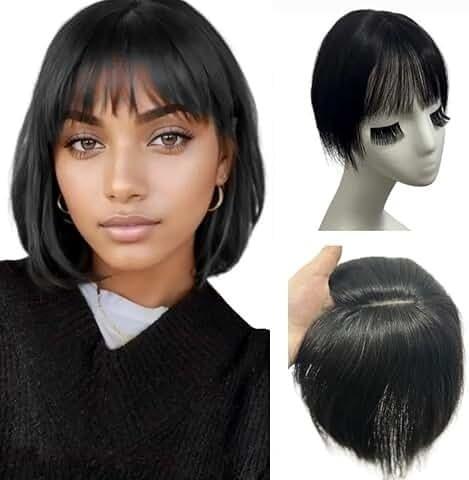
Special situations: sports, heat, and medical concerns
Active lifestyles and health conditions change the calculus. If you sweat a lot or have a sensitive scalp, a cap that wicks moisture is often better than none. For chemotherapy patients or people with compromised scalps, medical-grade caps provide protection, hygiene, and softness. When deciding can i wear a wig without a wig cap in these contexts, consult a dermatologist or wig specialist who can recommend breathable, hypoallergenic options.
Summer and hot climates
In hot weather you may prioritize breathability. Choose lightweight wigs with lace or monofilament tops and combine them with a lightweight satin or breathable mesh band rather than a thick cap. The goal is to stay cool without sacrificing scalp protection.
Maintenance: cleaning and storing capless-worn wigs
Wigs worn without a cap often require more frequent cleaning because oils and sweat transfer faster. Follow specific cleaning instructions for human hair vs synthetic fibers. After wearing, air the wig on a stand, spot-clean the inner band, and use a fabric-friendly disinfectant if necessary. When not in use, store wigs in a breathable bag away from sunlight to prevent damage and odor retention.
Shopping tips and professional advice
When buying a wig for capless wear, look for these features: silicone strips, sewn-in combs, adjustable back straps, and lace fronts for natural hairlines. Ask the seller if the wig was designed for capless wear and whether they recommend particular adhesives or liners. If in doubt, book a fitting with a wig salon — professionals can assess your head shape, hair texture, and lifestyle to recommend a good match.
Common mistakes to avoid
- Assuming one size or one method fits all — test different approaches.
- Skipping scalp care — neglect can lead to breakouts, odor, or irritation.
- Using harsh adhesives incorrectly — always follow manufacturer instructions and perform patch tests.
- Wearing the same style nonstop — rotate wigs and give your scalp rest.
When a cap is the better option
Certain situations make a wig cap the smarter choice: if you have very fine or fragile hair, active jobs that cause heavy sweating, or scalp sensitivities. A soft, breathable cap reduces friction, manages oils, and extends the life of your wig. If your priority is longevity and scalp health, a cap is a small investment with substantial benefits.
Environmental and lifestyle considerations
Your commute, job, and climate influence whether you can realistically go capless. For example, if you bike or spend a lot of time outdoors, a cap can add stability. If you work in an office and rarely need heavy movement, capless wear might be convenient and perfectly safe.
Final decision framework
To decide whether can i wear a wig without a wig cap in your daily life, run through this quick framework:
- Assess your scalp sensitivity and hair fragility.
- Check the wig's construction for secure features (combs, silicone, straps).
- Plan your typical activity level while wearing the wig.
- Test capless wear in short sessions and evaluate comfort and slippage.
- Maintain rigorous hygiene and give your hair breaks from the wig.
Expert tips from stylists
Professional wig stylists often recommend a hybrid approach: use a thin, breathable cap for hygiene and evenness, but keep it lightweight or replace part of it with silicone grips at the nape for comfort. They also suggest regular deep cleans for both scalp and wig, avoids oils near the hairline if using adhesives, and to layer thin products rather than heavy creams that can gum up wig fibers.
Pro tip: If you answer can i wear a wig without a wig cap with 'yes,' also commit to a short maintenance routine after each wear — a quick inner-band wipe, a light deodorizor, and a rest day every 2-3 wears will keep both your hair and your wig in good shape.
Conclusion
In summary, can i wear a wig without a wig cap — yes, under the right conditions and with appropriate precautions. Capless wear is convenient and feasible for many people, but it requires attention to scalp health, wig construction, and securing methods. Use the checklists and hacks in this guide to find your best balance between comfort, realism, and protection.
FAQ
- Is it safe to wear a wig without a cap every day?
- It can be safe if you choose the right wig and take measures to protect your scalp and natural hair — but alternating with cap days is recommended to prevent buildup and friction-related damage.
- Will my wig last less time if I don't use a cap?
- Potentially, yes. Oils and sweat from the scalp accelerate wear on wig fibers, especially on synthetic wigs, so increased cleaning and careful storage are essential to extend lifespan.
- What is the best alternative to a wig cap for grip?
- Wig grips made from velvet or silicone strips are excellent alternatives that provide slip resistance without the full coverage of a cap. For lace-front wigs, thin adhesive strips at the hairline offer strong hold with a natural look.
Related products
Blog
- Long white wig trends 2025 - ultimate guide to choosing and styling a long wig white for natural volume
- what does it mean when someone says wig - slang definition, cultural origins and real examples to help you reply
- how much are wigs explained – from budget-friendly options to luxury pricing and buying tips
- Why Do Lawyers Wear Wigs in England and What Does Wearing Wigs Mean for Court Tradition and Authority
- does diana ross wear wigs - the surprising truth behind her iconic hair and stage style
- does hobby lobby sell wigs Learn What Styles, Prices, and Alternatives Are Available Near You
- Best Wig Grip Tips for a Secure Fit, All Day Comfort and Easy Styling
- why lyle menendez had a wig explained The Hidden Reasons Fans Experts and Courtroom Photos Point To