
how to reduce wig cap size at home with simple adjustments for a snug custom fit and expert tips
Practical Guide to Achieving a Snug Wig Cap Fit
Understanding Fit: Why Size Adjustments Matter
Finding the right fit is essential for comfort, natural appearance, and security when wearing a wig. Many wearers ask how to reduce wig cap size because off-the-shelf caps often run a bit large, slip, or create gaps along the hairline. This guide covers multiple safe, reversible, and permanent methods to tailor a wig cap at home so the result feels like a custom piece. We'll include simple tweaks, materials you can use, step-by-step sewing and cutting techniques, adhesive and elastic solutions, long-term maintenance tips, and troubleshooting for common issues. The information below is structured for both beginners and experienced wig wearers and emphasizes comfort, scalp health, and durability while demonstrating how to reduce wig cap size with practical details and professional tips.
Initial Assessment: Measure First
Before attempting any alteration, accurately measure the head and the wig cap. Use a flexible measuring tape and record circumference, front-to-nape, temple-to-temple, and crown-to-front distances. Compare the wig's interior measurements to your head to pinpoint where the cap is oversized. Knowing exactly where to adjust prevents unnecessary changes and helps you select the best method for how to reduce wig cap size.
Tools and Materials You'll Need
- Flexible measuring tape
- Sharp dressmaker's scissors
- Needle and thread (nylon or polyester) or a sewing machine capable of delicate fabric
- Elastic bands (fold-over elastic, 1/4" to 1/2")
- Wig clips or combs (optional)
- Wig head or mannequin head to stabilize the wig
- Pins, safety pins, or tailor's clips
- Non-damaging adhesive or wig tape for adjustments at the hairline
- Foam padding or silicone inserts
- Heat tools only if the cap is heat-safe
Method A — Simple Temporary Fixes (No Sewing)
Temporary solutions are ideal if you want to experiment before making permanent changes. These options are quick and reversible, perfect for many daily wearers learning how to reduce wig cap size without commitment.
- Adjustable Straps and Elastics: Many wigs come with adjustable tabs. Tighten tabs first. If the wig lacks them, sew a short length of fold-over elastic at the nape to create a cinch. This is one of the easiest ways that answers how to reduce wig cap size temporarily while keeping the original cap intact.
- Wig Grips and Headbands: A velvet or silicone wig grip sits under the cap and reduces slipping. It doesn't truly reduce size but improves security and perceived fit.
- Foam or Silicone Padding: Add thin strips of foam along the sides or crown inside the cap to fill gaps. Padding can be cut to shape and adhered with temporary, skin-safe adhesive. This is a popular and non-permanent method to see how a smaller fit feels.
Method B — Sewing Permanent Adjustments
For a durable, custom fit, small sewing changes can make a big difference. These techniques are the go-to answer for wearers asking specifically how to reduce wig cap size with a tailored, reliable approach.
Sewing the Nape
Sewing along the nape reduces overall circumference with minimal impact on the cap's shape. Place the wig on a mannequin head and use chalk to mark the excess area. Fold the excess inside and stitch a straight seam along the fold. For lace fronts, avoid sewing into the lace; instead, attach elastic across the inner nape from side to side to create a gathered effect that reduces circumference without altering the lace hairline.
Take-In Seams at the Sides
Open small sections between wefts (or under the wig cap fabric) and add vertical take-in seams to reduce width across the temples. Reinforce with a zigzag stitch or hand-sew with strong thread. This method lets you control exactly where the cap tightens and preserves natural hair distribution.
Method C — Adding Elastic for a Custom Cinch
Elastic is one of the most effective and low-risk answers to how to reduce wig cap size. It adds give while preventing slippage and can be sewn in place.
- Cross-Nape Elastic: Attach a strip of fold-over elastic from ear tab to ear tab across the nape inside the cap. Stretch slightly as you sew so it gathers and provides tension when worn.
- Internal Parachute Elastic: Sew elastic along the inner perimeter of the cap, a few millimeters from the edge. This acts like a built-in headband and provides a consistent snug feel without shrinking the cap fabric permanently.
Method D — Cut-and-Reshape (Use Caution)
Cutting can be risky but effective when done carefully. Only attempt with cap types and fabrics that tolerate trimming (e.g., wefted caps on fabric that won’t unravel). Lace front and monofilament tops are delicate; avoid cutting those surfaces unless you are highly experienced.
- Trim Excess Fabric: Remove any loose, bulky material at the back and resew the seam for a tighter fit. Always leave a margin for folding and re-stitching; do not cut close to the seam line without allowing for hem.
- Reshape Ear Tabs: Narrow ear tabs by trimming and resewing, which can improve temple fit and reduce perceived cap size. This is helpful for wearers who feel the sides are too wide.
Method E — Custom Inserts and Liner Solutions
Using liners or DIY inserts addresses the challenge of how to reduce wig cap size while protecting sensitive scalps. These solutions are often preferred by those who wear wigs daily and want a comfortable long-term option.
- Silicone Inserts: Thin silicone pads placed at high-pressure points give cushioning and fill space.
- Fabric Liners: Silk or cotton liners sewn or placed inside the wig can reduce internal volume and protect the scalp from irritation.
- Layered Padding: Use a combination of thin foam, fabric, and elastic to create a custom internal profile that matches your head shape.
Method F — Lace Front and Frontal Considerations
For lace fronts, the priority is preserving the hairline. If you need to know how to reduce wig cap size for a lace front, avoid crude stitching across the frontal lace. Instead, use elastic sewn under the lace edge at the nape and ear tabs or apply strategic padding to the inner cap. Professional customization to lace fronts usually involves re-ventilating or attaching a new lace, so consider a salon if you want a full reshape.
Step-by-Step Example: Sewing in Elastic at the Nape
Follow this practical step sequence when you want a clear answer to how to reduce wig cap size using elastic:
- Place wig securely on a wig head and mark the excess behind the ears where the nape feels loose.
- Cut a piece of fold-over elastic the width of the head minus 1-1.5 inches (so it pulls snugly when stretched).
- Pin the elastic to the inner nape, stretching it slightly as you go so it gathers the cap just enough.
- Sew the elastic with several passes using a strong needle and reinforce the ends with backstitches.
- Try on the wig and adjust the tension by repositioning or shortening the elastic if needed.
Tips to Maintain Natural Appearance After Alterations
When you alter a cap, keep the outward look natural. Blend changes with the hair, avoid visible seam lines at the hairline, and use internal methods whenever possible. For example, sew elastic inside the cap rather than on the exterior, and place padding where it won't cause an obvious bulge in the wig’s silhouette.
Color and Texture Match
If you add visible components like new ear tabs or fabric, choose materials that match the wig's interior color and texture so they remain unobtrusive. Small, lightweight components are least likely to change the fall and movement of the wig.
Common Mistakes and How to Avoid Them
- Cutting Too Much: Always reserve extra fabric when trimming. Work incrementally and test fit frequently.
- Ignoring Fabric Type: Different caps require different techniques. Lace, monofilament, wefted, and PU basetypes have different strength and elasticity.
- Not Reinforcing Seams: Any new seam or elastic attachment should be reinforced to prevent tearing over time.
Special Considerations for Synthetic vs Human Hair Wigs
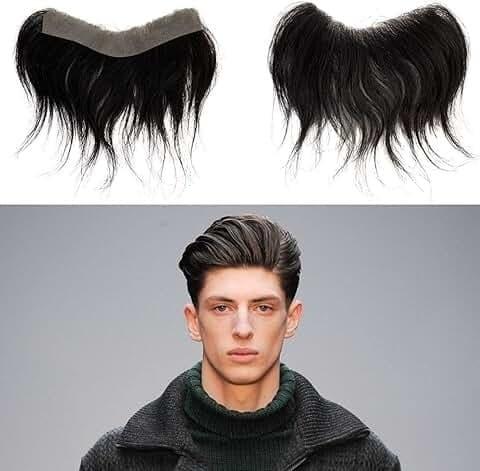
Synthetic wigs are less forgiving when it comes to heat and certain adhesives; however, they can respond well to elastic and padding methods. Human hair wigs often allow more extensive sewing and reshaping but are more valuable—exercise caution and consider a professional if you’re unsure. Both types benefit from correct measurement and incremental adjustments when addressing how to reduce wig cap size.
Scent, Hygiene, and Scalp Health
When modifying a cap, choose skin-safe materials, wash and dry the wig after alterations, and ensure adhesives are appropriate for prolonged skin contact. Insert liners that are breathable, wash them regularly, and allow the scalp to breathe between wears to prevent irritation.
How to Test for Comfort and Security
After altering, wear the wig for increasing intervals: start with 30 minutes, then an hour, and work up to a full day. Monitor for pressure points, headaches, or slipping. If you notice discomfort, adjust padding or elastic tension rather than making further drastic cuts.
Advanced Customization: When to Consult a Professional
Some projects, such as relacing a lace front, reducing cap size by several inches, or completely reshaping a monofilament top, are best left to experienced wigmakers. If your adjustments approach structural changes or risk affecting the wig’s density and hairline, professional services can provide salon-grade results and often longer-lasting solutions.
Expert Tips and Quick Tricks
- Work incrementally: Smaller changes are easier to reverse or adjust.
- Keep a repair kit: fabric glue, needle, thread, and spare elastic help on-the-go fixes.
- Document measurements and alteration steps so you can replicate successful adjustments on other wigs.
- Use color-matched thread and thin, flat elastic for invisible, professional-looking results.
How to Reduce Wig Cap Size While Preserving Longevity
Durable alterations use reinforced stitching, quality materials, and gentle handling. Avoid adhesives that degrade cap materials over time. Proper washing, storage on a wig stand, and periodic check-ups of sewn areas extend the life of any customized cap and ensure that meaningful answers to how to reduce wig cap size are also lasting.
Quick Reference: Best Method by Situation
- Want a temporary fix: use a wig grip, padding, or foam inserts.
- Need a long-term, reversible fix: sew in elastic or add a liner.
- Require a permanent size reduction: sew take-in seams or alter the nape carefully.
- Working with delicate lace front: avoid cutting; use elastic and padding instead.
FAQ — Common Questions About Fit and Alterations
Q: Is it safe to sew into any wig cap?
A: Most wefted and fabric-based caps tolerate small sewing adjustments, but lace fronts and monofilament tops require delicate handling; avoid sewing across lace hairlines and consider elastic attachments instead.
Q: Can I shrink a wig cap with heat?
A: Heat can deform synthetic materials and damage hand-tied sections. Only use heat on heat-resistant caps and test on a small area first. Mechanical methods like elastic attachments are safer.
Q: How much smaller can I safely make my wig cap?

A: Reduce circumference gradually—typically up to 1-2 inches is safe for adjustments like elastic and take-in seams; more significant changes risk altering the wig’s natural fall and structure and may require professional work.
By combining accurate measurement, the right materials, and incremental techniques you can comfortably and safely achieve a tailored fit. Whether your goal is to learn practical ways how to reduce wig cap size for immediate comfort or to create a permanent custom fit, these approaches balance safety, aesthetics, and wearability. Experiment with temporary options first, document what works, and proceed to permanent adjustments when you feel confident — this process will give you the best result: a snug, natural-looking wig that stays in place and feels like it was made for you.
Related products
Blog
- is nicole kidman wearing a wig in babygirl explained by stylists behind the scenes and photo evidence
- how to make a wig bigger with 8 easy home methods and expert tips for synthetic and human wigs
- how to clean synthetic wig - Easy Step by Step Guide to Remove Dirt Tangles and Restore Shine
- Human Hair Half Wigs Buying Guide 2025 Top Picks, Styling and Care Tips
- is malin akerman wearing a wig in hunting wives - behind the scenes hair reveal and expert analysis
- From rumors to reality - why does khabib wear wig and what it means for his image
- Expert tips and step-by-step advice on how to care for wigs synthetic for longer wear, shine, and style
- where can i buy a wig near me - best local stores, reviews and money saving tips