
Smart unice wig Buying and Styling Guide 2025 for a Natural Flawless Look
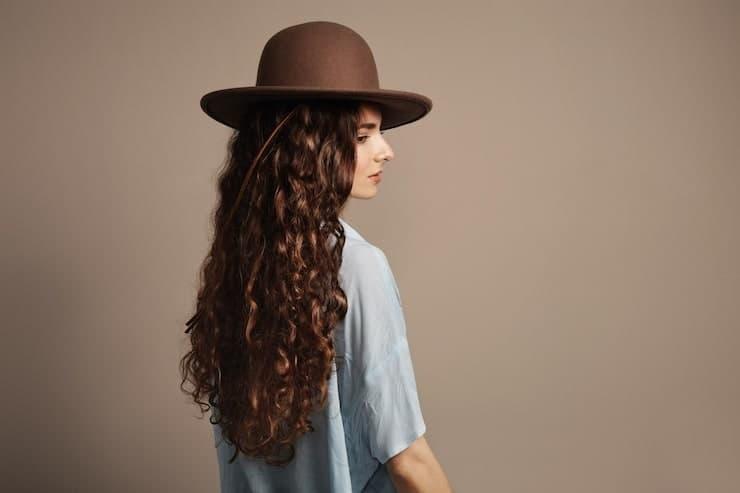
Smart Choices for a Natural-Looking unice wig in 2025
Choosing a flawless, natural-looking unice wig starts with understanding the core differences between lace types, hair origin, density, and construction. Whether you are new to wigs or updating your routine for this year, this comprehensive guide helps you select, care for, and style a premium unice wig so your investment looks seamless from day one. The insights below are tailored to search-friendly queries and practical concerns people have when searching for a believable hairline, comfortable cap, and realistic movement.
Why "unice wig" matters
Search engines and shopping platforms prioritize clear product attributes: hair type, lace quality, cap design, and real-user reviews. Repeating relevant phrases like unice wig across product titles, feature lists, and styling advice helps both algorithms and buyers find the best matches. We will use the keyword strategically throughout this content to maximize discoverability while maintaining a natural reading flow.
Understanding lace and cap construction
The base of realism is in the lace. Common options include transparent lace, HD lace, and Swiss lace. Each option affects how the front hairline reads against different skin tones and how thin the hairline looks when parting the unit. A well-made unice wig will have a lace that melts into your skin and knots that are ventilated finely so the hair appears to grow naturally from the scalp. Look for pre-plucked hairlines, baby hairs, and multi-directional parting for the most convincing effect.
Selecting the best hair type
Human hair remains the top choice for those seeking longevity and realistic texture. Remy human hair keeps cuticles aligned and minimizes tangling; it's often found in premium unice wig offerings. Non-Remy or synthetic fibers cost less but require more maintenance to look natural over time. Consider your lifestyle: if you heat style daily, invest in a higher-grade human hair unit to extend performance.
Density, length, and scale
Density describes how full the wig appears. Common densities range from light (120%) to heavy (180%+). For a natural, everyday look, 130%-150% often mimics real hair without appearing too voluminous for most faces. Long lengths can look luxurious but require more maintenance. When evaluating a unice wig, visualize daily wear and choose a density that matches your desired style and upkeep ability.
Color and shade matching tips
Color matters more than you might expect. A perfect match doesn't always mean identical to your natural color; it means complimenting your complexion, eye color, and typical wardrobe palette. Many unice wig sellers offer custom dye services or swatch samples—use those before committing to a full-length unit. Ombre, balayage, and subtle highlights can add depth and disguise seams at the parting.
How to prepare before buying
- Measure your head carefully for cap size: small, medium, large, or custom.
- Collect reference photos showing angles and hairlines you like.
- Set a realistic budget that includes styling and maintenance tools if needed.
- Read multiple verified reviews for longevity, shedding, and customer support.
- Confirm return, exchange, and repair policies—good vendors provide transparent options.
Ordering tips
When ordering a unice wig, provide precise custom instructions: part depth, pre-plucking level, baby hair length, and lace customization (bleached knots, tinted lace, etc.). These details make the difference between "store-bought" and "custom-fitted" appearance. Shipping times vary; allow for production and possible restyling once the unit arrives.
Importance of vendor reputation
Vendor reputation affects quality and after-sale service. Look for sellers with consistent photos from real customers, clear product descriptions, and responsive support. A reliable unice wig provider will share detailed care instructions, offer guides for application, and provide follow-up assistance if adjustments are needed.
Application techniques for a flawless hairline
Applying your wig correctly is half the battle. The steps below are widely used by stylists to ensure a natural lay and hairline:
- Prep skin: cleanse and apply barrier if you use adhesives.
- Pluck or customize hairline if needed—many units arrive pre-plucked, but additional work may be required for a perfect match.
- Trim lace carefully while the unit is on a mannequin head or your own head to match your hairline shape.
- Use light glue or wig tape for a secure yet flexible bond. Avoid excess adhesive near the hairline to prevent stiffness.
- Blend baby hairs and use a small toothbrush with pomade or mousse to lay them naturally.
- Use a light dusting of foundation or concealer along the part or lace to match scalp tone and reduce shine.
When you follow these steps with a quality
Heat styling and shaping
High-quality human hair units tolerate heat styling better than synthetics. Always use a heat protectant and moderate temperature settings. For a glossy, lived-in look, alternate between blowout and soft curls. Use rollers or flexi-rods for long-lasting waves without excessive heat. If your unice wig is pre-colored, be cautious with direct heat on colored sections as repeated styling may fade tone faster.
Cutting and custom shaping
For the most natural results, have a trusted stylist trim and shape the wig on your head. Layering, feathering, and face-framing techniques add depth and prevent the wig from appearing blocky. A cut tailored to your face shape transforms a generic unit into a bespoke look.
Daily care and maintenance
Proper maintenance expands the life of any unice wig. Here are practical, SEO-friendly recommendations:
- Wash frequency: Every 10–15 wears for daily use; less often for occasional wear.
- Use sulfate-free, silicone-light shampoos and nourishing conditioners to preserve softness and prevent buildup.
- Deep condition monthly to maintain elasticity and reduce dryness.
- Detangle from ends to roots using a wide-tooth comb or wig brush designed for human hair.
- Store on a stand or mannequin with a satin cover to keep shape and minimize friction.
- Avoid sleeping with the wig on unless it's secured with a silk scarf designed to reduce friction.
Travel and lifestyle considerations
For travelers and people with active lifestyles, consider lower-maintenance textures or a second unit for rotation. A second, more affordable unice wig can serve as a backup, preserving your high-end unit for special occasions. Packing tips: bring a small satin drawstring bag, a travel-size moisturizing spray, and mini clips to secure styles on the move.
Common issues and solutions
Shedding, tangling, and shedding at the parting are common complaints. Many problems result from improper brushing, heat overuse, or absence of conditioning. Use minimal tension when installing and brushing, select a heat setting appropriate for the hair quality, and refresh curls with water and a light styling mousse rather than re-heating frequently.
Styling trends for 2025
This year emphasizes effortless texture, soft baby hairs, and subtle color transitions. Trending looks include natural-swept parts, face-framing layers, and the return of mid-length lob styles. A versatile unice wig that supports multi-parting and light customization will serve you well as fashions shift through the year.
Eco-conscious and cruelty-free options
As awareness grows, many vendors now offer ethically-sourced hair and transparent supply chains. Ask about sourcing, processing, and certifications when selecting a unit. Sustainable options may cost more but align with values and often include traceable sourcing documentation for conscientious buyers looking for a responsible unice wig.
Cost vs. value: what to expect
Price often reflects hair origin, density, lace type, and manufacturing quality. While bargain units may seem attractive, they can require more frequent replacement. Investing in a well-made unice wig usually yields longer wear, easier styling, and a more convincing look that justifies the cost for many users.
Red flags when shopping

Avoid listings with inconsistent photos, vague descriptions, or unrealistic promises like "lifetime perfect hair." Sellers who provide detailed specifications, multiple real-life photos, and responsive customer service are likelier to deliver on expectations. Confirm return policies and potential repair services before finalizing the purchase.
How to assess online photos and videos
Look for gallery images that include close-ups of the lace, part, and hairline in natural light. Video demonstrations showing movement, parting, and styling provide better evidence of quality than static photos alone. Verified buyer images and third-party reviews are invaluable when vetting a unice wig purchase.
Final checklist before checkout
- Cap size confirmed
- Lace type and color match
- Desired density verified
- Return and repair policy understood
- Real-user reviews checked
- Styling tools and maintenance items planned
Following this step-by-step approach ensures your final choice looks natural and aligns with your daily needs.
Conclusion: achieving a flawless, believable result
By combining careful vendor selection, realistic expectations, precise application, and consistent maintenance, you can achieve a believable result with your unice wig. Emphasize breathable cap construction, quality lace, and hair types that suit your lifestyle. With the right care, a well-chosen unit will give you confidence and a natural aesthetic that withstands daily wear.
FAQ
Q: How long does a high-quality unice wig last with proper care?
A: With regular maintenance, a Remy human hair unice wig can last 12–24 months or longer depending on wear frequency and how often it is heat-styled or washed.
Q: Can I dye or bleach my unice wig at home?
A: It's possible but not always advisable. Pre-colored hair and low-grade units can be damaged by at-home chemical processes. For best results, consult a professional who has experience with unice wig textures and can customize color safely.
Q: What's the best way to make the lace look invisible?
A: Tinting the lace to match your skin tone, bleaching knots, and using minimal adhesive combined with careful blending at the parting are effective methods to make lace invisible on most complexions.
Embrace experimentation and allow yourself to refine the fit and styling over a few wears; the best-fitting unice wig is one that complements your lifestyle and makes you feel confident each time you wear it.
Related products
Blog
- who wore wigs first Uncovering the Ancient History Origins and Surprising Cultural Uses of Wigs
- what is hand tied wig a complete guide to benefits styling care and choosing the perfect fit
- does nicole kidman wear a wig in perfect couple revealed by hairstylists on set photos and expert analysis
- how to apply a front lace wig - beginner to pro step-by-step tips for a flawless natural look
- why does orthodox jews wear wigs explained A concise guide to sheitels history tradition and meaning
- Human hair wigs guide — human hair and wigs tips for achieving natural hair and flawless style
- How to keep a wig from slipping - proven solutions and 12 easy steps for a secure fit
- When did powdered wigs go out of fashion and why they fell from favor in the 18th and 19th centuries