
How to Secure a Wig - 12 Proven Techniques for a Natural All-Day Hold
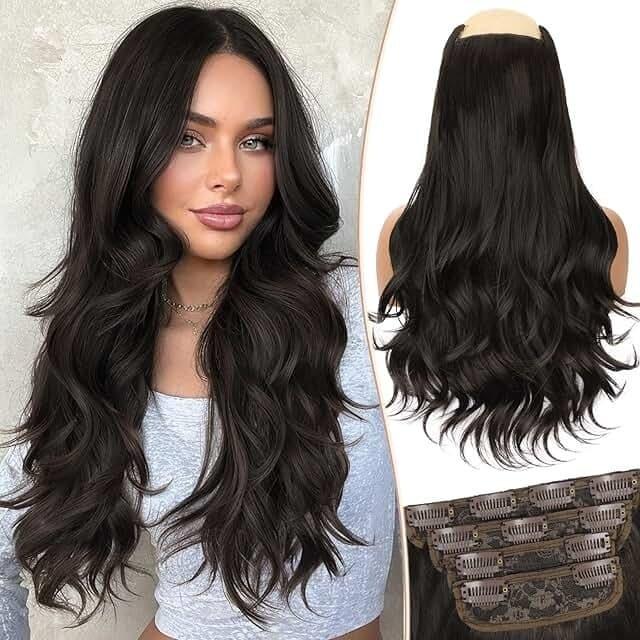
Mastering the Basics: Why securing your hairpiece matters
Wearing a wig is more than a style choice; it's a confidence tool. Learning how to secure a wig correctly ensures comfort, a natural look, and worry-free wear all day long. This comprehensive guide explores practical, salon-tested solutions and everyday techniques to keep your wig looking seamless, whether you wear lace front, full lace, machine-made, or synthetic caps. Each section below is designed to help beginners and experienced wig wearers refine their routine and choose the best hold methods for different activities and scalp types.
Quick overview: categories of methods
- Non-adhesive mechanical methods: combs, clips, bobby pins, elastic bands, gripper caps.
- Adhesive systems: wig tape, liquid glue, medical-grade adhesives.
- Customization and sewing: sewing in clips, adding elastic bands, adjusting straps.
- Preparation and maintenance: scalp prep, glue removal, caring for lace edges.
How to approach choosing the right method
Consider lifestyle, scalp sensitivity, wig type, and desired duration. For daily wear you might prefer mechanical attachments combined with adjustable straps; for sports or long shifts, a hybrid of tape plus sewn-in elastic often gives unmatched security. Throughout this guide the phrase how to secure a wig is emphasized in contextual headings and tips so searchers can quickly find targeted solutions.
Technique 1 – Fit and cap selection: the foundation
Start with a correctly sized cap. A wig that fits too loosely will shift even with the best adhesives. Measure your head circumference, crown-to-nape length, and ear-to-ear. Many modern wigs come with adjustable straps; use them to snug the cap. For extra hold, choose a wig with combs inside the cap and a closed elastic strap. This core step often eliminates the need for aggressive adhesives.
Technique 2 – Prepare natural hair and scalp
- Flatten hair: braid, cornrow, or pin flat against the scalp; use a wig cap to contain loose strands.
- Clean the scalp: oils and products reduce adhesion. Use alcohol pads or a gentle cleanser where tape or glue will be applied.
- Check irritation history: if you have sensitive skin consult a dermatologist before using strong adhesives.
Technique 3 – Wig grips and silicone liners
Wig grips are fabric bands with a rubbery lining that sit between the wig and the scalp. They are reusable, comfortable, and great for people who avoid glue. For lace fronts, silicone liners or anti-slip strips along the hairline can prevent forward movement without damaging lace. This is a preferred method for those seeking non-adhesive comfort.
Technique 4 – Adjustable straps and inner combs
Many wigs include adjustable straps and small inner combs. Sew-in combs can be added to the perimeter to anchor into your natural hair or braid bases. Place combs where hair is strongest and use them in tandem with straps for a secure hold. This mechanical approach answers many common how to secure a wig queries for daily users.
Technique 5 – Sewing an elastic band (the band method)
Sew an elastic band from ear-to-ear inside the cap to create an internal chin-strap effect that hugs the back of the head. Use a sturdy, soft elastic and stitch through the cap's edge—this distributes pressure evenly and reduces lift at the front. Many professional stylists recommend this for active clients because it combines comfort and stability.
Technique 6 – Wig clips and snap-on attachments
Clip-in attachments can be sewn into the wig cap, allowing clips to fasten directly to natural hair or a wig cap. Space clips evenly and use small, lightweight clips for reduced bulk. This method is low-cost and reversible, making it ideal for experimenting with different hold configurations.
Technique 7 – Double-sided wig tape: fast and reliable
Wig tape is a popular adhesive for temporary but strong hold. Choose medical-grade tapes for skin compatibility. For lace fronts, cut micro strips and place them along the hairline; press lace gently to secure. Replace tapes every 5–10 days depending on exposure to sweat, oils, and movement. When you search for how to secure a wig for events or short-term use, tape is often recommended because it’s quick and leaves minimal residue.
Technique 8 – Liquid adhesives and bridge adhesives
Liquid adhesives like water-based bonds or stronger polyurethane adhesives offer the longest hold. Use a thin layer and allow tackiness before laying the lace. Removing strong adhesives requires proper solvents and gentle technique to avoid lace tears or skin irritation. For long-term wearers who need a near-permanent bond, this method is widely used in clinical and theatrical settings.
Technique 9 – Combining methods: hybrid approaches

Often the best results come from combining techniques: a wig grip for comfort, a sewn-in elastic for secure fit, and micro tape for the hairline. For example, athletes might use an elastic band plus taped lace front to counter heavy sweating. This layered strategy is a core answer to complex how to secure a wig scenarios.
Technique 10 – Lace customization and melt methods
Bleaching knots, tinting lace, and "melting" lace with heat or makeup products can make the hairline appear more natural and reduce visible edges that might catch and pull. When lace fits flush to the skin, tension points are minimized and adhesives perform better. Use caution with heat and chemicals to preserve hair integrity.
Technique 11 – Maintenance and hygiene
Clean adhesives, tape residues, and skin oils off both the lace and the wearer's skin. Regularly wash the wig cap and treat lace gently. For long-term wig health, use sulfate-free shampoos and deep conditioning for human hair wigs. Maintaining cleanliness increases adhesive performance and reduces risks of irritation.

Technique 12 – Troubleshooting common problems
- Edges lifting at the temple: add small tape strips or a micro comb near the temple area.
- Back of cap sliding up: tighten adjustable strap or add a sewn elastic band.
- Sweat breaking down adhesive: use sweatproof adhesive formulas and replace as needed; consider a breathable wig cap.
- Lace tearing: use gentler removal solvents and work slowly; reinforce with lace wash and care products.
Tools, products, and supplies checklist
Keep a small kit: wig pins, micro tape, skin-safe adhesive, latex-free glue remover, alcohol pads, sewing needle and thread, spare wig clips and an elastic band. For lace work, carry a magnifying mirror and a small pair of scissors for trimming mesh.
Step-by-step example: secure a lace front for all-day wear
- Wash and dry the hairline area; remove oils with alcohol pads.
- Fit wig cap and braid hair under cap; trim cap edge if needed for comfort.
- Apply a thin, even layer of tape or adhesive along the hairline; wait until tacky.
- Position lace carefully and smooth down from center outwards; press gently to bond.
- Attach inner combs or clips where possible; secure with a sewn elastic band for extra hold.
- Finish with styling and gentle tug tests; carry spare micro-tape for touch-ups.
Skin care and safety tips
Patch test adhesives before full application. Remove glue gently with recommended removers and avoid picking at lace. Use barrier strips for especially sensitive skin and rotate adhesive systems to prevent chronic irritation.
Travel, activity, and climate considerations
In humid climates, choose sports-grade adhesives and consider sweatbands beneath the wig to manage moisture. In cold weather, watch static build-up with synthetic fibers; use humidifiers or anti-static sprays. For travel, keep a compact repair kit with tape, mini scissors, and a cleaning wipe.
How to blend hairline and achieve a natural look
Use makeup to tint lace and micro tweezing to soften a uniform hairline. Baby hairs or pre-plucked edges can transform the look. When executed well, these cosmetic techniques reduce reliance on heavy adhesives and answer common queries about how to secure a wig while keeping a believable hairline.
Maintenance routine for long-term wig health
Regularly detangle, cleanse, and deep condition human hair wigs. Synthetic wigs require less conditioning but still benefit from specific brushes. Store wigs on stands to keep cap shape intact. Reapply adhesives and replace tapes as manufacturer guidelines suggest to avoid buildup and preserve lace.
Common mistakes and how to avoid them
- Using too much glue: causes buildup and makes removal damaging; use sparingly.
- Not prepping the scalp: oils compromise adhesion—clean first.
- Skipping patch tests: risk allergic reactions.
- Ignoring adjustments: small tweaks to comb placement or strap tightness often resolve fit issues fast.
Expert tips from stylists
Professionals recommend a hybrid approach for maximum security and comfort: a sewn-in elastic band plus micro tape at the hairline, with inner combs for emergency hold. For theatrical or long-term wear, opt for medical-grade adhesives with proper removal solvents to protect lace and skin.
SEO-focused summary and final checklist
To recap the most searched solutions for how to secure a wig: prioritize fit, prepare the scalp, choose an appropriate hold method (mechanical vs adhesive vs hybrid), customize the cap, and maintain hygiene. Always keep a repair kit and follow manufacturer instructions for adhesives and lace care.
If you're new to wigs, start with non-adhesive methods and work up to stronger bonds as you gain experience. For best results consult with a wig specialist for head measurement, cap customization, and application lessons. Remember the repeated search intent in articles on how to secure a wig is about comfort, natural appearance, and dependable hold—plan your routine accordingly.
FAQ
Q1: What is the safest long-term method to secure a wig?
A1: The safest long-term approach balances mechanical solutions (sewn elastic band, clips) with periodic use of medical-grade adhesives when necessary. This reduces continuous chemical exposure while maintaining reliable hold.
Q4: How often should I replace wig tape or adhesive?
A4: Replace tape every 5–10 days depending on activity and skin oils; liquid adhesives can last longer but should be monitored and professionally removed at intervals to protect lace and skin.
Q5: Can I swim or exercise with my wig secured?
A5: Yes, with the right system: waterproof adhesives or a sewn-in elastic band combined with inner combs are best for heavy activity. Always test and carry spares for extended workouts or water exposure.
Related products
Blog
- how to apply a front lace wig - beginner to pro step-by-step tips for a flawless natural look
- does anna wintour wear a wig — debunking the rumors and revealing the truth about her bob
- bride of frankenstein wig trends 2025 - styling tips, care advice and best buys
- Laugh-Out-Loud Funny Wigs for Parties and Pranks That Steal the Show
- Find wig glue near me - top local stores, honest reviews and quick buying tips
- why did founding fathers wear wigs and 8 surprising reasons that shaped colonial status, hygiene, and politics
- how to keep a wig in place — 12 expert tricks for an all-day secure fit
- did steven van zandt wear a wig in the sopranos answered with on set evidence and hairstyle facts