
when will you wear wigs interview Guide and Insider Tips to Answer Confidently in Every Audition
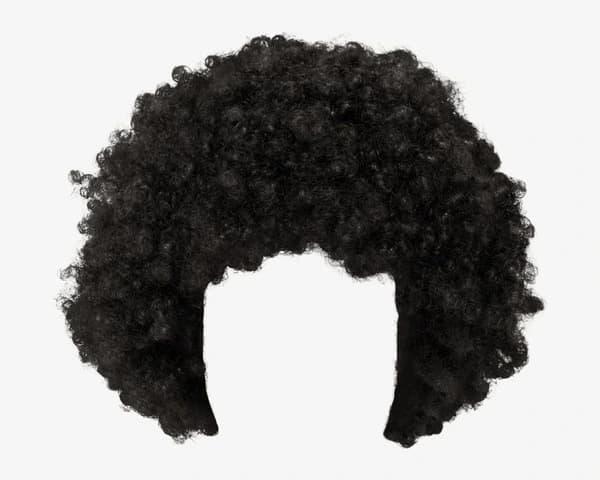
Confidently Navigate Questions About Hair Choices: A Practical Guide for Performers and Interviewees
Whether you're an actor, a model, a hairstylist, or a creative professional preparing for a casting conversation or an industry chat, knowing how to respond to questions about your appearance is a subtle art. One phrase that comes up increasingly in creative auditions and screen tests is when will you wear wigs interview, and preparing mindful, professional, and strategic answers can turn a potentially awkward moment into an opportunity to demonstrate adaptability, clarity, and industry knowledge.
Why the question matters
Producers, casting directors, and creative teams ask about hair choices not because they are being nosy, but because hair can be a storytelling tool, a continuity concern on set, or a practical constraint in a live performance. A well-framed response to when will you wear wigs interview shows you understand costume continuity, character building, and practical logistics, and that you are ready to collaborate without drama.
What interviewers are evaluating
- Professionalism: Are you flexible? Do you handle direction well?
- Practicality: Can you change looks quickly? Do you have the experience to work with wigs?
- Character intent:
 Do you understand how hair affects characterization, era, and style?
Core principles to communicate
- Honesty and clarity: Be upfront about your comfort level, experience, and preparation with wigs.
- Problem-solving mindset: Explain how you would handle quick changes, maintenance, and continuity.
- Collaborative tone: Emphasize that you appreciate costuming decisions and are eager to work with the hair and makeup team.
How to structure a concise answer to the keyword question
When responding to queries like when will you wear wigs interview, use a three-part structure: (1) brief position statement, (2) supporting example or experience, (3) collaborative closing. Example: "I'm comfortable wearing wigs for roles that require significant era accuracy or when hair health and continuity are priorities. In a recent production I worked with the wig department to ensure color matching and quick-change rigs, which saved us time during filming. I'm always happy to coordinate with the team to get the best result."
Sample responses tailored by situation
Audition where period accuracy is essential
If the role is period-specific, lead with historical fidelity. For instance: "For pieces set in distinct historical periods I would wear a wig to ensure accuracy and to preserve my natural hair. I understand how important silhouette and hairline are for authenticity, and I follow direction closely."
Commercial or high-fashion context
In commercial settings, emphasize versatility: "In fashion or commercial shoots I'll wear wigs as directed to hit a specific look rapidly; I have experience in quick styling changes and working with stylists for the perfect finish."
Live theatre or stunt-heavy productions
Prioritize safety and durability: "For live shows or stunt work I prefer wigs that are securely fitted with pins or integrated caps, and I'm trained to make safe, fast changes between scenes."
Technical knowledge that impresses interviewers
Showing you know wig basics demonstrates industry literacy. Mention terms like cap construction, ventilation, lace front, machine weft, hand-tied, and wig tape. An answer to when will you wear wigs interview that includes technical confidence signals competence: "I prefer lace-fronts for visible hairlines and hand-tied caps for movement; I also know when tape or wig glue is needed for wind scenes."
Practical preparation checklist
- Bring a documented hair history: past dyeing, extensions, and sensitivities.
- Offer a travel-ready wig kit: pins, tape, spare wig cap, brush, dry shampoo.
- Know your head measurements and share them when appropriate.
- Learn quick-change strategies and practice them before a live show.
How to frame limitations without losing the job
Be honest about allergies or scalp sensitivities but immediately follow with your adaptability: "I do have a sensitive scalp, but I am comfortable wearing specific cap types and can collaborate to find suitable adhesives or cap liners. I can also discuss alternative looks that achieve the same character intent."
Role-play examples and scripts to practice
Rehearse short, confident answers to the exact phrase when will you wear wigs interview so you sound natural under pressure. Try versions that emphasize convenience, collaboration, or safety, depending on the job type. Practice with a friend reading casting notes to simulate distractions and unexpected follow-ups.
Do's and don'ts
- Do keep examples brief and concrete.
- Do ask clarifying questions if the interviewer is vague.
- Don't be defensive about your choices—present them as reasoned and flexible.
- Don't overuse industry jargon without context—connect terms to practical outcomes.
Voice, tone, and body language
The way you answer affects perception as much as content. Maintain steady eye contact, use open body language, and keep your tone warm and professional. If you want to stress reliability, mention past productions and use specific time-saving examples like "reduced wig change time by 30% through pre-staging."
Preparing visual aids and portfolio items
Bring photos of past wig work, quick-change setups, or documented continuity notes. A small, organized folio or digital folder that demonstrates your experience can be referenced during a response to when will you wear wigs interview, showing not only words but proof.
Industry etiquette and collaboration
Always credit wig and hair departments in conversation. Phrases like "I work closely with hair/makeup" and "I defer to department heads for technical decisions" show you understand hierarchy and respect craft specialists.
What to say if you have no experience
If you're new to wigs, frame your answer around eagerness to learn: "I haven't had many opportunities to wear wigs on set, but I'm experienced in fast changes for theatre and I'm quick to take direction. I'm committed to learning proper care and fit, and I can assist with required pre-shoot prep."
Legal and health considerations
Be prepared to disclose allergies or reactions to adhesives. Interviewers appreciate candidness if it impacts wardrobe planning. Also, know whether union rules or production insurance influence wig choices and be ready to adapt to safety protocols.
Key phrases that read well on a resume or in a cover email
- "Experienced in quick-change wig procedures and continuity coordination."
- "Collaborative with hair/makeup departments to achieve accurate period styles."
- "Comfortable with lace-fronts, hand-tied caps, and taped applications."
Examples of memorable, polished interview answers incorporating the keyword
Try these variations that neatly incorporate when will you wear wigs interview into natural language: "When asked during an audition about hair choices, I explain when I'll wear wigs based on period accuracy and character needs, and I give examples of prior work where wig use improved continuity."
Short, rehearsed, and sincere answers always land better than improvisation when under pressure. Use specific past success to back up your claims.
Common follow-up questions and suggested responses
Be ready to address logistics: turnaround time to put on a wig, your availability to attend fittings, and whether you can perform with certain adhesives. Example: "I can arrive early for fittings and coordinate with the wardrobe department to ensure color matching."
How to make wig conversations part of your personal brand
Build a narrative: if you're known for period accuracy, for example, let your interview responses reinforce that reputation. Mention workshops, training, or notable collaborations that show your long-term commitment to craft and preparation.
Checklist to rehearse the night before an important audition or interview
- Practice a short, two-sentence response to when will you wear wigs interview.
- Pack a small wig-care kit and a one-page summary of your wig experience.
- Prepare one specific anecdote about problem-solving with a wig team.
- Make sure your appearance is neutral, so hair changes are easy if required.
Red flags to avoid
Avoid answers that prioritize vanity or make unrealistic demands. Saying "I won't wear a wig" without context can be a red flag; instead, explain conditions and be willing to negotiate.
How casting directors prefer to hear the phrase
Concise, solution-oriented responses work best. Casting directors are busy; youranswer to when will you wear wigs interview should give them confidence that you can execute quickly and with respect for the production's needs.
Advanced tip: use visual vocabulary
Describe textures, hairline visibility, and silhouette preferences in simple terms. Examples like "soft parting," "natural hairline," or "secure cap fit for stunts" help non-technical interviewers understand your priorities.
When to volunteer wig-related experience unsolicited
If the role has implied hair demands (period dramas, fantasy, or biopic), offering your wig experience early in conversation demonstrates foresight and saves the team time.
How to tailor answers by medium: stage, film, TV, or commercial
- Stage: Stress durability and quick changes.
- Film: Emphasize continuity, hairline realism, and camera-safe adhesives.
- TV: Highlight tight schedules and fast turnaround for multiple episodes.
- Commercial: Focus on look agility and brand alignment.
Closing scripts to finish strong
End your answer with a summary line that reaffirms cooperation: "In short, I'm open to wearing wigs when they serve the character or production; I bring practical experience and a collaborative mindset."
Resources to learn more
List workshops, online tutorials, and local wig houses you can reference in conversation. Mentioning a reliable source demonstrates initiative and commitment to continuous learning.
Final checklist before you leave an interview
- Confirm whether a fitting is required and when.
- Offer head measurements and a portfolio link if relevant.
- Thank the interviewer and restate a brief line that echoes your readiness to wear wigs when needed.
Sample one-line closing you can memorize
"I'm prepared to wear wigs when they best serve the role, and I prioritize collaboration, safety, and continuity to make the process seamless for the whole production."
Why practicing the exact phrase matters
Because many interviewers use direct prompts like when will you wear wigs interview during auditions, rehearsing the phrase helps you avoid hesitation and deliver a polished response that reflects both skill and temperament.
Appendix: quick-reference phrases for different scenarios
- "Period piece: I would wear a wig for authenticity and continuity."
- "Action/stunt: I would wear a secure, professionally-fitted wig."
- "Fashion/commercial: I'm comfortable changing wigs quickly for varied looks."
Wrap-up
Answering questions about hair and wig use is more than a cosmetic detail—it's a chance to prove you understand the intersection of style, safety, and storytelling. Use direct, practiced language, know a few technical terms, and always close with a collaborative statement. Preparing for when will you wear wigs interview will help you show up as reliable, informed, and ready for any production scenario.
FAQ
- Q: How often should I mention wig experience in an audition?
- A: Mention it when relevant—if the role implies a specific look, weave it into your answer briefly and provide one example of prior experience.
- Q: What if I have an allergy to adhesives?
- A: Disclose allergies professionally and suggest alternatives like wig caps, non-latex tapes, or silicone-safe products; offer to do a patch test before filming.
- Q: Is it better to bring my own wigs?
- A: Generally productions supply wigs for major roles, but bringing a personal kit that demonstrates care and knowledge can be a plus for smaller productions or fittings.
End of guide.
Related products
Blog
- Royal Investigation does princess kate wear a wig and what hair experts reveal
- how to make a wig at home with weave a beginner friendly DIY guide to achieving natural looking results
- how to buy a wig for the first time — a practical step-by-step beginner guide to choosing, fitting and styling
- does president macron's wife wear a wig - examining photos, stylist details and expert insights
- How to Remove Wig Glue from Edges Safely and Quickly with Household Items
- does dr disrespect wear a wig — an evidence-based look at the rumors, photos and fan reactions
- Surprising Tips on how to put on wig cap with long hair and Keep It Comfortable All Day
- does kim kardashian wear a wig revealed by stylists and photo evidence