
how to keep a wig in place — 12 expert tricks for an all-day secure fit

12 Pro Techniques to Keep Your Wig Secure All Day
If you've ever wondered "how to keep a wig in place" through wind, long shifts, or a night out, this guide compiles professional tips and practical tactics to help you achieve a comfortable, confident fit. Whether you wear lace front wigs, full-lace units, synthetic pieces, or human hair wigs, the fundamentals of stability remain consistent. Below you'll find a well-organized, SEO-friendly resource that covers prepping your scalp and wig, using the right accessories, application methods, and maintenance strategies so you can focus on style instead of worrying about slip or lift. Use the quick navigation below or read straight through for a complete routine.
Why securing a wig matters
Wig security affects comfort, appearance, and the longevity of your investment. A well-secured wig reduces friction that can damage hair fibers or lace, prevents visible gaps or unnatural movement, and protects your scalp by keeping adhesives or clips in proper contact with skin or cap. Learning how to keep a wig in place is not just about glue: it's about choosing the right base, preparing your head, and combining several retention methods to match your lifestyle and activity level.
Essential tools and products
- Wig caps (nylon, cotton, or silicone grips) — create a smooth foundation and reduce slippage.
- Wig glue and lace tape — for long-lasting hold when applied correctly.
- Wig clips and combs — sew-in or clip-in hardware adds mechanical security.
- Adjustable straps — most quality wigs include them; tighten to fit your head circumference.
- Elastic bands (wig grip band or DIY elastic sew-down) — an effective non-adhesive option for daily wear.
- Silicone grips and adhesive sprays — for added tack without permanent glue.
- Scalp prep items — alcohol wipes, barrier sprays, and primer to ensure adhesion and skin safety.
Step-by-step application routine
- Measure and customize the cap: Start by ensuring the wig cap matches your head size. Most wigs include hook-and-loop straps to fine-tune fit; for more precision, you can stitch additional adjusters. A too-loose cap is the most common cause of shifting.
- Prepare your hair and scalp: Braid or flatten natural hair into cornrows or small plaits, or use a low bun. Pull a breathable wig cap over your hair—this reduces bulk. Cleanse the perimeter of your hairline with an alcohol wipe to remove oils so adhesives or tapes adhere better. If you have sensitive skin, use a medical-grade barrier spray first.
- Choose a base retention method: Decide between adhesive (glue/tape), elastic banding, and clip/sew methods based on activity level and skin sensitivity. For vigorous activity, glue plus an elastic band offers maximum security; for quick changes and comfort, clips and a silicone grip may be preferable.
- Apply adhesive or tape properly: For lace front wigs, apply thin, even layers of wig glue or tape along the asylum of the hairline, allowing tackiness to develop if required. Press the lace gently but firmly into place using an edge sealer or a clean cotton swab. Never apply glue directly to unclean skin — that reduces bonding power and increases irritation risk.
- Secure with mechanical anchors: Use sewn-in clips at the nape and sides. If your wig lacks clips, a professional can sew them in. Combine with adjustable straps to eliminate micro-movement.
- Finish with invisible edges: Trim excess lace carefully, seal with a light setting spray, and style baby hairs if desired. Use a scarf for 10–15 minutes to set the lace and encourage secure adhesion.
12 expert tricks for all-day hold
1. Use a silicone wig grip under the cap
Silicone-lined grips provide a tacky surface that helps the wig cap adhere to your head without glue. Ideal for those with sensitive skin or for daily wear when you want reliable hold without residue.
2. Layer retention methods
Combine an elastic band with adhesive or use clips and tape together. Layering creates redundancy so if one method loosens, others keep the wig in place. Professionals often recommend at least two independent retention systems for extended wear.
3. Customize by sewing an elastic strap inside the wig
Sew a narrow piece of elastic from temple to temple inside the cap and attach it to the combs or anchors. This "soft glue" technique reduces pressure on the forehead while maintaining a snug fit.
4. Use medical-grade lace adhesive and remover
Choosing adhesives formulated for skin reduces allergic reactions and maximizes hold. Learn proper removal using a dedicated remover to avoid pulling at the lace or your skin.
5. Prep your scalp for optimal adhesion
Oils defeat adhesives. Use skin wipes or alcohol pads at the hairline before applying tape or glue. If you have very dry skin, use a barrier spray first; for oily skin, consider a mattifying powder to reduce sebum during wear.
6. Trim lace carefully and use a micro-foam tape strip
Precision cutting prevents loose edges. Micro-foam tape conforms to curves better than rigid strips, reducing gaps and points where wind can catch the lace.
7. Sew-in combs at strategic points
Comb placement at the nape, sides, and hairline provides multiple anchoring points. Use rust-resistant metal or coated combs to avoid discomfort and extend longevity.
8. Reinforce the nape with a clip or snap
A secure nape prevents upward lift. Some stylists recommend a small snap button or dedicated nape strap sewn into the wig to anchor it to the clothing or a low-profile harness.
9. Use a lightweight adhesive spray for quick touch-ups
Adhesive sprays are perfect for spot fixing along the hairline or crown where full glue application isn't necessary. Spray lightly and allow tack time before pressing the lace down.
10. Consider inner cap construction
Caps with silicone dots or closed wefting reduce slip. When shopping for a wig, prioritize construction features designed to hold shape and resist sliding, such as adjustable ear tabs and contoured lace.
11. Maintain optimal humidity and temperature
Heat and perspiration reduce adhesive performance. During high-activity days, choose breathable caps, use lightweight adhesives formulated for sweat resistance, and carry a small setting spray for emergency re-sets.
12. Professional fit and customization
For the most reliable fit, work with a wig stylist to have the unit tailored to your head. Customization includes trimming the lace to your unique hairline, ventilating baby hairs, and adjusting cap size for a near-custom cap.
Daily care tips to preserve hold over time
- Clean adhesive residue after every wear using recommended removers to maintain the lace and adhesion surfaces.
- Rotate wigs to reduce wear and allow adhesives to rest; wearing the same unit daily increases debris build-up and skin oil transfer which reduces grip.
- Store wigs on proper stands to retain cap shape; collapsed caps fit poorly and are more prone to movement.
- Replace tapes and refresh the glue as recommended by the product guidelines — old tape loses tack and can cause slippage.
Special situations and solutions
For active days and workouts
Use a low-profile elastic band under the wig, choose a sweat-resistant adhesive, and add a thin skullcap to wick moisture. Some athletes sew the wig to a lightweight, breathable headband for competition-grade reliability.
For windy or outdoor events
Double-check tape edges, use microfoam for flexible sealing, and set the lace with a silk scarf for 10–20 minutes after application. Bring a small adhesive touch-up kit for on-the-go fixes.
For sensitive scalps

Avoid prolonged heavy adhesives. Opt for silicone grips, breathable wig caps, and hypoallergenic tapes. Consult a dermatologist if you experience irritation; they may recommend patch testing or alternative products.
Common mistakes that cause slippage
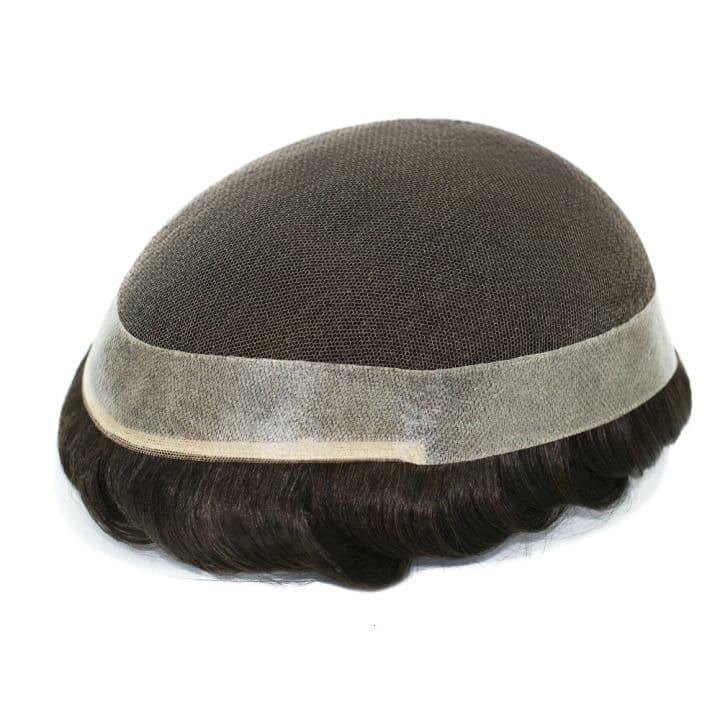
- Not preparing the skin or hairline — oils and products reduce adhesive strength.
- Wearing an ill-fitting cap — too loose or too tight both cause problems.
- Using too much product — excess glue creates uneven bonding that can peel.
- Skipping mechanical anchors — clips, combs, and straps distribute the load and prevent single-point failure.
Quick checklist before you head out
- Is the cap adjusted to your head size?
- Are glue/tape edges sealed and trimmed?
- Are clips or combs in place and engaged?
- Is an elastic band or silicone grip in use if needed?
- Do you have a small emergency kit with tape, mini glue, and wipes?

Putting together a reliable routine that answers how to keep a wig in place starts with preparation and ends with proper maintenance. The best solution for you may be a combination of the techniques above adapted to your lifestyle: daily commuters may prefer soft grips and clips, while performers and athletes may choose stronger adhesives and reinforced sew-ins.
How to troubleshoot common hold problems
Problem: Lace lifting at the temples
Solution: Clean the skin, apply a narrow strip of micro-foam tape or a small amount of lace adhesive, and press with a cloth. If recurring, consider reshaping or re-cutting the lace for a closer fit.
Problem: Slippage at the crown
Solution: Check internal cap fit and adjust tension straps. Consider adding an internal elastic band or sewing in additional combs along the perimeter to prevent backward sliding.
Problem: Irritation from adhesive
Solution: Discontinue the product, remove with a gentle remover, cleanse the area, and apply a barrier spray. Try hypoallergenic products and do a patch test before full application.
Pro tips from wig professionals
- Map your unique hairline and have lace trimmed precisely to that outline for a natural bond that lays flat.
- Mix methods: a small amount of adhesive at the front plus clips at the sides creates a secure and comfortable hybrid system.
- Keep a compact kit with travel-sized remover, tape, and a foldable comb for quick mid-day corrections.
When learning how to keep a wig in place, patience and practice are essential. Test products and techniques at home to discover what combination gives you the best balance of hold, comfort, and skin health. Over time you will develop a personalized routine that fits your daily activities and hair preferences.
Summary
Securing a wig effectively requires attention to cap fit, scalp preparation, the right products, and combining mechanical and adhesive methods. By following professional tips — from silicone grips and elastic bands to precise lace application and routine maintenance — you can confidently wear your wig all day without worry. Remember to prioritize skin safety, replace worn tapes, and customize your cap for the most natural and secure result.
Q: How long should wig adhesive last?
A: High-quality lace adhesives can last from 24 hours to several weeks depending on sweat, skin oils, and application technique. Long-term wearers often refresh edges weekly.
Q: Can I sleep with my wig on?
A: It's not recommended to sleep in heavy adhesive unless the wig is designed for extended wear. For nightly wear, use a gentle tape or silicone grip and consider a silk bonnet to reduce friction.
Q: What's the gentlest way to remove tape or glue?
A: Use a purpose-formulated remover applied to the perimeter, allow it to loosen the bond, then gently peel. Finish by cleansing the skin to remove residue.
Related products
Blog
- how to spike wigs made easy — step by step guide with tools and pro styling tips
- what is wig slang and how it exploded online with examples meanings and trending uses
- do lawyers in the uk wear wigs A modern guide to when barristers and judges still don court wigs and gowns
- Orange Wig Styling Guide 2025 - How to Choose and Care for the Perfect orange wig on Any Budget
- how do wigs stay on Expert answers and 12 proven methods to keep your wig secure with caps adhesives tape and styling tips
- how to wear a front lace wig made simple with 8 pro step-by-step tips for a natural secure fit
- what does 200 density wig mean and why it matters for volume, styling and comfort
- what does wig mean slang explained with origins examples and how to use it