
How to Make a Wig for Dolls an Easy DIY Step by Step Tutorial for Realistic Doll Hair on a Budget
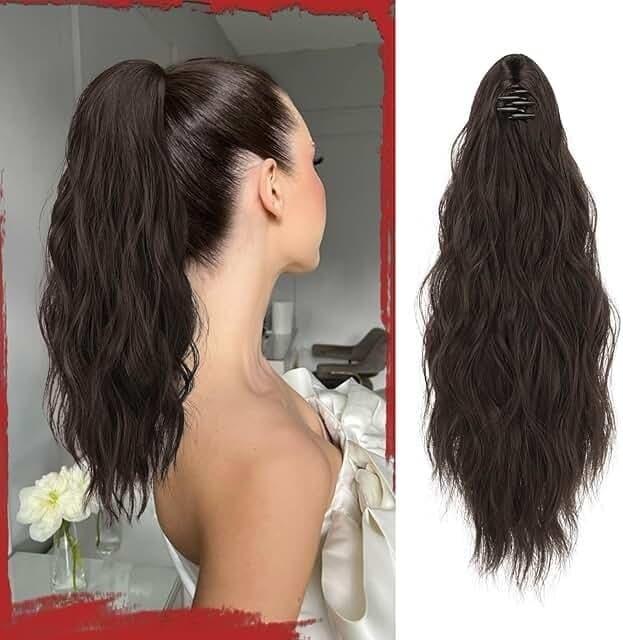
Practical Guide: Create Realistic Doll Hair on a Budget
If you've searched for how to make a wig for dolls and landed here, welcome — this comprehensive, step-by-step, SEO-friendly guide walks you through economical, realistic methods for crafting tiny wigs that look like full-scale salon results. The techniques below cover basic cap-making, wefted wigs, rooted hair, styling, coloring, and maintenance, and they're designed for crafters of every level. Whether you want natural-looking hair for a collectible doll, a costume doll, or a custom art piece, these methods will help you produce a professional finish without breaking the bank. Read on to discover materials, patterns, measured steps, and troubleshooting tips all optimized around the key phrase how to make a wig for dolls for clarity and search visibility.
Why DIY vs. Store-Bought Mini Wigs?
Commercial doll wigs can be expensive or generic. When you learn how to make a wig for dolls, you gain full control over hair texture, color blending, density, part placement, and scale. Handmade wigs match the doll's head shape, facial features, and styling needs. Additionally, crafting your own allows for custom fibers (synthetic, mohair, human-hair blends), longevity treatments, and repairability.
Materials and Tools (Budget-Friendly Options)
- Wig cap base: tight-weave nylon, cotton stretch fabric, or a small knit cap; you can also reuse fabric from old socks or stockings.
- Hair fiber: synthetic wig fiber, embroidery thread, yarn (for stylized looks), mohair, or brushed yarn for realistic texture.
- Needles and thread: curved upholstery needle for rooting, fine beading needles, and strong polyester thread for stitching wefts.
- Glue: fabric glue or clear-drying craft glue suitable for small surfaces — use sparingly.
- Weft tape: use pre-made weft strips or create your own with a strip of fabric wrapped and sewn.
- Scissors and tweezers: sharp manicure scissors and pin-point tweezers are invaluable.
- Marker and measuring tools: soft measuring tape, water-soluble marker for sewing guides.
- Styling tools: tiny rollers, mini straightener (if using heat-resistant fiber), fine-tooth combs, and hair spray or setting gel designed for synthetic fibers.
Choosing the Right Approach: Cap, Weft, or Rooting?
There are three primary construction methods you can choose from depending on desired realism and time investment: (1) Sewn weft wigs, quick and great for voluminous styles; (2) Glued lace or cap wigs, simple and useful for clear part lines; (3) Rooted wigs, most realistic and labor-intensive — hair is inserted strand-by-strand. Each method satisfies different stylistic needs and budgets when making a small-scale wig. Below you will find step-by-step instructions for each technique to help you decide which best matches your project.
Step-by-Step: Measuring and Making the Cap
- Measure the head: Wrap a soft tape around the doll's skull where the wig will sit. Note front-to-back and ear-to-ear measurements and mark a center line. Accurate measurement is crucial to ensure the hairline and part land properly.
- Create a pattern: On tracing paper, draw a cap shape that mirrors the doll head with allowance for seam. Include small tabs for gluing if you plan to secure the cap inside the skull. For a snug fit use elasticized fabric.
- Cut and fit: Cut two cap pieces from chosen fabric, stitch them together inside out, then invert and test fit on the doll's head. Adjust seam allowance as needed.
Method A — Sewn Weft Wig (Quick, Voluminous)
Weft wigs are ideal if you're on a budget but want fast coverage. They create layered, full styles with minimal rooting time.
- Make or buy wefts: Pre-made wig wefts can be cut to size. To make your own, align hair fibers on a strip of fabric and stitch tightly across the top edge to secure a long weft.
- Sew wefts to cap: Mark horizontal guides on the cap. Starting at the nape, sew wefts row by row using a small whip stitch or machine stitch if scale allows. Overlap edges slightly to avoid gaps.
- Create the hairline and part: Add narrower wefts near the hairline to taper density. For a natural part, leave a gap and carefully cut a channel in the cap where you can either glue in a thin lace strip or use hand-tied knots to mimic a scalp.
- Trim and style: Use small scissors to layer and thin hair for a realistic silhouette. Steam or lightly heat-style if using heat-safe fibers.
Method B — Glued Cap or Lace Front (Easy and Natural-Looking)
Lace-front or glued caps offer a nearly seamless hairline with fewer hours than rooting.
- Prepare a fine mesh strip: If you want a visible part, glue narrow lace or mesh where the part will sit so individual fibers can be tied or glued to the lace to simulate scalp.
- Glue hair to cap: Apply small dots of clear craft glue to the cap and press short hair bundles into place. Work from the hairline back, ensuring glue doesn't show through the hair. Use a toothpick for precision.
- Blend and style: Trim the glued sections into baby hair and blend with surrounding wefts for a polished finish.
Method C — Rooted Wig (Most Realistic)
Rooting creates the most lifelike results but requires patience. Rooted hair looks like it grows naturally from the scalp.
- Drill or pre-punch holes: Use a tiny pin vise or needle to make consistent holes in the cap base. Keep spacing tight for high density or wider for a lighter look. Mark the part line clearly.
- Root hair strand-by-strand: Fold a short length of hair in half, insert the loop with a rooting needle, then pull the ends through the loop and knot gently inside the cap to secure. For stronger hold, add a drop of glue inside the cap knot.
- Work in rows: Root in rows following your part and natural flow. Keep strands aligned to prevent tangling.
- Finish and seal: After all rooting is complete, seal the interior knots with a thin layer of glue or fabric sealant. Trim and style as desired.
Color, Texture, and Blending Tips
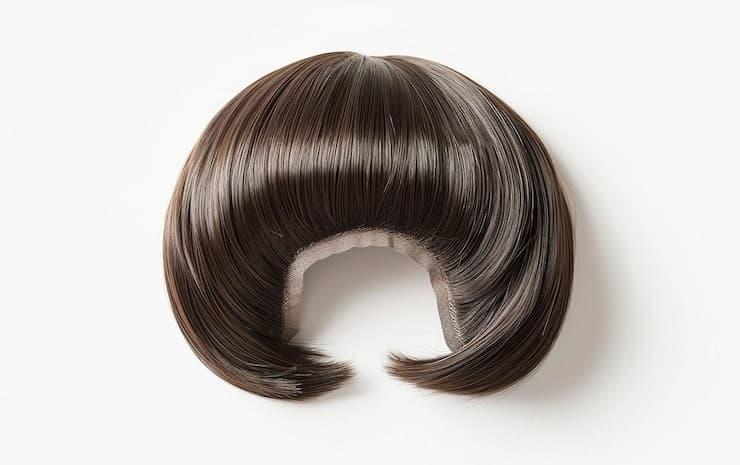
Blending different shades adds depth and realism. Use highlights and lowlights by mixing short pieces of lighter fiber into the top layers. For natural aging or subtle shine, choose matte acrylic fibers or gently roughen synthetic fibers with a toothbrush. If you want an ombre effect, attach two-tone wefts or dye synthetic fiber with specialized fabric dye and heat-set when necessary. Remember to always test color on a small scrap and use dyes suited to the fiber type.
Scaling and Density Considerations
Density must match the doll's scale: tiny heads require less hair per square inch. Aim for gradual density increases from hairline to crown. For baby dolls or vintage styles, use sparse rooting or thinner wefts to achieve historically accurate looks. For fashion dolls intending high hairstyles, pack denser wefts and consider internal padding in the cap to support volume.
Styling and Shaping Techniques
- Curls: Wrap hair around tiny rods, set with steam or low heat if fibers are heat-safe, then cool before removing.
- Waves: Use salt spray or light gel for synthetic fibers, then use a low-heat tool where compatible.
- Updos:
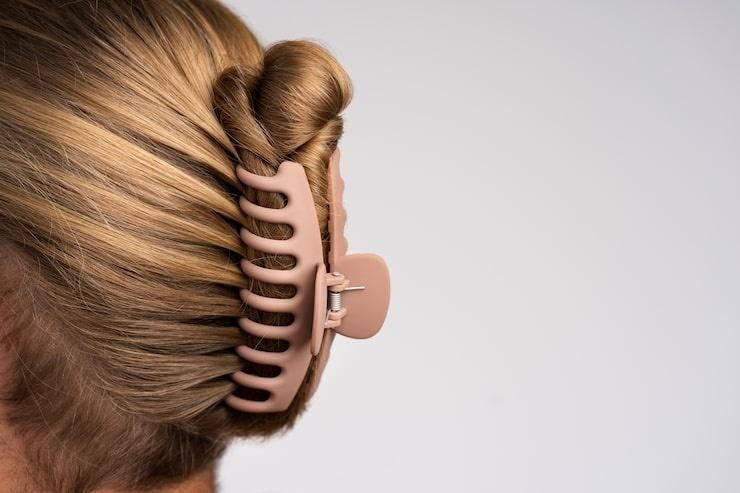 Create internal structure with wire or foam inserts to hold elaborate shapes without overburdening the cap.
Finishing Touches and Maintenance
Trim stray fibers, set the hairline with a dab of clear glue under the first row if needed, and comb gently with a baby toothbrush. To clean dust, use a soft brush or a mild fabric-safe wash and air-dry. Store wigs on a foam head, styrofoam ball, or wrapped in tissue to maintain shape and prevent tangles. Label materials and construction details on the inside of the cap for future repairs.
Troubleshooting Common Problems
Gaps or Thin Spots
If you notice thin areas, fill them with additional short wefts or targeted rooting. For wefted wigs, adding a narrow strip of weft over the gap often solves the problem cleanly.
Glue Shows Through
Use less glue and apply only where fibers meet the cap. Clear-drying fabric adhesives and tiny application tools (needle, toothpick) will minimize visibility. If a bit of glue is visible, trim adjacent fibers and blend with a tiny dab of matte acrylic paint on exposed areas.
Tangles and Matting
Detangle with a silicone-based detangler for synthetic fibers or a gentle conditioning spray for natural fibers. Work slowly from tips to roots. For severe matting, gently wet the hair and use a wide-tooth comb starting at the ends.
Advanced Ideas and Variations
- Invisible parting: Combine a thin lace strip with hand-tied knots to mimic scalp texture under a natural part.
- Partial wigs: Create layered toppers that attach with snaps or magnets for costume play and quick changes.
- Interchangeable wefts: Sew Velcro or small snaps to the cap to allow swapping weft panels and easy restyling.
Step-by-Step Quick Reference Checklist
- Measure and draft a cap pattern.
- Choose fiber and method: weft, glue, or root.
- Prepare wefts or pre-cut fibers to length.
- Sew or glue starting from nape to crown, leaving part area as planned.
- Style, trim, and finish hairline details.
- Seal interior knots and label for future repair.
- Store properly to maintain shape.
Budget Hacks and Sourcing
Find synthetic fibers at fabric stores, craft outlets, or online marketplaces at low cost. Use thrifted stockings, nylon fabric, or old tights for cap material. Yarn can produce charming stylized hair for playscale dolls; brushed acrylic yarn can mimic curly or fuzzy textures. Reuse hair from broken wigs or dolls for practice and small projects. Buying fiber in bulk and cutting to size reduces per-wig cost significantly.
Safety and Preservation
When working with heat, always confirm fiber heat resistance. Use low-heat tools and test on scraps. Avoid harsh solvents that can degrade synthetic fibers or discolor dyes. Keep glue and small needles away from children. For display dolls, limit direct sunlight and humidity to preserve pigments and fiber integrity.
SEO and Content Notes (for Creators)
Throughout this piece, the phrase how to make a wig for dolls appears strategically in headings, bold text, and within paragraphs to improve relevance for search engines while maintaining natural readability. Use unique images with descriptive alt text, step-by-step photos, and short embedded captions to boost engagement. Detailed process pages, high-quality visuals, and clear metadata will help your article rank for niche DIY queries.
Project Time Estimates
Estimate project time based on method: sewn weft wigs: 1–3 hours for a complete small wig; glued cap wigs: 2–4 hours depending on glue drying times; rooted wigs: 8–20+ hours depending on density and head size. Plan for drying and setting times when scheduling multiple projects.
When to Choose Which Fiber
- Synthetic: affordable, holds style, varied textures.
- Mohair: soft, fine, ideal for realistic baby doll hair.
- Human hair: expensive but heat-stylable and natural in movement.
Summary
This guide gives you an actionable blueprint for crafting a convincing mini wig: measure accurately, choose a construction method that fits your time and budget, blend colors for realism, and finish with careful styling and sealing. Whether you pick a simple sewn weft approach or invest time in hand-rooting for the most natural result, the essential skills you need are within reach. Keep practicing, document your patterns, and experiment with fibers to build a unique library of wig designs.
FAQ
A1: With proper construction, sealing, and care, a handmade wig can last for years. Avoid excessive heat and harsh chemicals. Store wigs on a form and gently detangle before storage.
Q2: Can I use regular human-hair dye on synthetic fiber?
A2: No. Synthetic fibers require specialty dyes or fabric paints; regular hair dyes for human hair will not adhere to most synthetics. Test on a scrap first.
Q3: Is rooting better than wefting for realism?
A3: Rooting provides the most realistic look because each strand appears to grow from the scalp, but it is time-consuming. Wefting is faster and can look realistic with good hairline finishing.
Ready to try? Gather a small kit, pick a method that fits your time and desired realism, and start with a practice cap. Remember that repetition improves both speed and naturalness, and documenting each project will help you refine the exact process that works best for the doll scale you prefer when learning how to make a wig for dolls.
Related products
Blog
- how to wear hair under wig cap step-by-step guide for a secure natural look without slipping
- does mrs macron wear a wig? What photos and stylists actually reveal
- Expert Guide on how to make wigs less frizzy with 7 proven tips for silky smooth hair
- what is a wig made out of explained - materials, human hair vs synthetic fibers and how to choose
- can you wash a wig with regular shampoo - expert tips, safe methods and common mistakes
- How long does a wig last Answers and timelines by wig type plus 7 care tips to extend its lifespan
- From rumors to reality - why does khabib wear wig and what it means for his image
- Why Did Lawyers Wear Wigs and How That Tradition Shaped Courtroom Authority Over Centuries