
How long does a wig last Answers and timelines by wig type plus 7 care tips to extend its lifespan
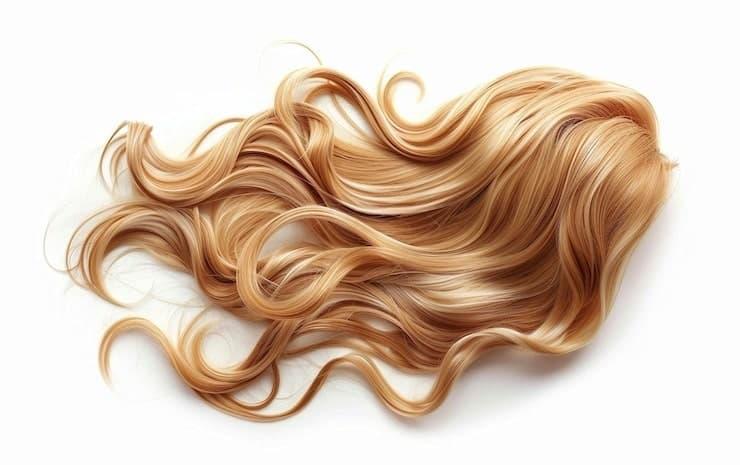
Wig Lifespan Guide: Practical Timelines and Care to Maximize Wear
How long does a wig last? Quick answer and what really matters
If you've ever wondered how long does a wig last, you're not alone. Lifespan varies dramatically by material, construction, frequency of wear, and how you care for it. This guide breaks down realistic timelines for common wig types, explains the key factors that shorten or lengthen their life, and offers seven targeted care tips to help you get the most value and best look from your investment.
Whether you wear wigs daily for style or seasonally for special occasions, understanding expected longevity helps with budgeting, styling choices, and maintenance planning.
Overview: short answer by usage
Broadly speaking, how long does a wig last depends on two main variables: the fiber type (synthetic vs human hair) and how often you wear it. Typical ranges you can expect are:
- Synthetic wigs: 4–6 months with daily wear; up to 1–3 years with occasional wear and careful maintenance.
- Heat-friendly synthetic: similar to standard synthetic but slightly shorter if heat-styled often — 3–12 months daily; 1–2 years occasional.
- Human hair wigs: 1–5+ years depending on quality, maintenance, and whether they are worn daily or sparingly.
- Hand-tied or high-end custom units (human hair, monofilament caps): often last 2–5+ years with excellent care.
These are averages rather than guarantees. A low-cost synthetic wig worn constantly and not cleaned will wear out quickly; a premium human-hair monofilament wig that’s rotated, washed correctly, and stored properly can last for years.
Why lifespan varies: factors that affect durability
- Fiber quality: Human hair is stronger and renewably styled, while synthetic fibers have a set memory and limited tolerance for heat and chemical exposure.
- Construction: Machine-made caps are durable and affordable but less realistic and often shorter-lived aesthetically; hand-tied or lace-front constructions require more care but reward you with a more natural look and longer functional life.
- Frequency and type of use: Daily wear naturally accelerates tangling, fraying, and shedding. Occasional wear extends life markedly.
- Styling and heat exposure: Heat-friendly fibers tolerate moderate heat, but repeated styling shortens their life. Human hair tolerates heat but needs protection and professional care.
- Washing and product use: Over-washing or using the wrong shampoos/conditioners depletes oils and damages fibers. Using proper wig products substantially improves lifespan.
- Environmental factors: Sun, salt, chlorine, pollution, and perspiration can degrade fibers and adhesives more quickly.
Detailed timelines by wig type
Synthetic wigs (standard)
Standard synthetic wigs are heat-sensitive, come pre-styled, and are typically the most affordable option. For daily wear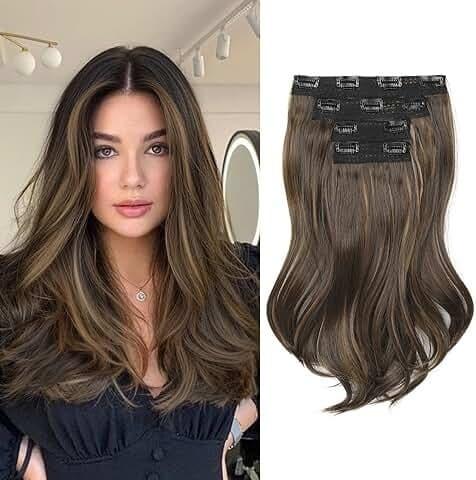 , expect roughly 4–6 months of decent appearance before noticeable wear (shiny/dull spots, frizz, fiber breakage). For occasional wear (weekends, events), they can last 1–3 years. Proper storage on a stand, gentle detangling, and minimal washing extend life.
Heat-friendly synthetic
These offer the convenience of restyling with low-to-moderate heat but are still not as resilient as human hair. If you frequently heat style, assume a shorter window — plan replacements in 6–12 months for daily users; 1–2 years for occasional users.
Human hair wigs
Human hair wigs look and behave like natural hair: you can dye, heat style, and treat them similarly to your own hair. High-quality human hair can last 1–5+ years. Expect closer to 1–2 years with daily wear and basic at-home care; 2–4 years with consistent professional upkeep and rotation; luxury, remy, or single-donor wigs with careful maintenance may last 5 years or longer. Key to longevity: minimize chemical processing, avoid excessive heat, and use deep conditioning regularly.
Lace front and monofilament caps
These cap constructions improve realism and scalp comfort. They don't change the fiber lifespan much, but because they look more natural longer, you may perceive an extended useful life. Lace that is regularly glued may wear or tear over months to years depending on application method; proper adhesive removal and cap care can preserve the base for years.
Medical and prosthetic wigs
People who use wigs for medical reasons often need soft, breathable caps and may replace wigs more frequently because of comfort, fit, and hygiene rather than fiber failure. Expect 6–18 months for synthetic medical wigs with heavier daily use; human-hair prosthetics can last 1–3 years or more depending on care.
Signs your wig needs replacement
- Persistently matted or permanently frizzy fibers after gentle care
- Excessive shedding or thinning across the cap
- Loss of style memory (for synthetic) so it never returns to original shape
- Cap damage: torn lace, worn elastic, or stretched out construction affecting fit
- Discoloration or chemical damage that can’t be corrected
When these signs appear, weigh repair vs replacement. Some issues (cap repairs, reventilation, professional cleaning) can buy months of life; irreversible fiber damage generally requires a new unit.
Seven care tips to extend wig longevity
- Rotate and rest. Owning two wigs and alternating reduces daily wear stress and stretches lifespan. Let wigs rest at least 24–48 hours between wears so fibers recover and any residual styling products dissipate.
- Use the right products. Specialized wig shampoos, conditioners, leave-in sprays, and serums designed for synthetic or human hair protect fibers. Avoid alcohol-based sprays that dry out fibers. For human hair, use sulfate-free formulas and occasional deep-conditioning treatments.
- Wash less often, more effectively. Over-washing accelerates wear. For daily-wear wigs, a typical schedule is washing every 10–14 wears; for occasional wigs wash after every 6–8 wears or when product buildup occurs. Use cool to lukewarm water, gentle strokes, and avoid rubbing the cap.
- Brush appropriately. Use a wide-tooth comb or a wig brush starting from the ends and working up. Never brush a wet synthetic wig; blot dry first. Gentle detangling reduces breakage and shedding.
- Protect from heat and environment. Keep synthetic wigs away from high ovens, open flames, and hot styling tools unless labeled heat-friendly and used at recommended temperatures. Use UV protectant sprays and avoid chlorinated or saltwater unless you plan a thorough, immediate rinse and conditioning.
- Store correctly. Place wigs on a wig stand or mannequin head to maintain shape and allow air circulation. For travel, use a wig box or satin-lined bag. Keep out of direct sunlight and away from heat sources.
- Schedule professional maintenance. For human-hair or high-end wigs, periodic salon servicing — deep conditioning, trims, re-tinting, and cap repairs — dramatically increases lifespan. For lace or monofilament bases, professional adhesive care prevents cap damage.
Daily habits that save years
Small routine changes influence how long does a wig last more than you might expect: avoid sleeping in wigs unless designed for that purpose; remove wigs before swimming; dab sweat promptly with a clean cloth after workouts; and use scalp liners or caps to reduce oil transfer into the wig. These measures reduce buildup, odors, and value-draining wear.
Maintenance calendar: a sample plan
Here’s a simple maintenance pattern for a human-hair wig worn frequently:
Weekly: Brush gently, use leave-in detangler, spot clean cap if needed.
Every 2–3 weeks: Light wash and conditioning.
Every 2–3 months: Deep conditioning or professional treatment.
Every 6–12 months: Cap inspection, re-styling, or adhesive replacement if applicable.
For synthetic wigs, lengthen intervals between shampoos, use cool water, and avoid heat styling unless allowed.
Cost vs lifespan: making buying decisions
Price often correlates with lifespan but not always. Budget synthetics are great for trend-driven looks or single-event wear, while human-hair and well-made caps are long-term investments. When asking how long does a wig last, consider total cost-per-wear: a higher upfront cost divided by years of use often yields lower monthly expense than repeatedly buying cheap synthetics.
Common mistakes that shorten life
- Using regular salon products on synthetic fibers
- Brushing aggressively from the roots down
- Exposing non-heat-resistant fibers to high temperatures
- Applying adhesives or removers incorrectly, tearing the lace
- Storing on the back of a chair or in direct sunlight
Tip: keep a small wig care kit — brush, travel-size wig shampoo, leave-in spray, satin bonnet — so you can maintain quality on the go.
When to repair versus replace
Consider repair if the cap can be reinforced, lace reattached, or a professional can re-style to remove damage. Replace when the fiber quality is permanently degraded (excessive matting, breakage, or permanently set shine changes in synthetics) or when cost of repair approaches replacement cost. Regular evaluations every few months help you make an informed call.
Fast checklist: extend your wig's life today
- Store on a stand and cover with satin/silk
- Wash only when necessary with wig-safe products
- Detangle gently starting at the ends
- Limit heat and chemical processing
- Rotate wigs to reduce continuous stress
- Use professional services for repairs and deep conditioning
- Protect from sun and chlorine
How long does a wig last — final perspective
There’s no single answer to how long does a wig last because life expectancy is a function of material, use patterns, and care. However, armed with the timelines and weekly-to-yearly maintenance strategies above, you can predict and often extend the practical life of any wig you own. Thoughtful daily habits and the right products shift the outcome from months to years.
Want a personalized estimate?
If you know the fiber type, cap construction, and wear frequency, you can estimate a lifetime range and plan maintenance or replacement. For example, a mid-range human-hair lace-front worn occasionally and professionally maintained could reasonably last 3–4 years, while a budget all-synthetic, daily-wear fashion wig might be expected to need replacement in under a year.
FAQ
How often should I wash my wig?
Wash intervals vary: synthetic wigs generally need washing every 6–10 wears; human-hair wigs every 8–12 wears depending on product buildup. Always use wig-specific formulas and cool to lukewarm water.
Can I sleep in a wig?
Sleeping in most wigs is not recommended because friction causes tangling and fiber stress. If you must, use a satin pillowcase and a silk or satin bonnet to minimize damage.
Does heat styling ruin synthetic wigs?
Standard synthetics will melt or deform under high heat. Use heat-only if the wig is labeled heat-friendly and follow temperature guidelines. Human-hair wigs tolerate heat but require heat protectant and moderate use.
Is it worth repairing a damaged wig?
Repairs are worthwhile when the base or lace is repairable and fiber condition is reasonable. For extensive fiber damage, replacement is usually more cost-effective.
With consistent care and smart choices, you can confidently answer how long does a wig last for your own units and create a plan to keep them looking great for as long as possible.
Related products
Blog
- what is 220 density wig meaning and why it matters - volume guide, styling tips and best buying advice
- How a really cool wig lyrics Sparked a Viral Trend and What the Lines Really Mean
- what is a lace closure wig - everything you need to know about types, installation, and maintenance
- Belletress Wigs Buyer Guide 2026 - Best Styles Honest Reviews and Easy Care Tips
- Quick Guide — does jade cargill wear a wig? Stylists Reveal Her Real Hair Secrets
- Can You Curl a Costume Wig Learn Safe Heat Methods, Best Tools and Aftercare Tips
- Do black women wear wigs Exploring why many choose wigs for style convenience and cultural expression
- Practical advice on where to buy wigs for cancer patients with budget-friendly natural-looking options and fit tips