
Can You Wash a Wig with Regular Shampoo? A Practical Guide for Safe At-Home Care
Short answer first: can you wash a wig with regular shampoo? The simple reply is: sometimes, but with important caveats. Whether you can safely use a regular everyday shampoo depends on the wig type (synthetic vs. human hair), the formulation of the shampoo, and how you apply it. This comprehensive guide explains why the question matters, how to proceed step-by-step, best alternatives, and common mistakes to avoid. Read on to learn professional-level tips you can use at home to preserve the look, feel, and longevity of your wigs.
Why the question “can you wash a wig with regular shampoo” is so common
Many wig owners ask the same thing because using regular shampoo seems convenient and cost-effective. However, wigs are constructed differently than natural hair attached to a scalp. They often have wefts, monofilament caps, lace fronts, and synthetic fibers that respond differently to surfactants, conditioners, and heat. Understanding these differences is key to making an informed choice.
Key factors that determine whether regular shampoo is acceptable
- Wig fiber type: Human hair wigs tolerate a broader range of shampoos, while synthetic fibers are more delicate and may be damaged by strong surfactants or high pH formulas.
- Shampoo formulation: Sulfate-free, gentle shampoos are less likely to strip moisture or alter styling treatments. Regular shampoos labeled “clarifying” or high-sulfate are risky.
- Color and treatment: Colored or chemically treated human hair wigs need color-safe products; synthetic wigs with heat-friendly fibers may handle more styling, but washing still requires caution.
- Construction details: Lace-front caps and glued wefts need less aggressive handling to prevent tangles or loosening.
Is regular shampoo always bad for wigs?
Not always. Low-sulfate, gentle daily shampoos with neutral pH are frequently acceptable for many human hair wigs when diluted and used sparingly. For synthetic wigs, most professionals recommend specially formulated synthetic wig shampoos, but in a pinch, a gentle baby shampoo or a mild sulfate-free formula can work if applied carefully and rinsed thoroughly.
Step-by-step method: Washing a wig with regular shampoo (safe approach)
The procedure below shows a conservative method if you choose to use a regular shampoo. Follow each step to reduce risk.
- Inspect the label and fiber: Confirm whether the wig is human hair, heat-friendly synthetic, or basic synthetic. If the label explicitly forbids regular shampoo, do not risk it.
- Detangle first: Use a wide-tooth comb or a wig brush from tips to roots. Place the wig on a stand or hold the cap to avoid pulling.
- Prepare a diluted mixture: Mix a small amount of regular shampoo with cool or lukewarm water in a basin (about one teaspoon per liter). For human hair wigs, a gentle sulfate-free shampoo is preferable. For synthetic fibers, use baby shampoo or a product labeled safe for synthetics if you lack a dedicated wig shampoo.
- Spot test: Dip a hidden section or inner cap edge in the diluted solution first and check for color bleeding or fiber roughening after a minute.
- Wash gently: Submerge the wig and gently squeeze the solution through the hair. Avoid rubbing, twisting, or wringing. For lace fronts, support the lace to prevent stretching.
- Rinse thoroughly: Rinse with cool or lukewarm water until the water runs clear. Leftover surfactant can stiffen fibers and cause buildup.
- Condition if human hair: Apply a lightweight, color-safe conditioner from mid-lengths to ends only. Avoid the cap base and roots to prevent loosening of knots. Rinse briefly with cool water.
- Dry correctly: Gently pat with a microfiber towel or T-shirt; never wring. Place on a wig stand and air dry. Avoid direct heat for synthetic wigs; human hair wigs can be styled with heat but only after completely dry and with a heat protectant.
Special tips by wig type
Human hair wigs
Human hair shares many care principles with natural hair, so a mild regular shampoo (preferably sulfate-free) is typically okay. Use color-safe formulas for dyed wigs, dilute to reduce surfactant strength, and always follow with a lightweight conditioner to restore moisture. Limit washes to every 7–14 wears depending on product buildup and environment.
Synthetic wigs
Synthetic fibers can be sensitive: harsh surfactants and high pH can remove styling memory, cause frizz, or alter fiber sheen. Best practice is to use a synthetic-specific wig shampoo, but in emergencies, a baby shampoo or mild sulfate-free regular shampoo diluted gently can be used. Never apply regular deep conditioners designed for natural hair to most synthetic fibers — they can leave residue that attracts dirt.
How often should you wash a wig?
Frequency depends more on wear conditions than on fiber type. If you wear product-heavy styles, use hairspray daily, or sweat heavily, wash more frequently. In general:
- Human hair wig: every 7–14 wears or monthly if worn occasionally.
- Synthetic wig: every 10–15 wears unless exposed to heavy styling products or perspiration.
What shampoos to avoid
Avoid shampoos labeled “deep clean,” “extra-strength clarifying,” or those with high sulfate lists (e.g., SLS, SLES) for sensitive wigs. Products with strong oils or silicones can build up and weigh hair down. Also avoid alcohol-heavy styling shampoos that dry out natural fibers or dissolve adhesives on some units.
Tips to preserve style after washing
After washing, reshape curls or waves while damp using your fingers or a foam roller. For human hair, set heat tools at low-medium temperatures and use a heat protectant. For synthetic wigs, use steam-friendly methods or wig-specific styling tools when applicable. Always allow the wig to dry completely on a stand to maintain cap shape and prevent odors.
Common mistakes that cause damage
- Using hot water—this can alter fiber texture and set unwanted curl or frizz.
- Rubbing or wringing the wig—this causes tangles, matting, and cap damage.
- Applying heavy conditioners to synthetic fibers—leading to residue and loss of bounce.
- Washing too frequently—this strips moisture from human hair wigs and shortens service life.
- Ignoring adhesives and tapes—some shampoos can weaken bonds around lace fronts.
Alternative at-home cleaning techniques

If you are uncomfortable using any regular shampoo, consider these gentle alternatives: dry shampoo powders designed for wigs, diluted conditioner-only washes for minimal surfactant exposure, or professional wig cleansing kits. Steam refreshers and leave-in conditioners formulated for wigs help extend the time between full washes.
Product recommendations and what to look for on labels
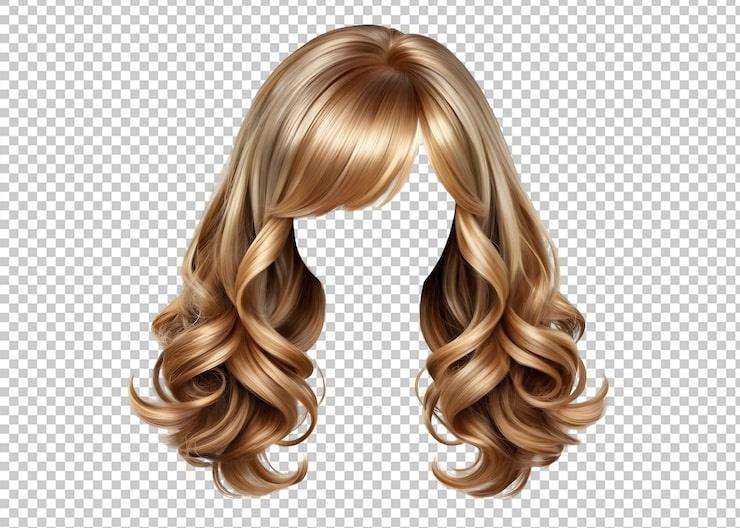
Search for terms such as “sulfate-free,” “pH balanced,” “color-safe,” and “gentle.” Many brands now offer formulas specifically for wigs and hairpieces. For synthetic wigs, look for a product explicitly marked “synthetic wig shampoo” or choose a mild baby shampoo with no heavy oils. When in doubt, consult the wig manufacturer’s care instructions.
When to seek professional cleaning
If a wig is heavily soiled, has adhesive buildup, or is high-value human hair, professional laundering and styling may be worth the investment. Professionals can remove adhesives safely, treat color concerns, and reshape the wig without risking cap stretch or fiber degradation.
Troubleshooting: problems after washing with regular shampoo
If you used a regular shampoo and notice stiffness, excessive shedding, frizz, or loss of luster, try these remedies: a clarifying rinse to remove residue if product buildup occurred, a light leave-in conditioner for human hair, or a commercial wig smoother for synthetics. If adhesives loosened, allow the wig to dry and then reinforce with appropriate wig tape or adhesive as needed.
Summary and practical rule
To summarize, the direct question can you wash a wig with regular shampoo does not have a one-size-fits-all yes or no answer. The practical rule is: evaluate the wig type, choose a gentle or specifically labeled product, always dilute and test a small area, and use gentle handling methods. When you follow careful procedures, you can sometimes wash safely with a regular shampoo, but dedicated wig products reduce risk and often produce better long-term results.
Whether you're new to wig care or refining your routine, this guidance should help you make an informed choice about washing methods and products. Remember: prevention (minimal heat, proper storage, and reduced product buildup) is the best strategy to maintain the natural look and extend the lifespan of any wig.
FAQ
Q: Can I use baby shampoo on a synthetic wig?
A: Yes, baby shampoo is often a safe emergency alternative for synthetic wigs because it is typically mild and free of harsh sulfates, but use it diluted and avoid heavy conditioners afterwards.
Q: How long should a wig air dry?
A: Drying time varies by density and fiber; lightweight synthetic wigs may dry in a few hours, while thick human hair wigs can take 12–24 hours. Always air dry on a proper wig stand away from direct sunlight.
Q: Will regular shampoo remove styling from synthetic wigs?
A: It can. Strong shampoos and hot water may strip manufactured style memory. If preserving the original style is essential, use a synthetic-specific shampoo and cool water.
Final note: treating your wig with intentional, gentle care ensures it remains comfortable, natural-looking, and long-lasting. If you still wonder can you wash a wig with regular shampoo, remember the best answer is to choose the least aggressive, manufacturer-friendly, and tested approach for your specific wig.