
how long does human hair wig last - expert care tips to extend lifespan, cleaning schedule and signs it's time to replace
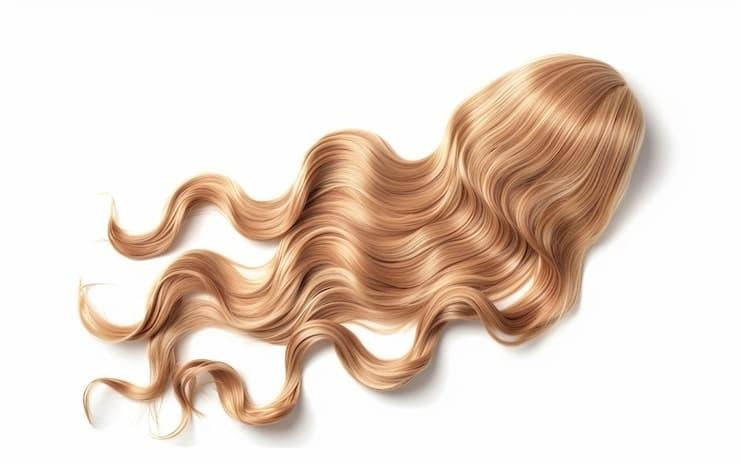
Expert Guide: Maximizing the Lifespan of Your Human Hair Wig
If you've ever wondered how long does human hair wig last in real life, you're not alone. The true longevity of a real-hair wig is not fixed — it depends on quality, daily habits, maintenance, and storage. This comprehensive guide explains realistic timeframes, professional care techniques, recommended cleaning rhythms, and clear signs that it's time to consider replacement. Whether you're new to wigs or looking to extend the life of a favorite piece, this content is built for searchability and practical application.
Typical lifespan: realistic ranges and expectations
The question how long does human hair wig last is best answered with ranges rather than a single number. High-grade, hand-tied human hair wigs from reputable manufacturers often remain wearable for 1 to 3 years with daily use when maintained correctly. Mid-range pieces can last 6 months to 1.5 years under regular use and careful care. Lower-cost or heavily styled wigs, or those worn intensively (for example in performance, daily heavy heat styling, or without proper cleaning), may only be in good condition for 3 to 6 months. The lifespan is a spectrum influenced by many variables outlined below.
Key lifespan brackets
- Everyday wear, premium wigs: 12–36 months with proper care
- Casual/occasional wear: 2–18 months depending on quality
- Styling-intensive or improperly maintained items: 3–9 months
Factors that determine durability
A clear understanding of what shortens or lengthens longevity helps answer the practical part of how long does human hair wig last. Consider the following:
- Hair grade: Remy and single-donor hair tends to tangle less and last longer than mixed, non-Remy hair.
- Construction: Lace-front and hand-tied caps often move more naturally and distribute stress better than machine-sewn caps; cap quality affects wear.
- Frequency of wear: Daily wear accelerates the cycle; rotating several wigs increases each wig's useful life.
- Chemical treatments: Coloring, perming, or harsh chemical services reduce cuticle integrity and shorten life significantly.
- Heat styling: Repeated high-heat styling without protection can dry and break hair strands.
- Care routines: Inadequate washing, lack of deep conditioning, and poor drying techniques all contribute to premature degradation.
- Environment: Chlorinated pools, seawater, heavy sun exposure, and pollution can damage hair fibers and adhesives.
How to estimate lifespan for your specific wig
To approximate how long does human hair wig last for your piece, evaluate the hair grade, cap construction, and average weekly wear hours. Multiply professional-grade maintenance plans with lower daily wear to project closer to the upper lifespan bracket.
Routine daily care: small habits that add months
Daily micro-habits have a macro effect on longevity. Follow this simple routine every day you wear the wig:
- Brush gently with a wide-tooth comb or wig brush from ends to roots to avoid unnecessary shedding.
- Keep oils and heavy styling products minimal; they attract dust and accelerate the need for washing.
- Use a heat-protectant product before any thermal styling; always set tools to the lowest effective temperature.
- Air out the wig after wearing, especially if you sweat. A short airing reduces odor and bacterial buildup.
Key daily do's and don'ts
- Do: Use satin or silk-lined caps under hats to prevent friction.
- Don't: Sleep in your wig routinely unless it is designed for nocturnal wear.
- Do: Alternate wigs if you wear one every day; rotation is one of the best longevity tricks.
Cleaning schedule: when and how to wash
One of the most commonly asked variations of how long does human hair wig last is about washing frequency. The truth: there is no one-size-fits-all answer, but there are practical guidelines.
General washing frequency
- Daily wear: Wash every 7–14 days depending on product buildup and sweat.
- Occasional wear: Wash every 3–6 weeks.
- After heavy exposure: Wash immediately after swimming in chlorinated or salt water.
Step-by-step washing method for longevity
Follow these cleaning steps to maintain cuticle integrity and maximize usable time:
- Detangle gently before wetting, using a wide-tooth comb or specialized brush.
- Fill a basin with cool to lukewarm water and add a mild, sulfate-free shampoo recommended for human hair wigs.
- Soak for a few minutes, then gently squeeze the shampoo through the hair—don’t rub or twist.
- Rinse thoroughly with cool water to seal the cuticle.
- Apply a deep conditioning mask formulated for human hair wigs and leave it for 5–15 minutes depending on dryness.
- Rinse and pat dry with a microfiber towel; avoid wringing.
- Apply a leave-in heat protectant or a light serum while damp, then air-dry on a wig stand to preserve shape.
Deep conditioning and protein treatments
Every 8–12 washes, use a richer conditioning treatment or professional protein service to rebuild structure. Over-proteinizing can make hair brittle, so alternate moisturizing masks with protein-based products.
Styling: how to look great without shortening life
Correct styling choices play a central role in answering how long does human hair wig last for style-conscious wearers. Here are guidelines:
- Use the lowest effective heat setting and limit heat sessions to preserve cuticle health.
- Prefer steam styling or low-heat ceramic tools and always use a thermal protectant.
- When cutting or coloring, seek a stylist experienced with wigs to avoid unnecessary damage.
- Limit chemical color changes; each color lift or dye will reduce lifespan if done repeatedly.
Storage and travel practices
How you store a wig between wears profoundly affects durability. For the longest life:
- Store on a high-quality wig stand or mannequin head to retain cap shape and prevent tangles.
- Keep in a cool, dry place away from direct sunlight; UV exposure fades and weakens hair.
- For travel, use a padded wig case or the original box with acid-free tissue paper to prevent crushing.
- When stacking multiple wigs, separate with breathable separators to avoid friction and color transfer.
Professional maintenance and restorations
Regular visits to a wig professional can dramatically extend the answer to how long does human hair wig last. Services include reconditioning treatments, ventilating loose knots, tightening wefts, and resealing lace fronts. For premium pieces, a maintenance appointment every 3–6 months is a good investment.
When to seek a pro
- Persistent tangling and matting despite correct at-home care.
- Loose or damaged cap structure: loose wefts, torn lace, or stretched elastic bands.
- After aggressive chemical or heat services that require rebuilding the hair's integrity.
Signs it's time to replace your wig
Even with excellent maintenance, all human hair wigs eventually show signs of natural wear. Watch for these clear indicators that replacement is due:
- Excessive shedding: Normal shedding is expected, but if you notice large clumps or thinning areas, lifespan has ended.
- Permanent tangling or matting: If tangles cannot be resolved without losing significant hair, the wig is at end-of-life.
- Dry, straw-like texture: This indicates cuticle damage beyond repair, commonly due to overprocessing or heat abuse.
- Lace or cap deterioration: When lace tears or the cap stretches and loses fit, replacement may be safer than repair.
- Chronic odor or discolored hair: When odors persist despite cleaning and color is uneven due to repeated chemical treatments, replacement is often preferable.
Decision checklist
Before replacing, try professional repair; if cost of repair approaches or exceeds the value of a new piece, buy new. Consider eco-friendly recycling options for old hair when available.
Common myths and clarifications
Addressing myths helps you avoid mistakes that shorten lifespan:
- Myth: "Human hair wigs don't require special shampoo." Reality: Sulfate-free, gentle cleansers designed for human hair wigs preserve cuticles and extend life.
- Myth: "More frequent washing shortens lifespan." Reality: Infrequent washing allows buildup that weakens hair; washing on a sensible schedule is protective.
- Myth: "Heat is always fatal to a wig." Reality: Controlled, low-heat styling with protectant is acceptable; it's repeated high heat without protection that causes damage.
Cost vs. lifespan: budgeting smartly
When estimating how long does human hair wig last, factor in replacement frequency into your budget. A higher initial investment in a premium wig plus professional maintenance can be more economical over time compared with repeatedly buying low-cost units. Treat the wig as an investment: rotation, gentle care, and professional upkeep optimize returns.
Value optimization tips
- Rotate 2–3 wigs to reduce daily wear and extend each unit's life.
- Buy slightly darker shades if you plan to dye less, as lifts and lightening are more damaging.
- Opt for hand-tied or lace-front caps if you want more natural movement and longer usability in many wear scenarios.
Environmental and lifestyle considerations
Think about climate, personal activity levels, and profession. If you work in humid or outdoor environments, expect more frequent cleaning and potentially shorter lifespans unless you take aggressive protective measures. For performance artists, extra maintenance or a higher rotation of pieces is often necessary.
Practical maintenance schedule sample
Use this sample schedule to answer the practical variant of how long does human hair wig last for an everyday wearer:
- Daily: gentle detangling, airing on a stand after use, avoid sleeping in the wig.
- Weekly (or every 7–14 days of wear): light wash with sulfate-free shampoo and conditioning; apply leave-in protectant.
- Monthly: deep conditioning treatment, inspecting cap and wefts for repair needs.
- Quarterly: professional inspection and restorative services as needed.
Eco-friendly disposal and recycling options
When replacement becomes necessary, consider ethical options. Some salons accept used hair for recycling or processing into hair mats for oil spills; others can repurpose lace or merge salvageable hair into custom pieces, reducing waste.
Final summary: realistic expectations and best practices
So, to directly address the search intent around how long does human hair wig last: expect anywhere from a few months to several years depending on quality, care, and use. The most decisive actions you can take to improve longevity are: choose quality hair and construction, implement a conservative cleaning and conditioning schedule, rotate wigs to limit continuous wear, minimize harsh chemical and heat exposure, and schedule regular professional maintenance. These strategies will push your piece toward the upper end of the lifespan spectrum.
Pro checklist before buying
- Confirm hair origin (Remy vs non-Remy).
- Inspect cap construction and ventilation.
- Plan for professional maintenance intervals.
- Decide on color/styling choices with future care in mind.
Quick reference: keywords and focus
For on-site SEO, this article maintains a clear focus on how long does human hair wig last throughout headings, lists, and emphasized text, aligning content with common search queries such as longevity, cleaning schedule, and signs to replace.
FAQ
How often should I replace a human hair wig?
Replacement depends on condition: premium wigs can be replaced every 1–3 years with regular maintenance; mid-range items often need replacement within 6–18 months. If major structural deterioration or irreparable hair damage occurs, replace sooner.
Can I color or dye a human hair wig and still keep it long?
Yes, but limit chemical processes. Each dye or lightening session shortens potential lifespan—consider consulting an experienced wig colorist, using gentle products, and following with restorative treatments.
Does sleeping in a wig ruin it?
Regular sleeping in a wig increases friction and tangling and therefore reduces lifespan. If overnight wear is necessary, use a silk or satin bonnet and a loose fit to minimize damage.
Is it worth repairing an old wig?
Repair is worthwhile if structural cap issues or localized damage can be fixed for less than the cost of a new wig. For widespread hair degradation, purchasing a new piece may be more economical.
By implementing these expert tips, you can meaningfully extend how long your human-hair wig lasts and keep it looking fresh, natural, and comfortable for as long as possible.
Related products
Blog
- Salon-tested easy methods for how to get tangles out of a wig and restore silky shine
- do judges wear wigs in england - why the tradition continues and what has changed
- how to use a wig clip - 6 simple steps to secure and style your wig like a pro
- does nicole kidman wear a wig in perfect couple revealed by hairstylists on set photos and expert analysis
- can you sleep in a wig without ruining it - 9 pro tips for comfortable overnight wear and easy wig care
- Complete Guide to united beauty supply hair extension & wigs Trends Care and Best Buys 2025
- how to make a synthetic wig softer with 9 expert DIY tricks for smoother natural results
- why do they wear wigs in british court explained A concise history of legal wigs etiquette symbolism and modern debates