
How to Detangle a Synthetic Wig with Fabric Softener - Gentle Step by Step Method to Remove Tangles and Restore Shine
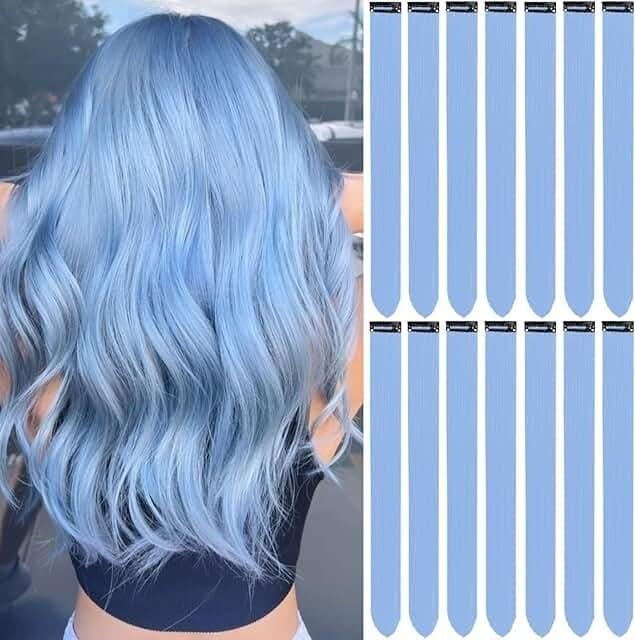
Gentle Guide: Restore Smoothness to Synthetic Hairpieces
This comprehensive, search-engine-friendly guide explains in easy-to-follow steps how to detangle a synthetic wig with fabric softener, offering alternatives, safety tips, and styling advice so you can restore shine and extend the life of your wig without harsh chemicals or expensive salon visits.
Why choose a mild method for synthetic fibers?
Many synthetic wigs are made from heat-sensitive fibers such as kanekalon or toyokalon that can become frizzy, matted, or tangled through wear, storage, or friction. Harsh brushing or high heat can permanently damage these fibers. Learning how to detangle a synthetic wig with fabric softener gives you a gentle, inexpensive option to relax knots and reduce static while protecting the wig's structure and sheen.
How fabric softener works on synthetic hair
Fabric softener contains conditioning agents that coat fibers, reduce static cling, increase slip, and momentarily loosen tangles. When used properly, a diluted fabric softener rinse can make it much easier to remove knots using a wide-tooth comb and your fingers. However, overuse or direct application at full strength can leave residue, so a measured approach and a follow-up rinse are essential.
Materials you will need
- Quality wide-tooth comb and a soft-bristle brush designed for wigs
- Spray bottle or a large bowl for the rinse
- One or two teaspoons of liquid fabric softener per cup of cool water (adjustable)
- Towel (microfiber preferred)
- Wig stand or mannequin head to secure the wig while detangling
- Clips to section the wig
- Optional: leave-in wig detangler or diluted conditioner for extra slip
Preparation: set up for success
Before you begin the physical detangling, prepare the workspace and the piece. Place the wig securely on a wig stand or mannequin head. This stabilizes the wig and gives you access without crushing the cap. If the wig was worn recently, gently shake out loose debris. Never detangle a dry, badly matted wig without some slip — that increases breakage risk. The best method is to use a diluted fabric softener solution to lubricate tangles.
Step-by-step process to detangle with fabric softener
Below is a stepwise method you can follow precisely to safely detangle. Follow the steps carefully and check the fiber response after each stage.
- Mix a mild solution: In a spray bottle or bowl, mix about one teaspoon of fabric softener per cup of cool or lukewarm water. For a large wig, increase the volume proportionally. The goal is a light conditioning rinse, not a heavy soak.
- Spot test first: Spray a small hidden section or the inside band and wait a few minutes to ensure no discoloration or adverse reaction occurs. Most modern synthetic fibers tolerate mild fabric softeners, but checking avoids surprises.
- Work in sections: Divide the wig into manageable segments using clips — top, sides, back. Tackle one section at a time. This helps keep tangles from recombining and allows you to focus on problem areas like the nape and part line.
- Apply the solution: Lightly mist the section or dip only the tangled ends into the diluted solution. Avoid saturating the wig cap or lace front because excess moisture can loosen adhesives or alter the cap shape. Keep the application primarily on the fiber.
- Finger-detangle first: Gently use your fingers to separate major knots. Use slow, small motions and try to tease apart the tangle where it is loosened by the fabric softener solution. This reduces stress when you move on to combing.
- Comb with a wide-tooth comb: Starting from the very ends, comb downward through the hair with a wide-tooth comb, holding the hair above the combed section to avoid pulling at the cap. Always comb from ends to roots; do not start at the scalp.
- Repeat as needed: If the tangle is stubborn, reapply a mist of the diluted fabric softener and let it sit for a minute before continuing. Avoid continuous soaking in the solution; short applications are safer and effective.
- Rinse lightly (optional): After detangling a section, you can briefly rinse that area with cool water to remove residue of fabric softener, or blot with a damp microfiber towel. If you plan to keep some conditioning slip, a very light rinse is sufficient.
- Dry carefully: Blot excess moisture with a towel and allow the wig to air-dry completely on a wig stand. Never use high heat from a hairdryer unless the wig is explicitly heat-resistant.
Common problem areas and targeted fixes
Some zones tangle more often: behind the ears, the nape, and under layers. For part lines and lace front tangles, avoid pulling at the base; instead, mist sparingly and use a loop method with your fingers to gently work out the knot. For severe matting near the cap, you may need to trim only the damaged fibers and then blend with light styling rather than force-brushing, which can widen the damage.
Alternative gentle detangling agents
If you prefer alternatives to fabric softener, consider using a small amount of leave-in conditioner formulated for synthetic hair, a diluted baby shampoo followed by a conditioner rinse, or a commercial wig detangler. Each product has different residues and slip, so always perform a patch test and use sparingly.
When not to use fabric softener
- On extremely fragile or frayed synthetic fibers — if fibers break with minimal effort, consult a wig technician
- On wigs with glued-in embellishments, fragile lace fronts where adhesives may be affected
- If manufacturer instructions explicitly advise against it — always consult care tags or vendor guidance
Post-detangling care to maintain results
Once tangles are removed, maintain the wig's smoothness: store on a stand, brush gently daily with a wig brush, avoid sleeping with the wig on, and keep away from friction sources such as coarse sweaters or car headrests. A light mist of a leave-in synthetic safe detangling spray can preserve the slip created by the fabric softener treatment.
Styling and heat considerations
Most synthetic wigs are not heat-friendly. Avoid curling irons or hot tools unless the wig is labeled heat-resistant. If you must restyle, use steam gently from a distance or purchase low-heat tools specifically for synthetic fibers. The detangling process with fabric softener does not make the fiber more heat-resistant; proceed with caution.
Eco and health considerations
Fabric softeners contain fragrances and chemicals that may bother sensitive skin. Rinse the wig well if you experience irritation or if the wearer has respiratory sensitivity to scents. Consider fragrance-free, hypoallergenic fabric softeners or natural alternatives like diluted fabric softener-free conditioners. Dispose of used solution responsibly; small leftover amounts can be diluted and discarded down the drain in line with local guidelines.
Troubleshooting: stubborn tangles and matted sections
If you encounter knots that refuse to loosen, try these methods: increase the interval between application and combing to let the conditioning agents work, use a finer-tooth comb only after major tangles are loosened, or carefully trim very small damaged areas and blend with thinning shears. Avoid ripping or yanking; that damages the fiber permanently.
How often should you use this method?
Routine maintenance with a very light fabric softener mist can be performed occasionally — perhaps every few months depending on wear. Frequent, heavy use may leave a residue, so alternate with a mild cleansing and conditioning routine. Monitor the wig to find the right balance for your specific fiber and usage pattern.
How to store a detangled wig
After treating and thoroughly drying, store your wig on a stand or in a breathable bag. Avoid tightly packing wigs or placing them near heat sources. Proper storage reduces tangling and preserves the professional finish achieved via your detangling routine.
Step-by-step quick reference
- 1) Test a hidden area with diluted fabric softener
- 2) Section the wig and secure
- 3) Apply a light mist or dip ends into the dilute solution
- 4) Finger-tease major knots
- 5) Comb from ends to roots with a wide-tooth comb
- 6) Rinse lightly if necessary and blot dry
- 7) Air-dry on a stand and finish with a wig-safe leave-in spray
Following this checklist ensures a repeatable, safe workflow for how to detangle a synthetic wig with fabric softener while minimizing long-term buildup.
Myths and facts
Myth: Fabric softener will permanently soften synthetic wigs. Fact: It provides temporary slip and anti-static benefits but is not a permanent treatment. Myth: Heavy brushing is okay after softener. Fact: Heavy brushing can still break fibers; the right technique matters: ends first, then upward.
Quick safety reminders
- Always patch-test on a non-visible area.
- Use cool or lukewarm water; hot water can alter synthetic fiber shape.
- Do not saturate the cap or lace area.
- Air-dry completely before storing or wearing.
Understanding the balance between slip and residue is key to mastering how to detangle a synthetic wig with fabric softener safely and effectively.
Recommended product notes
Choose a mild, hypoallergenic fabric softener if required. Some brands market fragrance-free formulas; these can be preferable for sensitive users. If you prefer commercial wig products, look for silicone-free detanglers specified for synthetic hair to avoid building up weigh-down residues.
When to seek professional help
If your wig has severe matting at the cap, multiple broken fiber clusters, or if it is an expensive human-hair blend with special construction, consult a professional wig stylist. Professionals can recondition, re-knot, or repair the base without risking irreversible damage.
Additional tips for longevity
- Wash a wig only as necessary — over-washing can reduce longevity.
- Protect wigs from perfumes and hairsprays directly onto fibers.
- Rotate between multiple wigs if worn daily to reduce wear.
- Use gentle satin or silk pillowcases and headrest covers if occasional contact with fabrics occurs.
These care practices complement the detangling method and create a comprehensive maintenance routine for wearers and stylists alike.
Summary
In short, a careful, diluted fabric softener rinse is an effective, budget-friendly way to learn how to detangle a synthetic wig with fabric softener while maintaining fiber integrity. Use measured solutions, work in sections, always start from the ends, and prioritize gentle finger work before combing. This process can restore shine, reduce static, and significantly improve manageability when performed correctly.
With attention to product choice, safety checks, and maintenance, your synthetic wig can look refreshed and stay wearable longer after each gentle treatment.
FAQ
Q: Will fabric softener ruin my wig?

A: When diluted and used sparingly, fabric softener should not ruin most synthetic wigs, but always do a patch test and avoid saturating the cap or lace front. Rinse lightly if you detect residue or fragrance sensitivity.
Q: How often can I use fabric softener on synthetic hair?
A: Use it occasionally as a maintenance step, not every wash. For regular upkeep, use wig-specific detanglers and only apply fabric softener treatments when tangles need additional slip.
Q: Can I use this method on heat-friendly synthetics?

A: Yes, but still be cautious about cap adhesives and lace, and avoid subsequent heat styling unless the wig is rated for heat. Fabric softener does not increase heat tolerance.
Related products
Blog
- Discover human hair wigs near me today with top local salons, styling tips and honest price comparisons
- Expert guide on how to wear a wig without a wig cap for a natural look and secure all day fit
- how to make a wig look natural at the hairline expert step by step tips to blend lace create baby hairs and achieve undetectable results
- how to make a helmet wig easy DIY step by step tutorial for cosplay materials styling and fit tips
- How to Cut Short Wig at Home Easily with Pro Tips for a Flawless Finish
- How to Cut Bangs on Wig Easily at Home Step by Step Guide with Pro Tips for Flawless Results
- Where to Buy the Best Wigs - Expert Guide to Quality, Fit, Price and Style
- 10 Charming Cat with Wig Looks for Hilarious Photos and Easy Styling Tips