
Creative guide: affordable handmade hairpieces for plays, parties and projects
Overview and purpose
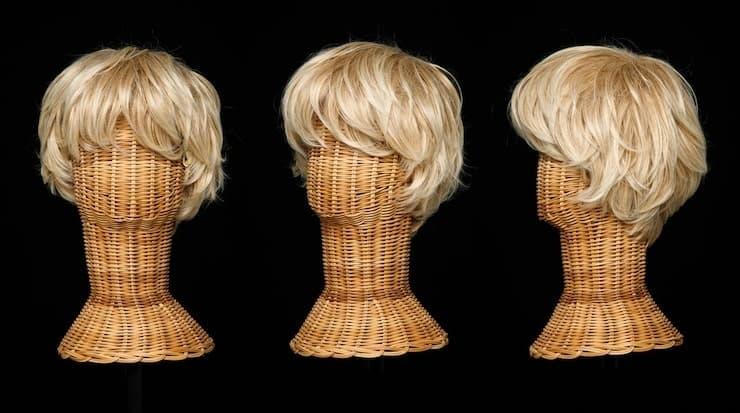
This detailed how-to resource explains how to make a paper wig with practical, stepwise instructions suited for costumes, kids' crafts, cosplay, and school projects. The goal is to provide clear, SEO-friendly guidance that instructors, parents, cosplayers, and craft enthusiasts can follow. In this guide you'll find material lists, templates, shaping and styling techniques, safety considerations, customization ideas, and troubleshooting tips that help you mass-produce or personalize an eco-friendly headpiece. The phrase how to make a paper wig appears throughout to emphasize search relevance and to make this article useful for people searching for DIY paper hair solutions.
Why choose paper wigs?
Paper wigs are inexpensive, lightweight, and easy to adapt to different styles—from classic powdered looks to anime-inspired locks. They are ideal for temporary wear at school plays, themed birthday parties, Halloween costumes, and quick cosplay events. Compared with synthetic or natural hairpieces, paper versions are biodegradable (when uncoated) and encourage creativity in construction and surface decoration.
Who is this tutorial for?
- Teachers preparing simple costume kits for classroom productions
- Parents seeking safe craft projects for children (with supervision)
- Cosplayers and makers experimenting with rapid-prototype wig designs
- Event planners needing low-cost disposable hair accessories
Materials and tools (low-cost, easily sourced)
Before you begin, assemble the following items. Variations are noted to suit age, durability, and desired finish.
- Paper base options: lightweight cardstock, craft paper, newspaper, kraft paper, or recycled brown paper bags. Cardstock provides structure; thin paper is easier to fold and curl.
- Adhesives: double-sided tape, white PVA glue, glue sticks, or hot glue gun (adult use only). For children's projects, prefer glue sticks or PVA with supervision.
- Cutting tools: scissors, craft knife (adult only), or pinking shears for decorative edges.
- Measuring tools: ruler, measuring tape, and a head circumference reference.
- Fasteners: elastic bands, hair clips, bobby pins, or a paper headband base.
- Finishing supplies: acrylic paint, markers, spray paint, glitter glue, tissue paper, crepe paper strips, and clear varnish (optional for weatherproofing).
- Templates and pattern paper: printable templates make shaping faster; graph paper helps with scaling.
Design considerations
Plan your wig before cutting. Will it be short, long, curly, or braided? Decide on color and texture. Layering paper strips creates realistic depth. How to make a paper wig that looks alive depends on combination of cut, curl, and layering techniques described next.
Choosing a base method
There are three reliable base approaches:
- Conical cap: create a cone that sits on the head and anchor paper hair to the cone.
- Headband method: attach paper hair to a sturdy paper or plastic headband for easy on/off.
- Skull cap: craft a fitted cap from multiple curved panels for a more custom, snug fit.
Step-by-step construction: conical cap method (simple and fast)
This is a beginner-friendly method that works well for party props and short-term wear. Follow each step and use the variations to adapt texture and length.
Step 1: Measure and cut the cap
Measure the wearer's head circumference and divide by two to form a template. Cut a semicircle from cardstock whose straight edge equals the head circumference. Roll the semicircle into a cone and join the edge with tape or glue. Trim excess to ensure the cone sits comfortably near the forehead and nape.
Step 2: Prepare hair strips
Cut long strips of paper 1–3 cm wide for short hair, 3–6 cm for longer looks. For curly or layered textures, vary widths and lengths. To replicate bangs or fringe, prepare shorter strips about 6–10 cm in length.
Step 3: Add texture
Use any of these techniques: crimp the strip by folding back and forth, curl by wrapping around a pencil and applying gentle pressure, or fringe by making small perpendicular cuts along the edges. For waves, use a broad fold technique: accordion-fold the strip and then unroll to reveal undulating texture.
Step 4: Attach hair to base
Work from the bottom (nape) to the top (crown). Apply glue or double-sided tape along the edge of a strip and press onto the cone. Overlap each row slightly to hide attachment points. Continue layering until the cone is fully covered. To create partings, leave a narrow triangular space from the forehead to the crown and attach hair on both sides leaving the part visible.
Step 5: Shape and finish the style
Once the cone is covered, trim lengths for balance. Add curls at the ends by wrapping strips around a round tool, then securing with a dot of glue. For added volume, gently ruffle layers or insert small paper loops beneath the top layer to create lift at the roots.
Step-by-step construction: skull cap method (custom fit)
This method produces a more natural-looking cap that hugs the head. It's ideal for cosplay where the wig will be worn longer.
Step 1: Create a pattern
Trace a close-fitting hat shape using a soft, stretchable fabric or using a head block size. Convert the pattern into paper by adding seam allowances. Cut several curved panels from cardstock—four to six pieces works well.
Step 2: Assemble the cap
Glue or tape the curved panels together along the seam allowances to form a domed cap. Test the fit and sand edges by trimming carefully until comfortable. Reinforce inside seams with extra tape for durability.
Step 3: Attach hair
Apply hair strips or pre-constructed bundles to the cap using the layering method described for the cone. For a more realistic hairline, add a thin strip of flesh-toned paper at the forehead, and glue short, tapered strips to mimic baby hair.
Advanced textures and styling ideas
Explore these creative directions to elevate appearance and authenticity.
Curly and voluminous looks
Use crepe paper or tissue paper rolled and twisted for corkscrew curls. Glue curls individually or in clusters for a Victorian powdered-wig effect. Seal with a light clear spray to preserve shape.
Braids and intricate styling
Form paper ropes by twisting multiple strips together; use three ropes to braid. Compress braids flat for stylized cosplay looks or round them for a realistic rope-braid. Secure ends with small paper rings or narrow glue dots.
Coloring and surface finishes
Use water-based paints or alcohol markers for vibrant color. For metallic or fantasy effects, metallic spray paints and mica powders work well. If you need waterproofing, apply a thin coat of acrylic varnish—but note that varnished paper becomes less flexible.
Attachment and comfort tips
- Line the interior with soft fabric or felt for comfort and to prevent slipping.
- Add elastic straps to secure under the chin for kids' costumes—ensure they are not tight and use quick-release clips for safety.
- Use hair clips or combs glued inside the cap to anchor the wig to real hair during energetic performances.
Safety and durability
Always supervise children when using scissors or hot glue. Avoid wearing paper wigs near open flames or high heat. For repeated use, reinforce seams and use laminating sprays sparingly. Consider constructing a washable fabric liner to pair with the paper exterior for extended wear.
Eco-friendly disposal and recycling
If the paper used is uncoated and free of heavy adhesives or paints, the wig can often be composted or recycled. For coated or painted pieces, separate materials where possible and reuse components in future crafts to reduce waste.

Cost variation and budgeting
Estimate costs by material: newspapers and scrap paper are nearly free; cardstock and specialty craft paper increase cost modestly; paints and varnishes add to the budget. A basic DIY paper wig can be made for under the cost of a store-bought costume accessory if using recycled paper and simple adhesives.
Template library and printable patterns
Use templates for bangs, sideburns, and cap panels. Scale patterns by percentage to fit different head sizes. To convert a printable template into a 3D piece, cut multiple copies and stagger them as overlapped shingles—this builds density without bulk.
Troubleshooting common issues
- Fragile edges: reinforce with thin strips of tape along the underside to add strength without altering appearance.
- Loose fit: add an inner band of felt or an adjustable elastic strap sewn or glued inside the cap.
- Flimsy curls that lose shape: re-roll tightly and secure with a small drop of glue; consider a light coat of fixative spray.
Variations for different audiences
Kids and classroom projects
Keep designs simple and safe. Pre-cut strips and provide glue sticks. Use bright colors and stickers to encourage personalization. Create a step-by-step station: measuring, cutting, layering, and decorating.
Cosplay and performance
For accuracy, combine paper with fabric and wadding to imitate thickness and silhouette of character hairstyles. Use head shape references and incorporate costume-specific accessories—ribbons, feathers, or horns—anchored to the cap structure.
Historical and theatrical styles
Recreate period looks—powdered 18th-century styles or 1920s finger waves—by combining rolled paper pads, teased layers, and painted finishes. Use staging techniques: secure the wig with interior straps and hide fasteners under decorative elements.
Maintenance and storage
Store in a breathable container to avoid crushing. If the wig becomes misshapen, gently steam from a distance to relax fibers (test a small section first). Repair edges with spare paper and glue; replace decorative elements as needed.
Customization ideas and creative finishes
Try adding fabric ribbons for braids, felt flowers for bohemian looks, or sequined bands for glam. Integrate LED tea-lights (battery-powered) for luminous cosplay effects—secure battery packs in a hidden pocket inside the cap.
Step-by-step quick checklist
- Measure head and select base method (cone, skull cap, headband).
- Cut base and test fit.
- Prepare hair strips and textures.
- Layer hair from bottom to top, securing each row.
- Shape, trim, and add final decorative touches.
- Attach comfort lining and secure fasteners.
Examples and real-world applications
Teachers may adapt this guide into a 45-minute classroom rotation to produce several simple wigs for a school play. Cosplayers can draft a prototype made of paper before committing to more expensive materials. Event organizers can produce uniform-themed hairpieces for a mass-photo moment at parties.
SEO and discoverability tips for your project page
When documenting your work, include clear images of each step, optimized filenames with descriptive terms, alt text using the keyword how to make a paper wig, and concise captions. Break content into headers like those used here (
, , ) and use lists to make instructions scannable. These practices help both users and search engines understand the content hierarchy and improve visibility for craft and cosplay queries.Key terms to include in your post for search relevance
) and use lists to make instructions scannable. These practices help both users and search engines understand the content hierarchy and improve visibility for craft and cosplay queries.Key terms to include in your post for search relevance
Use synonyms and related phrases naturally: paper hairpiece tutorial, DIY costume wig, kids' craft wig, cosplay wig pattern, paper wig step-by-step, paper headpiece, easy paper hairstyle, cardboard wig making, how to make a paper wig (repeat sparingly but consistently), eco craft hairpiece, printable wig template.
Concluding inspiration
Making a wearable and attractive paper hairpiece is both a creative exercise and a problem-solving challenge. Whether for a one-night school pageant, a themed photo booth, or an inventive cosplay, learning how to make a paper wig opens a world of low-cost, customizable costume options that promote sustainability and hands-on learning. Experiment with textures, combine materials, and document your results to inspire others.
Safety recap and parental guidance
Always supervise cutting tools and hot glue, choose non-toxic paints for children, and avoid small detachable parts for young kids. Check that elastic and straps are not restrictive and that the wearer can remove the wig quickly if uncomfortable.
If you want printable templates or a condensed one-page checklist to download, consider creating a PDF version of these steps with images and a parts list grouped by complexity: beginner, intermediate, and advanced.
FAQ
Q1: Can paper wigs get wet?
A1: Most plain paper wigs will deform if wet. To make them water-resistant, apply a clear acrylic spray or varnish, but this changes disposability and recyclability. For outdoor events where moisture is likely, consider using coated cardstock or treating only the outer layers.
Q2: How long does it take to make a simple paper wig?
A2: A basic cone-style paper wig with short hair can be completed in 30–60 minutes. More complex skull cap wigs or detailed curled styles take 2–4 hours depending on drying times for adhesives and paint.
Q3: Can I reuse a paper wig?
A3: Reuse depends on materials and construction. Well-reinforced and lightly painted wigs can be stored and reused multiple times if handled carefully and kept dry. For durability, reinforce interior seams and store in a sturdy box.