
why do jewish women wear wigs - Understanding tzniut, halacha, cultural reasons and modern choices

Exploring the reasons behind wigs among observant Jewish women
This long-form guide examines in depth the question why do jewish women wear wigs and unpacks religious, cultural, historical, and personal factors that shape this practice. The purpose is to offer clear context for readers searching for both authoritative and approachable explanations. Wherever possible, the content balances textual clarity with on-page SEO considerations: the target phrase why do jewish women wear wigs appears naturally in headings and body copy, while supporting terms like tzniut, halacha, sheitel, modesty, and community practice are woven throughout to strengthen topical relevance.
Overview: modesty, marriage, and hair covering
At its core, the practice of covering hair among many married Jewish women connects to the broad principle of modesty. Traditional Jewish law—referred to as halacha—prescribes certain behavioral and dress norms that vary among communities and authorities. One widely asked search query is why do jewish women wear wigs, and the short conceptual answer is that wigs (often called sheitels in Yiddish) serve as a form of hair covering that fulfills halachic requirements or communal expectations about modesty, privacy, and marital dignity. However, the way this is implemented depends on interpretation, custom, and personal choice. Below we elaborate on each dimension and provide practical examples.
Historical and legal roots
The obligation for many married women to cover their hair has roots in classical sources and rabbinic literature. Over centuries, communities developed varied customs: some women covered with scarves, hats, or snoods; others adopted wigs. Rabbinic texts discuss the meaning and scope of the requirement; later authorities debated whether a wig fully counts as a cover or whether it could defeat the purpose by appearing hairlike. That debate persists in contemporary halachic discourse and helps explain different communal practices and rulings.
Religious law and differing halachic views
Within halachic literature there are multiple positions about what suffices as a hair covering and whether a wig is acceptable. Prominent rabbinic opinions that accept wigs emphasize intent and function: if the wig conceals the woman's natural hair in public and the community recognizes her as modest, the wig meets the halachic goal. Other authorities argue that a wig, especially one that looks conspicuously like uncovered hair, fails to achieve the spirit of modesty and therefore recommend or require less natural-looking coverings like scarves or hats. Because halacha often weighs both letter and spirit, communities may adopt strict, moderate, or lenient practices.
Community, custom, and local norms
Custom (minhag) and communal norms heavily influence what individual women choose. In some Orthodox neighborhoods, sheitels are common and even seen as fashionable; in others, headscarves or hats are preferred. Modern Orthodox communities might favor refined wigs that blend seamlessly with contemporary styles, while certain Haredi communities may prefer coverings that do not resemble natural hair. This diversity is crucial for anyone asking why do jewish women wear wigs because it highlights that practice is not monolithic but shaped by local culture and communal values.
Personal choice, identity, and empowerment
Beyond halacha and custom, many women describe hair covering as a meaningful personal decision. For some, a wig is a way to meet religious obligations while still expressing personal style or maintaining professional appearance. Others find empowerment in the privacy and dignity that hair covering provides. Conversely, some women feel constrained by communal pressure. Recognizing the range of lived experiences helps avoid reductive answers to the question why do jewish women wear wigs.
“For many women, wearing a wig is not only a ritual observance but an intimate act of privacy — a marker of marital status and a boundary between public and private life.”
Types of coverings and how wigs fit in
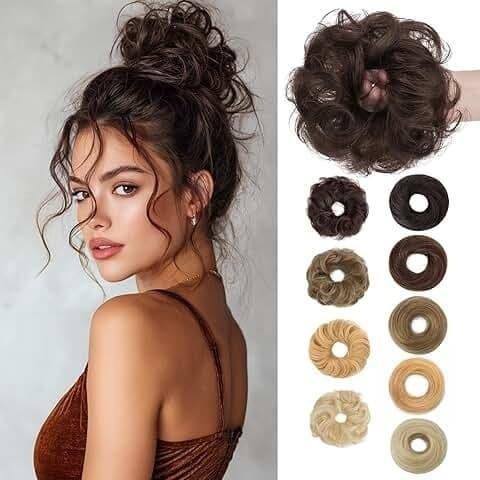
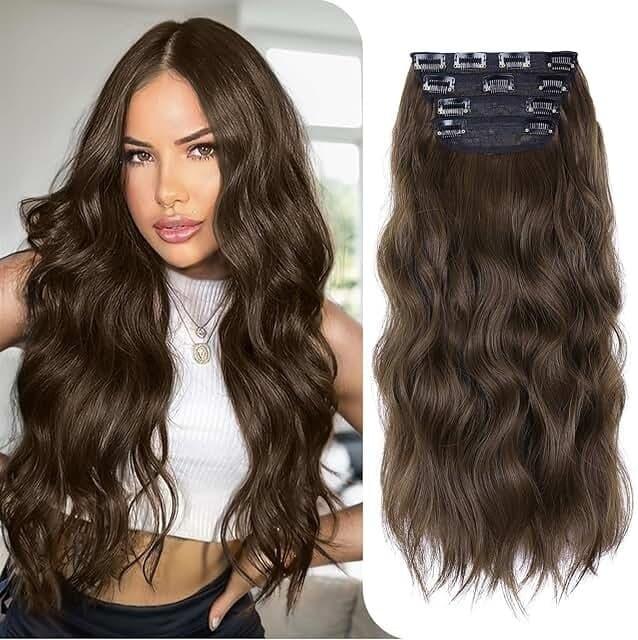
There are multiple covering options: scarves (tichel), hats, berets, snoods, and wigs (sheitels). Wigs vary from synthetic and economical to hand-tied custom pieces. Some wigs are clearly stylized and intentionally different from the woman’s natural hair, while others aim to look identical to natural hair. The diversity of options reflects aesthetic, economic, and halachic factors. When answering why do jewish women wear wigs, it helps to note that wigs present a pragmatic solution for women seeking a balance between obligation and modern life.
Practical considerations: comfort, convenience, and workplace realities
Practicalities influence the choice of wig versus other coverings. Many working women prefer wigs because they are easily styled, maintain a professional look, and fit seamlessly into busy routines. Wigs can be more convenient than re-tying a headscarf each day and may provide comfort in varied climates. This pragmatic rationale complements religious reasoning and often features prominently in personal testimonies.
Fashion, commerce, and the modern wig industry
The wig industry has grown significantly where demand exists. High-quality sheitels can be costly, and a thriving market for synthetic and human-hair wigs has emerged. Fashion trends have influenced wig styles, colors, and maintenance products. For SEO purposes, it’s important to mention that the commercial aspect also explains why people search “why do jewish women wear wigs” — many seek to understand cultural context before investing in a wig or learning about care and etiquette.
Ethical and social questions
Contemporary discussions often include ethical questions: Is it appropriate for a wig to be indistinguishable from natural hair? Does a realistic wig undermine the intent of hair covering? How does socioeconomic status affect access to different types of coverings? These questions occupy scholars, rabbis, and community members and influence guidance from local leaders.
Different Jewish movements and their approaches
Across Orthodox, Conservative, Reform, and Reconstructionist Judaism, attitudes toward hair covering differ. In many Orthodox circles, married women commonly cover their hair; in Conservative Judaism, practices vary widely and are often framed as personal choice; Reform and Reconstructionist communities generally do not treat hair covering as mandatory, though individuals may choose to cover for spiritual or cultural reasons. Explaining these differences helps readers understand why the practice is observed in some contexts and not others, and why searches for why do jewish women wear wigs return varied perspectives.
Intersection with modern values
Modern values—gender equity, autonomy, aesthetics, and personal expression—interact with traditional norms. Some women reconcile religious observance with contemporary identity through creative styling, selective use of wigs, or by adopting coverings that signify modesty without sacrificing professional goals. The interplay between ancient law and modern life is central to current debates and lived realities.
Practical etiquette and respectful questions
If you are curious about the practice and want to ask respectfully, consider the following guidelines: ask open-ended, nonjudgmental questions; recognize that practices vary and may be private; avoid assuming motives or universal rules. Many women are willing to share their reasons when approached with sensitivity. Online resources and community institutions also provide educational materials for those searching for factual answers to why do jewish women wear wigs.
How to learn more: sources and resources
- Classic halachic texts and contemporary responsa from community rabbis
- First-person accounts and ethnographic studies on modesty and gender
- Community guidelines and educational programming from synagogues and Jewish organizations
- Retailers and wig-makers who often provide practical guidance on maintenance and styles
Consulting multiple sources helps construct a nuanced understanding rather than a single definitive answer.
Common misconceptions
- Misconception: All Jewish women must wear wigs — Reality: Only some communities expect hair covering for married women, and methods differ widely.
- Misconception: Wigs are always a sign of oppression — Reality: For many women, wigs are a meaningful or practical choice; motivations are personal and varied.
- Misconception: A wig automatically violates modesty — Reality: Many halachic authorities accept wigs as fulfilling the requirement; others prefer different coverings depending on context.
Practical tips for those considering a wig
If you are exploring wearing a wig for religious reasons or curiosity, consider the following steps: consult with a trusted religious advisor about halachic expectations in your community; research wig types and budgets; try on different styles to find comfort and authenticity; learn basic maintenance and storage. Communities often have local resources and vendors who can provide hands-on advice.
- Tzniut — the principle of modesty that informs dress and behavior.
- Halacha — Jewish law that frames obligations and practices.
- Sheitel — Yiddish term commonly used for a wig worn by observant Jewish women.
- Tichel — headscarf.
Personal stories: diversity of motives
Women’s narratives reveal a spectrum of motives: spiritual devotion, ease of daily life, aesthetic preference, communal belonging, and sometimes social pressure. Recognizing this diversity avoids simplistic conclusions and enhances empathy. For those researching why do jewish women wear wigs, firsthand accounts are often as instructive as legal explanations.
Conclusion: thoughtful context over single-sentence answers
Answering why do jewish women wear wigs requires balancing halachic texts, historical practice, communal norms, personal agency, and modern realities. There is no single universal explanation; instead, a constellation of religious, cultural, and pragmatic reasons shape the practice. Anyone interested should approach the topic with curiosity, nuance, and respect for individual choice.

Below are frequently asked questions that address common points of curiosity.
FAQ
- Q: Is wearing a wig required for all married Jewish women?
- A: No. Requirements vary by community and rabbinic opinion. In some Orthodox communities it is customary or required; in others women choose different coverings or none at all.
- Q: Does a wig always meet halachic standards?
- A: Opinions differ. Some rabbis accept wigs as legitimate coverings; others prefer coverings that are visibly distinct from natural hair to preserve the spirit of modesty.
- Q: Are there affordable wig options?
- A: Yes. Wigs range from budget synthetic options to expensive human-hair custom pieces. Many newcomers start with more affordable synthetic wigs before investing in higher-end styles.
- Q: How do I ask someone about their choice respectfully?
- A: Use open-ended, nonjudgmental questions, respect privacy, and avoid imposing assumptions. Many people appreciate sincere curiosity framed respectfully.
For further reading, academic journals on Jewish law, community publications, and first-person memoirs provide layered perspectives. Whether the interest is scholarly or practical, the question why do jewish women wear wigs opens a window into larger conversations about identity, law, dignity, and the ways tradition adapts to modern life.
Related products
Blog
- does michael jackson wear a wig revealed through photos, interviews and hair expert analysis
- how to cut a short wig - simple step by step guide to stylish layers and a natural finish
- a family affair nicole kidman wig revealed — how the iconic hairstyle was created and where to buy replicas
- how to make a wig not shiny - 10 proven home tricks to remove shine and achieve a natural matte finish
- what are men wigs called 9 essential terms and tips for choosing the best men's hairpieces
- is kreekcraft wearing a wig Investigating the Rumor with Photos and Fan Reactions
- Discover human hair wigs near me today with top local salons, styling tips and honest price comparisons
- how to detangle a synthetic wig with ease - expert tips, gentle tools and a quick care routine