
how to install a wig with glue step-by-step guide for beginners to achieve a natural secure hold
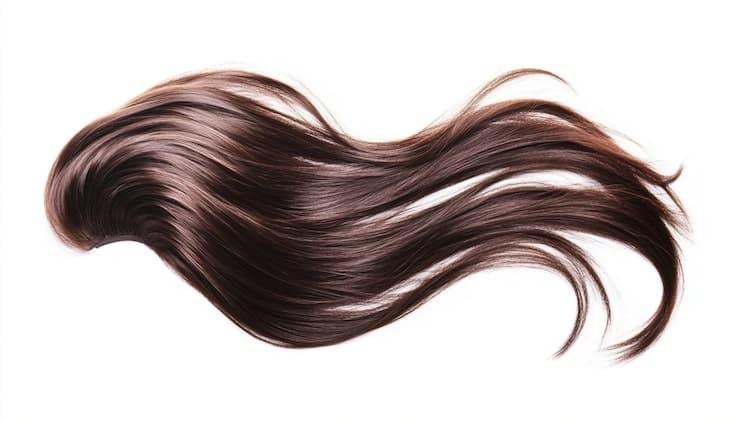
Beginner-friendly overview: how to install a wig with glue for a natural, secure finish
If you want a believable hairline and a long-lasting attachment, learning how to install a wig with glue correctly is essential. This comprehensive walkthrough combines practical steps, safety tips, troubleshooting advice, and styling tricks so you can achieve a natural look without guessing. Whether you're new to lace fronts or transitioning from clips and combs, these clear stages will guide you from prep to removal.
Why mastering glue-based installation matters
Using adhesive transforms the way a wig sits on the head: it reduces lift, prevents shifting, and allows you to create a near-invisible perimeter. However, improper application can lead to discomfort, early lifting, or scalp irritation. This article shows you reliable techniques and safe choices for how to install a wig with glue, helping you get a secure hold while protecting your skin and natural hair.
Quick list of benefits when done right
- Ultra-natural hairline and lay-flat edges
- Longer wear time between reattachments
- Freedom to style hair away from the face
- Less need for clips that stress natural hair
Materials and tools you’ll need
Before starting, gather everything to avoid interruptions: a wig cap, alcohol wipes or scalp cleanser, scalp-protecting barrier (if needed), wig glue or adhesive glue gel, wig tape (optional), edge control or gel, blow dryer or hair dryer, fine-tooth comb, rat-tail comb, makeup (concealer or foundation near the hairline if needed), tweezers, small scissors for trimming excess lace, and cotton swabs. Choosing products labeled for skin use reduces the risk of reactions, and testing adhesives on a small skin area 24 hours before full application is wise.
Understanding adhesives: glue, tape, and gels
There are different bonding options: liquid adhesives (solvent-based or water-based), adhesive gels, and double-sided wig tape. Each has pros and cons. Liquid glues often give the strongest hold and are ideal for long-term wear; adhesive gels can be gentler and easier to remove; tapes are quick and tidy for short-term needs. When learning how to install a wig with glue, begin with a product aimed at beginners or labeled dermatologically tested, and always follow manufacturer instructions.
Tip on choosing glue
- For first-timers: try a gentle, water-based adhesive gel.
- For extended wear: consider solvent-based adhesives designed for long lifts (use with caution).
- Look for waterproof, heat-resistant formulas if you style with heat.
Step 1 — Prepare your natural hair and scalp
Start with clean, dry hair. Braid or cornrow your natural hair as flat as possible, or use a wig cap to keep stray hairs tucked. Clean the perimeter of your hairline with rubbing alcohol or a scalp cleanser to remove oils and residues; this increases adhesion. If you have sensitive skin, apply a thin protective layer designed to shield skin from adhesives and allow it to dry completely.
Step 2 — Customize the lace and test the fit
Place the wig on and position it where you want the front to sit. Trim excess lace carefully with small scissors, leaving tiny increments until you reach the ideal hairline — over-trimming is a common beginner mistake. If the lace is thick or darker than your skin, consider tinting lace with a wig-friendly dye or using foundation to blend. Doing a dry-fit before applying glue helps you mark the perimeter.
Step 3 — Mark the glue line
Using a white eyeliner pencil or a washable marker, trace where you want to apply adhesive around the perimeter — typically from temple to temple, following the natural hairline. This guideline reduces the chance of going beyond the intended area and keeps the adhesive tidy.
Step 4 — Apply adhesive in small sections
One of the best practices in how to install a wig with glue is to work in small portions. If you use liquid glue, apply a thin, even layer along the marked line. For gels, spread a consistent bead. Allow the glue to become tacky before placing the lace — the exact waiting time varies by product, so follow instructions (often 30–60 seconds). Use a fan or blow dryer on a cool setting to accelerate tackiness if needed.
Why small sections matter
Working in sections prevents adhesive from drying too fast in some areas and remaining wet in others. It also enables precise placement and reduces the need to reposition the wig, which can disturb the bond.
Step 5 — Place the wig and press the lace
Once the glue is tacky, carefully lay the lace onto the adhesive, starting from the center forehead and moving toward each temple. Use a rat-tail comb, the end of a makeup brush, or your fingertips to gently press the lace into the glue. Avoid stretching the lace or creating wrinkles. For a tighter seal, use a scarf or elastic band to wrap the edges for 5–10 minutes while the adhesive completes its cure.
Step 6 — Create baby hairs and blend the hairline
Plucking a few hairs from the front or creating baby hairs can dramatically increase realism. Use edge control gel and a small toothbrush to lay down baby hairs at the front. If the lace color is still noticeable, use makeup that matches your scalp to camouflage the base. Avoid placing heavy makeup directly on the adhesive line as this can weaken the bond.
Step 7 — Final styling and set time
After installing, style the wig as desired. Use heat protectant and avoid applying high heat directly to the glued edge. Many adhesives reach maximum hold after several hours, so allow time before subjecting the wig to heavy movement. If you need immediate travel-safe wear, rewrap the edges gently for a few minutes to ensure full adhesion.
Removal: safe techniques to protect your skin and hair
Removal is as important as application. Use an adhesive remover specifically made for the type of glue you used. Apply remover along the glued perimeter, allowing it to penetrate and dissolve the bond. Gently lift the lace from one corner, continuing to apply remover as you move around the head. For stubborn areas, apply a little more remover and let it sit rather than pulling. After removal, cleanse the hairline to remove any residue and moisturize the skin.
Common mistakes and how to avoid them
- Skipping a patch test: always test new adhesives on a small skin area 24 hours before full use to check for reactions.
- Applying too much glue: excess adhesive can ooze onto the lace and create bumps; apply thin layers.
- Immediate wetting: do not swim or sweat heavily within the first few hours unless using a waterproof adhesive rated for immediate wet conditions.
- Over-plucking: excessive plucking to achieve a natural hairline can create holes or unnatural gaps; pluck sparingly and symmetrically.
Advanced tips for an even more natural look
For those aiming to refine their technique: tint the lace to match your scalp tone, use a lace tint spray or a touch of foundation mixed with setting powder; melt the hairline slightly with a low heat flat iron to encourage the lace to bond without lifting; and use a skin protector if you bleach knots to avoid direct chemical contact with your skin. When learning how to install a wig with glue, layering small details adds up to a highly believable result.
Maintenance while wearing a glued wig
Protect the perimeter at night with a silk scarf or bonnet to reduce friction. Avoid applying heavy creams directly along the adhesive line. If you notice tiny lifts after wear, secure them with a small point of adhesive or adhesive tape rather than re-gluing the whole perimeter. Keep remover and a small applicator on hand in case you need to detach a corner.
Troubleshooting: lifts, irritation, bubbles
Lift at the temples: often caused by tension from styling or movement; press the area firmly and use a silk scarf for a few minutes to re-secure. Bubble or wrinkles in lace: likely caused by trapped air or uneven glue; gently lift and reset the lace after applying a thin new bead of adhesive. Redness or irritation: remove the wig immediately, cleanse the skin, and apply a soothing ointment; consult a dermatologist if symptoms persist. Always document product names and ingredients if you experience a reaction for future reference.
Alternative approaches for sensitive skin
If you have sensitive or allergy-prone skin, consider using specialized hypoallergenic gels, medical-grade adhesives, or adhesive-free methods like wig grips or sewn-in tracks. Practice safe alternatives before attempting strong solvent-based glues. You can still achieve a natural look without risking reactions by pairing a secure wig cap with high-quality styling and lace customization.
Cost and longevity considerations
Glue installations range from inexpensive at-home kits to professional-grade adhesives used in salons. A single application with quality adhesive can last from a few days to two weeks or longer, depending on activity level, skin oils, and environmental factors. Learn how to install a wig with glue efficiently to find the balance between longevity and ease of removal that works for your lifestyle.
Checklist for a successful application
- Clean, dry scalp and hairline
- Properly trimmed lace
- Adhesive appropriate for your skin and desired wear time
- Tools: combs, edge brush, scissors, remover
- Time: set aside uninterrupted time for careful work
Professional vs. DIY installation
While salons offer expert installation and can customize the hairline, many people successfully install at home after learning techniques and practicing. Start with a gentle product and short wear times, and consider a professional first application to observe the steps in-person.
Eco and safety notes
Use adhesives in well-ventilated areas to reduce inhalation of fumes. Dispose of used applicators properly and read safety data for solvent-based products. Some adhesives are flammable, so store them away from heat sources.
Final words: practice, patience, and small improvements
Mastering how to install a wig with glue is a process. Begin slowly, keep notes about glue types and times, and refine your technique each time. With attention to prep, precision during placement, and proper aftercare, you can achieve a believable hairline and the confidence to wear your wig comfortably for extended periods.
Extra styling suggestions
- Use light mousse or heat tools on a medium setting for shaping.
- Create soft layers to hide any minor lace edges.
- For images or events: apply a light sheen spray away from the glued area to avoid weakening the bond.
When to see a professional
If you repeatedly experience irritation, persistent lifting despite correct technique, or you want a high-precision hairline for a special event, seek a licensed stylist experienced in wig installations. Professionals can also advise on long-term adhesive strategies and scalp health.
Summary quick-start routine
- Cleanse and prep scalp.
- Fit and trim lace carefully.
- Mark glue line and apply adhesive in small sections.
- Allow tackiness, press lace, and wrap edges to set.
- Style gently, and remove with proper remover when ready.
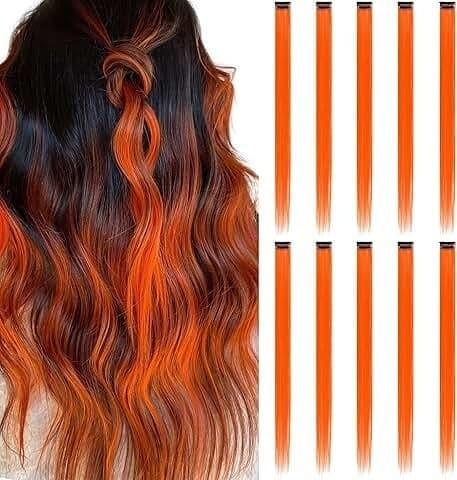
how to install a wig with glue is a skill combining hygiene, product knowledge, and dexterity; following these steps will reduce guesswork and improve outcomes. Frequently revisiting the basics will accelerate your progress and confidence.
FAQ
Can I swim with a glued wig?
It depends on the adhesive used. Some waterproof glues allow swimming, but even then, chlorinated or salt water will stress the bond. Test and use extra caution: secure edges with additional tape and recheck after exposure to water.
How long should I wait before going outside after gluing?

Allow at least 30–60 minutes for the adhesive to reach an initial secure tack, and ideally several hours for a full cure depending on the glue. Avoid heavy sweating or heat styling immediately after application.
Will glue damage my natural hairline?
If applied and removed properly using recommended removers and without excessive force, glue should not permanently damage the hairline. Minimize tension, avoid frequent daily gluing, and maintain a healthy scalp care routine.
Related products
Blog
- how old is carolyn wiger A revealing look at her age and career highlights
- does bianca belair wear a wig - Separating Facts from Rumors About Her Signature Braid
- Natural hair wigs 2025 Buying Guide — Top Tips to Choose, Care, and Style Realistic Lace and Human Hair Wigs
- Human Hair Half Wigs Buying Guide 2025 - Best Styles, Care Tips and How to Wear for a Natural Look
- Quick Guide on how to put up hair for a wig Step by Step Techniques for Beginners
- Uncovering the truth — did kristen stewart wear a wig in eclipse and what the hair team revealed
- How long does a wig last Answers and timelines by wig type plus 7 care tips to extend its lifespan
- Curly wigs buying guide 2025 - best styles, maintenance tips and secrets for natural-looking curls