
how to brush wig hair step by step guide to detangle, style and protect your wig
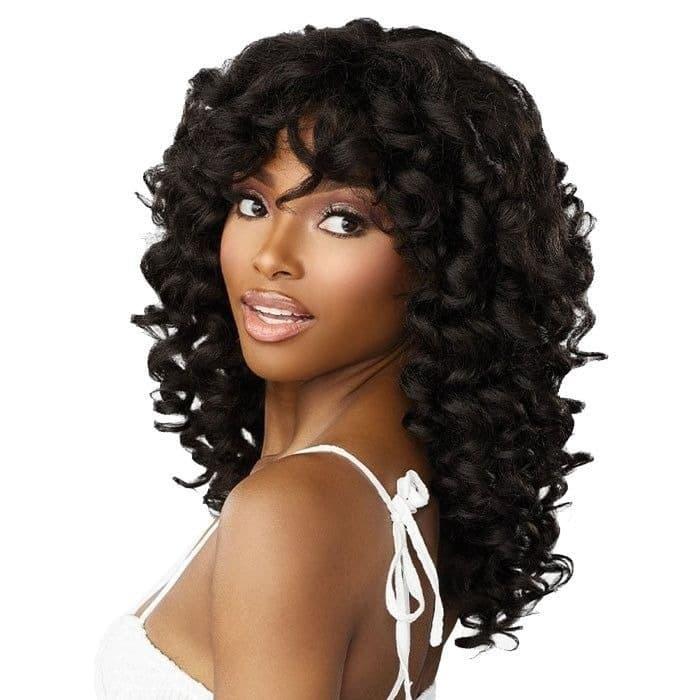
Gentle, Practical and Search-Friendly Advice for Wig Care
If you've been wondering how to brush wig hair without causing shedding, tangles or frizz, this comprehensive, step-by-step resource is designed for you. It covers routine detangling, appropriate tools, styling strategies and long-term protection so your wig keeps looking fresh for months or years. The goal is to give actionable instructions that work for synthetic and human-hair wigs, offer troubleshooting for common snags, and highlight preventive measures that minimize damage. Read on to master safe brushing techniques, learn the right products to use, and find styling tips that preserve density and shine.
Why the right approach matters
Many problems with wig longevity stem from incorrect handling. Brushing too aggressively, using the wrong tool, or skipping protective steps can cause excessive knotting, tangling and premature fiber loss. That’s why understanding how to brush wig hair properly is a foundational skill for anyone who wears wigs regularly or styles them professionally. This is true for: synthetic wigs that can melt or fray with heat and friction, and human-hair wigs that behave like natural hair but still need careful treatment to maintain weft integrity and cap structure.
Essential tools and products
- Wide-tooth comb: Ideal for initial detangling on wet or conditioned hair.
- Loop brush or wig brush: Designed to avoid pulling hairs from the wig cap.
- Paddle brush (soft bristles): For smoothing styles without tugging when used gently on low heat-friendly or human hair wigs.
- Detangling spray: A lightweight, wig-safe formula that helps reduce friction.
- Leave-in conditioner (for human hair): Apply sparingly to maintain softness.
- Styling additives: Mousse or light styling cream for shaping, always choose products labeled safe for wigs or synthetic fibers for non-human hair types.
Preparation: the safe starting point
Before you begin brushing, set up a clean workspace, preferably on a wig stand or mannequin head. This stabilizes the wig and mimics the natural position on the head so you can work accurately. If the wig is particularly dirty or has styling product buildup, consider washing it first according to manufacturer recommendations. For delicate hand-tied or lace front wigs, ensure the lace and knots are dry and secure before manipulating dense areas.
Step-by-step detangling method
- Assess the wig: Check fiber type, cap construction and the location of tangles. Separate heavily matted areas from lightly tangled flyaways to plan targeted work.
- Apply a detangling product: Lightly mist a wig-safe detangler or diluted conditioner on synthetic fibers, or a leave-in product for human hair wigs. Avoid soaking the base or lace knots.
- Start from the ends: Using a wide-tooth comb or fingers, work from the tips up to the mid-lengths. This reduces tension on the cap and prevents pulling out rows of hair.
- Work in small sections: Clip or hold back hair in 1–2 inch sections and gently comb from ends to roots. When you reach a stubborn knot, hold the section close to the base to avoid stressing the cap and gently tease the knot apart with a finger or the tip of a comb.
- Use a loop or wig brush last: Once the section is relatively smooth, use a loop brush or the bristle side of a soft paddle brush with light, downward strokes to finish the area and restore smooth fall and shine.
- Pay special attention to the nape and hairline: These areas often tangle from rubbing on clothing. Detangle them patiently and avoid aggressive backcombing.
Techniques for different wig types
For synthetic wigs, avoid heat unless the fiber is heat-tolerant. Use only wig-specific detanglers and never use products that leave heavy residue. For human-hair wigs, treat them much like natural hair: low heat tools, a heat protectant, and occasional deep conditioning treatments are acceptable. However, even human-hair wigs have delicate knots at the base, so always minimize force and prioritize gentle detangling methods when learning how to brush wig hair effectively.
Styling while protecting the fibers
After detangling, you may want to style. Remember that styling choices influence how often you'll need to brush. Loose waves and braids tend to be lower-maintenance; tight curls or voluminous teased styles require more frequent careful attention. When using heat-styling tools on human-hair wigs, keep the temperature moderate and always use a heat protectant. For synthetic wigs advertised as heat-resistant, confirm the maximum safe temperature before applying a curler or straightener.
Daily and weekly maintenance routine
Adopt a routine to avoid large tangles: briefly brush your wig each morning with a loop brush or a soft paddle brush to remove light tangles and redistribute oils or styling products. Weekly, do a more thorough detangling session starting from the ends and working upward. If you wear your wig daily, consider rotating multiple wigs so each has time to rest between wears. When storing, place the wig on a stand or in a breathable bag avoiding tight folds that create creases and friction, which lead to matting.
Troubleshooting common problems
- Persistent mats at the nape: They often result from friction with collars. Reduce friction by wearing a soft scarf under the wig or choosing a turtleneck-free outfit. For existing mats, use a spray detangler and gently separate strands with a needle or seam ripper only if absolutely necessary—this is risky and generally best left to professionals.
- Loss of shine on synthetic wigs: Lightly mist with a specialized shine spray or use a silicone-based wig product sparingly. Avoid household oils or serums that can weigh the fibers down and attract dust.
- Shedding during brushing: A small amount of shedding is normal, but excessive loss suggests either over-brushing, damage to the wefts or low-quality construction. Reduce tension, switch to gentler brushes, and limit brushing frequency.
Advanced tips from stylists
Professional stylists recommend avoiding brushing a wig when it's fully wet unless it's specifically designed for wet detangling. For wigs constructed with wefts, a more vertical brushing motion (following the natural fall) reduces lateral stress on stitching. Use a satin-covered stand for storage to reduce friction. When coloring human-hair wigs, consult an experienced colorist familiar with wig dyeing because fibers may not absorb dye the same way as natural heads of hair.
Sanitizing and washing without damage
A proper wash cycle prolongs the life of your wig. For synthetic wigs, use cold water and wig shampoo; for human hair, use lukewarm water and a gentle sulfate-free shampoo. Always detangle before washing, then allow the wig to air dry on a stand. Never force-dry with vigorous towel rubbing; blot excess water gently. After the wig is dry, repeat the gentle detangling process starting from the ends. Regular but infrequent washing prevents product buildup and keeps fibers manageable for brushing sessions.
Storage and transport
When traveling, use a protective case or a soft-cap bag and keep the wig slightly stuffed with tissue to maintain shape. Avoid tight packing and sharp creases. For long-term storage, a breathable box with a stand or foam head supports the cap and helps the wig maintain its silhouette while minimizing rubbing that creates tangles.
Common myths debunked
- Myth: "Brushing frequently strengthens the wig." Truth: Over-brushing shortens the lifespan; gentle, deliberate sessions are better.
- Myth: "All wigs react the same to products." Truth: Synthetic and human-hair wigs require different formulations.
- Myth: "Any comb will do." Truth: Hardened metal combs or fine-toothed brushes can pull and damage wigs; choose tools made for wig care.

How to brush wig hair is less about brute force and more about methodical care: prepare, detangle from ends, section methodically, use the right tools, and protect the cap and knots. When you adopt the outlined routine you minimize loss, preserve style, and make daily maintenance quicker.
Checklist before you start brushing
- Place wig on a stand or secure surface.
- Choose the correct brush and comb.
- Have a detangler or leave-in product on hand.
- Work in bright light and divide hair into manageable sections.
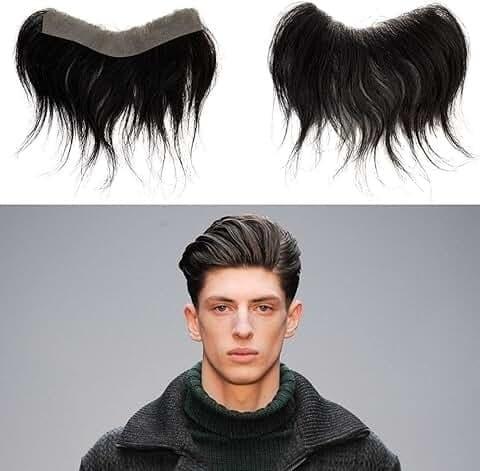
Tip: Keep a small travel kit for quick touch-ups: a mini loop brush, travel-size detangler, and a few bobby pins or clips.
When to seek professional help
If the wig has severe matting, damaged wefts, or significant shedding, consult a professional wig stylist rather than risking DIY repairs that may worsen the damage. Professionals can deep condition, re-weft, or reshape wigs using techniques and tools not recommended for at-home use.
Environmental considerations
Humidity, sun exposure and pollutants can affect fiber texture and longevity. Store wigs away from direct sunlight and clean them if they accumulate airborne particles. For outdoor wear in humid climates, choose styles that tolerate moisture better and follow up with quick detangling sessions to prevent knot formation.
Quick summary: the essentials of safe brushing
Remember these core principles: be gentle, work from the ends, keep the tension low at the cap, use products made for your wig type and store wisely. These habits answer the central question of how to brush wig hair—consistency and correct tools lead to the best long-term results.
Final encouragement
With patience, the right technique and occasional professional maintenance, wigs can remain beautiful and functional for a long time. Make slow, deliberate brushing part of your routine, and you'll spend less time fixing tangles and more time enjoying great hairdays.
Optional FAQs below address common curiosities and practical clarifications that often follow learning brushing techniques.
Frequently Asked Questions
- How often should I brush my wig?
Light brushing daily or before each wear is sufficient for most styles; deep detangling once a week or as needed helps prevent matting. Avoid over-brushing which accelerates wear. - Can I brush a wet wig?
It depends on the wig type—detangle gently with a wide-tooth comb when wet for human-hair wigs; for many synthetic wigs, detangling wet is not recommended unless specified by the manufacturer. - What is the best brush type for beginners?
A loop brush or wide-tooth comb is ideal to start with because they reduce pulling and help you learn to manage tension. Move to soft-bristled paddle brushes once sections are smooth.
Related products
Blog
- New evidence explored does lyle menendez really have a wig and how it shaped public perception
- what does wig mean gay slang explained - origins, viral moments and how to use the term confidently
- Insider look at why does nicole kidman always wear a wig and what her hairstyle choices reveal about celebrity image
- how much are wigs explained – from budget-friendly options to luxury pricing and buying tips
- 10 Easy Tips for how to keep a wig from slipping and stay confident all day
- How to Put on a Glueless Lace Front Wig Step by Step Guide for Beginners to Achieve a Natural Secure Fit
- Discover what league is wigan in and how that shapes Wigan Athletic's promotion hopes
- how to curl synthetic hair wig with heatless tricks and heated tools for natural looking waves