
how often should you wash a wig expert guide to washing frequency and care for synthetic and human hair
Practical care and timing for wig maintenance: an evidence-backed approach
Whether you wear wigs daily or occasionally for special events, understanding the optimal cleaning rhythm is essential to preserve appearance, texture and longevity. This guide focuses on decision-making rather than a single rule, helping you answer the common question how often should you wash a wig and adapt that advice to different materials, lifestyles and styling routines.
Why the cadence matters: the basics behind washing frequency
Wigs are sensitive assemblies: fibers, knots, caps and adhesives interact with oils, products and environmental residues. The question how often should you wash a wig has no one-size-fits-all answer because it depends on material (human hair vs. synthetic), amount of product build-up, how often it's worn, whether you perspire under it, and how you store and style it. Poor timing — washing too frequently or not often enough — can cause dryness, tangling or loss of shape. Below we break down the variables and provide practical schedules and care routines.
Key factors that influence cleaning frequency
- Type of fiber: Human-hair wigs tolerate shampooing and conditioning more like natural hair but still need gentler products; synthetic wigs have different porosity and may be damaged by traditional conditioners or heat.
- Wear frequency: Daily wear accumulates oils and sweat faster than occasional use.
- Use of styling products: Hairspray, dry shampoo, mousse and serums increase residue and require more frequent washes.
- Environmental exposure: Smoke, pollution, salt air and humidity all reduce the interval between washes.
- Scalp condition and adhesives: Medical or skin conditions, or repeated use of lace adhesives, call for careful cleaning of both cap and lace areas.
Signs your wig needs cleaning now
- Odor—lingering smells even after airing out.
- Visible residue—sticky or dull-looking fibers.
- Loss of volume—heavy, flattened strands from build-up.
- Increased tangling—especially at the nape and base where oils collect.
- Itchiness or irritation—indicating trapped sweat and skin debris.
Recommended general rhythms for different wig types
The following are practical starting points. Adjust them according to the factors above.
Human hair wigs
For regular daily wear, a general recommendation is to wash a human hair wig every 7–14 wears; if you sweat heavily, wear the wig during exercise, or use many styling products, expect to shorten that to every 3–7 wears. For occasional or event-only use, washing every 10–20 wears may be sufficient. Always refresh shaped styles between washes with gentle steaming or a leave-in conditioner formulated for wigs.
Synthetic wigs
Synthetic fibers trap oils and product residue differently. A useful rule is to wash a synthetic wig every 8–12 wears under normal conditions, fewer wears if you use heavy styling products or if it's exposed to smoke or strong odors. Heat-friendly synthetics also benefit from infrequent washing to preserve the heat-set style.
Heat-styled and colored wigs
Wigs that are frequently heat-styled, colored or chemically treated typically need more attentive care; colored human-hair wigs especially require sulfate-free, color-safe formulas, and may be washed less often but treated with restorative conditioners when you do wash. Over-washing colored hair can accelerate fading; aim for the minimum effective frequency combined with protective products and UV shields.
Detailed washing guide: step-by-step for human hair and synthetic wigs
Before you wash
Brush gently with a wide-tooth wig brush or paddle brush designed for detangling, starting at the ends and working up. Remove pins and accessories. If there's heavy product build-up, consider a pre-rinse with lukewarm water or a diluted clarifying soak for human-hair wigs.
Human-hair wig wash protocol
- Fill a basin with cool to lukewarm water—hot water can open cuticles and cause shedding.
- Add a small amount of gentle, sulfate-free shampoo meant for color- or processed hair.
- Submerge the wig and gently swish; avoid vigorous rubbing or twisting which stresses the knots and wefts.
- Rinse thoroughly with cool water until water runs clear.
- Apply a lightweight conditioner from mid-lengths to ends; avoid saturating the base/cap area where knots may loosen.
- Rinse, then gently blot with a towel to remove excess water; do not wring.
- Place on a wig stand and air dry; if blow-drying is necessary use a low-heat setting and a heat-protectant spray.
Synthetic wig wash protocol
- Use cool water only; heat can permanently alter fiber shape.
- Use shampoos formulated for synthetic hair or a very mild baby shampoo.
- Gently submerge and allow to soak for a few minutes; no aggressive scrubbing.
- Rinse with cool water.
- Apply a silicone-based conditioner or specialized synthetic conditioner if fiber feels dry; rinse lightly.
- Blot and set on a wig stand to dry; reshape curls or waves while damp and never use regular high heat.
Spot cleaning and refresh tactics to reduce full washes
One of the most powerful strategies to extend the interval between full washes is targeted maintenance. Spot-clean bangs, hairline or undercap areas with a damp cloth, diluted shampoo solutions, or specialized wig cleansing sprays. Use a wipe designed for wigs on the lace front to remove adhesive residue. Dry shampoo for wigs and freshening sprays can absorb oils in-between washes but should be used sparingly to avoid powder buildup.
Deodorizing without a wash
Air the wig on a stand away from direct sunlight and use a fabric-safe deodorizing spray or a light mist of diluted witch hazel and water to neutralize odors. Do not saturate the cap—moisture trapped against the cap can promote mold or odor if stored incorrectly.
Conditioning, deep treatment and trimming
Deep-conditioning treatments are more important for human-hair wigs; apply restorative masks once every 4–8 washes depending on dryness and styling history. For synthetic wigs, use leave-in conditioners or silicone-based serums that are specifically formulated for synthetic fibers. If split ends or pervasive tangles appear, consider a professional trim to remove damaged sections and restore silhouette.
When to take a wig to a professional
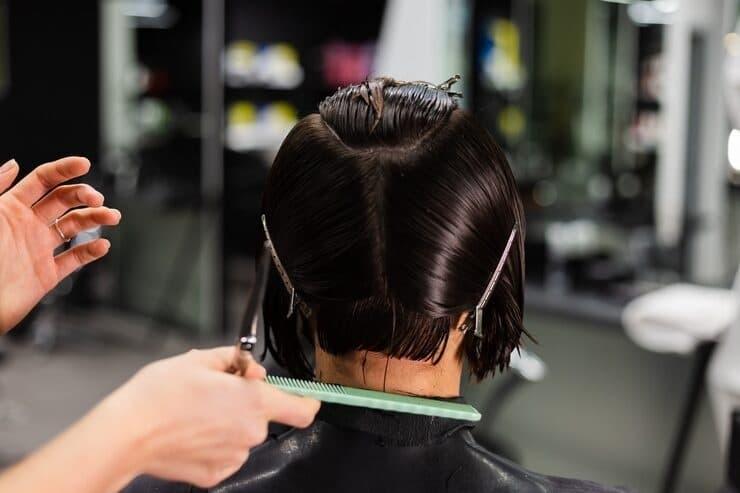
Takes to professionals include heavy adhesive residue, extensive matting at the cap, base repairs, or when you need a precision restyle. For high-value human-hair units, a salon that specializes in wig care can detangle and deep condition without causing shedding or loss of cap integrity.
Storage and daily habits that extend time between washes
Proper storage preserves cleanliness: store on a breathablе wig stand, mannequin head or padded hook; keep away from dust, heat and direct sunlight. Cover with a breathable net or tissue to prevent dust accumulation. Additional small habits that help: wear a wig cap to reduce scalp oil transfer, avoid sleeping in wigs, avoid applying heavy products directly to the base, and remove the wig before heavy exercise.
Tools and products to have on hand
- Wide-tooth comb and wig brush designed for lace and hand-tied caps.
- Silicone or alcohol-free leave-in conditioners for synthetic fibers.
- Sulfate-free shampoos and moisturizing conditioners for human-hair wigs.
- Wig stand and breathable storage covers.
- Adhesive removers and gentle lace cleaners for frontals.
Common mistakes and how they shorten wig life
Washing too often with harsh products, using hot water on synthetics, scrubbing the cap area, applying heavy oils near the knots, drying on a heater or towel-wringing are frequent errors. Each misstep can cause shedding, tangling and a loss of natural-looking movement. Learning to answer how often should you wash a wig with a mindful routine will avoid these pitfalls.
How to interpret the most common scenarios
Scenario A — Daily wear in an office environment: Minimal sweating and product use; aim for washing a human-hair wig every 10–14 wears; synthetic every 8–12 wears, with weekly spot checks.
Scenario B — Active lifestyle with workouts: If you wear your wig during exercise, consider washing or at least cleansing the inner cap and hairline after each heavy-sweat day and a full wash every 3–7 wears.
Scenario C — Occasional party wear with heavy styling: Use refresh sprays and spot cleansing, but expect to wash within 2–6 wears depending on product residues; color-treated units may need special color-protective products.
Practical timeline examples
These timetables are starting templates that you can adapt:
Human hair, moderate use: wash every 7–14 wears; deep-condition every 4 washes.
Human hair, heavy use (daily + styling): wash every 3–7 wears; deep-condition every 2–3 washes.
Synthetic, moderate use: wash every 8–12 wears; refresh as needed with synthetic-friendly sprays.
Synthetic, heavy styling or environmental exposure: wash every 4–8 wears and limit heat exposure.
Health and safety considerations
Scalp hygiene affects both comfort and skin health. If you have a scalp condition or sensitivity, consult a dermatologist and use medicated cleansers as recommended. Be careful with adhesive removers if you have broken skin; always patch-test new products to avoid allergic reactions.
Environmental and longevity tips
Use cooler water where possible and choose biodegradable, low-sulfate formulas to minimize environmental impact. Avoid frequent blow-drying and use a stand to dry wigs to reduce energy consumption and fiber stress. Proper care reduces resource use by extending the useful life of your wigs.
Cost-benefit of consistent care
A regular, moderate washing and conditioning routine is an investment that preserves both aesthetic value and the underlying cap structure. Replacing a wig prematurely because of neglect is almost always more expensive than responsible upkeep.
Checklist: what to do when you decide it's time to wash
- Assess smell, texture and product build-up.
- Remove pins and accessories, detangle gently.
- Choose a shampoo and conditioner matched to fiber type.
- Wash and treat following the fiber-specific steps above.
- Air dry on a stand and style minimally until fully dry.
Throughout this guide we revisited the central question how often should you wash a wig and provided a framework to personalize frequency. Remember: evaluate by signs and conditions rather than counting strict calendar days. A healthy, well-maintained wig looks better, feels better and lasts longer.
Quick reference summary
Human hair: 3–14 wears depending on activity; use sulfate-free care; deep-condition periodically.
Synthetic: 4–12 wears depending on product use and environment; cool water only; synthetic-friendly conditioners.
Spot cleaning: Use for bangs, hairline and nape to reduce how often you perform full washes.
Professional vs DIY: when to seek expert help
If the unit requires cap repair, lace re-application, desalting from adhesives, or precise restyling, professional intervention preserves value and prevents accidental damage. Simple washes and routine conditioning are safe at home if you follow recommended steps for the fiber type.
Additional maintenance tips to maximize intervals between washes
- Use a wig cap to minimize oil transfer.
- Rotate between two or more wigs to reduce wear on each unit.
- Limit direct application of heavy serums and oils to the base.
- Store properly on a stand to preserve shape and airflow.
The practical, evidence-based approach to the question how often should you wash a wig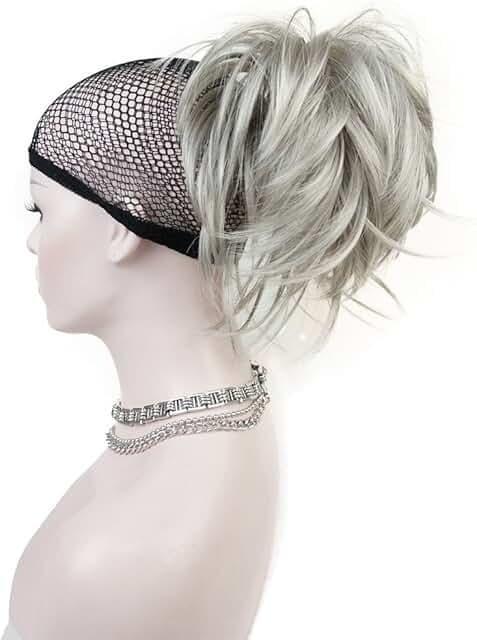 is to combine a baseline schedule with attentive observation: let odor, texture and residue guide timing more than rigid rules. With the right routine you will maintain natural movement, preserve color and protect cap integrity—all of which contribute to a confident look and longer-lasting investment.
FAQ
Q: Can I wash my wig every week?
A: Weekly washing is fine for human-hair wigs if you wear them daily or use many styling products, but synthetic wigs usually need less frequent washing. Adjust based on buildup and scalp sweat.
Q: Will washing remove my lace glue?
A: Gentle cleaning with adhesive remover specifically formulated for lace front wigs will remove glue without harming knots; avoid aggressive scrubbing near the hairline.
Q: What products should be avoided?
A: Avoid alcohol-heavy products and standard salon clarifying shampoos on delicate or color-treated wigs. For synthetics, avoid standard conditioners and high heat.
Q: How can I reduce tangling?
A: Detangle regularly, condition ends, store on a stand and avoid sleeping in wigs. For heavy tangling, professional detangling can restore function without excessive shedding.
Related products
Blog
- Quick safe steps for how to wash a wig synthetic at home and keep fibers soft and tangle free
- Does Paul Stanley Wear a Wig Revealed by Photos, Interviews, and Expert Analysis
- Best Picks 2025 and Honest a list hair wigs reviews with Buyer Tips for Natural Style and Value
- Celebrity Hair Secrets - does billy crystal wear a wig and what fans really think
- what aisle are wigs in walmart - easy shopping guide to locating wigs extensions and styling tools
- does dawn olivieri wear a wig in yellowstone explained with behind the scenes hair secrets and on set proof
- wig shop guide 2025 top-rated places for natural hair wigs affordable styles and care tips
- 10 Easy Tips for how to keep a wig from slipping and stay confident all day