
how much are wigs explained – from budget-friendly options to luxury pricing and buying tips

Understanding Costs and Choices: A Deep Look at How Much Are Wigs
If you've ever searched for how much are wigs and felt overwhelmed by the range of answers, you're not alone. Prices can vary dramatically depending on materials, construction methods, brand reputation, customization, and where you shop. This comprehensive guide breaks down the cost landscape, explains what drives price differences, offers practical buying tips, and provides actionable advice so you can make smart purchases no matter your budget.
Quick Price Overview: Typical Ranges
To start, here's a succinct guide to common price brackets so you can quickly orient yourself when considering "how much are wigs" for different needs:
- Budget wigs (synthetic, basic cap): $20–$100 — Affordable, ready-to-wear options that work well for occasional wear, costume use, or trying a new look.
- Mid-range wigs (better synthetic or blended fiber, improved cap): $100–$400 — More realistic styling, better comfort, often heat-resistant fibers or improved lace fronts.
- Entry-level human hair wigs: $200–$600 — Real hair for more natural appearance, can be styled with heat, may require more care.
- High-quality human hair wigs: $600–$2,000 — Remy or premium single-donor hair, hand-tied caps, natural movement, often custom-colored or customized fit.
- Luxury/custom wigs: $2,000–$10,000+ — Medical-grade, bespoke units made from premium single-donor or rare hair types, advanced ventilation, and full customization.
Why Prices Vary: Key Cost Drivers
When asking how much are wigs, it's important to understand the elements that determine the price:
- Material: Synthetic fibers are far cheaper than human hair. Within human hair, Remy or single-donor hair commands higher prices due to cuticle alignment and longevity.
- Cap construction: Basic wefted caps are inexpensive to produce. Lace fronts, monofilament tops, and hand-tied caps increase labor and cost but deliver a more natural look and better comfort.
- Hair length and density: Longer and denser wigs require more raw material (hair), increasing cost. Density is often expressed as percentages (e.g., 130% density), so thicker-looking units cost more.
- Customization: Color matching, custom sizing, hand ventilation, and specialized styling or cutting increase price, especially for bespoke units.
- Labor and origin: Wigs made in regions with higher labor costs or produced by specialized artisans are pricier than mass-produced units.
- Brand and marketing: Established brands with proven quality or celebrity endorsements can charge a premium.
- Supply chain and rarity: Sourcing rare hair types (e.g., virgin Indian or European single-donor) raises costs.
Material Deep Dive: Synthetic vs Human Hair
Understanding the difference between synthetic and human hair is perhaps the most important factor when considering how much are wigs and what value you'll receive.
Synthetic Wigs
Synthetic wigs are manufactured fibers that mimic the appearance of real hair. They are generally cheaper, lightweight, and come pre-styled. Advantages include affordability and low maintenance for occasional wear. Disadvantages include limited heat-styling ability (unless labeled heat-resistant), shorter lifespan, and potential shine that can look unnatural.
Human Hair Wigs
Human hair wigs look and feel the most natural. They can be heat-styled, colored, and treated much like natural hair. They require more maintenance and investment but last longer with proper care. When estimating how much are wigs you'll likely pay more for human hair because it requires sourcing, sorting, and often manual labor to construct premium units.
Cap Types: How Construction Affects Cost and Realism
Cap construction affects comfort and natural movement. Common cap types include:
- Basic wefted cap: Cheapest, airy, but less natural hairline.
- Monofilament top: Hair appears to grow naturally from the scalp at the crown — mid-range price increase.
- Lace front: Creates a natural hairline, allowing off-the-face styles — higher price.
- Full lace and hand-tied caps: Most natural movement and styling versatility — premium cost due to extensive hand labor.
The Real Cost of Ownership: Beyond the Purchase Price
When evaluating how much are wigs in your budget, consider ongoing costs:
- Maintenance: Shampoos, conditioners, detanglers, and styling products formulated for wigs.
- Styling services: Professional cuts, color-matching, or re-styling may be necessary, especially for human hair wigs.
- Repairs: Re-sealing lace fronts, restringing, or reventilating parts of the cap can incur service fees.
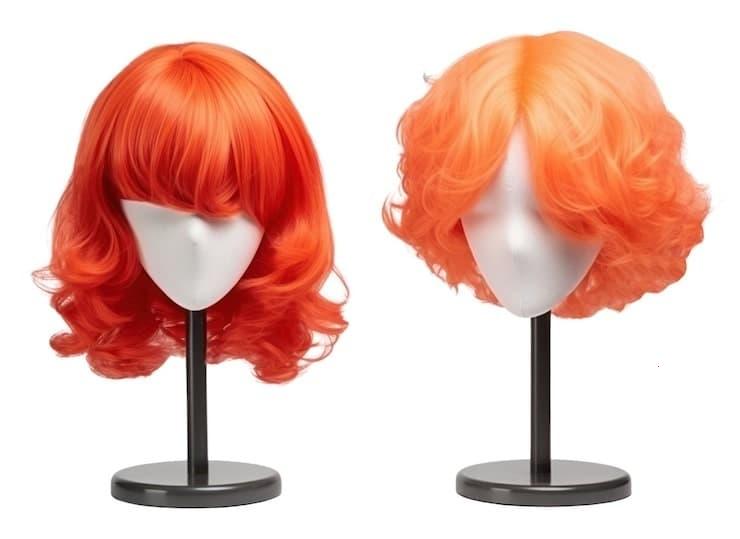
- Storage and accessories: Mannequin heads, stands, silk pillowcases, nets, and caps to preserve shape and reduce wear.
Cost Examples: Realistic Scenarios
Let’s explore a few practical examples for the question "how much are wigs" in everyday contexts:
- Student or beginner: A synthetic lace front wig around $40–$120 provides a flattering look for events and daily experimenting without breaking the bank.
- Working professional who needs daily wear: A mid-range human hair blend or synthetic with monofilament top at $150–$450 balances realism and budget.
- Medical hair loss patient: Custom human hair or high-quality full-lace wigs ranging $800–$3,500+ are common due to the need for precise fit, comfort, and realistic appearance.
- Luxury buyer or performer: Custom single-donor Remy wigs with bespoke color and cap construction can exceed $3,000–$10,000 depending on materials and artistry.
How to Shop Smart: Tips for Buyers
Whether you’re asking how much are wigs because you want the cheapest option or the best value, these tips help you shop intelligently:
- Define your goals: Are you seeking daily natural wear, an occasional change, or theatrical use? Your use-case affects what price point makes sense.
- Know the terminology: Learn terms like Remy, virgin hair, lace front, monofilament, hand-tied, and density so you can compare like-for-like.
- Inspect product images and reviews: Look for close-up shots of hairlines, parting, and cap interiors; read reviews for longevity and real-life wearability.
- Request samples or swatches: For online purchases, swatches or video demonstrations can reveal texture and color more accurately.
- Ask about return policies: Wigs are a personal purchase—good return policies reduce risk.
- Budget for alterations: Even a well-chosen wig may need a professional cut or color tweak to match your face shape and complexion.
- Compare total cost of ownership: A cheaper wig might require frequent replacement, making a slightly more expensive, durable option more cost-effective over time.
Where to Buy: Stores, Salons, and Online Marketplaces
Different purchase channels influence both price and quality assurance:
- Specialty wig salons: Often pricier but provide fitting, styling, and aftercare services. Ideal for medical needs and high-end custom orders.
- Online retailers/marketplaces: Wide selection and competitive pricing. Research sellers, customer reviews, and return policies.
- Brand boutiques: May offer warranties and consistent quality; expect brand premiums.
- Local beauty supply stores: Quick access and immediate fitting possibilities; selection varies.
Negotiation and Discounts
Don’t shy away from asking for discounts, especially when ordering custom work, multiple wigs, or paying in full. Many salons have sliding-scale options, payment plans, or referral discounts.
Medical Considerations and Insurance
For individuals experiencing hair loss due to medical conditions, understanding insurance coverage and financial assistance options is important when considering how much are wigs. Some health plans, non-profits, or state programs may cover part of the cost for medically necessary hair prostheses. Always request documentation and talk to a medical provider about letters of necessity to submit to insurers.
Custom vs Ready-Made: Value for Money
Custom wigs are tailored to your measurements, hairline, color, and styling preferences. They are more expensive but often worth the investment for comfort and realism, particularly for long-term wear or medical reasons. Ready-made wigs save money upfront and can be well-suited for short-term or experimental use.
Maintenance Tips to Extend Lifespan
Investing in care can stretch the useful life of your wig, altering the real answer to "how much are wigs" when considering long-term cost-per-wear:
- Wash and condition: Use gentle, wig-specific products and follow manufacturer instructions.
- Proper drying: Air-dry on a wig stand rather than using high heat to preserve fibers.
- Minimize styling heat: For synthetic wigs, avoid heat unless explicitly heat-resistant; for human hair, use lower heat settings and protectants.
- Store correctly: Keep wigs on stands or in structured boxes with breathable covers to maintain shape and prevent dust accumulation.
- Regular professional checks: Occasional salon maintenance can refresh hairlines, re-tension caps, and extend life.
Common Mistakes That Add Hidden Costs
Many buyers underestimate ongoing costs. Avoid these pitfalls to keep long-term spending reasonable:
- Buying the cheapest without checking reviews: Short lifespan means repeat purchases.
- Overstyling or improper care: Damages fibers or hair leading to earlier replacement.
- Skipping professional fitting: A poor fit can damage cap structure and hair retention.
Practical Budget Plans
If you're planning purchases, here are three budget templates based on lifestyle:
- Occasional user: $30–$150 every 1–3 years (synthetic), minimal maintenance.
- Regular user: $200–$800 initial for mid-range human hair or high-quality synthetic, plus $50–$200 annual maintenance.
- Daily wearer seeking luxury: $800–$3,500+ upfront, plus $200–$600 yearly for care, repairs, and occasional restyling.
Environmental and Ethical Considerations
As you decide "how much are wigs" for your needs, consider ethical sourcing and sustainability. Reputable brands will disclose sourcing practices and may offer sustainably sourced or certified hair. Buying from suppliers who pay fair wages and practice ethical collection enhances the long-term value of your purchase.
How to Evaluate Return on Investment
To determine whether a wig is worth the price, calculate cost-per-wear by dividing the total spend (purchase plus upkeep) by the estimated number of wears. High-quality human hair wigs often have a dramatically lower cost-per-wear over time even if the upfront price is higher.
Quick ROI Example
If a $1,000 custom wig lasts three years with daily wear, it might break down to less than $1 per day in many cases, whereas a $100 synthetic that needs replacement annually could cost more over the same timeframe.
Summary: Answering the Core Question
So, in practical terms, when you ask how much are wigs, the short answer is: it depends. It depends on materials, cap construction, length, density, whether it's custom or off-the-shelf, and whether you factor in maintenance and servicing. For many consumers, a sensible approach is to match the wig type to intended use and budget, prioritize realistic features like lace fronts or monofilament for frequent wear, and plan for maintenance to maximize lifespan.
Checklist Before Buying
Use this checklist so your purchase matches expectations:
- Define use-case: daily, occasional, medical, or performance.
- Decide on material: synthetic vs human hair.
- Check cap type: wefted, lace front, monofilament, or full lace.
- Confirm return policy and warranty.
- Ask about customization options and associated costs.
- Include budget for care products and possible professional services.
Making an informed decision about how much are wigs turns an intimidating shopping experience into a manageable project. With clear priorities, research, and attention to aftercare, you can find a wig that suits both your aesthetic and financial needs.
Final Buying Tips

Before clicking "purchase," take a breath and review: are the photos representative of the wig's texture and density? Can you test or return it? Is the seller transparent about materials? A little diligence now can prevent buyer's remorse later.
Additional Resources
Look for reputable blogs, salon guides, and consumer reviews to compare real-world performance rather than relying solely on marketing images. Community forums often share practical tips about how much are wigs and which brands deliver the best value.
Note: Prices fluctuate based on market conditions, geographic region, and availability of raw materials. Always verify current prices with sellers before making decisions.
FAQ
Q: How long should a human hair wig last?
A: With proper care, a high-quality human hair wig can last 1–3 years or longer with occasional wear; daily wear lowers lifespan unless care is meticulous.
Q: Are synthetic wigs worth the money?
A: Yes, for budget-conscious buyers or occasional users, synthetic wigs provide good value; look for heat-resistant or higher-end synthetics for better realism.
Q: Can insurance help cover wig costs?
A: In some cases, insurers or health programs cover partial costs for wigs due to medical hair loss; obtain medical documentation and check plan details.
Related products
Blog
- can you wash a synthetic wig with regular shampoo Practical step-by-step guide to keep fibers soft and tangle-free
- does kapil sharma wear wig - Verified Evidence, Photos and Fan Reactions
- can you color human hair wigs — Complete At-Home Guide to Dyeing, Bleaching, Color Correction and Aftercare
- does mrs macron wear a wig? What photos and stylists actually reveal
- does nicole.kidman wear a wig Find Out Now with Stylist Insights, Photos and Film Evidence
- how to shape a wig step by step for a natural hairline and flawless fit
- Braided Wig Trends 2025 How to Choose, Style and Maintain a Braided Wig for Effortless Glam
- wig shop guide 2025 top-rated places for natural hair wigs affordable styles and care tips