
how do you take the shine out of synthetic wigs - 8 easy at-home fixes to reduce glossy sheen

how do you take the shine out of synthetic wigs — practical, at-home techniques to reduce gloss and achieve a natural finish
If you've ever wondered how do you take the shine out of synthetic wigs because a synthetic piece looks too glossy under daylight or studio lights, you're not alone. Synthetic fibers often reflect light more than natural hair, resulting in a modelled, plastic-like sheen. This guide walks through reliable, safe, and budget-friendly ways to tone down that unwanted gloss so the wig appears more realistic and wearable for everyday use or photography.
Why synthetic wigs can look unnaturally shiny
Understanding the causes helps you choose the right approach. Most synthetic wigs are made from polyester, acrylic, or kanekalon fibers that have a smooth surface. That smoothness makes them reflect more light than porous human hair. Other factors include factory finishes, manufacturing coatings that add reflectivity, newness (fresh synthetic fibers are often the glossiest), and the wig's color or dye process which can accentuate shine.
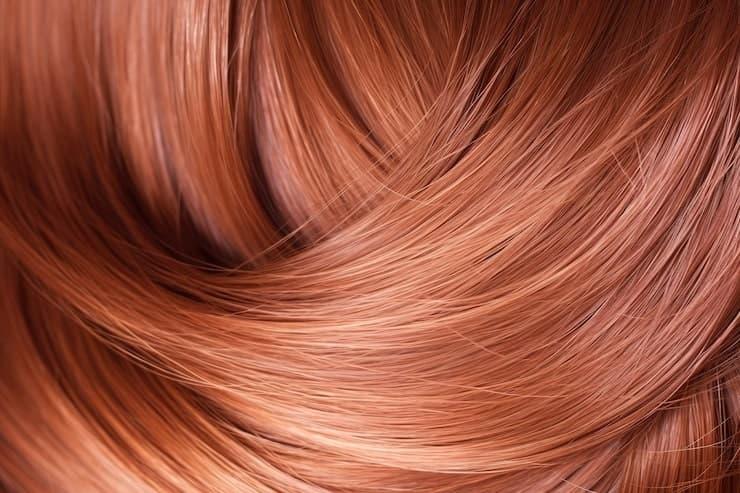
Key reasons at a glance
- Fiber composition: Smooth synthetic fibers reflect light strongly.
- Factory coating: Some wigs are sprayed or treated to look glossy.
- Lighting and color: Lighter shades and bright lights exaggerate sheen.
- Newness: Fresh wigs often have more surface gloss than worn ones.
8 easy at-home fixes to reduce glossy sheen
Below are eight practical methods you can apply at home, in order from mildest to more involved. Always test any method on a small, inconspicuous section or a sample strand first, and follow manufacturer guidance when available.
1. Dry shampoo or baby powder (low-commitment)
Lightly dust dry shampoo or talcum/baby powder onto the wig's surface using a makeup brush. These powders add a matte, diffusing layer that reduces reflections. Work in thin layers and brush or comb through with a wig brush to distribute evenly. This is temporary and ideal for quick fixes before going out. Note: use white powder cautiously on dark wigs—choose a translucent dry shampoo formula for darker colors.
2. Fabric softener rinse diluted (gentle conditioning)
Mix a tablespoon of liquid fabric softener or wig conditioner in a bowl of cool water. Turn the wig inside out (if possible) and dip only the outer surface briefly, then rinse with cool water. Fabric softener can slightly roughen the fiber surface and reduce shine. Do not soak for long and always air dry on a wig stand. This method mellows gloss while keeping softness.
3. Vinegar and water rinse (natural matte adjustment)
A diluted vinegar rinse (one part white vinegar to three parts water) can remove factory coatings and relax the surface sheen. Apply lightly, rinse thoroughly, and condition the wig afterward. Vinegar helps strip off excess treatments that cause shine, but avoid repeated use to prevent drying fibers.
4. Light heat-styling with a steamer (for heat-friendly synthetics)
Many modern synthetics are heat-resistant. Using a low-temperature steamer or an iron on the lowest synthetic setting through a press cloth, gently steam or press to slightly mattify the fiber surface. Test a strand, maintain safe distance, and avoid high temperatures that can melt fibers.
5. Styling sprays designed for synthetics
There are wig-friendly matte sprays and texture sprays formulated to reduce shine and add body. These products were developed for synthetic fibers and usually contain matteizing agents that are safe and easy to apply. Spray from a distance and comb through to distribute.

6. Cornstarch or dry texturizing powder for lasting mattification
Finely dusting cornstarch or a dedicated texturizing powder into the wig can reduce glare for longer periods. Apply sparingly to avoid a chalky look, then fluff the fibers to blend. This technique works well for photoshoots when you need extended low-shine performance.
7. Surface abrasion with a sponge or wrap method (moderate skill)
Lightly rubbing the outer fibers with a soft, fine-grit sponge (like those used for makeup) can create micro-texture that cuts shine. Work gently and evenly to avoid frizz or damage. An alternative is wrapping the wig in breathable fabric after light texturizing to set a matte surface—leave wrapped until fully cooled and dry.
8. Dyeing or toning with matte-finish dyes (more permanent)
For a longer-term solution, professional coloring with a dye formulated for synthetics or a semi-permanent toner can reduce reflective intensity. Some toners include matte agents; consult a wig professional or stylist experienced with synthetic coloring. This route is more involved and semi-permanent, so plan accordingly.
Step-by-step best practice routine
For consistent, natural-looking results, follow this routine: gently wash the wig with a wig-specific shampoo; apply a diluted fabric softener or a light vinegar rinse to neutralize factory gloss; air dry on a stand away from direct sunlight; apply a thin layer of dry shampoo or a matte spray; and finish with a light dusting of cornstarch or texturizing powder if needed. For heat-friendly synthetics, a final low-heat steam can help settle a more realistic texture.
Precautions and long-term care
Not all synthetics respond the same. Before applying any chemical or heat method, check the fiber type (kanekalon, toyokalon, etc.) and manufacturer's care label. Avoid high temperatures that exceed the fiber's heat tolerance. Overusing powders can create build-up; clean the wig periodically with a gentle wig shampoo and repeat a light mattifying treatment if shine returns.
Maintenance tips
- Store properly: Use a wig stand or foam head to keep shape and avoid flattening that increases gloss.
- Limit friction: Constant rubbing (pillowcases, collars) can either dull or tangle fibers; use silky pillowcases if sleeping with a wig.
- Rotate styles: Alternating wigs gives each piece time to breathe and prevents buildup.
When to seek professional help
If you're unsure of the fiber type or risk damaging an expensive wig, consulting a wig technician or stylist is a smart move. Professionals can offer permanent mattifying services, specialized dyes, or safe texturizing treatments not easily done at home, especially for high-end synthetic or lace-front wigs.
Products that work well
Look for products labeled safe for synthetic hair: matte texturizing sprays, dry shampoos with translucent formulas, wig conditioners, and gentle shampoos designed for synthetic fibers. Avoid heavy oils or silicone serums—they increase shine and can make the issue worse.
A quick checklist: always patch-test, avoid high heat, start with mild methods, and layer fixes for subtle, natural results.
SEO note: If you're optimizing content around how do you take the shine out of synthetic wigs, use the exact phrase in headings, sprinkle it naturally in the introduction and conclusion, and include descriptive variations such as "reduce synthetic wig gloss", "mattify synthetic hair", and "DIY wig shine removal" to improve keyword relevance without keyword stuffing.
Common mistakes to avoid
- Using too much powder or spray at once—less is more to avoid a dusty or chalky finish.
- Applying high heat without knowing fiber tolerance—this can permanently damage or melt synthetic strands.
- Skipping post-treatment conditioning—some mattifying methods can dry fibers and require light conditioning afterward.
Quick, situation-based recommendations
If you need an immediate, temporary fix for photos: use translucent dry shampoo, a matte spray, and adjust lighting. For everyday wear: a diluted fabric softener rinse followed by a wig-friendly matte spray and gentle brushing will keep gloss down. For a semi-permanent approach: consult a professional about matte toners or specialized synthetic dyeing.
Summary
Reducing the glossy sheen of synthetic wigs is achievable with a mix of powder-based solutions, diluted rinses, textures sprays, gentle heat (when safe), and occasional professional help. Remember the golden rule: test first, proceed gently, and layer subtle treatments rather than attempting a drastic single change. Revisit the phrase how do you take the shine out of synthetic wigs in your content strategy to capture searches from users seeking both quick fixes and long-term solutions.
FAQ
Q: Will washing a synthetic wig remove the shine?
A: Washing with a wig-safe shampoo can remove surface oils and factory finishes that contribute to shine, but a single wash may not be sufficient for significant mattifying; combine washing with a diluted fabric softener or vinegar rinse for better results.
Q: Can I use baby powder on dark wigs without leaving residue?
A: Use a translucent dry shampoo or a very finely milled translucent powder instead; traditional baby powder can leave white flecks on darker colors—apply sparingly and blend thoroughly.
Q: Are there permanent ways to reduce shine?
A: Professional toning or dyeing with matte-finish products can provide a more lasting reduction in gloss, but these services are semi-permanent and should be done by a specialist experienced with synthetic fibers.
Q: Is heat-safe steamer treatment recommended for all synthetic wigs?
A: Only for heat-resistant synthetics. Always check fiber specifications and perform a strand test before applying heat-based methods to avoid melting or warping.
Related products
Blog
- Silver Wig Style Guide 2025, Pro Tips to Choose, Care and Rock a Silver Wig for Every Face Shape
- Expert Guide to Lace Front Wigs with Styling Tips, Care Advice and Top Picks
- How to Install, Blend and Style a frontal wig for a Seamless Natural Hairline and All Day Hold
- how do wigs work explained for beginners with cap construction fiber types and easy styling tips
- Curious about what is monofilament wigs and how they create a natural hairline A practical guide to benefits types care and styling
- how long does human hair wig last - expert care tips to extend lifespan, cleaning schedule and signs it's time to replace
- does lamine yamal wear a wig Examining the Rumors with Photos Evidence and Expert Insight
- Curious about where does wigs come from - tracing the history, myths and modern trends