
Frontal Wigs Buying Guide 2026 - Best Styles, Natural Looks and Care Tips
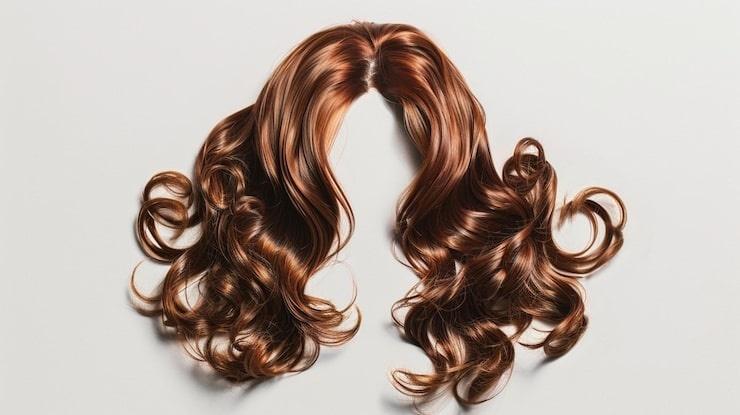
2026 Guide to Choosing and Caring for Lace Frontals: Achieve Natural Looks with Confidence
Why a lace frontal or frontal wigs option might be your best investment
If you are exploring hair solutions that deliver versatility, realism and long-term value, frontal wigs are a top choice. This comprehensive guide explains how to choose the right frontal, how to style it for the most natural hairline, how to maintain it for longevity, and how to avoid common pitfalls when shopping online or in stores. Whether you refer to them as lace frontals, front lace units, or full lace frontals, the practical principles remain the same: look for quality materials, realistic construction and installation methods that preserve your own hair and scalp health.
What is a lace frontal and how does it differ from other units?
At its core, a frontal is a hairpiece that creates an illusion of a real scalp across the hairline, typically spanning ear to ear. Unlike partial frontals or simple wefts, a full frontal can cover most of the front hairline and can be combined with closures or wefts to create a full head install. The most common terms you will encounter include lace frontal, lace front wig and full frontal wig. While a wig often comes preconstructed on a cap, many stylists prefer to blend a frontal with tracks or a wig cap for a customized, natural look.
Key materials: lace types and hair options
Choosing the correct base and hair type sets the foundation for how believable and durable your frontal will be. The lace can be Swiss lace, French lace or HD lace. Swiss lace often provides softness and breathability, French lace is more durable, while HD lace is ultra-thin and nearly invisible on many skin tones. Hair can be synthetic, human hair, or ethically sourced raw hair with varying textures—straight, body wave, deep wave, curly, coily. For the most natural appearance and styling flexibility, many professionals recommend 100% human hair frontals with a lace that matches your skin undertone as closely as possible. If you prefer low maintenance or budget-friendly options, high-quality heat-safe synthetic frontal wigs can mimic styles but offer less longevity.
How to choose a frontal that matches your lifestyle and aesthetic
There are several considerations when picking the right frontal unit:
- Density: Frontals come in densities from light (120%) to heavy (200%+). Natural looks often favor 130%-150% density for a believable hairline without excessive bulk.
- Cap size and fit: Ensure the cap or base dimensions suit your head circumference. A well-fitted frontal reduces shifting and the need for heavy adhesives.
- Parting options: Single part frontals limit your styling, while free part frontals or full lace frontals offer multi-directional parting for more versatility.
- Color and texture matching: Consider subtle color variation near the root and natural textures that blend with your natural hair if you plan to leave baby hair or wear partial blends.
- Budget vs longevity: Real human hair frontals cost more but accept heat and chemical treatments; synthetic is more affordable but less versatile.
Shopping online vs in-person: pros and cons for frontal purchases
Online shopping opens access to global suppliers, price comparisons and abundant reviews, but increases the need for due diligence. When buying frontal wigs online, review high-resolution photos, ask for measurements, verify return policies and request lace color matching swatches if possible. In-person purchases or salon consultations offer immediate fitting and the opportunity to try different textures and laces against your skin. Whether online or offline, look for trusted vendors who provide detailed specs on base size, density, construction method (hand-tied vs machine-tied), and hair origin.
Installation methods that preserve hair health
Installation approaches affect comfort, longevity and scalp health. Common techniques for frontal wigs include gluing/adhering the lace with skin-safe adhesives, tape methods that are less messy and sew-down methods that anchor a frontal to braided tracks. For those wanting minimal chemical contact, a secure wig grip or elastic band method combined with a well-fitted cap can be a non-adhesive alternative. Important tip: always perform a patch test with adhesives to check for sensitivity, and prefer medical-grade or proven wig glues. Work with a trained stylist when attempting lace melts, individualized plucking or knot bleaching to avoid damaging the lace or over-thinning the front for an unnaturally sparse hairline.
Customizing the hairline: baby hairs, bleaching knots and ventilation
Creating a natural hairline often involves creating subtle baby hairs, delicate plucking and sometimes bleaching knots to soften visible knots at the hairline. Knot bleaching should be done carefully to prevent hair loss or uncomfortable chemical exposure; many prefer professional services for this step. Another customization method is single-ventilation for a wispy, gradual hair density that mimics natural hair growth. When you see before-and-after photos, notice the density gradient: natural hairlines rarely start at full density immediately at the front, so a tapered approach looks most believable.
Styling versatility: heat, coloring and cutting
Human hair frontals allow the widest range of styling choices: cutting into layers, flat ironing, curling and coloring. Use heat protectant and avoid extreme temperature settings to keep hair soft and reduce shedding. If you plan to dye a frontal, seek a professional colorist who understands how to handle extensions and frontal bases; some frontals are pre-dyed and may react unpredictably to additional chemical processes. Synthetic frontals require specific heat-safe rules—only certain fibers tolerate styling irons and then only at recommended temperatures.
Maintenance routines to extend frontal lifespan
Daily care, periodic deep conditioning and careful storage dramatically increase how long a frontal looks natural. Routine suggestions include:
- Wash schedules: For regular wearers, wash every 7-14 days to remove oils, adhesives and product buildup. Use sulfate-free, moisturizing shampoos and gentle cleansing motion to avoid tangling.
- Conditioning: Deep condition monthly for human hair frontals, focusing on mid-lengths and ends while avoiding heavy conditioners directly at the knots which could loosen them.
- Detangling: Use wide-tooth combs or detangling brushes from tips to roots. Hold the base to minimize stress on knots.
- Protective night care: Sleep on a silk or satin pillowcase and use a silk scarf or bonnet to reduce friction. For long-term storage, place the frontal on a mannequin head or secure it in a breathable bag to preserve shape and reduce dust.
- Adhesive removal: Use solvent-based or adhesive removers recommended by your stylist to avoid pulling. Clean the lace gently and allow it to dry completely before reapplication.
Common mistakes and how to avoid them
Many frontal wearers make avoidable errors: choosing the wrong lace color, over-bleaching knots, using harsh adhesives, overprocessing hair with heat or not trimming a frontal to suit face shape. A simple strategy to avoid these errors: start with a high-quality piece that closely matches your complexion and hair texture, seek professional customization for the hairline, and ask for a demo on adhesive application and removal when purchasing from salons. Keep product lists simple and test new products on a small area before full application.
Budgeting and value: getting the best return on investment
High-quality frontal wigs are an investment; the cheapest options may require frequent replacement. Consider these value tips: invest in mid-range human hair that accepts gentle styling, choose a lace type that minimizes the need for heavy customization, and maintain your frontal with professional-grade products. Buying a frontal with a slightly longer length than you think you need can be economical—shorter lengths wear faster due to frequent styling—whereas medium lengths often offer the best combination of style flexibility and manageability. If you plan to wear your frontal daily, allocating budget for periodic maintenance from a stylist will preserve the frontal and your scalp health.
Environmental and ethical considerations
Ask sellers about the origin of human hair and ethical sourcing practices. Transparent suppliers will share sourcing information and processing methods. For those who prefer cruelty-free options, there are high-end synthetic frontals and plant-based fiber options that aim to mimic human hair properties. Also consider sustainable packaging and shipping practices when ordering online; these small choices contribute to a more responsible beauty routine.
How to evaluate vendors and read product listings
Vendor evaluation is critical for online purchases. Key items to verify in listings include lace type, frontal dimensions (ear-to-ear measurement), hair origin, density, cap construction, average shipping time, return policies, and customer reviews with photos. Reliable vendors will provide clear close-up images of the hairline, knots, and the lace on various skin tones. Look for sellers who respond swiftly to questions about custom coloring, cap sizing and dye testing to feel confident in the transaction.
DIY tricks and salon services: what to do yourself and when to hire a pro
Some tasks are safe for DIYers: simple trims, basic styling, and routine washes. Complex tasks—knot bleaching, hair dyeing, major re-ventilation, hand-tied repair, or intricate adhesive applications—are usually best left to professionals. If you like experimentation, practice on lower-cost units before applying techniques to premium pieces. Joining communities and watching tutorials from reputable stylists can shorten your learning curve and help you adopt best practices safely.
Signs your frontal needs repair or replacement
Common indicators include excessive shedding, widening of noticeable knots, a lace base that no longer lays flat even after cleaning, thinning density, and persistent odors that are difficult to remove. Minor repairs such as trimming excess lace, reinforcing weak knots, or replacing a lining can extend life, but sometimes replacement is the most cost-effective and healthy option, especially if the lace is damaged beyond repair.
Styling inspiration and trending looks
Contemporary trends skew toward softer, more natural hairlines, lived-in textures, and low-maintenance styles. Popular looks include beachy waves, effortless bobs with face-framing layers, and long, sleek ponytails with a polished baby-hair finish. For those who want bold color, consider partial balayage or subtle highlights applied by a colorist experienced with extensions. The best frontal styles rarely compete with natural growth; instead they enhance and frame your features subtly.
Checklist before you commit to a frontal purchase
Before you buy any frontal wigs , run through this checklist:
- Does the lace shade match or can it be easily adjusted to your skin tone?
- Is the frontal length and density appropriate for daily wear or special occasions?
- Can the vendor provide clear images of the hairline and sample photos on models with similar complexions?
- Are returns and exchanges clearly outlined, and is customer service responsive?
- Will you need professional customization such as a trim, bleach or knot work?
Final thoughts: balancing realism, comfort and value
Investing in a quality frontal can transform your look and boost confidence when you select materials that match your lifestyle and aesthetic preferences. Prioritize lace that blends well with your skin, choose densities and textures that mimic natural growth patterns, and commit to a consistent maintenance routine. Whether you are new to frontals or expanding your collection, informed choices pay off in durability and natural appearance.
Optional FAQ
Q: How long do high-quality frontal wigs last with regular care?
A: With proper maintenance, human hair frontals can last 1 to 3 years depending on wear frequency, care routines and whether they undergo chemical processing. Synthetic frontals typically last 4-6 months with daily wear and good care.
Q: Can I swim with my frontal installed?
A: Swimming in saltwater or chlorinated pools can damage both human and synthetic hair if exposed frequently. If you plan to swim, consider a protective cap, gentle rinsing with fresh water afterwards, and deep conditioning soon after to remove residues.
Q: How can I make a frontal look undetectable at the hairline?
A: Achieve an undetectable hairline by matching lace shade, softening knots with bleaching (performed carefully), creating subtle baby hairs, and using minimal, well-blended makeup or scalp concealer on the lace instead of heavy adhesives that create shine.
By following the guidance above and keeping your goals clear—whether that's a flawless daily look or transformative styles for special occasions—you can select frontal options that deliver natural results and lasting satisfaction. Remember that thoughtful vendor selection, professional customization when needed, and consistent care are the pillars of a rewarding frontal experience. Embrace experimentation responsibly, and over time you will develop a personalized frontal routine that complements your lifestyle and beauty objectives.
Related products
Blog
- Does Goodwill Take Wigs — A Practical Guide to Donating Wigs and What to Expect
- how to curl cheap wig at home like a pro with heat free and curling iron tips
- how to wear a wig cap with long hair made easy - 8 simple steps for a secure natural look
- Top human hair bob wigs Guide 2025 Best Styles Affordable Natural Looks
- how to style a wig without a wig head - 9 easy at-home tips stylists use for natural results
- Discover top picks in a list hair wigs reviews with care tips and honest buyer ratings
- 10 Creative Ways to Style a trump wig for Realistic Costume and Party Looks
- how to make a wig not shiny - 10 proven home tricks to remove shine and achieve a natural matte finish