
how to make a wig not shiny - 10 proven home tricks to remove shine and achieve a natural matte finish

Practical guide: Reduce wig shine for a natural look
If you've ever wondered how to make a wig not shiny, you are not alone. Many wig-wearers struggle with the glossy, often plastic-like shine of some synthetic units and even certain treated human-hair wigs. This guide presents a comprehensive, SEO-friendly, step-by-step approach with ten reliable home methods, plus detailed explanations, product notes, and maintenance tips to help you achieve a matte, natural finish that blends seamlessly with your skin and natural hairline. Each section focuses on practical actions, variations by wig type, and safety considerations so you can choose the best method for your wig and lifestyle.
Why wigs get shiny
The first step in learning how to make a wig not shiny is understanding the cause. Shiny wigs typically result from the manufacturing process: synthetic fibers like kanekalon or toyokalon are produced with a smooth surface that reflects light. Human hair wigs can also appear glossy if over-conditioned, treated with certain serums, or if the cuticle layer reflects light excessively. Environmental factors—humidity, sweat, and oils—can either increase or reduce perceived shine. Knowing the root cause helps you pick a targeted solution rather than guessing.
Overview of safe considerations
- Test first: Always try methods on an inconspicuous inner weft or a small section at the nape. Many approaches are reversible, but some are permanent.
- Type matters: Synthetic vs human hair vs heat-friendly synthetics each react differently to sprays, powders, and heat.
- Tool safety: Use clean brushes and low-heat tools where applicable. Avoid open flame or extremely high temperatures on synthetic fibers.
Ten proven home tricks to reduce wig shine
Dry shampoo or baby powder: quick and effective
One of the easiest answers to how to make a wig not shiny is to use a dry powder. Lightly dust baby powder or a no-residue dry shampoo on the wig and brush through with a soft-bristle brush. For synthetic wigs, sprinkle sparingly and distribute evenly to avoid white patches. A makeup brush helps with finer distribution. This method absorbs excess surface gloss and creates a matte texture. Pros: cheap and accessible. Cons: may require reapplication and careful blending near the hairline.
Texturizing spray or salt spray
Sea salt sprays designed for hair can add grit and diffuse light reflection, giving hair a lived-in, matte finish. For human hair wigs, use a lightweight texturizing spray and allow it to dry naturally. For synthetic wigs, choose water-based sprays labeled safe for synthetics to avoid damage. Spray from a distance and scrunch lightly to distribute texture. Benefits include improved hold and a more natural silhouette.
Matte finishing sprays and setting powders
There are commercial matte sprays and setting powders made for wigs and hairpieces. Look for products that explicitly mention synthetic-safe or wig-friendly. Apply sparingly and in layers: a light mist, air dry, then assess. Matte finishing powders can be tapped into the roots or mid-lengths to knock down shine without stiffening the fiber excessively.
Dry brushing techniques
Using a boar-bristle brush or a wide-tooth comb helps break up surface reflection. Brush in small sections and avoid over-brushing, which can frizz or tangle fibers. Brushing distributes any applied powder or spray evenly and helps the strands lay more naturally. This no-product method is ideal for quick touch-ups on the go.
Rubbing alcohol dilution (small-scale, careful use)
Mixed in a spray bottle at a high water-to-alcohol ratio (eg. 90% water, 10% isopropyl alcohol), a light spritz can reduce tackiness and shine on certain human hair wigs by removing residue. Test a tiny patch first. Alcohol can dry fibers and weaken synthetic glue lines over time, so use rarely and cautiously. Avoid applying near the cap or lace adhesive areas frequently.
Weak vinegar rinse for human-hair wigs
A diluted apple-cider or white vinegar rinse (one tablespoon vinegar in one cup of water) can remove buildup on human hair wigs that causes unnatural gloss. Apply gently after shampooing, rinse thoroughly, and condition only the ends to avoid weighty shine. This method is not for synthetic wigs.
Anti-shine makeup products for edges
For lace front edges and baby hairs, use a mattifying primer or translucent powder used in makeup to set the hairline. Lightly pat the powder onto the perimeter to reduce sheen where the wig meets skin. This helps photographers and close-up situations, but be careful to blend well to avoid visible dusting under bright lights.
Dryer sheets (controversial — use minimally)
Some wig wearers rub a dryer sheet gently along the wig to reduce static and soften the surface reflection. Because dryer sheets contain fragrance and oils, this is best for quick fixes and not frequent use; over time residues may build up and require clarifying washes. Try on a small hidden section first.
Light heat and steam texturizing for heat-friendly synthetics
If your synthetic wig is heat-resistant, steaming or gentle low-heat styling can relax the smooth fiber surface and reduce shine. Hold a handheld steamer at a safe distance and scrunch or style to add texture. Do not use on regular synthetics. For human hair wigs, light steaming with a spray and low-heat iron on the lowest safe setting can open the cuticles slightly to reduce mirror-like gloss—always use a heat protectant.
DIY matte spray: cornstarch or arrowroot solution
Create a lightweight matte spray by diluting a tiny amount of cornstarch or arrowroot in water (shake well) and misting lightly. Alternatively, mix a water-based leave-in conditioner with a pinch of powder to distribute more evenly. These natural substances can reduce shine but require careful application to avoid visible residue. Best for thicker wigs where the powder can be hidden between layers.
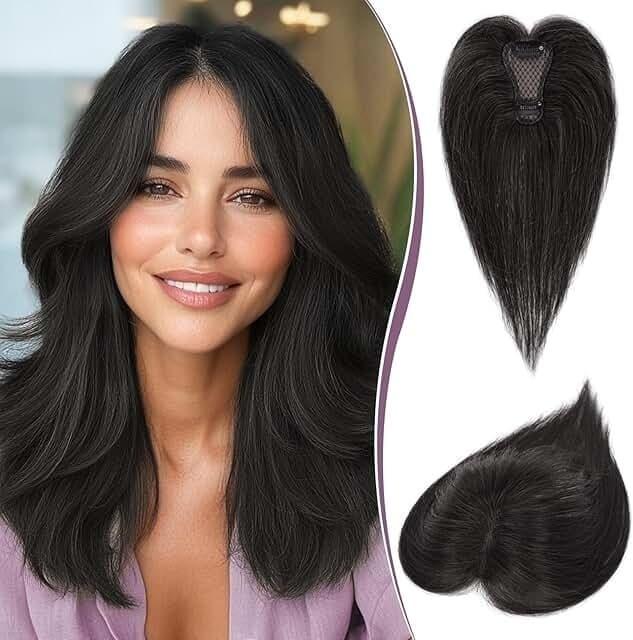
Step-by-step example routine for a synthetic lace front
Here is a safe, repeatable routine if you wear a synthetic lace front and want to reduce shine without compromising the cap or lace: 1) Place the wig on a mannequin head or wig stand. 2) Lightly dust baby powder or a mattifying dry shampoo through the mid-lengths and ends. 3) Use a soft paddle brush to distribute product and remove excess. 4) Apply a synthetic-safe texturizing spray, misting from 8-12 inches away. 5) Gently tousle to activate texture. 6) Finish with a light handheld steamer at a distance to set the texture if the fiber is heat-friendly. 7) Check the perimeter—apply a tiny amount of transparent powder if the hairline looks reflective under lights.
Advice for human hair wigs
Human hair wigs react more like your natural hair: over-conditioning, silicone-heavy serums, and buildup often cause unwanted shine. To address this: clarify with a gentle clarifying shampoo monthly, use a vinegar rinse occasionally to remove residue, and apply lightweight mousses or clay-based texturizers to add grit. Avoid petroleum-based products and heavy oils if you want a matte finish. For human-hair wigs that are too glossy, a salon professional can perform a controlled low-lift chemical or texturizing treatment to alter sheen—this should be done only by specialists.
Products to consider and those to avoid
- Consider: dry shampoos labeled for wigs, matte finishing sprays, sea salt sprays (water-based), lightweight texturizing clays, and wig-safe conditioner for human hair.
- Avoid: heavy oil serums, silicone-heavy gloss serums, undiluted rubbing alcohol, and hair dyes or treatments not intended for wig fibers.
Troubleshooting common problems
White residue or chalky look: This results from overapplied powders. Use a clean brush to remove excess and restart with smaller applications.
Stiff or sticky fibers: Overuse of matte sprays or powders can stiffen hair—clarify with a gentle wig shampoo and let air dry.
Fading or color change: Some homemade methods slightly alter the tone—always test first on an interior section.
Damage to lace: Avoid applying powder directly onto lace or cap adhesives; use tiny amounts with a makeup sponge for edges.
Maintaining the matte finish long-term
To keep a reduced-shine look, adopt a maintenance plan: store wigs on a stand away from direct light, wash and clarify monthly or as needed, use a satin or silk cover to reduce friction, and reapply light texturizers between wears. Rotate wigs if you wear them daily to minimize product buildup on a single unit. Regular light brushing helps redistribute any mattifying products evenly and prevents localized glossy patches.
Professional adjustments if home methods fail
If home remedies don't achieve the desired matte result, consult a wig professional. Salon-level texturizing, micro-sanding (for certain synthetic fibers), or a controlled cut can dramatically change the way light interacts with the wig surface. Professionals can also change lace or ventilate baby hairs to make the hairline blend better with your complexion, which reduces perceived shine.
Quick checklist: what to do now
- Identify your wig type (synthetic vs human hair).
- Test a method on a hidden section before full application.
- Start with a non-invasive step like dry powder or texturizing spray.
- Gradually move to stronger methods only if needed and safe for the fiber.
Frequently asked questions
Q1: Will using powder damage my wig?
Light, infrequent use of baby powder or dry shampoo generally won't damage a wig. Problems occur when you overapply and never remove buildup; periodic clarifying washes will prevent residue accumulation. Always distribute the powder evenly and brush out excess.
Q2: Can I make a synthetic wig matte permanently?
Most permanent alterations to synthetic fibers are risky and not recommended at home. Professional services exist but can be costly and potentially irreversible. Safer options include texturizing sprays and controlled heat treatments only for heat-friendly synthetic fibers.
Q3: Is it safe to use the same tricks on both human hair and synthetic wigs?
Not always. Some methods, such as a vinegar rinse, are for human hair only. Heat-based methods must be limited to heat-resistant synthetics. Always check manufacturer guidance and perform a patch test.
In summary, learning how to make a wig not shiny blends art and science: start with the least invasive approach, understand your fiber type, and apply targeted solutions such as dry powders, texturizers, matte sprays, or light steaming for heat-friendly pieces. With patience and testing, you can achieve a natural, matte finish that feels and photographs beautifully, while maintaining wig longevity through proper care and occasional professional help.
For ongoing questions or a customized routine for your specific wig type, bookmark this guide and use it as a checklist before applying any new product or treatment. Your perfect matte finish is often just a few careful steps away.
Related products
Blog
- wigan travel guide and local tips for wigan weekends and top attractions
- luv me wigs buying guide and styling tips that prove luv me wigs deliver natural volume and lasting wear
- what does 180 density wig mean and why it matters for fullness, styling and long-term care
- how to bleach wig knots safely at home step by step guide for a natural looking hairline
- is luvme wigs legit - Honest Review and Buyer Guide Covering Quality, Shipping, Scams and Real Customer Experiences
- How to Soften a Synthetic Wig with Simple At-Home Techniques for a Smooth Natural Feel
- why lyle menendez had a wig revealed by new accounts and trial records
- Expert stylist guide how to make a wig look natural with 10 pro tricks for seamless undetectable results