
Top human hair bob wigs Guide 2025 Best Styles Affordable Natural Looks

Comprehensive Guide to Choosing the Best human hair bob wigs for a Natural 2025 Look
This extensive guide is designed to help anyone searching for realistic, versatile, and affordable human hair bob wigs. Whether you want a sleek blunt cut, a textured lob, or a layered chin-length style, this resource covers selection, care, styling, and shopping strategies so you can confidently buy and maintain a wig that looks and feels like natural hair.
Understanding the core differences between synthetic options and authentic human hair products is essential, and this article focuses on human-sourced hair for longevity, heat-styling capability, and unmatched realism. Throughout the guide we emphasize practical tips for everyday wear, seasonal styling, and budget-friendly ways to achieve an elegant, natural bob.
Why choose real human hair bob wigs?
Real human hair bobs outperform synthetic imitations in texture, movement, and styling flexibility. A high-quality human hair bob wig can be heat styled, colored, trimmed, and blended with your own hair for a seamless finish. These advantages make human hair bobs ideal for anyone wanting realistic volume, authentic shine, and the ability to adapt the look over time.
Key benefits include: superior longevity, compatibility with professional color services, natural scalp appearance with lace front or silk base construction, and the tactile feel of real hair when touched or styled.
Popular bob silhouettes to consider
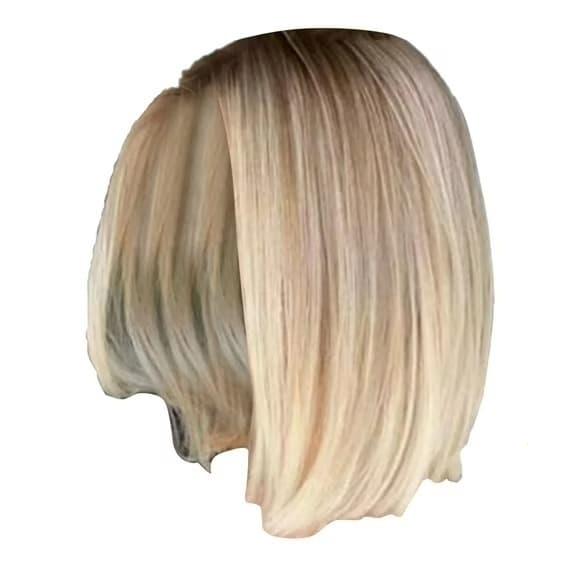
- Blunt bob: A straight-across cut that frames the jawline for a modern, polished appearance. Works well in both chin-length and collarbone variants.
- Textured bob: Light layers and razored ends create movement and casual volume, perfect for a lived-in, effortless look.
- Inverted/stacked bob: Shorter at the back with graduated layers toward the front to give a sculpted, voluminous silhouette.
- Lob (long bob): Falls between shoulder and collarbone allowing more styling versatility while keeping a bob’s chic character.
- Asymmetrical bob: One-side-longer design for an edgy, fashion-forward statement.
Cap construction and fit: what matters
Understanding how a wig is built is crucial to comfort and realism. Common cap types for human hair bob wigs include lace front, full lace, monofilament, and machine-tied caps. Lace fronts provide the most natural hairline, while monofilament crowns mimic scalp parting. Fit is equally important: most manufacturers provide small, medium, and large caps — measure your head circumference and compare to sizing charts for a secure, natural fit. Adjustable straps and combs inside the cap help stabilize the wig during active wear.
Choosing the right density and length
Density affects fullness and weight. For a natural bob, 120%-150% density often looks realistic without appearing sparse or overly thick. Shorter bobs need balanced density so the style holds shape without feeling heavy. If you prefer layered volume, opt for slightly higher density; for sleeker, flatter looks choose lower density.
human hair bob wigs color selection and customization
Color can transform a bob from casual to couture. Popular options include single-tone natural shades, balayage, and subtle highlights. One advantage of human hair bob wigs is the ability to dye and tone them in a salon. However, professional services are recommended for drastic color changes or bleaching to preserve cuticle alignment and prevent damage. When shopping online, request natural light photos and compare swatches to your skin tone to pick the most flattering shade.
Shopping smart: quality indicators and red flags
Look for detailed sourcing information — ethically sourced, single-donor or Remy hair with cuticles intact is preferable. Quality indicators include aligned cuticles, minimal shedding, natural root variation, and a clean, non-chemical scent. Red flags: overly uniform color across long lengths (may indicate poor color mixing), rough texture, excessive shedding in the product video, and no return policy. A trustworthy vendor provides clear care instructions, return windows, and customer reviews with photos.
Budgeting: how much to expect
Price ranges vary widely. Entry-level human hair bobs may start at accessible price points, while premium, single-donor, hand-tied pieces cost more. Consider longevity: investing slightly more on a durable human hair bob wig often yields better value over time, as higher-quality units require less maintenance and last longer under regular use.
Styling and heat tools
One of the biggest advantages of human hair bob wigs is the ability to use heat tools. Use a quality heat protectant before blow drying or flat-ironing, and keep iron temperatures moderate (around 300°F–350°F depending on hair density and prior processing). For curls, small wands create soft waves on short bobs; for a sleek finish, a ceramic flat iron will produce salon-smooth results. Avoid repeated high-heat exposure to retain luster and cuticle health.
Daily care routine for longevity
Gentle daily maintenance keeps a human hair bob wig looking fresh: detangle with a wide-tooth comb from ends upward, lightly mist with leave-in conditioner, and store on a stand to maintain shape. Wash every 7–14 wears depending on styling product use. Use sulfate-free, moisturizing shampoos and conditioners formulated for human hair wigs or color-treated hair. Deep-condition monthly to replenish moisture and avoid protein overload unless hair feels limp.
Detangling and brushing
Start at the ends and slowly move upward. For wet detangling, use a comb after applying a detangler or conditioner. Avoid rough brushing which can increase shedding at the knots.
Color care and chemical services
Professional colorists familiar with wig hair are valuable assets. Toning, low-ammonia dyes, and gloss treatments can refresh tone without excessive damage. Bleaching synthetic blends or low-quality human hair is risky. Ask for a strand test and request that the colorist confirms cuticle direction and processing times to reduce risk. A subtle gloss or glaze can restore shine and seal the cuticle after color.
Storage, travel, and seasonal tips
Store wigs on a padded stand or mannequin head in a cool, dry place away from direct sunlight. For travel, pack a wig in a silk or satin bag with a flexible stand or scrunched tissue to preserve shape. In humid months, reduce heavy styling to avoid frizz; in cold, dry months incorporate moisture treatments to prevent brittleness.
Customization and professional finishing
Want a tailored look? Many buyers opt for a salon haircut after purchase — trimming lace, adding face-framing layers, or thinning the ends produces a bespoke bob. Bleaching knots on lace fronts for a seamless hairline, plucking parting areas, and tinting lace for a scalp-like appearance are common professional touches to enhance realism.
Blending with natural hair and partial-wig strategies
Short bobs can be worn as full wigs or as toppers to add volume. Tips for blending with your own hair include color-matching root shades, using micro clips or adhesives strategically, and leaving a small amount of natural hair around the perimeter for a realistic hairline when appropriate.
Maintenance timeline and expectations
With careful care, a quality human hair bob wig can remain in excellent condition for many months to years, depending on wear frequency and styling. Expect regular trims to keep ends tidy, periodic conditioning treatments, and occasional salon refreshes for color or style changes.
Common myths and realities
- Myth: All human hair wigs look identical. Reality: Source, processing, and cap construction create wide variance in texture, density, and behavior.
- Myth: Higher price always means better hair. Reality: Price is a strong indicator but read reviews and inspect construction and return policies.
- Myth: Human hair needs professional treatment only. Reality: Many users perform safe at-home care with the right products and techniques.
Sustainability and ethical sourcing
Ethical considerations are growing in importance. Seek vendors who disclose sourcing practices and support fair treatment of donors. Reputable brands often provide transparency about collection methods and processing steps.
Practical shopping checklist for human hair bob wigs
- Measure your head and select correct cap size.
- Review high-resolution photos and videos under natural light.
- Confirm cap construction (lace front, monofilament, etc.).
- Check reviews and look for customer images.
- Verify return policies and warranties.
- Request color matching swatches if possible.
- Ask about single-donor or Remy hair claims and processing details.
How to spot realistic hairlines and parting
Realistic hairlines are typically created with hand-knotted lace or hand-tied monofilament tops which mimic scalp appearance. For a convincing part, look for a natural scalp tone under the lace, and consider tinting the lace slightly if needed. Avoid units where the hair appears plugged or the part looks unnaturally defined.
Professional installation tips
When gluing a lace front, use skin-safe adhesives and follow a cleansing routine to remove oils. If using tape, opt for medical-grade tapes and replace regularly. For long-term wear, consult a stylist for safe application and adhesive removal to protect both the wig and your skin.
Styling ideas and inspiration
Short bobs are versatile: tuck one side behind the ear for elegance, add a deep side part for drama, or create soft beach waves with a small-barrel curling iron. Use lightweight styling creams to define texture without weighing down the wig. For office looks, a smooth blowout signals polish; for casual weekends, tousled texture reads modern and effortless.
Maintenance products to include in your kit
- Sulfate-free shampoo for human hair
- Moisturizing conditioner and deep mask
- Leave-in detangler or lightweight oil
- Heat protectant spray
- Wide-tooth comb and cushion brush
- Silk or satin storage bag
When to seek professional help
If a wig needs complex color correction, lace repair, or reshaping beyond trim-level adjustments, a wig technician or stylist will deliver the best, longest-lasting results. Professionals can also advise on cap modifications for sensitive skin or bespoke fittings.
Final checklist before purchase
Ensure the vendor provides clear images and return policies, confirm cap size and construction, verify fiber origin and processing, and decide if you want pre-styled or ready-to-cut units. If possible, buy from sellers who provide video demonstrations and customer photos to assess drape and movement.
Summary: making the right choice
Choosing the right human hair bob wig is a balance of cap construction, hair quality, correct color, and styling needs. Prioritize realistic hairlines, quality sourcing, and a vendor that supports returns or exchanges. With careful selection and consistent maintenance, a human hair bob can deliver long-term style, adaptability, and the most natural appearance available in modern wig options.
Additional tips for longevity
- Rotate between wigs if you wear wigs daily to reduce wear on a single unit.
- Use silk pillowcases or protective caps to avoid friction while sleeping.
- Keep styling product minimal to prevent buildup and frequent washing.
Resources and further learning
Look for tutorials from experienced stylists who specialize in wigs, read community reviews and forums for real-user experiences, and consult product care guides for the specific brand you choose. Many reputable brands offer detailed maintenance guides that extend the life and beauty of your human hair bob wigs.
Frequently Asked Questions (FAQ)
Q: How long do quality human hair bob wigs last with regular care?
A: With proper maintenance, rotation, and moderate styling, a high-quality human hair bob can last from several months to multiple years depending on frequency of wear and how often heat or chemical processes are applied.
Q: Can I dye a human hair bob at home?
A: Simple color adjustments may be safe at home with semi-permanent dyes, but for bleaching or dramatic color changes, professional salon services are recommended to avoid irreversible damage.
Q: What cap type gives the most natural parting?
A: Monofilament tops and hand-tied lace fronts typically provide the most natural-looking parting and scalp appearance, making them ideal for realistic bobs.
Related products
Blog
- is sabrina carpenter's hair a wig — uncovering the truth with photos, stylist insight, and a hairstyle timeline
- how much is the wig - 2025 price guide and cost breakdown for synthetic, human hair and custom styles
- how to keep curly wig looking wet - 7 easy expert tips for glossy defined curls
- Rapunzel Wig Trends 2025 Top Styles, Care Tips and Smart Buying Guide for Rapunzel Wig
- did andy warhol wear a wig - exploring the surprising evidence and stories behind his iconic hairstyle
- Adorable cat with wig photos and DIY styling tips to make your feline a showstopper
- is kristen stewart wearing a wig in eclipse answers revealed by hairstylist interviews and on set stills
- How to style wig hair like a pro - step-by-step tips for natural, long-lasting results