
can you dye wig hair — how to safely color human and synthetic wigs with pro tips and step by step instructions

can you dye wig hair
Quick overview and why this question matters
If you've ever asked can you dye wig hair while staring at a mannequin head or a new wig box, you're not alone. The short answer is: yes, but the method, risk and result depend entirely on whether the wig is human hair or synthetic, the base color, the desired tone, and the products and skills you apply. This comprehensive guide explains the key differences, the safest approaches, professional tips, and step-by-step instructions to help you confidently change color without wrecking the fibers.
Why the material matters: human hair vs synthetic
Human hair wigs react to conventional hair color chemistry in much the same way as natural hair on a scalp. That means permanent dyes, bleach, toner and salon-grade ammonia or developer can work — but with caveats: wigs are often chemically processed, pre-colored, or made from cut hair that behaves differently than virgin head hair. Over-processing, incorrect developer strength, or skipping a strand test can lead to uneven color, dry brittle fiber, or irreversible damage.
Synthetic wigs are typically made from polyester, acrylic, or special heat-resistant fibers and will not accept regular hair dye. Attempting to use box dye or permanent salon color on a synthetic wig is likely to fail or melt the fibers. There are, however, safe ways to modify or recolor synthetic pieces: using specialized fabric dyes for synthetic fibers, diluted acrylic paints, alcohol-based sprays, or professional fiber dyes such as iDye Poly or Rit DyeMore — each with its pros and cons.
Decision chart: should you attempt coloring at home?
- Is it human hair? If yes, you may be able to use conventional dye, but test first.
- Is the wig high-value or custom? If yes, consult a salon specializing in wigs and extensions.
- Do you need a lighter color than the current base? Bleaching may be required — this is risky and often best left to professionals.
- Are you aiming for a temporary change? Consider semi-permanent dyes or colored sprays before committing.
Essential supplies for coloring human-hair wigs
- Strand test kit (tiny ampoule of dye or small mixing bowl)
- Professional hair color and developer (10-30 vol depending on lift needed)
- Bleach powder and appropriate developer if lightening
- Non-metal mixing bowl, tint brush, gloves
- Wide-tooth comb, clips, heat cap or dryer for faster processing if required
- Deep conditioner, bond builder (Olaplex or similar), sulfate-free shampoo
Essential supplies for modifying synthetic wigs
- Rit DyeMore for synthetics or iDye Poly (specialized hot-water dyes)
- Large stainless steel or enamel pot if using immersion method
- Heat source, thermometer, tongs, gloves
- Alternative: alcohol-based markers or spray paints formulated for synthetics
- Protective masking tape for areas you don't want colored
Step-by-step: how to safely dye a human hair wig at home
The following workflow minimizes risk while maximizing control. Make sure to maintain strict hygiene and dedicate tools for wig work only.
- Inspect and document: Photograph the initial color and condition. Detangle gently with a wide-tooth comb and look for weakened or split strands.
- Strand test: Choose a hidden inner weft or tab. Mix a very small amount of dye with the developer you plan to use and apply to the test strand. Time it exactly as you would the full application. Rinse and evaluate result and fiber integrity.
- Decide on developer strength: For minor color shifts or tone changes, a 10-volume developer or semi-permanent dye is safer. To lift several levels, you'll need stronger developers and potentially bleach — consider professional help.
- Pre-treat with bond builder: If the wig is expensive or previously colored, treat with a bond-building product to reduce breakage during chemical processing.
- Apply dye in sections: Work from nape to crown, saturating each section. Use clips to section and a tint brush to avoid pooling. For highlights or ombre, work more carefully cutting timing for different segments.
- Monitor and rinse: Check color frequently. When desired level is reached, rinse with lukewarm water until water runs clear. Use a color-safe, sulfate-free shampoo and a deep conditioner. Follow with leave-in treatments.
- Dry and style gently: Air dry on a wig stand when possible. Use low heat if styling tools are necessary. Finish with a serum or thermal protectant.
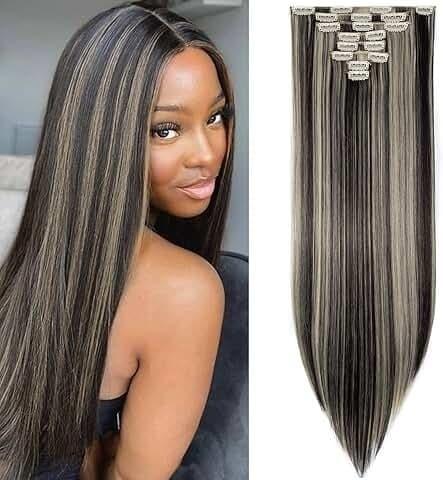
Step-by-step: how to modify synthetic wigs
For synthetic fibers, avoid ammonia, peroxide, and regular dyes. Choose a method based on desired permanence and color depth.
- Surface sprays and markers
 : For temporary or spot color (edges, bangs), alcohol-based sprays, hair color crayons, or markers work well and have minimal commitment. They can also be blended with a comb or sponge.
 - Immersion dye (hot pot): Use Rit DyeMore or iDye Poly following manufacturer's instructions. Warm water (hot, not boiling) helps the dye bond. Monitor constantly; synthetic fibers can take color faster than human hair.
- Dip-dye or ombre: Control depth by timing the submerged portion. Cooler water or shorter time yields a softer wash.
- Post-dye care: Rinse with mild, cool water and gentle detergent. Condition with products formulated for synthetics or a light fabric softener rinse (some stylists recommend a tiny amount to restore softness).
Advanced techniques and color correction
If things go wrong, there are salvage options: for human hair, color stripping using a professional color remover or salon-grade bleach wash can neutralize an unwanted shade, followed by deep conditioning and bond repair. For synthetic hair, almost nothing removes pigment without damaging fibers; sometimes the best approach is to re-dye darker or use layered accessories. Always perform a corrective test on a discreet area first.
Using toners and glosses
Toners are excellent for refining shade after lightening — they reduce brassiness and add shine. For a wig, choose a demi-permanent glaze or gloss and apply for a shorter time than you would on scalp hair to avoid over-toning.
Balayage and highlights on wigs
Balayage and hand-painted highlights work beautifully on wigs because you can customize placement precisely. Paint with a lightweight bleach mixture for lift, watch fiber reaction, then tone. Use foil or plastic wrap to isolate painted sections if you need to vary processing times.
Common mistakes and how to avoid them
- Skipping a strand test — never. Tests reveal unexpected reactions.
- Using too strong a developer on low-quality hair — leads to shredding and tangling.
- Assuming synthetic fibers react like human hair — they won't; use appropriate dyes.
- Rinsing with hot water post-color — hot water opens cuticles excessively and can accelerate color fade or cause felting in synthetic caps.
Maintenance tips for dyed wigs to prolong color life
- Wash sparingly with cold water and using sulfate-free, pigment-protecting products.
- Use color-depositing conditioners to refresh tone on human hair wigs.
- Store out of direct sunlight and use silk or satin coverings to reduce friction.
- Avoid chlorine and salt water unless you take protective measures; these can strip color quickly.
- Regularly treat with bond-building products if chemically processed.
Professional salon vs DIY: when to choose which
If the wig is expensive, custom-made, or you need dramatic lightening, a salon that specializes in wigs and extensions is the safest option. Professionals have controlled heat sources, high-quality bond repair treatments, and precise color-balancing experience. For exploratory color changes, temporary looks, or minor darkening, a carefully executed DIY can be successful and cost-effective.
Environmental and safety considerations
Dispose of chemical wastes responsibly and avoid using household pots or utensils for dyeing — cross-contamination is unpleasant and potentially dangerous. Always work in a well-ventilated area and wear gloves and protective clothing. For hot-dye immersion of synthetics, be cautious of hot water burns and never place synthetic fibers near open flame or excessive heat beyond fiber ratings.
Pro tips from stylists
- Record every formula: mixing ratio, developer volume, and timing. This makes future touch-ups predictable.
- Use a lower-volume developer and multiple, controlled processing sessions for safer lightening rather than a single aggressive lift.
- Layer color: for richer results, apply a semi-permanent glaze after lifting and toning.
- For synthetic wigs, consider custom-colored wefts sewn into existing caps for a durable color change without dyeing the entire wig.
Tip: Performing all chemical processes over a long, careful timeline reduces stress on fibers — patience pays off.
Tools and products worth investing in
Invest in a good wig stand, quality wide-tooth combs, professional-grade dyes, a bond repair system, and color-safe products tailored for wigs. For synthetic dyeing, purchase dyes specifically formulated for polyesters or heat-resistant fibers — generic fabric dyes often disappoint unless labeled for synthetic materials.
How often should you re-dye?
Human hair wigs: color refresh every 6-12 weeks depending on wear. Synthetic wigs: if you've used an immersion dye method, colors may be more stable but still tend to fade with washing and UV exposure — touch up as needed or use surface sprays for short-term refreshes.

Examples and mini case studies
Case A: A lightly highlighted human-hair wig was successfully toned from warm to ashy blonde using a 20-volume developer and a violet neutralizing toner, followed by Olaplex treatment. The secret was a cautious 10-minute staged lift with frequent checks.
Case B: A bright magenta synthetic cosplay wig was recolored using Rit DyeMore in a hot-pot immersion. The color absorbed quickly; the stylist used a short, 5-10 minute bath and cooled immediately to prevent patchiness, then conditioned with a fabric-softener rinse.
Summary checklist: before you begin
- Identify fiber type (human vs synthetic)
- Run a strand/weft test
- Choose correct dye product and developer
- Prepare bond-building and conditioning treatments
- Set up a clean, ventilated workspace and gather tools
SEO reinforcement and final thoughts on “can you dye wig hair”
Throughout this guide we've repeatedly addressed the central concern: can you dye wig hair? The measured answer is yes for human hair (with careful technique) and conditionally for synthetics (with specialized products). The most important SEO-friendly takeaway is that searchers often want clear, practical steps, risk-warning content, and professional alternatives. This article aims to satisfy those needs while offering both concise instructions and deeper context for decision-making. If you're optimizing content on this topic for visibility, include practical keywords paired with user intent phrases like "how to dye human hair wig," "safe synthetic wig dye methods," "wig color correction," and "wig dye strand test" wrapped in relevant headings and lists — as demonstrated above.
FAQ
- Can all human hair wigs be dyed darker or lighter?
- Most can be dyed darker easily; lightening often requires bleaching which carries risk. Always strand-test and consider a pro for multiple-level lifts.
- Will synthetic wigs melt if I use regular dye?
- Not exactly "melt," but synthetic fibers can deform, clump or fail to accept color. Use dyes formulated for synthetics or surface-color methods to avoid damage.
- How long will dyed color last on a wig?
- On human hair, semi-permanent shades may last 4-12 washes; permanent dyes last longer but fade over time. For synthetic dyes, longevity varies by method and care but expect fading with frequent washing and sun exposure.
Final note: always prioritize testing, use protective measures, and when in doubt seek a colorist experienced with wigs. Good luck—now you have the steps, the cautions, and the pro tips to answer your own version of can you dye wig hair confidently.
Related products
Blog
- Quick safe steps for how to wash a wig synthetic at home and keep fibers soft and tangle free
- Unpacking what does wigging mean in modern slang and online conversations
- how to dye a wig step-by-step DIY guide with expert tips for natural looking color
- can you curl a wig with a curling iron and how to do it safely on synthetic and human hair
- Who makes the best wigs Discover top brands quality comparisons and expert buying tips
- why does britt robertson wear a wig explained with behind the scenes reasons and what it means for her roles
- where can i get a wig near me - discover trusted local wig shops, salons and online sellers today
- how to glue wig down with got2b pro tips and step by step method for long lasting hold