
why do dagestanis wear wigs - Unraveling surprising cultural, religious and practical reasons behind the trend

Exploring the question: why do dagestanis wear wigs and what it really means
This article looks at the cultural, religious, historical and practical contexts behind the observation that some people from Dagestan choose to wear hairpieces. The phrase why do dagestanis wear wigs is used here as a focused search term to guide readers and search engines toward an evidence-based, respectful explanation rather than stereotyping or oversimplifying a diverse group of people. We will examine multiple angles: regional traditions, religious practices, fashion and identity, climate and practical considerations, as well as hair loss and medical reasons. The goal is to provide a comprehensive resource that answers common curiosities while remaining sensitive to cultural nuance.
Quick overview and SEO-friendly summary
For readers who want a concise answer: there is no single reason that explains why some Dagestanis wear wigs. The motivations range from modesty and religious interpretations, local beauty standards and fashion, to practical solutions for hair loss or hairstyle versatility. Using the keyword why do dagestanis wear wigs throughout this article helps connect interested searchers with in-depth, contextual information.
Geography, identity and cultural context
Dagestan is a multiethnic republic in the North Caucasus with dozens of ethnic groups and languages. Cultural practices vary widely across communities, and generalizations are risky. Still, local notions of dignity, honor and appearance influence how people present themselves in public and private. Wearing a wig can be a way to conform to community expectations of neatness and propriety, especially in formal settings or during celebrations.
Community norms and respect
In many North Caucasian communities, appearance signals respect for elders, hosts and religious spaces; a well-groomed look can be part of that respect. For some individuals, wigs offer a consistent, neat appearance that aligns with communal standards without constant daily styling.
Religious considerations and interpretations
Religion plays a complex role. Islam is the dominant faith in Dagestan, but interpretations of modesty and permissible adornment differ between scholars and communities. Some women—particularly those who choose specific forms of head covering—may use wigs or hairpieces beneath a headscarf to achieve preferred volume or silhouette. Similarly, men may use hairpieces in private or public for reasons unrelated to ritual law. Importantly, interpretations of Islamic modesty do not uniformly mandate or forbid wigs; individual choices often reflect personal, familial, or local jurisprudential views.
Head coverings and hairstyle management
When headscarves, turbans, or other coverings are worn, the shape and bulk beneath the scarf matter for comfort and aesthetics. Wigs, hair pads, or modesty-enhancing hairpieces can create a tidy, stable base for a scarf and maintain desired contours without revealing natural hair in a way a person might contest. This is one practical reason linked to religious or cultural garment choices.
Fashion, beauty norms and social signaling
Wigs are frequently tools of personal expression. In regions where particular hairstyles signify adulthood, marital status, or social standing, wigs allow individuals to conform to or play with those codes. Media influence and global fashion trends have also changed local beauty ideas. As a result, some people may adopt wigs to achieve the look they see in magazines, films, or social networks while balancing local expectations.
Practical styling advantages
Wigs let wearers change length, color and volume without committing to permanent chemical or cutting procedures. This flexibility can be appealing to those who want to experiment safely. For professionals or public figures who maintain a constant, polished image, wigs offer time-saving convenience and predictable presentation.
Medical and hair-loss reasons
Not all use of hairpieces is rooted in culture or fashion. Hair loss conditions—such as androgenic alopecia, alopecia areata, telogen effluvium, or hair loss following medical treatments—affect people globally, including Dagestan. Wigs and prosthetic hair solutions are often the most immediate, effective way to restore a sense of normalcy and self-confidence. In societies where appearance is socially meaningful, hair loss can carry psychological weight; hairpieces can be therapeutic.
Climate, hygiene and maintenance
Dagestan's varied climate—from lowland plains to high mountain valleys—affects lifestyle and grooming. Harsh weather, sun exposure, or frequent washing can damage natural hair. Wigs and protective hairpieces can serve as shields against wear, allowing individuals to preserve hair quality or opt for a low-maintenance routine that still appears neat and well-groomed.
Economic and availability factors
As with many regions, the local market influences choices. Access to quality haircare, skilled stylists, and affordable wigs determines how common hairpieces are. In urban centers, a greater variety of products and services may make wigs more accessible, while rural areas might see different patterns of adoption. Importantly, sometimes wearing a wig is the more economical option compared to frequent salon treatments or chemical services.
Handmade traditions and local craftsmanship
Some communities have traditions of hair ornamentation, braids, and handmade accessories. Modern wig use can intersect with these crafts: local artisans may adapt traditional motifs into wig caps, adornments or methods for securing hairpieces, creating a hybrid of new and old practices that reflect local identity.
Psychological and social dimensions
People wear wigs for confidence, convenience, and self-presentation. In any culture, appearance influences first impressions, relationship dynamics, and personal wellbeing. The act of styling, selecting, and wearing a wig can be empowering, offering control over appearance in contexts where other freedoms may be constrained. This psychological aspect is often under-discussed but very real.
Group belonging and individuality
Wigs can signal group membership (through shared styles in weddings or ceremonies) or highlight individuality (through unique colors and cuts). Both dynamics coexist: some wearers blend with communal norms, others deliberately stand out. Recognizing this spectrum prevents stereotyping and supports a nuanced understanding of local practices.
Common misconceptions and respectful language
Key misconceptions: the idea that “all” Dagestanis wear wigs, or that wig use implies deception, are inaccurate and harmful. Language matters: exploring why do dagestanis wear wigs should be framed as cultural inquiry, not sensationalization. Contextual, evidence-based discussion reduces bias. Avoid conflating a visible practice with a totalizing cultural trait.
How researchers and writers should approach the topic
When investigating topics tied to identity, scholars should combine ethnographic sensitivity, interviews with local people, and awareness of regional diversity. Ask open-ended questions: What meanings do hair and hairstyles have in different communities? How do religious guidance, economic conditions, and gender roles influence choices? Cite local voices; avoid assuming uniformity. This approach yields richer, more accurate answers to queries like why do dagestanis wear wigs.
Practical tips for visitors and curious readers
- Observe respectfully: notice diversity rather than assume a single norm.
- Ask with sensitivity: if discussing personal appearance with an individual, frame questions about inspiration rather than judgment.
- Learn local etiquette regarding head coverings and photography—some contexts require extra respect.
- Recognize overlapping motives: fashion, faith, practicality and health can all contribute simultaneously.
When reporting or blogging
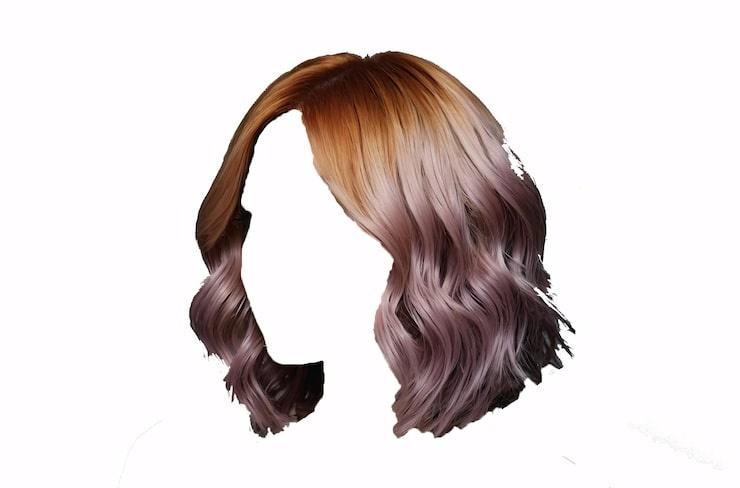
Writers optimizing for search should balance the keyword presence—use why do dagestanis wear wigs naturally across headings and body text—while prioritizing accurate detail and empathy. Include internal links to reputable sources on Dagestan’s ethnic diversity, Islamic modesty interpretations, and hair loss resources to build topical authority. Use structured headings (
, , ) and emphasize key phrases with tags. This helps search engines and readers navigate meaningfully.Summary: nuanced answers instead of simple explanations
To sum up, there is no single unified answer to why do dagestanis wear wigs. Reasons include religious practice and the interaction with head coverings, local customs around appearance and respect, fashion and identity, practical considerations for climate and convenience, and medical reasons like hair loss. Each individual’s decision is shaped by personal priorities and community contexts. Accurate understanding requires listening to diverse voices within Dagestan rather than applying a one-size-fits-all narrative.
Further reading and resources
For readers who want to go deeper, consider sources on Dagestan’s ethnic and linguistic landscape, Islamic jurisprudence on adornment and modesty, global studies of hair and identity, and medical literature on hair-loss solutions. Combining anthropological, religious, social and medical perspectives will give the most rounded insight.
Concluding thoughts
The simple search term why do dagestanis wear wigs opens a window into broader themes about how communities navigate identity, tradition, faith and modernity. Respectful, well-sourced discussion can transform curiosity into understanding and counteract reductive stereotypes. As you explore, prioritize nuance, local voices, and evidence over sensational assumptions.
FAQ
Frequently asked questions about wigs and cultural practice
- 1. Do most people in Dagestan wear wigs?
- No. There is significant diversity in how people present themselves. Wearing a wig is one of many options and is not universal.
- 2. Are wigs used for religious reasons?
- Sometimes. Wigs can be part of a strategy to achieve a modest silhouette under a headscarf or to conform to personal religious interpretations, but they are not a universally prescribed religious requirement.
- 3. Are there economic barriers to using wigs in Dagestan?
- Yes. Access to quality wigs and styling services varies by region and income. Urban centers typically offer more choices.
- 4. How can I respectfully ask someone about their hair practices?
- Ask politely and avoid presumptive language. Questions like “I’m curious about local hair traditions — would you mind sharing?” are better than invasive or judgmental phrasing.
End of article — this page aimed to address why do dagestanis wear wigs through multiple perspectives: cultural, religious, practical and medical. If you want deeper citations or localized interviews, consider academic ethnographies or contacting regional cultural centers for primary accounts.
) and emphasize key phrases with tags. This helps search engines and readers navigate meaningfully.Summary: nuanced answers instead of simple explanations
To sum up, there is no single unified answer to why do dagestanis wear wigs. Reasons include religious practice and the interaction with head coverings, local customs around appearance and respect, fashion and identity, practical considerations for climate and convenience, and medical reasons like hair loss. Each individual’s decision is shaped by personal priorities and community contexts. Accurate understanding requires listening to diverse voices within Dagestan rather than applying a one-size-fits-all narrative.
Further reading and resources
For readers who want to go deeper, consider sources on Dagestan’s ethnic and linguistic landscape, Islamic jurisprudence on adornment and modesty, global studies of hair and identity, and medical literature on hair-loss solutions. Combining anthropological, religious, social and medical perspectives will give the most rounded insight.
Concluding thoughts
The simple search term why do dagestanis wear wigs opens a window into broader themes about how communities navigate identity, tradition, faith and modernity. Respectful, well-sourced discussion can transform curiosity into understanding and counteract reductive stereotypes. As you explore, prioritize nuance, local voices, and evidence over sensational assumptions.
FAQ
Frequently asked questions about wigs and cultural practice
- 1. Do most people in Dagestan wear wigs?
- No. There is significant diversity in how people present themselves. Wearing a wig is one of many options and is not universal.
- 2. Are wigs used for religious reasons?
- Sometimes. Wigs can be part of a strategy to achieve a modest silhouette under a headscarf or to conform to personal religious interpretations, but they are not a universally prescribed religious requirement.
- 3. Are there economic barriers to using wigs in Dagestan?
- Yes. Access to quality wigs and styling services varies by region and income. Urban centers typically offer more choices.
- 4. How can I respectfully ask someone about their hair practices?
- Ask politely and avoid presumptive language. Questions like “I’m curious about local hair traditions — would you mind sharing?” are better than invasive or judgmental phrasing.
End of article — this page aimed to address why do dagestanis wear wigs through multiple perspectives: cultural, religious, practical and medical. If you want deeper citations or localized interviews, consider academic ethnographies or contacting regional cultural centers for primary accounts.
Summary: nuanced answers instead of simple explanations
To sum up, there is no single unified answer to why do dagestanis wear wigs. Reasons include religious practice and the interaction with head coverings, local customs around appearance and respect, fashion and identity, practical considerations for climate and convenience, and medical reasons like hair loss. Each individual’s decision is shaped by personal priorities and community contexts. Accurate understanding requires listening to diverse voices within Dagestan rather than applying a one-size-fits-all narrative.
Frequently asked questions about wigs and cultural practice
- 1. Do most people in Dagestan wear wigs?
- No. There is significant diversity in how people present themselves. Wearing a wig is one of many options and is not universal.
- 2. Are wigs used for religious reasons?
- Sometimes. Wigs can be part of a strategy to achieve a modest silhouette under a headscarf or to conform to personal religious interpretations, but they are not a universally prescribed religious requirement.
- 3. Are there economic barriers to using wigs in Dagestan?
- Yes. Access to quality wigs and styling services varies by region and income. Urban centers typically offer more choices.
- 4. How can I respectfully ask someone about their hair practices?
- Ask politely and avoid presumptive language. Questions like “I’m curious about local hair traditions — would you mind sharing?” are better than invasive or judgmental phrasing.
Related products
Blog
- how to wash wig at home step by step care guide for synthetic and human hair to keep it looking new
- Celeb hair secrets does robert redford wear a wig and what archived photos and stylist comments reveal
- How to Flatten Hair for Wig with Heat-Free Methods and Salon-Level Styling Tips
- does kim kardashian wear wigs - expert breakdown, photo evidence and hairstylist insights
- can i use eyelash glue for my wig 7 expert tips to keep your wig secure and damage free
- Can you dye fiber wig — step-by-step guide to coloring synthetic hair safely
- was bella wearing a wig in eclipse - What the Evidence Shows, On Set Photos and Expert Insight
- wigs.com Insider Review 2025 Best Human Hair Wigs Buying Guide Styling Tips and Exclusive Deals