
can you curl a synthetic wig - step-by-step guide to heat and heatless techniques, safety tips and best tools
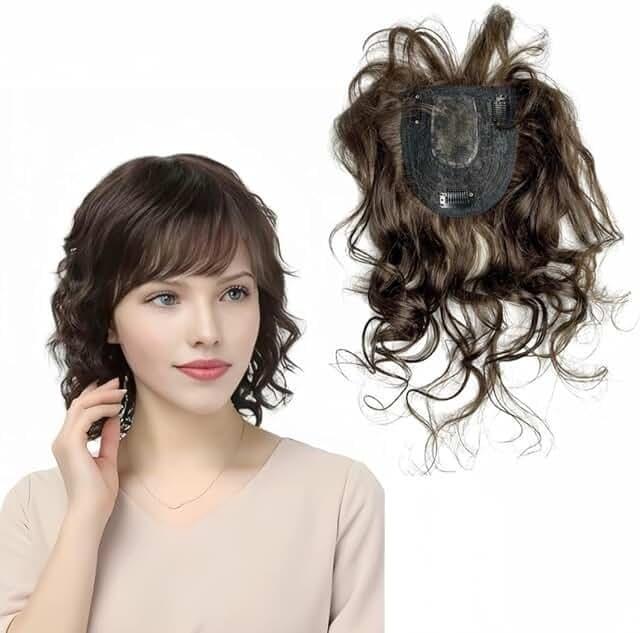
Can you curl a synthetic wig? A practical exploration
If you've ever wondered "can you curl a synthetic wig?" you're not alone. Many wig wearers want to add waves, curls or texture to a synthetic unit but worry about damage, melted fibers or short-lived results. This comprehensive, search-optimized guide explains both heat and heatless techniques, step-by-step instructions, safety tips, best tools, and aftercare so you can decide which approach suits your wig and lifestyle. Throughout this content you'll find actionable tips, troubleshooting advice, and clear reasons why certain fibers behave differently — all while keeping a healthy keyword distribution for discoverability like can you curl a synthetic wig used naturally across headings and paragraphs.
Understanding synthetic fiber types and heat tolerance
Not all synthetic wigs are created equal. The answer to "can you curl a synthetic wig?" depends first on fiber type. There are three common categories: basic acrylic/kanekalon blends, heat-resistant synthetic fibers, and premium heat-friendly fibers marketed as "heat resistant" or "heat safe." Identifying your wig's fiber will guide whether you can use hot tools or should stick to heatless styling.
How to tell if your wig is heat-safe
- Check the label or product page — many manufacturers list "heat resistant" and suggested maximum temperatures.
- Perform a strand test: pick an inconspicuous section at the nape, apply a low-heat quick press for a second, and watch for melting or gloss changes.
- If the fiber smells like burning or becomes sticky, stop immediately — it's not heat-safe.
When the fiber is heat-safe you can carefully use curling irons and wands; when it's not, choose heatless methods that create long-lasting texture without risking melt damage.
Tools and products: what to have ready
Essential tools for heat methods: a reliable adjustable-temperature curling iron or wand (preferably ceramic or tourmaline), heat protectant designed for synthetic hair, a fine-tooth comb, clips to section hair, microfiber towel or wig stand, and gloves or heat-resistant fingers for protection. For heatless techniques: foam rollers, flexi-rods, bendy rollers, ribbon or hair ties for braids, large velcro rollers, setting lotion designed for synthetics, and a spray bottle for dampening.
Recommended heat settings and devices
- Low-temp curling irons: start at 250°F (120°C) for heat-friendly synthetics, many heat-safe fibers tolerate up to 300°F (149°C) but always follow manufacturer guidance.
- Wands with smaller barrels create defined curls; larger barrels give loose waves. Choose one size based on desired look.
- Clipless wands can be faster but require careful wrapping to avoid burns.
SEO note: mentioning the phrase can you curl a synthetic wig in headings and descriptive content helps search engines connect user intent to this practical guide.
Heat method: step-by-step curling a heat-safe synthetic wig
If you've confirmed heat compatibility, follow these exact steps to curl safely and maximize curl retention.
- Prepare your workspace: Place the wig on a wig stand or mannequin head to stabilize it. Use a heat-resistant surface beneath. Gather tools within reach.
- Detangle: Gently comb the wig from ends to roots with a wide-tooth comb to avoid shedding or stretching the cap.
- Section: Clip hair into manageable sections (top, sides, back). Smaller sections create tighter curls; larger sections make waves.
- Protect: Lightly mist a synthetic-safe heat protectant formulated for synthetic fibers. Avoid heavy products that weigh down the fiber.
- Temperature check: Set your iron to the lowest effective temperature. For heat-friendly fibers begin at 250°F / 120°C and test a hidden strand for 1–2 seconds.
- Wrap technique: Wrap hair around the barrel in the desired direction. For classic curls wrap from the base to the tip, hold for 3–6 seconds, then release. For beachy waves, alternate wrap directions and leave ends out slightly for a lived-in look.
- Cool and set: Allow each curl to cool on the barrel or in your palm before releasing. This helps set the curl in synthetic fibers.
- Finish: Gently finger-comb or use a wide-tooth comb to break up curls. Apply a very light mist of synthetic-friendly hairspray or a shine spray formulated for synthetics.
Important: never use high temperatures or hold heat in one place for long. Synthetic fibers can go from styling to melting in a matter of seconds when temperatures are too high.
Common mistakes to avoid with heat styling
- Using human-hair irons at high temperatures on non-heat-friendly wigs.
- Applying heavy oils or silicones before heating — these can intensify heat absorption and cause burns.
- Rushing the cool-down stage — cold setting is critical for synthetic curls to lock in shape.
Heatless techniques: safe alternatives that last
The question "can you curl a synthetic wig?" has a confident answer even without heat — yes, with several excellent heatless options that are gentle and often hold longer on synthetic fibers.
Flexi rods and foam rollers method
Steps:
- Lightly mist the wig with warm water or use a setting spray designed for synthetics.
- Divide hair into sections and wrap each section around a flexi rod or foam roller, securing it snugly.
- Leave to dry completely — this can take several hours or overnight. Using a cool air dryer on low from a safe distance can speed this up without applying heat to fibers.
- Remove rods and style by gently separating curls with fingers. Use a light holding spray for longevity.
Braids, twists and pin-curls
These are ideal for waves and loose curls: braid dampened hair into several braids, sleep in them or let them set for many hours. For tighter curls use multiple small braids or pin-curl with bobby pins and a light setting product. Synthetic hairs often conform well to these shapes and retain memory long after human hair would relax.
Steam styling for heat-friendly synthetics
Steam can be a gentler thermal technique — using a handheld steamer to apply vapor at short range and then wrapping hair around a roller or curling wand (without applying direct iron heat) gives softer curls. This method requires caution: keep the steam moving and avoid prolonged concentrated exposure.
Maintaining curl longevity and restoring texture
To help curls last on synthetic fibers: sleep on a satin pillow or use a satin bonnet, avoid heavy brushing which can relax curl pattern, refresh curls with a water-spray and setting product, and store the wig on a stand to maintain volume. For daily wear, keep styling minimal and touch up only when needed.
Washing and conditioning without losing curl
When washing curly synthetic wigs use cool water and a gentle synthetic wig shampoo. Avoid rubbing; instead swish the wig and gently squeeze water through. Apply a specialized synthetic wig conditioner or a diluted leave-in conditioner, then blot dry with a microfiber towel and set the curls back on rollers or flexi rods until fully dry.
Troubleshooting and repair
If curls fall flat quickly: ensure the wig was fully set when cool/dry; a damp or warm curl will relax. Too stiff or crunchy: you may have used too much product — lightly mist with water and smooth with fingers. Shine loss or frizz: a small amount of silicone-based serum made for synthetics can reduce frizz but use sparingly.
Tip: Always keep a small "repair kit" for your wig: a fine-tooth comb, spare flexi-rods, a setting spray for synthetics, and a small spray bottle of distilled water.
Safety tips: protect the wig, protect yourself
- Always perform a strand test when unsure about heat.
- Use protective gloves when handling hot tools to avoid burns.
- Work in a well-ventilated space to avoid inhaling any fumes from heated synthetic products.
- Store heated tools safely and unplug immediately after use.
When you weigh the risks and rewards, a careful approach helps answer "can you curl a synthetic wig" with confidence — the answer is yes for heat-friendly fibers and yes with many durable, attractive results for heatless methods.
Best products and tools summary
- Adjustable ceramic curling wand with precise temperature controls.
- Heat protectant specifically labeled for synthetic hair.
- Flexi-rods and soft foam rollers for overnight setting.
- Lightweight, synthetic-friendly hairspray for hold.
- Detangling spray or leave-in conditioner formulated for synthetics.
Shopping tips

When buying tools aim for quality and temperature control. Avoid cheap irons that run hot or unevenly; the extra investment reduces the risk of irreversible damage to your wig.
Visual styling ideas and curl patterns
From tight ringlets to soft beach waves, synthetic wigs can achieve diverse styles. For vintage looks use small-barrel rods and pin-curl techniques; for casual waves choose wide-barrel heat methods or large flexi-rods. Mixing techniques — heatless overnight sets combined with a low-temp quick-pass through a wand — can finesse stubborn sections while minimizing exposure.
Long-term care and storage
To preserve curl patterns: avoid excessive friction, store on a head stand or in a box that prevents crushing, and periodically refresh with setting spray and re-roll as needed. If a wig becomes permanently misshapen or damaged after heat, consider professional restyling or replacing the unit; heavy melting or tangling is often irreversible.
Environmental and usage considerations
Humidity affects synthetic curls differently than human hair. Synthetic fibers tend to hold shape but may frizz in high humidity — using an anti-humidity spray designed for synthetics helps. For stage or costume use where frequent restyling isn't practical, choose styles and setting methods that offer the longest retention with the least daily manipulation.
Professional vs DIY styling
For expensive or bespoke units consider salon professionals experienced with synthetic fibers. They can recommend products, perform safe heat styling if the fiber allows, and create long-lasting results. For DIYers, practice on cheaper synthetic wigs first to build confidence.
Conclusion — practical takeaways
So, "can you curl a synthetic wig?" The short, accurate answer: yes — but only under the right conditions. If the wig is heat-friendly you can curl with low, controlled temperatures and strict technique; if not, heatless alternatives like flexi-rods, braids, and steam setting are safe, effective, and often longer-lasting on synthetic fibers. Prioritize identification of fiber type, always perform strand tests, and use tools and products specifically formulated for synthetic hair.
By combining proper preparation, patience during setting and cooling, and sensible aftercare, you can achieve beautiful curls and textures without damaging your wig. This guide emphasized both the "how" and the "why" so you can make informed styling choices — and remember to always protect your investment by avoiding unnecessary heat on non-heat-safe fibers.
Frequently Asked Questions
- Q: How many times can I heat-style a heat-friendly synthetic wig?
- A: Limit heat styling to avoid fiber fatigue. If you must restyle often, keep temperatures low, avoid consecutive daily heat sessions, and give the wig time to recover between styles.
- Q: What if my synthetic wig smells after heat styling?
- A: A slight scent immediately after styling can be normal, but a strong burned or chemical smell indicates overheating — stop using heat and inspect for damage. Replace the unit if fibers have melted.
- Q: Will curls last after washing?
- A: They can if you reset the curls while the wig is damp. Wash with care, then re-roll on flexi-rods or rollers and allow complete drying before removing.
- Q: Can I mix human hair and synthetic hair in one style?
- A: This can be tricky because of different heat tolerances and textures. If the mix is part of a mixed-fiber wig, follow the lowest heat tolerance and use gentle setting methods to maintain consistency.
This guide should equip you with the knowledge to answer your own version of "can you curl a synthetic wig" and to choose techniques that keep your wig looking salon-fresh while ensuring longevity and safety. Experiment carefully, document settings and products that work for your specific fiber, and enjoy the creative freedom that styling provides.
Related products
Blog
- what do i need for a lace wig install and 10 essential tools for a flawless application
- How to Spot a Bad Wig Before You Buy and Simple Fixes to Save It
- does diana ross wear a wig the truth about her legendary hairstyles and stage looks
- how old is carolyn wiger revealed A complete age breakdown birthdate timeline and career highlights
- are wigs covered by insurance for cancer patients - a practical guide to coverage, documentation and reimbursement
- do you wear wigs guy answered by stylists and barbers with real tips
- did michael jackson wear wigs A closer look at the evidence behind his changing hairstyles and stage persona
- do you wanna taste it wig wam A playful guide to the viral treat with reviews tips and where to try it