
when will you wear wigs — practical questions and real-world answers
This comprehensive guide explores in detail when will you wear wigs, not as a single rigid rule but as a set of practical, style-forward, and confidence-building choices. Whether you are curious about occasional use for events, daily wear for convenience or medical reasons, or experimenting with looks, this resource covers occasions, styling guidance, maintenance, and psychological tips designed to help you decide when will you wear wigs and how to wear them well.
Why people choose wigs: motivations that shape timing
Understanding motivations helps answer when will you wear wigs in a meaningful way. People reach for wigs for many reasons: rapid style change, protective styling, hair loss from medical treatments, thinning hair, busy lifestyles, stage performances, cultural or religious observance, or seasonal adjustments. Each motivation implies different timing. For example, if your priority is convenience on hectic weekdays, you may choose to wear wigs daily; if you want a dramatic look for a photoshoot or wedding, you might wear them only for special occasions. Below we unpack common occasions and give practical recommendations so you can craft your own schedule of use.
Key occasions to consider
- Special events and ceremonies: Weddings, galas, award nights, graduations, and formal photography sessions are classic reasons to wear a wig. These are times when you want a polished, predictable silhouette that performs under lights and lenses.
- Work and professional life: If your job requires consistent presentation — television, public speaking, client-facing roles — wearing a wig can simplify daily prep and ensure a camera-ready finish.
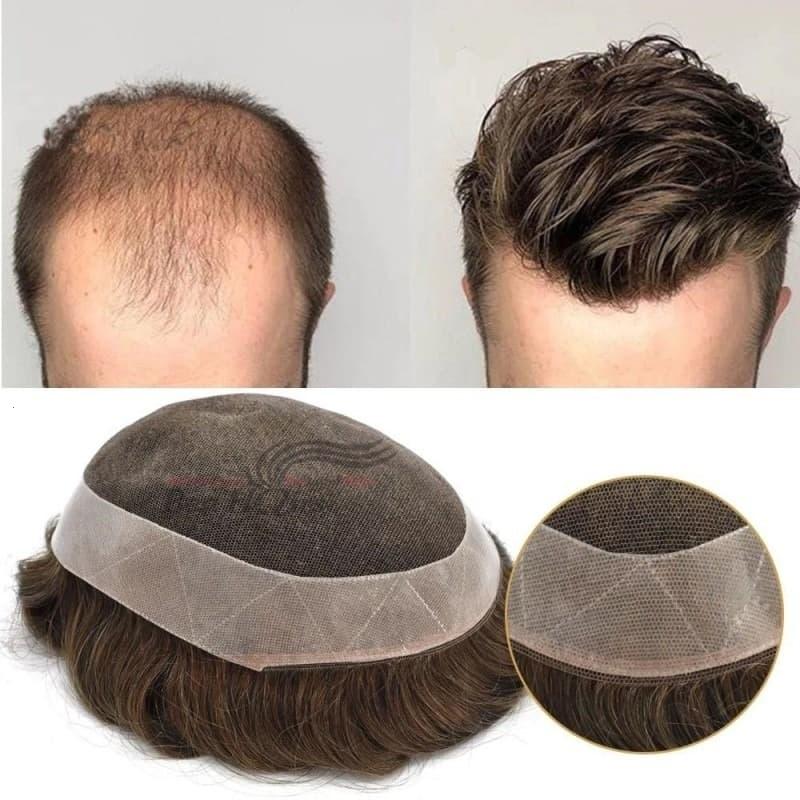
- Medical needs: Chemotherapy, alopecia, or other conditions often lead to wearing wigs for the majority of the day. Comfort, breathable caps, and skin-friendly adhesives become critical when physical needs are the primary driver.
- Protective styling and hair recovery: Use wigs to protect fragile natural hair while growing it out. In these cases, wearing wigs more often (daily or several times a week) supports recovery by reducing manipulation and heat styling.
- Experimentation and trend testing: Want to test a bold color or a dramatic cut without commitment? Wigs are ideal. You might wear them sporadically — evenings out, weekends, or fashion events.
- Seasonal or thematic dressing: Short, lightweight wigs in summer; fuller, warmer textures in winter; and thematic wigs for holidays or cosplay.
- Travel and convenience: Long-haul travel, destination weddings, or festivals where packing multiple styling tools is impractical — wigs offer a pre-styled, low-effort solution.
- Performance and creative work: Actors, drag artists, and performers often switch wigs multiple times per show or rehearsal to convey characters or moods.
Practical decision matrix: when will you wear wigs?
The following decision matrix helps you pick occasions and frequency. Consider three axes: comfort/physical need, aesthetic change, and practicality/time. Map your primary axis and you'll know whether to adopt daily, weekly, or occasional wig use.
High comfort need + high practicality: Daily wear (medical or protective reasons).
High aesthetic change + moderate practicality: Occasional wear for events, shoots, or nights out.
Moderate need + low time: Weekly rotations for style variety without daily maintenance.
Examples of schedules
- Medical daily schedule: breathable cap wigs, lightweight fibers, daily cleaning routine, and two backup wigs for rotation.
- Event-focused schedule: one premium lace-front wig reserved for ceremonies and parties; stylist trimming and prepping before use.
- Creative hobbyist schedule: three wigs for weekend cosplay or social events, stored on stands and swapped as moods change.
Choosing the right wig for the occasion
Material, cap construction, and style determine comfort and realism. When deciding when will you wear wigs, choose materials that match the duration and intensity of use: human hair for heat styling and longevity; high-quality synthetic for low-maintenance, pre-styled convenience; heat-friendly synthetics when occasional styling is needed. Cap types — monofilament, lace front, full lace, and traditional caps — affect breathability and natural hairline appearance. For long days or medical needs, prioritize breathable caps and adjustable bands. For photoshoots, lace fronts or full-lace constructions provide the most realistic hairlines and parting versatility.
Styling and blending tips for a natural result
One of the most frequent practical concerns when answering when will you wear wigs is how natural the wig will look. Follow these styling and blending tips: use a wig-specific brush or wide-tooth comb; trim lace fronts professionally or with caution to avoid jagged edges; use adhesive or wig tape only when necessary and with proper skin testing; blend hairlines with baby hairs or hand-tied lace; and match wig density to your natural hair density for seamless integration. When using dark or heavily textured wigs, adjust makeup tones and eyebrow grooming to create balance.
Face shape and style matching
Choosing styles that flatter face shapes makes wigs feel more like a natural choice than an accessory. For round faces, choose longer layers and side parts; for square faces, soften with waves and texture; for oval faces, most styles work, so focus on your preferred aesthetic; for heart-shaped faces, volume at jawline or chin-length cuts create balance. Consider necklines and outfits too — certain collar shapes pair better with specific wig lengths and silhouettes.
Practical application: step-by-step for an event
Use this checklist when planning to wear a wig for a specific event. This will help answer the question when will you wear wigs with clarity and reduce last-minute stress:
1) Choose the wig at least 48–72 hours before the event.
2) If necessary, arrange for a professional stylist to customize the cut and lace.
3) Do a trial run with your outfit and makeup; take photos under different lighting.
4) Prepare wig-friendly accessories: pins, cushion pads, and adhesive remover.
5) Pack a small repair kit: needle and thread, extra tape, and a travel-size wig spray.
6) At the event, use discreet pins and gentle adjustments — minimal fuss ensures confidence.
Daily wear considerations: comfort, sleep, and hygiene
If your decision for when will you wear wigs involves daily use, consider sleep and hygiene rules: sleep with a silk or satin cap to reduce friction; avoid sleeping in glued lace unless advised by a professional; rotate wigs to reduce extended wear on a single piece; wash wigs on a regular schedule depending on activity levels — roughly every 10–20 wears for synthetic and every 7–14 wears for human hair, or sooner if exposed to sweat or styling products. Maintain scalp hygiene with gentle, non-irritating cleansers if wearing wig caps often.
Maintenance and longevity
Maintenance routines are central to long-term comfort and appearance. Keep synthetic wigs away from high heat and store them on stands to avoid tangling. For human-hair wigs, schedule salon deep-conditioning treatments just like natural hair. Use specialized products: sulfate-free shampoos for human hair, and silicone-free conditioners for synthetic blends that can tolerate them. Replace worn elastic bands and clean clips to ensure secure fits. Proper storage — breathable bags or stands — protects shape. These practices inform the pragmatic aspects of when will you wear wigs: the more care you commit, the more frequent and reliable your usage can be.
Psychological and confidence tips
Wearing wigs can shift identity cues. The question when will you wear wigs is often answered by evaluating emotional readiness and desired identity expression. Start with low-stakes trials: at home or with supportive friends. Use mirror practice and take photos in different lighting to become comfortable. Pair your wig with outfits that make you feel anchored; consistent color palettes and signature accessories can help the new hair feel like a part of your personal brand. Consider a short mindfulness or affirmations routine before stepping out; many users report that a simple five-minute grounding ritual increases confidence dramatically.
Handling social interactions and questions
Decide how public you want to be about wearing wigs. Some people prefer to be transparent, others prefer privacy. Create a short response for curious acquaintances — a phrase that sets your comfort level. For example: “I love trying different styles,” or “It’s part of my beauty routine.” Preparing a script reduces stress and lets you control the narrative around when will you wear wigs.
Budgeting and sourcing
Budget influences frequency. High-quality human-hair wigs last longer but cost more upfront. Synthetic wigs are affordable and excellent for fast style changes. For occasional wear, invest in one reliable piece that looks realistic; for frequent wear, build a small rotation of mid-range pieces to extend life and maintain hygiene. Shop both online and local boutiques; when possible, try wigs on in person to evaluate comfort and color match. Ask about return policies and repair services — a small local wig shop can be invaluable for adjustments and maintenance.
Practical accessories that expand occasions
- Headbands and scarves: Transform a basic wig into multiple looks for travel or daily variety.
- Clips and combs: Secure wigs confidently during movement or exercise.
- Wig liners and caps: Improve hygiene and comfort for long wear.
- Adhesives and tapes: For active or windy conditions, choose skin-friendly medical adhesives and test before prolonged use.
- Stand and storage solutions: Preserve shape and streamline morning routines.
Seasonal considerations and care
Seasons affect your choices for when will you wear wigs. In humid summer months, choose lighter densities and breathable cap constructions; in winter, thicker textures and heat-resistant caps feel cozier and reduce cold exposure for the scalp. During vacation or outdoor festivals, pack a lightweight, low-maintenance wig for easy swaps rather than risking damage to a treasured piece.
Specialty cases: sports, sleeping, and water activities
For sports and active lifestyles, opt for snug-fitting caps, secure combs, or semi-permanent attachment methods applied by a professional. For water activities, use swim caps and consider silicone-based swim wigs designed to resist chlorine or saltwater. Generally, avoid prolonged water exposure unless the wig is explicitly designed for it. For sleeping, a soft cap and a short loose style are preferable — avoid heavy extensions or large volume styles that may tangle or strain attachment points overnight.
Customization and personalization
When deciding when will you wear wigs, personalization makes the difference between wearing a hairpiece and wearing a version of yourself. Color melting, balayage, natural root shading, and hand-tied sections add realism. Commission a stylist to add baby hairs, trim the wig to flatter your face, and thin or densify certain areas for better parting and movement. Small customizations pay off in realism and comfort, making wigs feel like a dependable part of your wardrobe across more occasions.
Environmental and ethical considerations
If you care about sourcing, ask suppliers about human-hair provenance, labor practices, and synthetic material lifecycles. Sustainable choices may influence how often you purchase new pieces and consequently your plan for when will you wear wigs. Responsible care and rotation extend lifespan and reduce waste.
Common mistakes to avoid
- Choosing a wig without trying colors in your natural lighting — the wrong tone can feel unnatural in daylight.
- Using adhesives without a patch test — skin reactions are preventable.
- Neglecting maintenance — a neglected wig ages quickly and undermines confidence.
- Over-gluing lace fronts for temporary use — this can damage both the lace and your skin.
- Ignoring scalp health — keeping the scalp clean and moisturized supports long-term comfort.
How to transition between natural hair and wigs
Transitioning can be gradual. Start by integrating wigs for specific days of the week, then increase frequency according to comfort and lifestyle benefits. Use gentle styles that mirror your natural texture to create a subtle transition. If you plan a full switch due to medical treatment or a protective regimen, pre-plan a rotation and care schedule to avoid surprises.
Checklist: ask yourself before wearing a wig
- Is the wig comfortable for the expected duration?
- Does it match the intended outfit and lighting conditions?
- Have I prepared accessories and a repair kit?
- Is the color and parting natural enough for close-up interactions?
- Do I have a backup plan if an adjustment is needed mid-day?
Final thoughts and empowerment
Ultimately, the answer to when will you wear wigs is personal. Use the frameworks in this guide to make decisions that fit your life. Experiment without pressure, maintain your pieces carefully, and cultivate small rituals to feel assured each time you step out. Wigs can be an extension of identity, a convenience, a protective strategy, or a creative playground — and that versatility is their greatest strength.
FAQ
- How often should I wash my wig if I wear it daily?
- For daily wear, aim to wash a human-hair wig every 7–14 wears and a synthetic wig every 10–20 wears. Adjust based on sweat, products, and environmental exposure.
- Can I style synthetic wigs with heat tools?
- Only use heat on wigs labeled heat-friendly or heat-resistant and follow manufacturer temperature guidelines. When in doubt, opt for steam or low heat, and test a small, hidden section first.
- Is it okay to sleep in my wig?
- It’s usually best to remove glued lace fronts before sleeping. For non-glued wigs, sleep with a satin cap and in a loose style to minimize tangling and strain.

Key phrase reminder: answer your own question of when will you wear wigs by aligning occasions, materials, and emotional readiness. With planning and proper care, wigs become reliable allies in both daily life and special moments.