
how to brush out a wig step by step tutorial with pro tips for smooth tangle free results
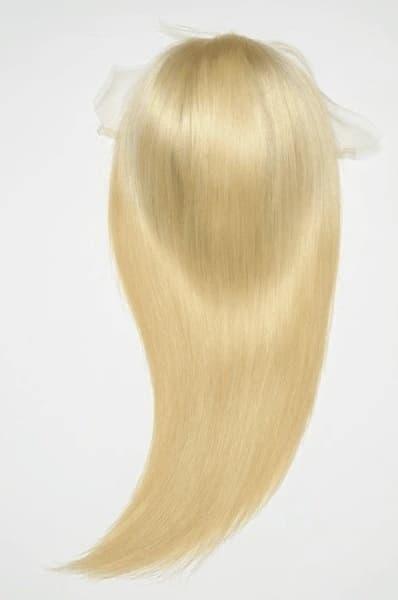
Professional Guide: Gentle Techniques to Lift Tangles and Preserve Shape
If you're searching for practical, step-by-step instructions on how to brush out a wig and want pro-level, tangle-free results, this comprehensive guide walks you through every stage — from tools and preparation to advanced finishing touches. Whether you wear synthetic or human-hair wigs, a regular, careful routine will prolong the life of your piece and maintain a salon-fresh look. This article focuses on best practices, common mistakes to avoid, and product recommendations so you can confidently detangle and style without causing unnecessary shedding or damage.
Why proper brushing matters
Brushing a wig correctly isn't just about appearance. Proper technique prevents excessive shedding, preserves style memory in synthetic fibers, keeps lace fronts and hand-tied caps intact, and minimizes tangling at the nape and hairline. Many people wonder how to brush out a wig without harming it; the secret is patience, sectioning, and the right tools — not brute force.
Key benefits of a correct brushing routine
- Reduces matting and knot formation
- Minimizes fiber breakage and hair loss
- Maintains natural movement and shine
- Extends the lifespan of both synthetic and human-hair wigs
- Preserves lace, clips, and cap seams
Essential tools and products for detangling
Before you start learning how to brush out a wig, gather these items: a wig stand or mannequin head, breathable clamp or wig holder, wide-tooth comb, loop brush or soft-bristle brush specifically for wigs, detangling spray or leave-in conditioner formulated for wigs, microfiber towel, clips for sectioning, and a spray bottle with water. For human-hair wigs you may also want heat protectant and a flat iron or blow dryer with a diffuser. For synthetic wigs, avoid high heat unless the wig is heat-friendly.
Recommended brushes and combs
- Wide-tooth comb: Best for initial detangling from ends to mid-lengths.
- Loop brush or rubber-tipped bristle brush: Gentle for synthetic fibers and less likely to pull hair from the cap.
- Soft paddle brush: For smoothing larger sections after initial detangling.
- Pin tail comb: Useful for sectioning and dealing with tight knots near the lace/front.
Step-by-step process: how to brush out a wig like a pro
The following methodical workflow minimizes stress on the wig while delivering smooth, tangle-free hair. Remember: always start from the tips and work upward toward the roots.
Step 1 — Secure and prepare
Place the wig on a stable wig stand or mannequin head, securing it with pins if necessary (for lace-front wigs, use the clips or ties to keep the hairline accessible). Lightly mist the wig with water or a wig-safe detangler — avoid saturating the base. For synthetic wigs, use products labeled for synthetic fibers. For human hair, a light leave-in conditioner works well. This step reduces static and makes fibers more pliable for brushing.
Step 2 — Section strategically
Divide the hair into manageable panels using hair clips: start with the bottom layer near the nape, then middle sections, and finally the crown and bang area. Smaller sections make it easier to address knots without pulling on other strands. Sectioning is one of the core steps in learning how to brush out a wig safely.
Step 3 — Detangle from the ends
Using a wide-tooth comb or your fingers, gently comb through the ends of the first section. Use short, gentle strokes and hold the hair a few inches above the area you're combing to avoid tugging at the cap. Gradually move the comb upward as knots give way. Never attempt to rush this step by pulling from the roots — always work from ends to roots.
Step 4 — Use a loop brush or soft-bristle for mid-lengths and crown
After the ends are free of major tangles, switch to a loop brush or soft-bristle brush to smooth through mid-lengths and lift any remaining minor tangles. For wigs with layered cuts, be mindful to follow the grain of the cut and avoid cutting across layers aggressively.
Step 5 — Finishing the roots and hairline
Handle the roots and hairline with extra care. For lace-front wigs, use a fine-tooth comb only if absolutely necessary and never pull directly on the lace. If the hairline is fragile, use your fingers or a soft brush to gently ease tangles. Consider a protective styling spray to lock in softness and reduce flyaways.
Tips per wig type: synthetic vs human hair
Different fibers require different approaches. Learning how to brush out a wig depends on fiber type, cap construction, and style.
Synthetic wig tips
- Always use products specified for synthetic fibers.
- Avoid heat unless the wig is heat-friendly; use cold water and silicone-free detanglers.
- Store on a stand to reduce tangles, especially if the wig is long or layered.
- For curly synthetic wigs, finger detangling and styling with curl-friendly sprays preserves curl shape better than brushing.
Human-hair wig tips
- Human hair can be treated like your natural hair but is still attached to a cap and can shed if mistreated.
- Use heat protectant when applying hot tools and avoid high temperatures near the cap stitches.
- Condition deeper and more often — a weekly gentle mask helps maintain elasticity and reduces tangles.
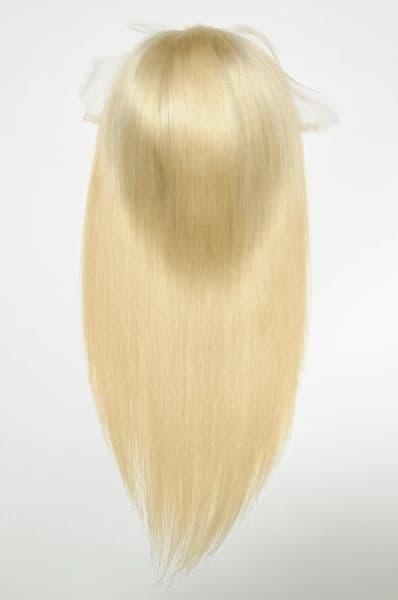
Damage-control strategies and common mistakes
Brushing incorrectly causes breakage, loose wefts, and thinning near the part. Avoid these common errors: brushing when the wig is dry and matted, using a fine-tooth comb on tightly tangled sections, tugging near the clips or lace, and using household brushes not designed for wigs. If you encounter a stubborn knot, use a dab of wig-safe conditioner and let it sit for a few minutes rather than forcing the knot out.
How to treat severe matting
If a section is heavily matted, apply a concentrated detangler or glycerin-based spray, then gently work in with fingertips. For synthetic wigs: sometimes the best option is to carefully trim a small matted area if the knot is unresolvable. For human-hair wigs, a professional wig stylist can often salvage the piece with reconditioning and re-knotting techniques.
Maintenance schedule: how often to brush
The frequency of brushing depends on usage and wig type. For daily wearers, a quick gentle brush through at the start and end of the day keeps tangles minimal. For long wigs or those used during windy outdoor activities, more frequent detangling is recommended. Curly wigs require less brushing and more finger styling to preserve curl definition. Remember: over-brushing can accelerate shedding, so balance is key when learning how to brush out a wig effectively.
Storage and travel best practices
Store wigs on stands to keep shape and minimize tangling. When traveling, use a breathable wig travel bag, loosely braid long wigs or use a silk bag, and avoid compressing the cap. Carry a compact wide-tooth comb and a small spray bottle with detangler to manage tangles on the go.
Pro-level finishing touches
After detangling, style as desired with a light mist of wig-safe shine spray or anti-static solution. For human-hair wigs, finish with a low-heat blow-dry or flat iron at a controlled temperature using a heat protectant. For lace-front edges, use a toothbrush and a little product to define baby hairs without pulling from the lace. A final pass with a soft brush smooths the surface for a natural finish.
Professional tips many beginners overlook
- Label products: keep separate products for synthetic vs human-hair wigs to avoid cross-contamination.
- Use tension control: hold a section near the cap to stabilize the fiber while detangling lower down.
- Embrace finger detangling for delicate knots — fingers are gentler than tools.
- Rotate styles and avoid heavy updos that stress the cap and wefts.
Troubleshooting: when the wig sheds a lot after brushing
If you notice increased shedding, inspect the cap: some shedding is normal, but large clumps indicate improper brushing or cap damage. Reduce tension, switch to a softer brush, avoid combing near the weft stitching, and consult a wig repair specialist if the base is compromised. Using too much conditioner can loosen knots in hand-tied caps, so use sparingly.
Eco- and fiber-friendly product suggestions
Choose silicone-free, alcohol-free detanglers for long-term fiber health. For synthetic pieces, look for anti-static agents and silicone oils designed for plastics; for human hair, choose sulfate-free detergents and nourishing leave-in conditioners with natural oils. Avoid petroleum-based products near the cap seams, as they can attract dust and degrade adhesives.
Quick daily checklist for tangle-free wear
- Gently shake out the wig before placing it on your head.
- Lightly mist detangler and finger-comb major tangles.
- Style with soft brushes and low heat if necessary.
- At day's end, detangle from ends to roots and store on a stand.
Summary: master the technique
Knowing how to brush out a wig is about technique, the right tools, and consistent care. Start with small sections, detangle gently from the tips to the roots, choose brushes suitable for the fiber type, and treat lace-front or hand-tied bases with extra care. With these habits, you can keep your wig looking fresh, reduce unnecessary replacement costs, and enjoy long-term wear with salon-quality results.
Want to further refine your approach? Experiment with section sizes, different brushes, and leave-in formulas until you find a little ritual that preserves both the look and the life of your wig. Proper care transforms the chore of detangling into a simple, satisfying routine that keeps your wig looking its best.
FAQ
How often should I brush my wig?
Lightly brush daily if you wear the piece every day; deep detangling once or twice a week is usually enough. For curly or textured wigs, minimize brushing and focus on finger-styling.
Can I use my normal hairbrush on a wig?
It's not recommended. Household brushes can be too harsh and increase shedding. Use brushes designed for wigs: wide-tooth combs, loop brushes, and soft-bristle paddles.
What's the safest way to deal with stubborn knots?
Apply a wig-safe detangler, let it sit, use fingertips to loosen, then gently comb from the ends upward. For severe matting, seek professional help or consider carefully trimming a tiny area.
Related products
Blog
- Top Tips for Buying a Blonde Lace Front Wig in 2025 for Natural Style and Easy Care
- Long white wig trends 2025 - ultimate guide to choosing and styling a long wig white for natural volume
- short curly wigs guide - top styles, styling secrets, care tips and best places to buy
- How to Secure a Wig - 12 Proven Techniques for a Natural All-Day Hold
- where did wigs come from Discover the surprising origins and evolution of wigs from ancient Egypt to modern fashion
- are wigs uncomfortable? Real reasons and simple solutions for a comfy all day fit
- 10 Easy Steps to Learn how to install a wig for beginners and Achieve a Flawless Look
- how to fit hair under a wig step by step for a secure natural look even beginners can master