
Understanding what is a wig cap and why it matters
If you've ever wondered what is a wig cap and how it influences both comfort and style, this comprehensive guide will clarify the basics, walk you through types and materials, and give practical steps to choose the perfect cap for your needs. A wig foundation is more than a mere underlayer; it defines fit, breathability, security, scalp health, and the overall silhouette of a wig. In short, identifying what a wig cap does and which one suits your lifestyle helps you look better and feel more comfortable all day long.
Quick definition and purpose
In simplest terms, a wig cap is a lightweight head covering worn beneath a wig. It serves several purposes: it creates a smooth base for wig fibers, protects natural hair, prevents slipping, improves hygiene by absorbing oils, and can shape the wig's appearance. Many wearers use a cap to flatten natural hair, conceal varying hair lengths, and create a neutral canvas that helps a wig sit as intended. Understanding what is a wig cap means appreciating these practical functions as well as the aesthetic ones.
Common materials and how they affect comfort
Wig caps come in a variety of materials, each with distinct pros and cons. Knowing the options helps you answer the critical question of comfort vs. style.
- Mesh/Sheer Nylon: Lightweight and breathable, these caps allow air flow which reduces sweating. Ideal for warm climates and long wear. They can be slightly slippery but often provide a smooth surface for wigs to adhere to.
- Stretchy Cotton/Modal Blends: Soft against the scalp, hypoallergenic, and comfortable for sensitive skin. These tend to be thicker, providing warmth in cooler seasons but can be less breathable.
- Silicone Grip Bands: Not a cap material per se, but silicone strips or bands are added to help secure a wig. They boost security without adding bulk.
- Lace: Used in lace front and full lace wigs; lace caps mimic a natural hairline and scalp. Lace can be delicate and requires proper care but offers unmatched realism.
- Mesh with Elastic: A balance between structure and comfort—elastic edges help retain shape while mesh promotes ventilation.
Types of wig caps and when to choose each
Knowing what is a wig cap also means recognizing common cap styles and their ideal use cases.
- Standard/Basic Cap: Often machine-made, these are budget-friendly and work for everyday, casual wear. Choose if you need a simple, lightweight base.
- Monofilament Cap: Features a hand-tied section where strands appear to grow from the scalp. Best for realistic parting and for people with thinning hair who need a natural look.
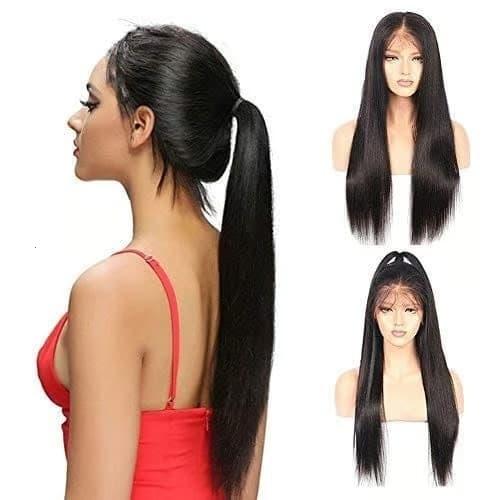
- Lace Front Cap: Delivers a natural hairline; ideal if you plan to style the wig away from the face or want undetectable edges.
- Full Lace Cap: Provides ultimate styling versatility—can part anywhere and be worn in updos. Choose when prioritizing style over price and ease of use.
- Capless (Open Weft): Constructed for volume and breathability. Great for hot climates or long-term indoor wear, but may show more weft lines under thin wigs.
- Bubble Caps: Designed for those with a lot of hair to tuck; create extra space inside the cap for bulkier natural hair.
Sizing, measurement, and fit tips
Accurate sizing is crucial. Typical wig cap sizes include petite, average/medium, and large. To measure: use a soft tape measure, start at the hairline center, run it across the forehead to the nape and back to the starting point, maintaining snug but not tight tension. Compare the circumference to manufacturer charts. If you still ask what is a wig cap in relation to fit, remember that adjustable straps, combs, and elastic bands can fine-tune tightness, while larger caps or bubble caps accommodate thicker hair.
Common fit concerns and fixes
Problems and solutions:
- Slipping: Use grip bands, wig tape, or a smaller size.
- Tightness: Try a larger size or remove hair tension by loosening braids; consider stretchier materials.
- Itchiness: Opt for breathable cotton blends; pre-wash the cap to remove manufacturing residues.
- Visible edges: Choose lace fronts or trim edges carefully; style baby hairs to hide lines.
How the cap affects wig styling and silhouette
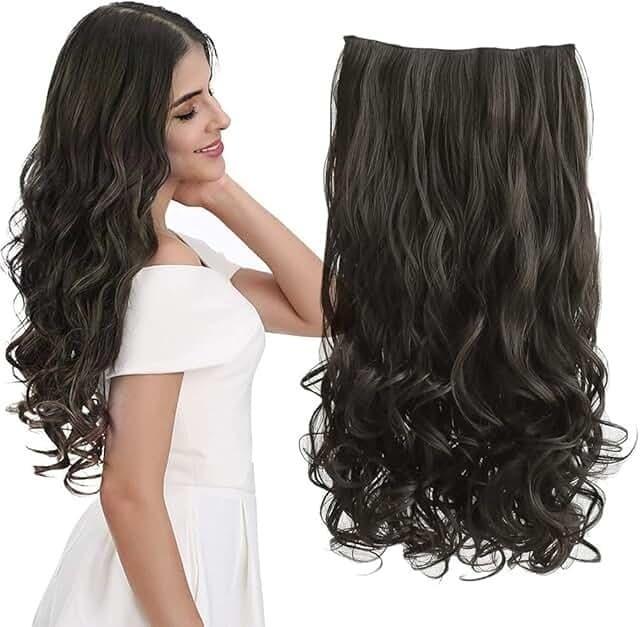
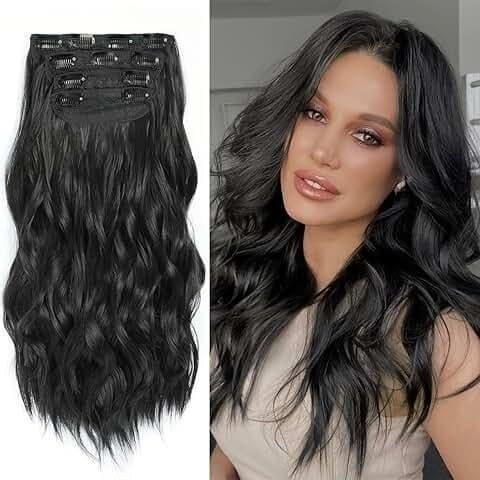
The cap's construction influences how hair fibers fall and where the parting looks natural. A smooth, low-profile cap prevents bumps and gives a sleek silhouette. Monofilament and lace caps offer realistic scalp appearance, allowing styling close to the face with confidence. For voluminous styles, capless designs can enhance bounce and body.
Choosing for special needs: medical, active, or fashion
Different lifestyles require different cap priorities.
- Medical and Sensitive Scalp: Select soft, hypoallergenic fabrics (cotton, bamboo blends). Lace may irritate if not applied carefully; monofilament offers gentler wear.
- Active/Living an Athletic Life: Breathability and secure fit matter most. Look for moisture-wicking materials, strong silicone grips, and capless breathability.
- Fashion-Forward Styling: For dramatic looks and frequent restyling, choose lace front or full lace to simulate natural hairlines and allow diverse parting and updos.
Visual cues that a cap is the wrong or right choice
If the wig appears lumpy, the cap is likely too small or your natural hair isn’t smoothed down. Visible wefts or unnatural part lines suggest the wrong cap type—consider lace or monofilament. A secure, seamless look with natural parting means your cap choice is correct. Comfort is also a visual cue: frequent adjusting, red marks, or persistent itchiness indicate a need for a different material or fit.
Practical buying guide and checklist
When shopping, use this checklist to make a smart selection:
- Measure head circumference accurately.
- Identify primary priority: realism, comfort, or ventilation.
- Consider hair type and amount—bubble caps for bulk, sleek caps for fine hair.
- Check whether lace is pre-bleached or pre-plucked for realistic hairlines.
- Look for adjustable straps and combs for extra security.
- Read care instructions—some caps require delicate handling.
- Compare warranty and return policies; fit is personal so returns can be necessary.
How to wear a wig cap comfortably: step-by-step
Wearing a cap correctly ensures a better experience. Follow these steps for a comfortable, natural fit:
- Brush and flatten your natural hair—braids or small twists work well.
- Place the cap on from forehead to nape, tucking any loose hair along the edges.
- Smooth the cap to remove bumps and ensure uniform coverage.
- Secure with adjustable straps or small clips if the cap includes them.
- Try on the wig gently, aligning the front and adjusting until the hairline looks natural.
Maintenance: cleaning, storing, and extending lifespan
Caps need care like wigs do. For most fabric caps, hand-wash with gentle detergent, rinse thoroughly, and air dry. Avoid heat sources. Store flat or on a mannequin head to preserve shape. For lace components, handle gently to prevent tearing. If a cap has silicone grips or elastic, check periodically for wear and replace when elasticity fails to maintain secure fit.
Common myths debunked
There are misconceptions about caps; here are a few clarifications:
- Myth: A wig cap always causes hair loss. Fact: A properly fitted, breathable cap reduces friction and can actually protect hair when worn correctly.
- Myth: All lace is uncomfortable. Fact: Quality lace is soft and breathable; discomfort often results from improper application or adhesives, not the lace itself.
- Myth: One size fits all. Fact: Caps come in sizes and shapes; custom or adjustable options are better for optimal fit.
Budgeting: costs and value considerations
Price ranges vary: basic caps are inexpensive, while monofilament and lace constructions cost more due to hand-tied sections and delicate materials. Evaluate long-term value—better caps may last longer and improve wig longevity. If you wear wigs daily, investing in higher-quality caps often pays off in comfort and realism.
How designers and wigmakers think about caps
Professionals design caps to balance realism and durability. Costume designers might prioritize ease and cost, while theatrical and medical wigmakers often choose custom caps with an emphasis on comfort and scalp safety. When consulting a wigmaker, describe your daily routine and style goals so they can recommend the best cap type.
Checklist: Choosing the perfect cap for comfort and style
Use this succinct checklist when evaluating options: fit (measure), material (breathability & sensitivity), cap type (lace vs capless vs monofilament), adjustability (straps & combs), and care instructions. Also consider intended use—daily wear, special events, sports, or hair loss management.
Real-life scenarios and cap recommendations
Scenario examples:
- Hot climate commuter: Choose capless or mesh for ventilation.
- Sensitive scalp patient: Opt for soft cotton/modal and monofilament for natural parting without irritation.
- High-fashion enthusiast: Choose lace front or full lace to experiment with styling and hairline customization.
- Active athlete: Secure with silicone bands or adhesive and pick moisture-wicking fabrics.
Styling tips to complement your cap choice
Styling considerations differ by cap: lace fronts allow parting the hair and creating realistic edges; caps with extra volume suit big, dramatic hairstyles; low-profile caps support sleek, close-to-the-head looks. When styling wigs over caps, use lightweight styling products to avoid residue buildup on the cap, and always test products on a small area first.
To summarize, understanding what is a wig cap is the first step to choosing a foundation that balances comfort, practicality, and style. Material, fit, cap construction, and your daily routine all play critical roles in finding the right match.
Where to buy and what to ask the seller
Buy from reputable retailers or specialized wig boutiques. Ask about return policies, material details, and whether the cap includes adjustable features. If buying online, check sizing charts carefully and read customer reviews to assess real-world comfort and durability.
Final considerations before committing
Decide what you prioritize: realism (laced/monofilament), comfort (cotton/modal/mesh), or ventilation (capless). Factor in the climate, your activity level, and whether you plan to style frequently. A considered investment in the right wig cap will pay off by improving both appearance and comfort.
FAQ
A: For daily wear, washing every 1-2 weeks is common; if you sweat a lot or use styling products frequently, consider washing weekly. Always follow care instructions.
Q: Can a wig cap prevent wig slippage?A: Yes—proper sizing, silicone grip strips, adhesives, and combs can all reduce slippage. Combination approaches often work best.
Q: Is lace suitable for sensitive skin?A: High-quality lace is fairly gentle, but for very sensitive scalps, soft cotton or monofilament may be preferable. Patch test if you’re unsure.