
how to straighten wig with flat iron safely and smoothly — step by step pro tips for heat protection and lasting shine
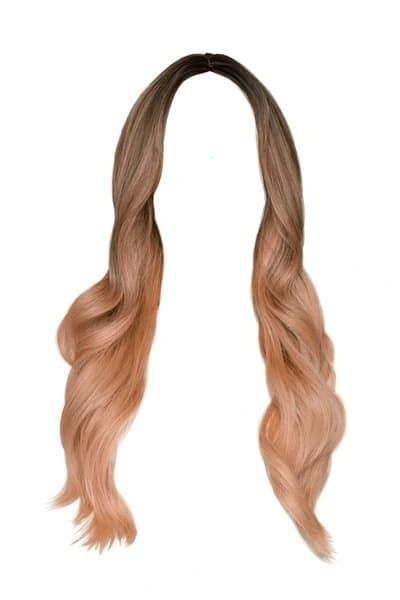
Professional guide: how to straighten wig with flat iron the right way
If you've ever wondered how to straighten wig with flat iron without damaging fibers, losing volume, or creating unnatural shine, this in-depth guide is for you. Whether you wear human-hair units or synthetic strands, learning the correct steps, heat-protection methods, and finishing touches will help you achieve a smooth, salon-quality look that lasts. This article breaks down the process into clear, actionable steps, provides pro tips on settings and products, and covers maintenance so your investment stays beautiful for many wears.
Key focus: safe heat use, preservation of texture, shine retention, and realistic finish. We'll cover prep, tools, temperature control, sectioning technique, pass frequency, products that protect and enhance, plus troubleshooting for common problems like frizz, limpness, or fused fibers.
Why the right technique matters
Applying heat to a wig is not the same as styling natural hair attached to a scalp. Wigs—especially synthetic ones—can be sensitive to excessive temperatures, uneven heat distribution, or wrong products. Incorrect use can permanently warp fibers, create unnatural gloss, or cause the cap to deteriorate. Learning how to straighten wig with flat iron safely means respecting material type (human vs. synthetic), using protective sprays, selecting appropriate heat tools, and following controlled, consistent passes. The result is smooth strands that maintain movement and bounce instead of rigid, plastic-looking hair.
Quick overview before we start
- Identify wig type: human hair, heat-friendly synthetic, or non-heat synthetic.
- Choose the right flat iron: plate width, material (ceramic/tourmaline), temperature control.
- Always detangle and clean the wig first.
- Use a dedicated heat protectant formulated for wigs.
- Work in small sections and use slow, steady passes.
Tools and products checklist
Below is a recommended kit for perfect, damage-free straightening:
Flat iron with digital temp control (ceramic or tourmaline plates, 1"–1.5" for most wigs).
Heat protectant spray designed for wigs or hair extensions (silicone-free options exist for human hair to avoid build-up).
Wide-tooth comb and paddle brush with soft bristles to detangle before applying heat.
Sectioning clips to isolate workable strands.
Low-heat drying option if the wig is wet: use an airflow setting on a mannequin or low heat setting on a blow dryer built for wigs.
Step-by-step professional method
- Clean and dry: Always start with a freshly washed, fully dry wig. For human hair wigs, use a mild sulfate-free shampoo and a lightweight conditioner. For synthetic pieces, follow manufacturer washing instructions. Never apply a flat iron to a damp wig—moisture + heat can cause irreversible damage.
- Detangle gently: Place the wig on a wig stand or mannequin head and detangle from ends upward using a wide-tooth comb. This prevents breakage and helps you see the natural fall of the fibers.
- Apply heat protectant: Use a product specifically labeled for wigs or hair extensions. Spray evenly from mid-length to ends; avoid saturating the roots or the lace cap to maintain breathability and avoid unwanted residue on the cap.
- Set the temperature: For heat-friendly synthetic wigs, start as low as 250°F (120°C) and test on a hidden section. For human hair wigs, begin around 300°F (150°C) and adjust up to 380°F (190°C) if necessary for thick textures. Fine human hair may only need 300°F–340°F. Always use the lowest effective temperature.
- Section methodically: Create narrow horizontal rows about 1/2" to 1" thick. Clip away the top layers and work from the bottom up. Smaller sections mean more consistent results with fewer passes per section.
- Single smooth pass: Clamp the flat iron at the root area (about 1/4" away from lace or cap edge), and glide down in one smooth motion. If the hair isn't straight, a second gentle pass may be applied but avoid multiple repeated passes that overheat the same strand.
- Finish with cool-down: After straightening each section, allow it to cool and set undisturbed for 10–20 seconds before touching. This helps lock the shaft alignment and reduces frizz.
- Styling and shine: For a soft salon-like finish, use a lightweight silicone-free serum or a small amount of argan oil applied sparingly to the mid-lengths and ends. Avoid oils at the roots. Use a flat paddle brush to blend and perfect the fall.

Temperature table (guideline)
| Wig material | Starting temp | Max safe temp |
|---|---|---|
| Heat-friendly synthetic | 250°F (120°C) | 320°F (160°C) |
| Human hair (fine) | 300°F (150°C) | 340°F (170°C) |
| Human hair (thick/coarse) | 330°F (165°C) | 380°F (190°C) |
Advanced techniques for pros
For a natural finish that replicates salon work, use micro-sectioning for layered cuts or lace-front blends: straighten the base layer, then lightly texture with the flat iron vertically to mimic movement. To add fullness, flip the ends under slightly with a one-inch iron or create soft bends by rotating the iron 45 degrees as you glide down. When blending a frontal lace with natural hairline, protect the lace with a silk scarf over the hairline cap while gently clamping and sliding the iron away from the lace to avoid melting or discoloring the frontal.
Troubleshooting common issues
- Plastic or glossy appearance: This usually means excessive heat or too much silicone product. Allow the wig to rest, wash with a clarifying but gentle cleanser (for human hair), and avoid heavy oils. For synthetics, deep-cleansing is limited—use a light clarifying spray and reduce heat next time.
- Stiff/fused tips:
 Caused by too many passes or high temperatures. Trim fused ends and apply conditioning treatments if human hair. For synthetic fibers, replacement may be necessary if melting occurred.
 - Loss of volume: If your wig becomes flat after straightening, add body by lightly backcombing the root area with a teasing brush, or use a texturizing spray at the roots. Heat styling from the underside at lower temperatures can also add subtle lift.
- Frizz reappearing: Ensure you used an appropriate heat protectant and avoid humidity without protection. Use an anti-frizz spray formulated for wigs and avoid touching the fibers repeatedly.
Maintenance tips to extend life
Proper care between styling sessions will make a major difference in longevity.
Storage: Place your wig on a stand or in a breathable bag to keep natural shape and prevent tangling.
Cleansing frequency: Human hair wigs: wash every 6–10 wears; synthetic wigs: clean less frequently, depending on product buildup and scent.
Protein and moisture balance: Human hair benefits from occasional deep conditioning but avoid heavy oils that build up. Weekly light conditioning treatments and monthly deep masks keep strands pliable for heat styling.
Limit heat exposure: Only straighten when necessary; consider alternatives like setting with rollers, steam styling, or professional cold-straightening for delicate pieces.
Product recommendations and what to avoid
Choose products labeled for wigs or extensions when possible. Avoid heavy petroleum-based products or non-breathable sealants that can clog the cap or weigh synthetic fibers down. Look for lightweight heat protectants, silicone-free serums for human hair, and anti-static sprays for synthetics. If you must use a general-purpose heat protectant, test on a small hidden area or loss piece first.
Pro tips for long-lasting shine
- Keep iron plates clean—residue can transfer to fibers and dull shine.
- Finish with a micro-fine shine mist sparingly; there’s a fine line between luminous and greasy.
- Use distilled water for any at-home steaming to avoid mineral deposits.
How often should you restraighten?
Frequency depends on wear and environment. For daily wearers, light touch-ups every few days may be necessary; for occasional wear, one straightening session can last several uses when stored and protected properly. Over-styling accelerates wear, so balance desired look with longevity concerns.
Special considerations for lace-front and monofilament wigs
Always keep heat at a safe distance from the lace edge. Use a thin cloth or a heat shield when straightening near a lace front to avoid weakening the glue or melting the lace. Monofilament tops can get hot spots if exposed to concentrated heat—use lower temps and allow more cooling time between passes.
Checklist before you begin
- Wig is clean and completely dry.
- Detangled from ends to roots.
- Appropriate heat protectant applied.
- Flat iron set to recommended temp for your wig material.
- Work area clear, wig secure on a stand, and sectioning clips at hand.
Final styling tips
For a modern natural look, avoid pin-straight uniformity—introduce soft bends or a slight curve at the ends. Use a velvet or satin headband to maintain style without flattening the cap. If you plan to bleach or color a human hair wig later, perform straightening before coloring to evaluate how the texture reacts to heat.
Summary: Mastering how to straighten wig with flat iron safely is about preparation, the correct tools, protective products, controlled heat, and delicate technique. With practice and patience you can achieve a smooth, natural finish that keeps your wig looking salon-fresh for longer.1. Clean & dry • 2. Detangle • 3. Heat protect • 4. Section • 5. One smooth pass • 6. Cool down • 7. Finish lightly with serum
FAQ
Q: Can I use my regular flat iron on a synthetic wig?
A: Only use a flat iron labeled safe for heat-friendly synthetic fibers and always test on a hidden strand first. Keep temperatures low and avoid prolonged clamping. For non-heat synthetic wigs, never use a flat iron.
Q: What is the safest temperature to start with?
A: Start lower than you think—around 250°F (120°C) for heat-friendly synthetics and 300°F (150°C) for human hair. Increase cautiously if needed.
Q: How do I restore shine after straightening?
A: Use a micro-fine shine spray or a drop of lightweight oil on palms smoothed over mids and ends. Avoid excess product to prevent buildup.
Q: My lace melted slightly—what now?
A: If the lace edge is compromised, stop using heat, consult a wig repair service, and avoid direct heat near lace fronts in the future by using a shield or cloth barrier.
Related products
Blog
- how do you style a synthetic wig Step by step guide with stylist tips for natural long lasting results
- how to make braided wigs at home - complete step by step DIY guide for beginners and pros
- 10 Bold Costume Ideas and Care Tips for a clown wig That Steals the Show
- How to Clean Wig at Home with Step-by-Step Tips for Washing, Drying and Storing
- why lawyers wear wigs explored in depth — origins, symbolism and modern courtroom etiquette
- How to Remove Wig Glue from Hair Naturally and Quickly 8 Proven Tips for Safe Adhesive Removal
- how wig buying guide and how wig styling tips for a flawless natural look
- Effortless Everyday Looks with upart wig and Simple Care Tips to Keep Your upart wig Fresh