
Understanding the core question: can wigs damage your hair?
If you've ever paused before buying or wearing a wig because you wondered can wigs damage your hair, you're not alone. Many people weigh the benefits of convenience, style change, or medical necessity against the fear of hair loss or scalp harm. The aim of this comprehensive, expert-informed guide is to dismantle myths, present research-backed facts, and give practical, actionable tips to protect your natural hair and scalp while enjoying wigs. This resource prioritizes reader-friendly explanations, scalp health strategies, and realistic expectations about wig wear.
Quick overview: myths versus reality
There are several widespread misconceptions about whether can wigs damage your hair and how. We'll tackle the most persistent ones, summarizing the essence so you can go deeper into the guide: Myth — All wigs cause hair loss; Fact — improper application, tight caps, adhesive abuse, and poor hygiene are common causes of damage, not wigs themselves. Myth — Only cheap wigs hurt the scalp; Fact — any wig can cause issues if it doesn't fit, is worn constantly without breaks, or is applied with damaging adhesives. The real question is context and care: how the wig is worn, maintained, and what pre-existing scalp or hair conditions exist.
How wigs interact with natural hair and scalp
Wigs are a physical layer over the hair and scalp, and their effect is mechanical, chemical, or environmental. Mechanical causes include friction, tension, and pressure. Chemical causes involve adhesives, tapes, or harsh products used to bond lace or attach extensions. Environmental factors are trapped heat, moisture, and inadequate cleaning leading to irritation or infection. Understanding these mechanisms helps answer the core concern: can wigs damage your hair? Yes, but only under specific conditions that are largely within your control.
Types of damage to be aware of
- Traction alopecia: caused by prolonged tension from tight wig caps, sewn-in wefts, or glued bonds. This leads to hairline recession and weakened follicles.
- Breakage: occurs when friction between your hair and the wig cap or interior wefting abrades strands, especially if hair is dry or brittle.
- Scalp irritation and contact dermatitis
 : adhesives, tapes, or chemicals in wig fibers or cleaning agents can inflame the skin.
 - Folliculitis and infection: trapped sweat and products under a poorly ventilated cap can create a bacterial or fungal environment.
- Trauma from removal: harsh glue removers or aggressive pulling during takedown can damage hair shafts and roots.

Key risk factors that make damage more likely
The likelihood that can wigs damage your hair becomes a reality depends on certain risk multipliers: wearing a wig 24/7 without rotation, using excessive or incorrect adhesives, not washing the scalp regularly, wearing an ill-fitting cap, having pre-existing scalp conditions (like psoriasis or eczema), or combining tight understructures (like cornrows) with heavy sewn-in bases. Awareness of these risk factors is essential for prevention.
Safe wig wear: professional fitting and cap choice
One of the most effective protective measures is professional fitting. A skilled stylist can advise on cap type and size. The cap choice matters: lace fronts offer natural-looking hairlines but often rely on adhesive; monofilament caps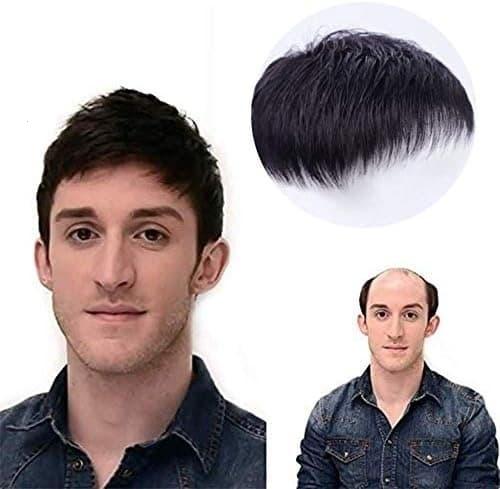 are breathable and gentle on hair; stretch caps can reduce localized pressure. If you worry about whether can wigs damage your hair, prioritize breathable materials, adjustable straps, and the correct size to avoid friction and pressure points.
Best practices for adhesives and tapes
Adhesives and tapes can be useful but are a common source of trouble. Tips to minimize risk: always patch-test new adhesives, use medical-grade tapes, rotate bonding sites rather than using the exact same place every time, use gentle, manufacturer-recommended removers, and avoid layered or heavy bonding that increases removal trauma. If possible, transition to silicone-based or hypoallergenic options and consult with a dermatologist for sensitive skin.
Health-first routines for wig wearers
Daily and weekly routines protect hair and answer the question can wigs damage your hair through prevention:
- Clean your scalp regularly: at least once a week or more if you sweat heavily, using gentle shampoos and non-comedogenic cleansers.
- Moisturize and protect natural hair: leave-in conditioners, lightweight oils or serums can reduce friction and strengthen strands.
- Wash and care for the wig: clean the wig according to fiber type to avoid product transfer back to your scalp.
- Night care: use satin-lined caps or pillowcases to reduce rubbing and consider removing the wig at night if possible.
- Rest periods: give your scalp wig-free time each day or week to breathe and recover.
Preparing your natural hair under a wig
How you set your hair before applying a wig matters. Avoid overly tight braids or cornrows that increase traction. Instead, use low-tension styles like loose braids or twists, and if you prefer flatness, try gentle bobby-pin anchoring with a soft cap. For people with short hair, moisturizing the scalp and using a protective base layer reduces friction and protects against breakage.
Material matters: human hair vs. synthetic fibers
Human hair wigs often feel more natural and can be heat styled, but they may require more maintenance. Synthetic wigs are low-maintenance but can be less breathable and sometimes trigger more scalp sweating. Neither inherently answers the question can wigs damage your hair by itself; rather, maintenance and fit determine risk. Choose fibers that match your lifestyle and consider lighter, ventilated caps for warm climates.
Styling and heat: do they increase damage risk?
Excessive heat applied to the wig won't directly damage your natural hair if the wig is worn correctly, but using hot tools on a wig that sits very close to fragile hair can create a thermal transfer risk. Always maintain a safe distance between hot irons and your scalp, use heat protectants on natural hair before fitting, and avoid tight heat-styling that increases tension when the wig is in place.
Signs your wig routine may be harming your hair
Watch for these warning signs: increased shedding at the hairline, noticeable thinning where wig edges sit, scalp soreness or redness after removal, scabbing or flaky patches, and persistent itch or burning. If you observe these symptoms, pause wig wear, consult a dermatologist, and consider switching application methods.
Medical considerations: when to see a specialist
For chronic conditions, autoimmune issues, or sudden, unexplained hair loss, seek professional help. Trichologists and dermatologists can diagnose traction alopecia, telogen effluvium, and other conditions. They can also recommend topical treatments, corticosteroids, or changes in wig protocol. When deciding whether can wigs damage your hair in your case, medical evaluation is key.
Preventive accessories and small investments that pay off
Simple protective items can dramatically reduce risk: silk or satin wig caps to reduce friction, breathable cap liners to absorb sweat, wig grips that distribute pressure without adhesive, and scalp-protective barriers for sensitive skin. These items cost little but can answer the big question—helping you enjoy wigs without sacrificing scalp health.
How to remove adhesives safely
Improper removers can strip natural oils and pull hair. Use recommended, gentle solvent-based removers, follow a slow, methodical process, and allow the remover time to work before attempting to peel. After removal, wash with a sulfate-free, moisturizing cleanser and condition. If adhesive residue persists, consult a professional stylist rather than tugging at it.
Routine maintenance checklist
- Inspect cap fit monthly; adjust straps and replace stretched elastics.
- Rotate wigs to avoid continuous pressure on one area.
- Schedule scalp checks every few months; note any persistent changes.
- Keep a log of adhesives and products used to identify irritants.
- Prioritize gentle, pH-balanced scalp care products.
Special populations: chemotherapy, alopecia, and sensitive scalps
For people with medical hair loss, wigs can be empowering but require extra caution. Skin on a chemo-affected scalp may be thinner and more fragile, so avoid adhesives unless medically cleared and prefer non-bonded systems or headwear designed for medical use. Work with oncology wig specialists when possible and consider lightweight, soft caps that don't compress the scalp. These adaptations help ensure the answer to can wigs damage your hair is minimized or becomes a non-issue during recovery.
Myth-busting rapid-fire: common questions answered
- Myth: Only cheap wigs cause problems. Fact: Fit and care matter more than price.
- Myth: Leaving a wig on 24/7 is fine. Fact: Rest periods prevent buildup and irritation.
- Myth: Glue is the only secure option. Fact: Alternatives like clips, combs, and adjustable straps can be effective and gentler.
Emergency steps if you notice damage
If you see sudden thinning or irritation, stop wearing the wig immediately, clean the area gently, avoid applying more products, and seek a professional assessment. Early intervention can often reverse traction alopecia or prevent long-term follicle damage.
Long-term strategies for a healthy wig-and-hair relationship
Think of wig-wearing as a long-term partnership rather than a short-term accessory choice. Invest in professional fittings, routine scalp care, rotational wear, breathable materials, and relationship with a dermatologist or trichologist. These strategies ensure you can answer "can wigs damage your hair" with nuance: they can if misused, but with consistent prevention, the risk is low and manageable.
Checklist: daily, weekly, monthly
- Daily: moisturize hair and scalp, ensure correct wig placement, avoid extremely tight straps.
- Weekly: wash scalp if worn daily, clean wig following instructions, inspect for irritation.
- Monthly: assess fit, rotate wig inventory, consult a professional if you detect changes.
Choosing a stylist and what to ask
When selecting a wig stylist, ask about experience with medical clients, bonding techniques used, removal protocols, and post-installation care. Request a demonstration of removal to see how gentle their methods are. This due diligence reduces the chance that can wigs damage your hair will be more than a theoretical worry.
Conclusion: a balanced, evidence-based perspective
To summarize: the short, nuanced answer to can wigs damage your hair is that wigs are not intrinsically harmful, but certain practices can cause damage. Focus on proper fit, gentle attachment methods, regular hygiene, protective preparations of natural hair, and medical consultation when needed. With attention to these factors, wigs can be a healthy and confidence-boosting part of your routine rather than a risk to your scalp.
FAQ
- Q: How often should I remove my wig to protect my hair?
- A: Aim for daily breaks when possible; at minimum try to have scalp rest periods totaling several hours across the week. Designate one or two days as wig-free to allow thorough cleaning and recovery.
- Q: Are there wig caps that reduce the chance of damage?
- A: Yes. Look for monofilament, silk-lined, or soft breathable caps that reduce friction. Avoid stiff or poorly ventilated bases for long-term wear.
- Q: Can adhesives be used safely?
- A: Yes, when used sparingly, rotated, and with proper removers. Patch-test adhesives and consult a professional for sensitive skin.
- Q: What treatments help recover from traction alopecia?
- A: Early-stage traction alopecia may recover with rest, reduced tension, and topical treatments like minoxidil if advised by a dermatologist. Persistent or advanced cases may require medical intervention.