
What Is a U Part Wig - Complete Beginner's Guide to Choosing, Installing and Caring for Your Wig
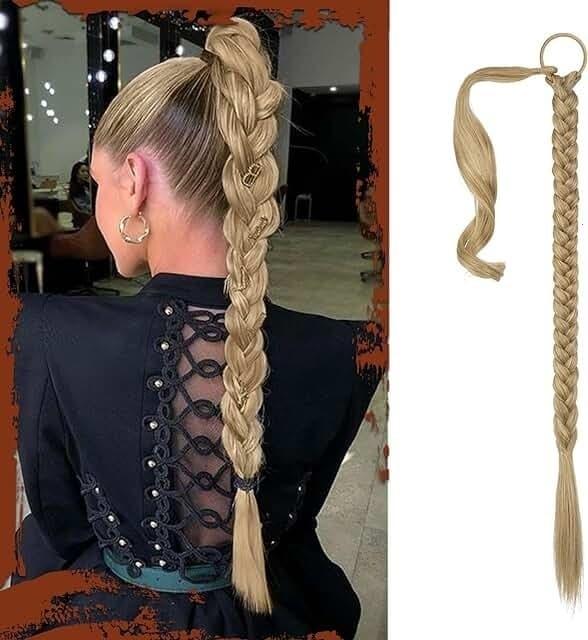
Beginner's Handbook to Understanding and Using U-Shaped Lace Wigs
If you've ever wondered what is a u part wig and whether it's the right option for your lifestyle, hair goals, or time constraints, this comprehensive guide unpacks everything you need to know in easy-to-follow sections. From a clear definition and cap anatomy to shopping tips, installation workflows and long-term care, you'll gain practical knowledge that helps you choose, install, and maintain a U-part piece with confidence.
What people mean when they ask "what is a u part wig"
At its core, the term what is a u part wig refers to a hairpiece designed with a distinct U-shaped opening at the front or top that allows your natural hair to remain visible and be blended into the piece. Rather than covering the entire head like a full wig, a U-part wig leaves a horizontal or U-shaped section of your own hair out, which can be styled into a natural-looking part and hairline. This hybrid design provides a middle ground between sew-in extensions and traditional full wigs.
Quick anatomy: how a U-shape creates versatility
- U-shaped opening: The hallmark feature that distinguishes this type of wig, creating a natural parting area.
- Adjustable combs and straps: Built into the cap for stability, allowing you to secure the piece over your natural hair.
- Cap materials: Can include lace, mesh, and breathable wefting; some use a half-lace construction for realism.
- Attachment points: Usually sewn or glued, but many modern designs focus on clip-in or comb options to reduce damage.
Advantages of choosing a U-part design
The question what is a u part wig often stems from curiosity about the benefits. There are several practical reasons many people prefer this approach:
- Natural scalp visibility: The U-part opening allows your own hair to show, making the part and hairline look authentic.
- Breathability and comfort: Since part of your head remains uncovered, U-part wigs are cooler and lighter than full caps, ideal for warmer climates.
- Low-commitment options: Many U-part pieces are designed to be clipped in, making daily wear and removal simple.
- Less tension on hair: Compared with full sew-ins, properly installed U-parts can reduce strain on your edges and roots.
- Styling flexibility: You can mix your natural texture with the add-on hair for blended looks, color experiments, or added length.
Differences between U-part wigs, closures, and full lace
Understanding related terms helps answer what is a u part wig more precisely. U-parts differ from lace closures (small sections of lace that cover a specific area) and from full lace systems (complete lace cap that can be parted anywhere). A U-part typically covers most of the head but leaves a U-shaped section of natural hair out to allow versatility and realism without needing a full lace cap.
Materials, construction and what to expect
When considering what is a u part wig, you'll want to review materials and construction details because they directly influence appearance and durability. Typical materials include:
- Human hair: Offers the most natural look and can be heat-styled, colored, and treated like your own hair; it's pricier but lasts longer with proper care.
- Synthetic fibers: More affordable, pre-styled, and lower maintenance but less heat-tolerant and shorter lifespan.
- Remy or virgin labeling: Indicates higher-quality human hair where cuticles remain aligned.
Cap construction options often include partial lace fronts, machine-sewn wefts, and reinforced edges for clip-in attachments. Some U-part pieces use a lace frontal combined with wefts to enhance realism around the hairline while maintaining the signature U opening.
How length, density, and texture affect selection
Choosing the right length and density will determine how well your natural hair blends into the wig and how comfortable the piece feels. For example:
- Short natural hair: Consider shorter U-part pieces with lower density so your natural hair can easily blend.
- Thick natural hair: Look for U-parts with sufficient coverage and combs to hold the weight steady.
- Texture match: Match the wave, curl or straight pattern of the unit to your natural hair for seamless blending; you can also straighten or curl human hair units to blend better.
Shopping checklist — how to pick the right piece
Before you add a U-part to your cart, run through this buyer's checklist to avoid common mistakes:
- Confirm your hair left out: Measure how much natural hair you'll leave out and ensure it fits the U-shaped opening comfortably.
- Examine cap size and adjustability: Adjustable straps, combs, or clips help secure the unit without glue.
- Opacity and base color: The base or cap color should blend with your scalp tone and hair roots if the opening shows the scalp.
- Length and density: Pick lengths and density that coordinate with your natural hair for the most realistic blend.
- Vendor reviews and return policy: Check customer photos and seller guarantees—especially for human hair units.
Tip: Use images and videos of the wig on real people with similar hair types to yours; that real-world context answers more than product descriptions.
Step-by-step: installing a U-part for beginners
If you've asked what is a u part wig because you want an installation guide, follow these simplified steps. This workflow assumes you are using a clip-in or comb-secured U-part piece; if glue or sew-in methods are used, follow safety and technical guidelines or consult a professional.
Preparation
- Wash and condition your natural hair; detangle and blow-dry or stretch as needed.
- Decide how much hair to leave out — the U should accommodate a natural-looking part and hairline.
- Braid or flat-twist the rest of your hair close to the scalp to create a smooth base.
Attachment
- Position the U-part so the opening aligns with the section of hair you plan to leave out. what is a u part wig becomes practical here because correct alignment is the key to a natural look.
- Secure the edges with built-in combs or clips; if the piece includes adjustable straps, tighten for a snug fit.
- Blend the left-out hair with the unit, using heat tools if both are human hair or compatible synthetic fiber.
- Trim and shape any excess hair for a realistic perimeter and ensure the part looks natural.
Blending techniques
Blending natural hair with the U-part piece determines realism. Use these techniques:
- Feathering: Thin the ends of the left-out hair slightly so they lay under the wig hair without creating a stark line.
- Color continuity: Use root smudging or color depositing products if the piece and your roots differ in shade.
- Use styling products sparingly: Lightweight serums and creams help smooth flyaways without weighing down the piece.
Alternative attachment methods and security
Depending on your lifestyle and skill level, you might prefer one attachment method over another. If you're asking what is a u part wig because you want low maintenance, clips and combs are often best; for athletic or windy conditions, consider added tape or temporary adhesive strips, but follow scalp safety guidance and never over-adhere sensitive areas.
When to visit a professional
Book a professional if you need custom fitting, color-matching, or specialized sew-in towers. Salons can also ventilate lace and conceal knots for a superior illusion that can be difficult to achieve at home.
Daily care: practical tips to prolong lifespan
Proper care extends the life of your unit and keeps it looking fresh. Whether you have human or synthetic hair, the following daily habits are helpful:
- Night routine: Wrap hair with a silk scarf or use a satin pillowcase to prevent tangling and moisture loss.
- Detangling: Use a wide-tooth comb or a brush designed for wigs; start at the ends and work upward gently.
- Product selection: Avoid heavy oils and alcohol-heavy sprays which can degrade fibers; choose sulfate-free, wig-friendly shampoos and conditioners.
How often to wash
Wash frequency varies by use and environment. For regular wearers, washing every 10–14 wears is a common guideline. If you use many styling products or sweat heavily, increase the frequency modestly while balancing the need to preserve the hair's natural oils when human hair is used.
Styling dos and don'ts
Styling a U-part lets you maintain a realistic part while experimenting with looks. Keep in mind:
- Do heat-style human hair units with protective sprays; don't exceed recommended tool temperatures.
- Don't apply adhesive to the exposed natural hair unless you follow scalp-safe glue guidelines.
- Do use color-safe products if your unit is colored; don't bleach synthetic fibers.
Best tools for achieving a natural look
Small combs, rat-tail combs for precise parting, a fine trimmer for lace edges, and heat tools if you have human hair are basic essentials. For color blending, use temporary root smudges or powders instead of permanent dyes unless the unit is human hair that you intend to process.
Common pitfalls and how to avoid them
Many new users ask what is a u part wig because they want a convenient yet realistic solution—however, mistakes can undermine the effect:
- Wrong size: A poorly sized cap shifts and reveals tracks—measure your head carefully.
- Poor color match: An exact match between your roots and the piece's base makes a huge difference.
- Overuse of heavy products: Heavy styling compounds degrade breathability and attract dirt.
Edge preservation
Because U-part designs expose part of your hairline, protecting your edges is crucial. Avoid tight braids that cause traction, rotate styles, and moisturize edges with lightweight oils or edge-friendly creams.
Maintenance schedule for longevity
To maximize the lifespan of your U-part, follow this simple maintenance timeline:
- Weekly: Light detangling and refresh with a curl-refresher or light serum.
- Monthly: Wash and condition depending on usage, deep condition human hair every 4–6 weeks.
- Every 3–6 months: Inspect cap integrity, replace combs or clips as needed, and consider professionally reconditioning human hair units.
Traveling with a U-part
U-part pieces are travel-friendly because they are less bulky than full lace wigs and generally easier to pack. Use a structured storage bag or a wig box, detangle before packing, and carry a small styling kit for touch-ups.
How to choose between a U-part and other hair systems
Make your decision using three criteria:
- Realism priority: If absolute realism across the entire scalp is essential, a full lace may be preferable.
- Comfort priority: If breathability and reduced scalp coverage are key, a U-part is often the best compromise.
- Skill and time: U-parts are excellent for those who want realistic results with moderate skill and quick daily routines.
Cost considerations
Price varies widely: synthetic U-parts are budget-friendly, while high-quality Remy human hair units are more expensive but offer the most styling freedom and longevity. Factor in potential salon costs for customization or installation when budgeting.
Ethical sourcing and quality markers
When evaluating suppliers, ask about traceability and ethical sourcing if human hair is advertised. Quality markers include cuticle alignment, minimal chemical processing, and transparent return policies. These factors help answer deeper concerns underlying the simple search for what is a u part wig.
Troubleshooting guide: quick fixes
- Shifted cap: Tighten straps and re-secure clips; if persistent, re-evaluate cap size.
- Visible tracks: Blend with leave-out hair or use contour powders to conceal tracks.
- Tangling: Use a detangling spray and work from ends upwards; deep condition if human hair.
Sustainability and disposal
Consider the lifespan and end-of-life of your unit. High-quality human hair can be donated or recycled in certain programs, whereas synthetic fibers may require landfill disposal. Prioritize durable units and responsible vendors when possible.
How to tell if a U-part is right for you
Ask yourself: Do I want a natural-looking part? Do I have enough leave-out hair to blend? Am I seeking a balance between install time and realism? If you answered yes to at least two of these, a U-part unit likely matches your needs. The phrase what is a u part wig encapsulates both a product type and a lifestyle choice—one that emphasizes practicality and natural appearance.
Visual inspiration and style ideas
Look for images of layered U-part looks, half-up styles that showcase the U opening, and side-swept parts that maximize the exposed natural roots. These variations demonstrate how adaptable the design is for daily wear or special events.
Final checklist before you buy
- Measure your head and leave-out section.
- Decide human hair vs synthetic based on budget and styling needs.
- Check return policies and reviews for real-user photos.
- Confirm cap attachment types and adjustability.
- Plan a care routine and budget for maintenance.
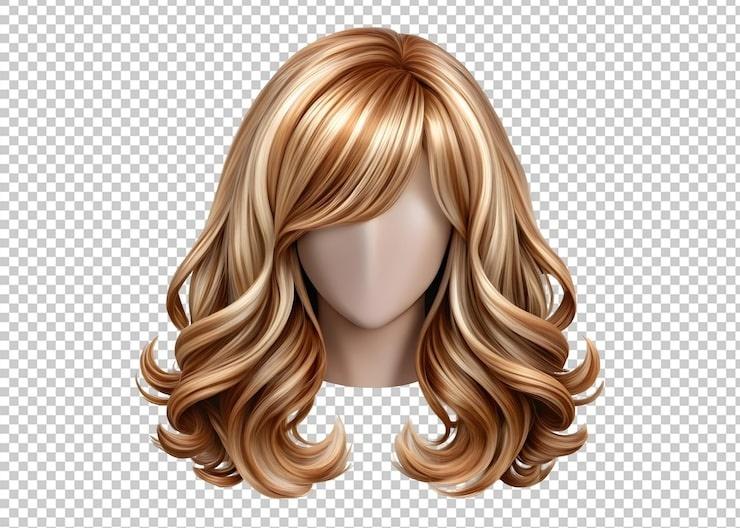
If you still find yourself searching for what is a u part wig, bookmark this guide and use it as a reference when comparing products and choosing vendors. Investing time in selection and care pays off with a comfortable, realistic, and long-lasting result.
Recommended starter kit for first-time users
- Wide-tooth comb and wig brush
- Heat protectant spray (for human hair)
- Satin scarf or bonnet for night use
- Detangling spray formulated for wigs
- Lightweight styling serum
When to consult a professional stylist
Seek a stylist if you want sewing, custom coloring, or a complex, highly realistic hairline. Professionals can tailor the unit to your head shape, cut for best blend, and professionally ventilate lace if needed.
As with any hair investment, start conservatively: select a reliable seller, choose a practical length and density for your experience level, and gradually build styling skills. Now that you understand what is a u part wig, you can make informed choices that enhance both comfort and appearance.
Frequently Asked Questions
- Q1: Can I sleep with a U-part on?
- A: It's best to remove most U-parts before sleeping to reduce tangling and cap strain. If you choose to sleep with it, wrap hair in satin and ensure combs are comfortable and not pulling on the scalp.
- Q2: Will a U-part ruin my natural hair?
- A: When installed and maintained properly, U-parts are less likely to cause damage than tight sew-ins. Avoid excessive tension, rotate styles, and treat edges gently.
- Q3: How do I color match the leave-out to the unit?
- A: Use temporary root touch-up powders, color-depositing conditioners, or work with a professional colorist to achieve seamless transitions. For human hair units, consider subtle dyeing with a salon.
- Q4: Are U-parts suitable for active lifestyles?
- A: Yes, when secured properly with quality clips or added tape, U-parts can withstand moderate activity. For intense exercise, consider additional security or a tighter cap option.
Related products
Blog
- Who Sells Wigs Near Me — Find Local Shops, Top Online Sellers and Budget-Friendly Options
- how to wash a wig with dawn dish soap step by step guide for gentle cleaning and lasting style
- Understanding what is a wig grip and why every wig wearer needs one
- Dee's Hair Mystery Solved - is dee wearing a wig always sunny explored with photos and expert insight
- how to dye a synthetic wig with acrylic paint made easy, step-by-step tips for vibrant long-lasting color
- how to put on a wig for the first time with easy step by step tips to achieve a natural secure fit
- how to remove wig glue from skin and hair using gentle oils and cleansers practical step by step guide
- where can i buy cheap wigs A savvy 2025 guide to top online shops, local stores and unmissable deals